
Yesterday I got to spend the day doing one of my very favourite things: talking to random people about history, and London’s history in particular. Even more particularly, New River Head which will be transformed into Quentin Blake Centre for Illustration over the next couple of years.
The occasion was Open House Festival 2023 – a two week celebration organised by Open City when buildings, homes and spaces usually kept behind closed doors are open to the public.
New River Head has been out of use for 70 years, after the New River’s terminus became the reservoirs at Stoke Newington instead of the Islington site and the engines were removed. There’s a lot of interest in our half acre of patchy concrete, cobbles and industrial buildings tucked away behind bits of Thames Water infrastructure, from local residents, illustrators, architects and engineers, historians both amateur and professional, and ex-Thames Water employees. It’s a derelict site in the middle of a conservation area, mostly built by the New River Company itself, and several attempts to redevelop the space have been resisted.
My job today was mostly floating about the place, delivering the odd tour and ad-hoc potted histories of the site which changed depending where I was standing. Having fallen down the Google rabbit hole when reading about the site, and from reading Nick Higham’s excellent The Mercenary River, there’s a lot of trivia bouncing about in this head of mine. There’s an IPA called Five-Inch Drop, made by the New River Brewery and named after the gentle gradient bringing the New River from Hertfordshire to London along the 100-foot contour. The river still provides 10% of London’s drinking water via the Ring Main. Water from the New River was used to fill the tank at Sadlers Wells for the re-enactment of sea battles (and the punters would jump in at the end). A cheeky fox likes to lie in the sun under the buddleia.
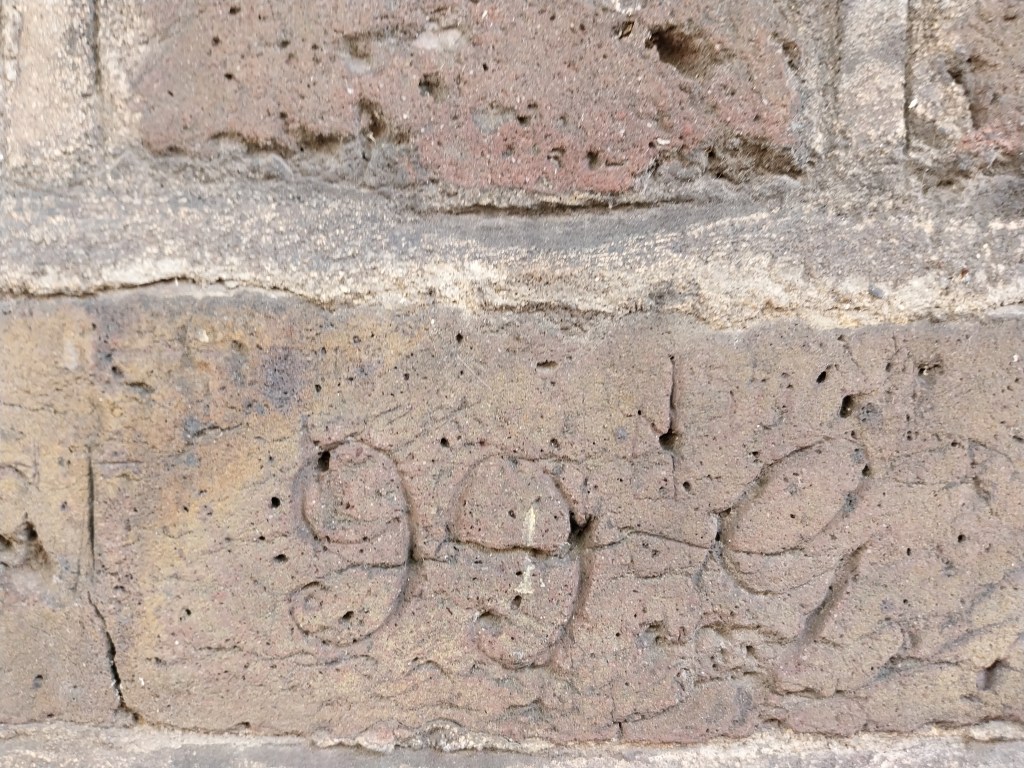
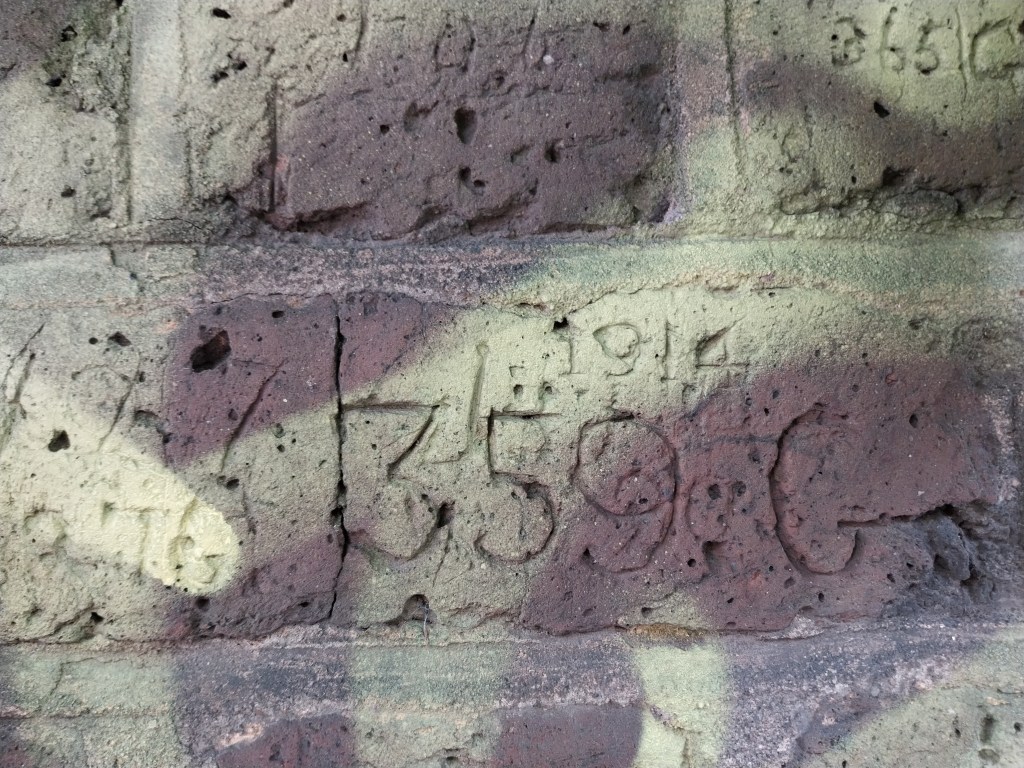
The area around the site has its moments too: Myddelton Passage, named after founder of the New River Company Hugh Myddelton, is known for a whole range of anti-social behaviour across time. These days it’s a quiet corner for local youths to conduct some illicit activities, to the horror of the residents, but even way-back-when muggers would lurk in this quiet alley. This meant Victorian policemen on the beat also had to lurk in the area, and a number of them indulged in some ASB of their own in the form of graffiti. A section of the wall is carved with the initials of policemen of Finsbury’s G Division: you can read more about this here. Talk about setting a bad example!

Other things making me happy this week:
- Thing 1 starting her new college course
- Rewatching the brilliant Sex Education in preparation for the new series
- Hiding out from the pouring rain under a gazebo with lots of interesting people
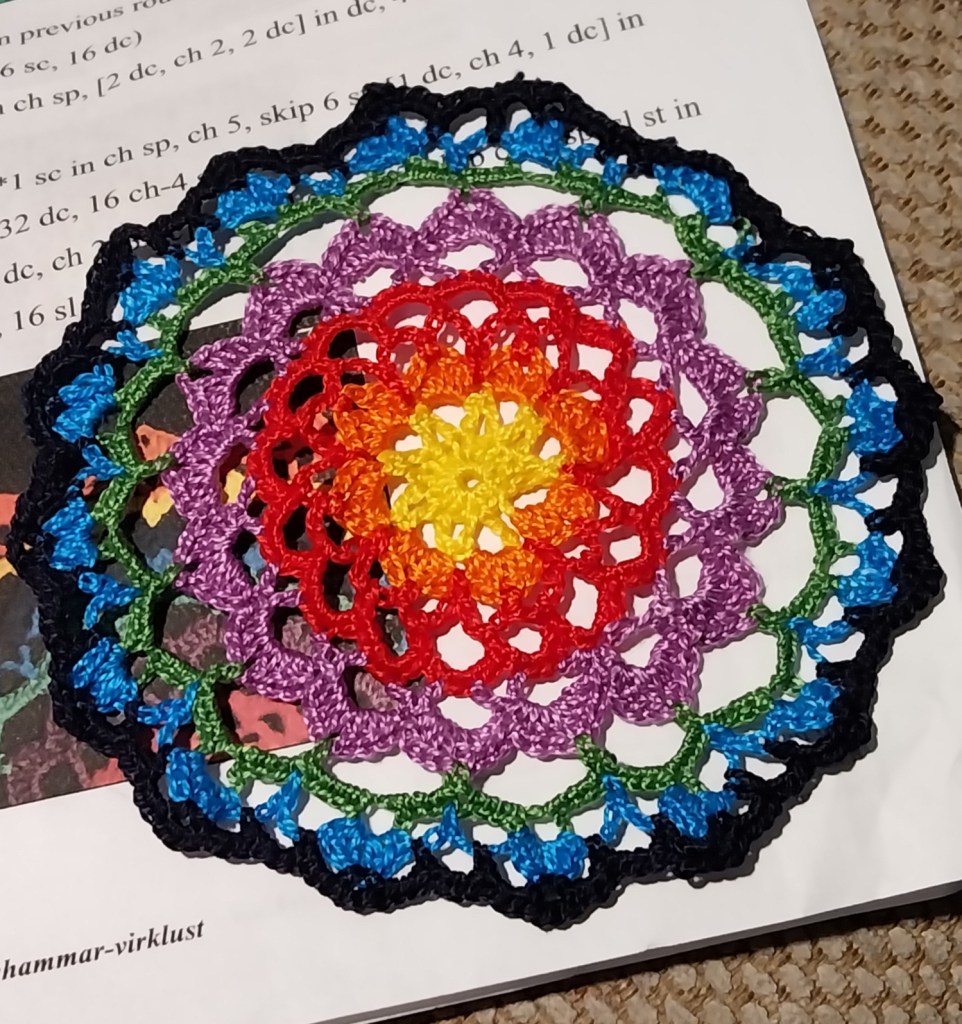
- Still crocheting mandalas
- Cinnamon buns made by Thing 2
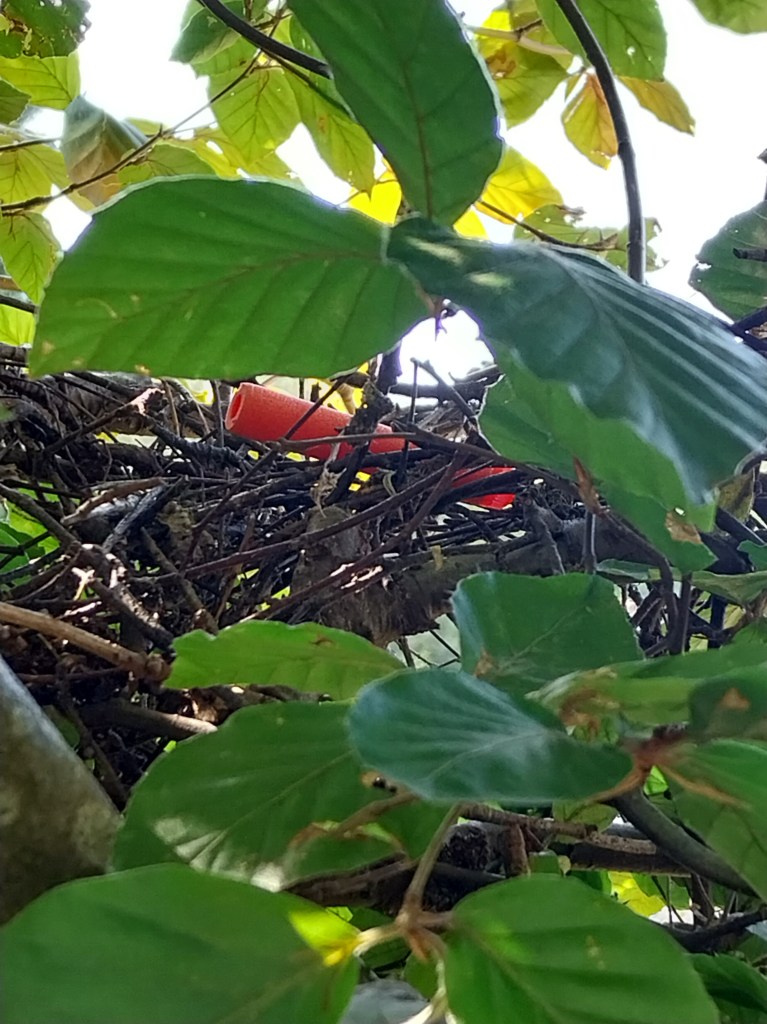
- Discovering that our daft pigeons have built a Nerf bullet into their nest
- Looking down instead of up when walking in London
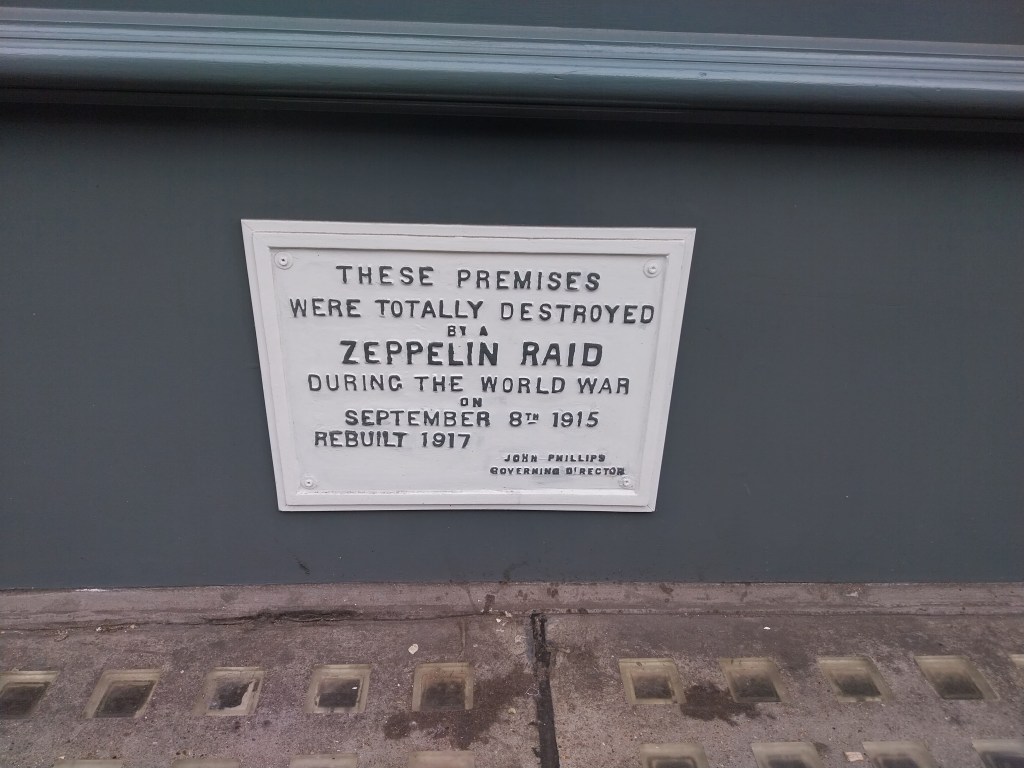
This week will be focused on National Illustration Day – watch this space!
Kirsty x
What I’ve been reading:
The Story Collector – Evie Gaughan
The Keeper of Stories – Sally Page
The Lost Notebook – Louise Douglas
French Braid/Celestial Navigation – Anne Tyler
The Wanted – Robert Crais
An Utterly Impartial History of Britain– John O’Farrell
Monstrous Regiment – Terry Pratchett (Audible)
 What Kirsty did next