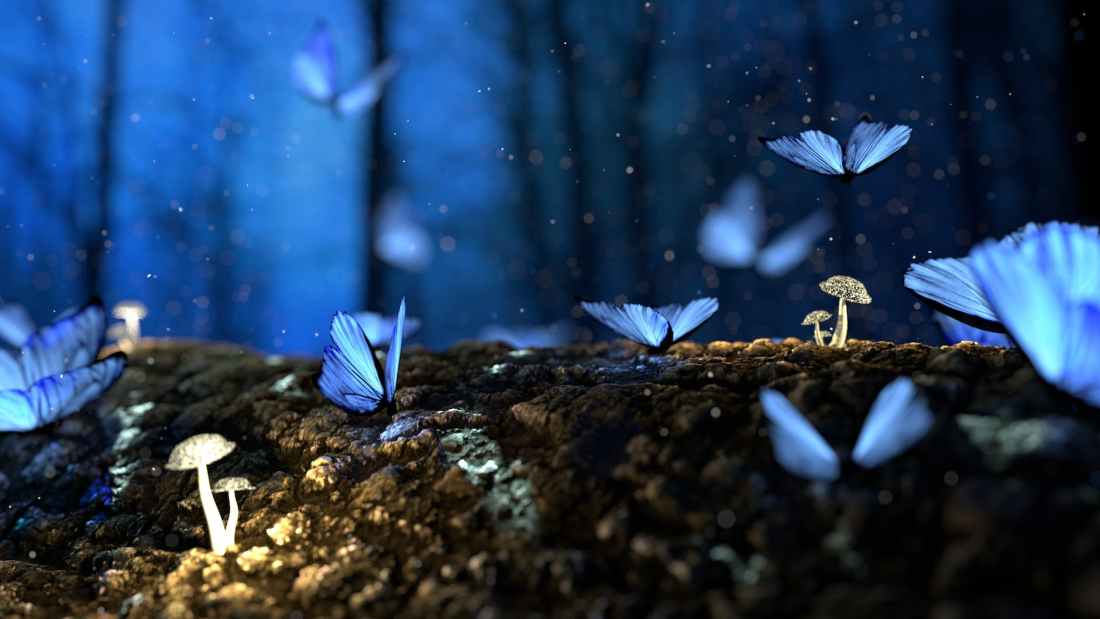
203: a wander through the realms of imagination

This week my team and I headed to the British Library to see the Fantasy: Realms of Imagination exhibition before it closes later this month. As I may have mentioned once or twice over the course of this blog, I love a bit of SF/F, so I was very excited about seeing this show.

Entering the space through a sparkling, fairy-lit forest portal (I knew it was going to be good) and avoiding the first hazard in the shape of a couple of school groups, we were immediately immersed in the very beginnings of fantasy through ‘Fairy and Folk Tales’. Highlights for me were glorious Arthur Rackham illustrations, a 1918 ‘Ancient Mappe of Fairyland’ by Bernard Sleigh and an earpiece playing Steeleye Span’s Thomas the Rhymer. It’s easy to dismiss fairy tales – especially if you grew up with the later, heavily sanitised Ladybird ‘Read it Yourself’ versions - but the original stories as written down by people like the Brothers Grimm were, well…. grim. One of my favourite childhood books, Alan Garner’s The Owl Service, was featured here along with a plate from the service which inspired it.

‘Epics and Quests’ was the second section, and of the things I liked about this exhibition was that it delved far deeper than the the European traditional forms of fantasy and ‘sword’n’sorcery’ tropes. Studio Ghibli’s Princess Mononoke appeared here, along with more of my all-time favourites in the shape of The Dark is Rising by Susan Cooper, T.H.White’s The Sword in the Stone, Tolkien in book and film (Gandalf’s staff!), and Warhammer. Tove Jansson’s illustrations for the Swedish translation of The Hobbit were included, with a rather trollish Gollum facing off with a behatted Bilbo Baggins. Apparently her depiction of Gollum caused Tolkien to amend his description to include the word ‘small’ in future editions! Dungeons and Dragons also popped up here, Livingstone and Jackson’s Fighting Fantasy series, and a marked up script for Monty Python and the Holy Grail. I refrained from quoting large swathes of the film, as I’d like my team not to think I’m a complete geek. Ha.

Section three covered ‘Weird and Uncanny’Valentina and I had great fun in the interactive wibbly wobbly space where you appeared as if by magic and went all swirly. Here there was also a game called Fallen London, a text-based RPG set in a London stolen by bats. Of course! Philippa Pearce’s Tom’s Midnight Garden was included, along with Neil Gaiman discussing The Sandman and the power of being a writer. H.P Lovecraft’s Cthulhu (that’s hard to spell) featured, and the board game A Study in Emerald based on a Neil Gaiman story.

Section four, ‘Portals and Worlds’, explored the alternative realities built by fantasy writers and artists. Here was Terry Pratchett’s Discworld Map, and a whole lot of schoolchildren building their own worlds with the help of a gallery educator. We had to step over them to see Elphaba’s costume from Wicked, as they were worldbuilding all over the floor. I felt there were some gaps - not enough urban fantasy which, given the quality of work in this genre over the last 30 years or so by people like Charles de Lint and Ben Aaronovitch, felt like a real missed opportunity. Finally there were some Live Action Role Play costumes including a spectacular dryad.

It was inevitable that I was going to leave the exhibition with a reading list! Uprooted by Naomi Novik and Gods of Jade and Shadow by Silvia Moreno-Garcia are the ones that caught my imagination.

I was quite disappointed to reach the end of the exhibition, which came far too quickly. The exhibition design was atmospheric, and managed to stay away from the whimsical in the main. It finishes later this month so get in quick!

Other things making me happy this week:

  • Mooch round the market with Miriam
  • A D&D game where I got to call down a lightning storm and be all Dr Strange
  • A birthday trip for Thing 3 on Saturday night to see My Neighbour Totoro at the Barbican, which I’ll write about next week
  • Starting a new scarf as my portable project, using this pattern. I had to adapt it as working into slip stitches all the time would be a nightmare. This is using a Stylecraft DK yarn that I bought in a sale a while ago.
  • Good progress on the temperature stitch for the year – I’m still not ready to start the books but the shelves are nearly done!

Now I must get up and make a banana cake….

Kirsty x

What I’ve been reading:

Friends of the Dusk/All of a Winter’s Night/The Fever of the World – Phil Rickman

The Chalice – Phil Rickman (Audible)

Over Sea, Under Stone– Susan Cooper (Audible)

Map Addict – Mike Parker

Draw Your Day – Samantha Dion Baker

174: a day trip to Cambridge

A week post-Race to the Stones and my feet are almost back to normal size, although luckily I haven’t had to test this by putting anything like shoes on! The only day I’ve left the village was Thursday, when we went on a work team outing to Cambridge where the University Library is showing our exhibition Raymond Briggs: A Retrospective until late August.

Cambridge isn’t somewhere I have spent a great deal of time – I went to a humanist naming ceremony there once, and while Timeshare Teenager 1 was at Anglia Ruskin we popped up to see her, but other than a two-hour delay on a train back from somewhere where we got to sit in the station that’s been it. My very efficient Public Programmes Producer Jo organised the day, finding out about trains and buses, which was much appreciated by myself and the other member of the team Valentina.

Jo knows about things like group save tickets, and so we met at Kings Cross to catch the train and grab breakfast from Leon. Miraculously the trains were well-behaved all day (unlike the tube on the way home). Cambridge University Library is an impressive 1930s building which reminded us all of a power station – which makes sense now that I have discovered the architect, Giles Gilbert Scott, also worked on Battersea Power Station (and the red telephone box, which is cool).

The gallery is tucked away to the side of the main library entrance; quite a small space but the exhibition is full of sketches, roughs and proofs from some of Briggs’s best known-works like The Snowman and Father Christmas as well as from his longer graphic novels like When The Wind Blows and Ethel and Ernest. My sister’s favourite, Fungus the Bogeyman, also featured – I’d forgotten all the wonderful words in this one, and how endearing Fungus was.

We liked the simple sketch/make trails, especially playing with scale and getting messy with the giant’s footprint. We were amazed at the different illustration styles Briggs used over the years, and at the neatness of his typography for Fungus’s pages. The scrawled notes like ‘no full frontal nudity for Father Christmas’ made us laugh. When The Wind Blows brought back memories of the 80s and the very real fear of nuclear war, and The Tin-pot Foreign General and the Old Iron Woman was a stark look at the Falklands War.

If you’re in the area do go and see it – free entry and you also get to marvel at the University Library.

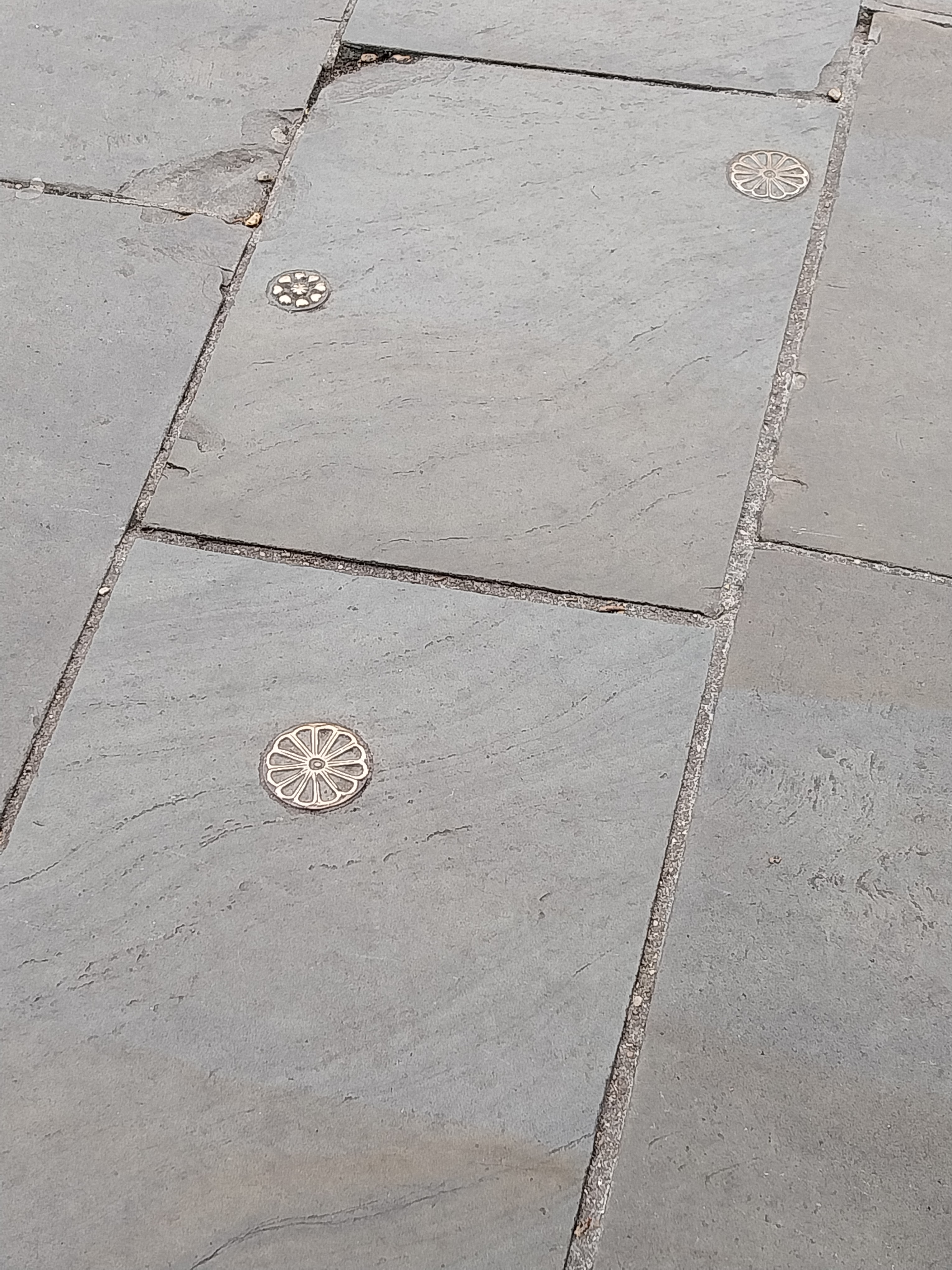
After leaving the library we walked through the grounds of one of the colleges, watching people punting and a fashion shoot with preppy clothes on the banks of the Cam, and made our way to Kettle’s Yard where we were planning to have lunch and a look at the Palestinian embroidery exhibition. The pavement on the way was scattered with bronze flowers, which Google informed us was the Cambridge Core and Flower Trail, inspired by a medieval coin hoard found by Anglian Water workers.

Lunch was a salad with hummus and falafel, with a lemon and ginger lemonade, while Jo and Valentina had huge vegetarian wraps. Jo tried the sticky toffee cake too, while I resisted the delicious-looking date flapjack.

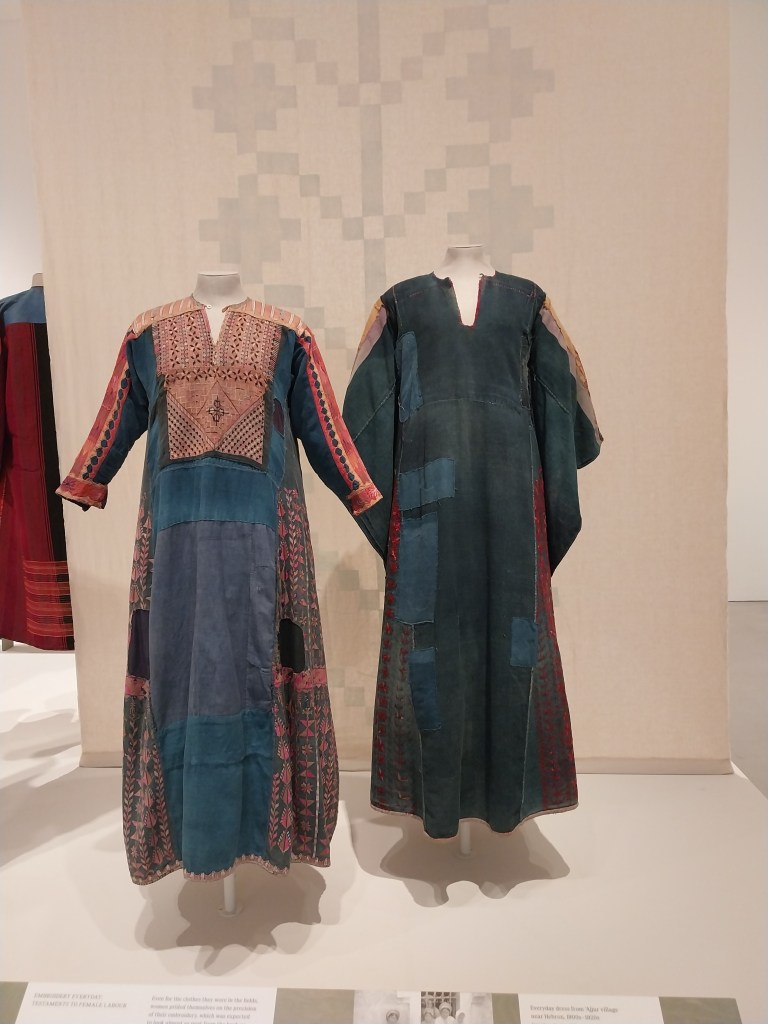
Material Power

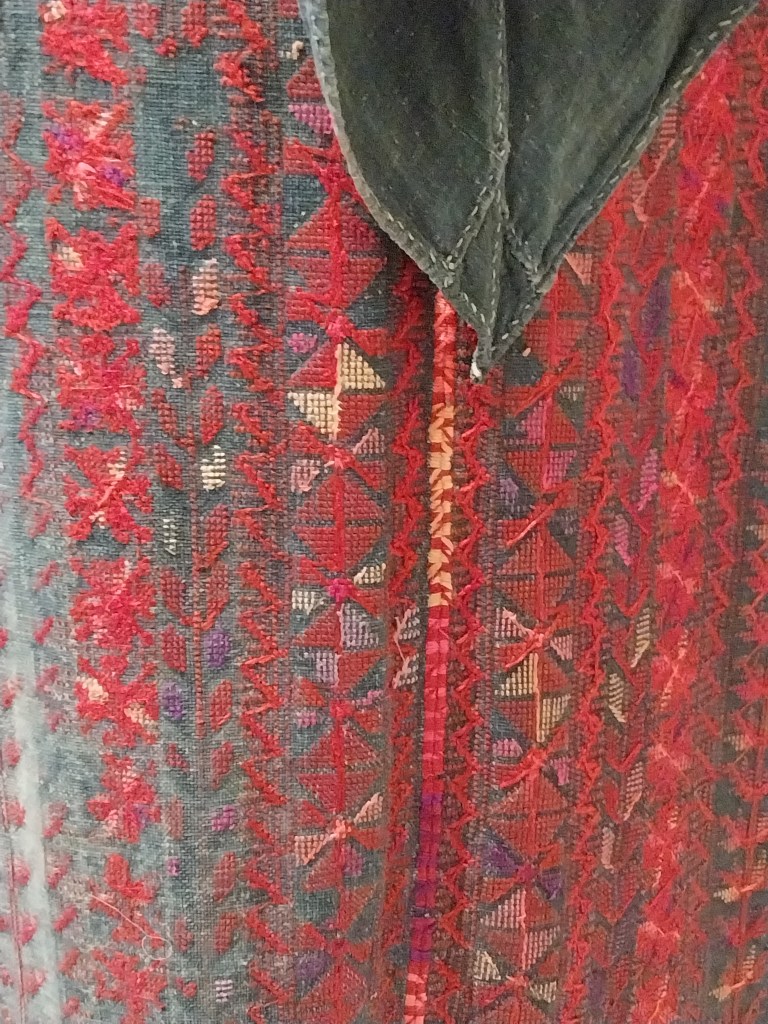
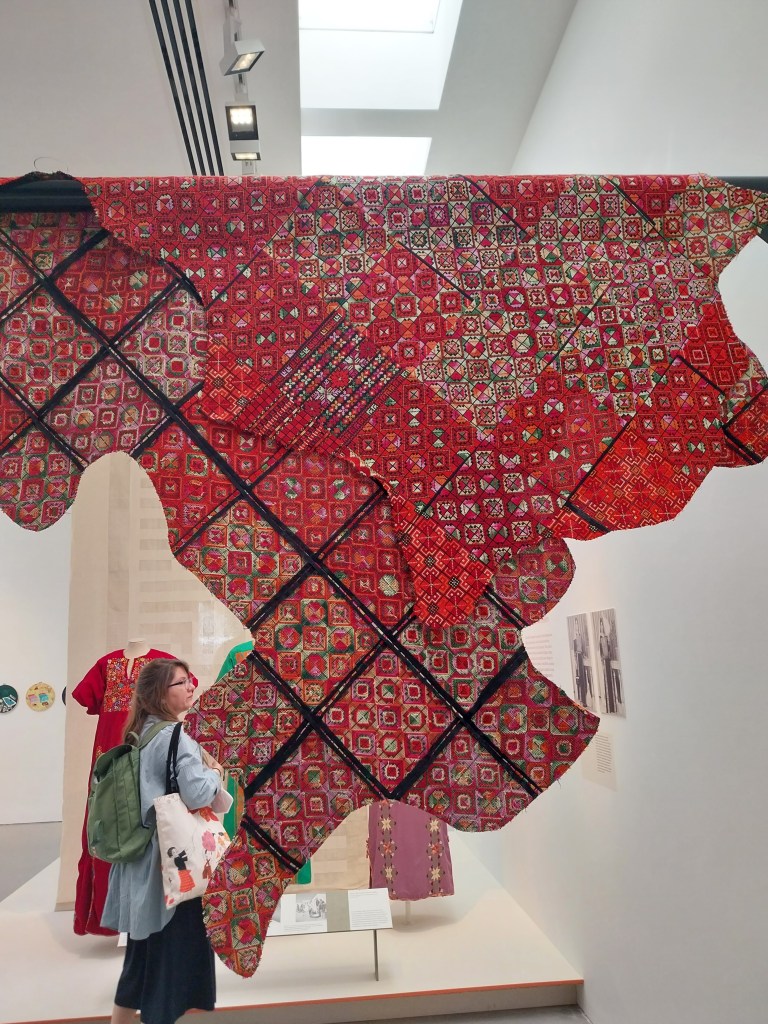
Our slot to visit the house was at 2pm, so we visited the Material Power exhibition first. The show covers both historic and modern dress, and the role of embroidery as a social signifier and a form of protest and resistance. As a cross-stitcher and very basic embroiderer, the amount of work and detail in the gorgeous garments left me speechless (I know!), especially the inside out garment where the back of the work was spectacularly neat. The image of the ’embroidered woman’ in the PLO material was striking. Upstairs was more modern clothing, and we were struck by the foregrounding of Palestinian women’s voices by simply having their video playing out loud, while the curator had to be listened to on headphones. Valentina has Palestinian ancestry, so the exhibition held personal meaning for her.

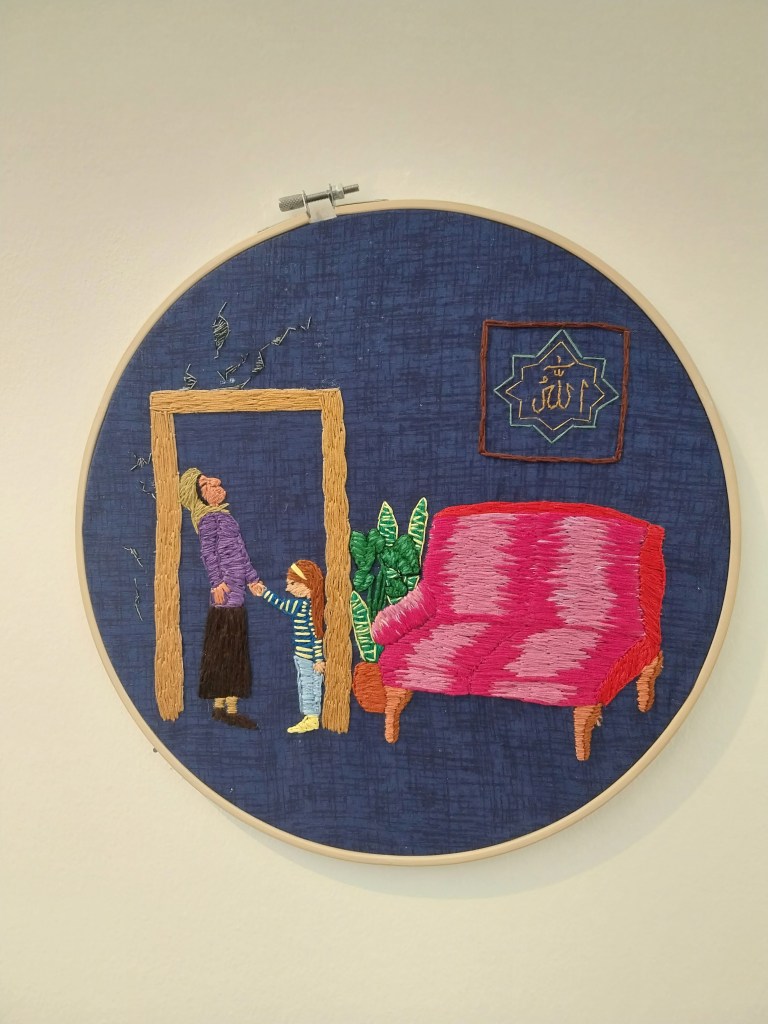
The piece that moved me most was the one above, Aya Haidar’s Safe Space series: a set of six hoop embroideries documenting her mother’s memories of growing up on Lebanon in the Civil War (1975-1990), and the steps people took to stay safe from everyday violence. Saucepan helmets and bullet proof vests, sleeping under beds, piling furniture to protect from flying glass, captured in a ‘domestic’ craft.

Finally we popped up to look at the ‘reflection and response’ space which turned out to be a corner in a corridor. The rest of the exhibition was so well done that I was a bit disappointed by this, though space is obviously an issue. There was a lot to reflect on and this felt like an afterthought.

To the house!

I’d heard of Kettle’s Yard as someone on my MA course was a volunteer there, but didn’t know much about it so had no idea what to expect. I was completely enchanted from the moment we walked in.

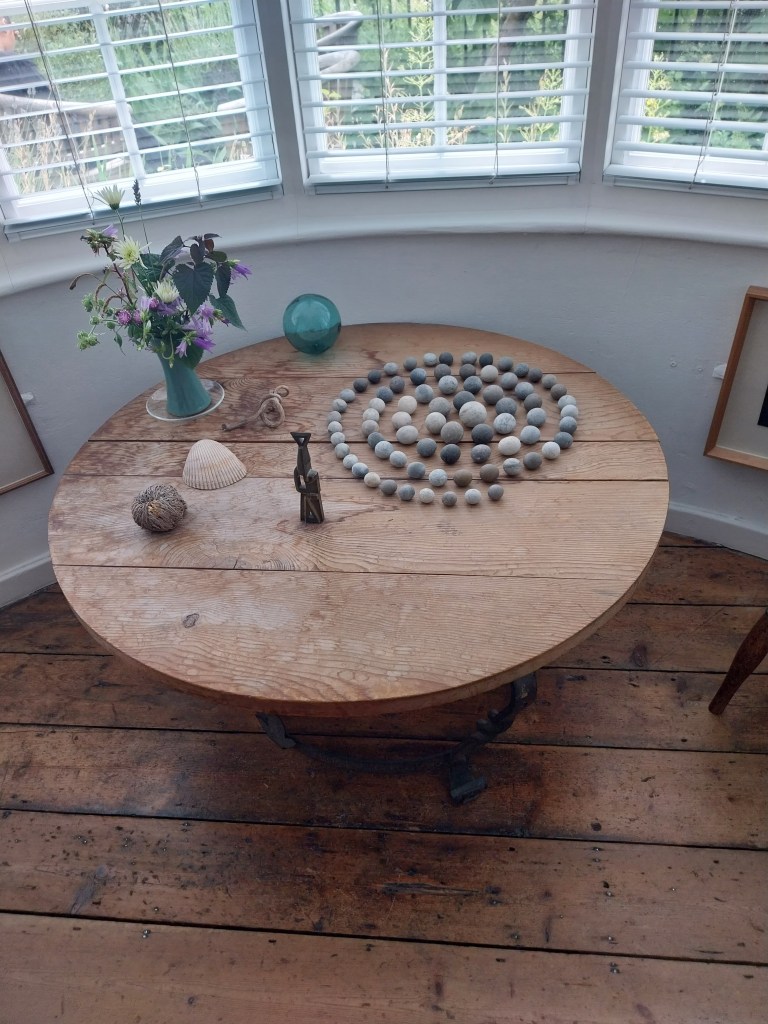
The website says, ‘Kettle’s Yard is the University of Cambridge’s modern and contemporary art gallery. Kettle’s Yard is a beautiful House with a remarkable collection of modern art.’ This does not do it justice. You can take a virtual tour here, but if you’re in Cambridge – perhaps to see the Raymond Briggs Retrospective! – go and visit. It’s magical in the same way that Dennis Severs’s House is: out of time, and with the sense that someone has just left the rooms. Apparently Helen and Jim Ede welcomed visitors and fed them tea and toast, and this spirit of home remains.

When your timeslot arrives you are escorted to the house where you ring a bellpull and are greeted by an incredibly knowledgeable person who clearly loves their role. You can sit in any of the chairs but you can’t touch any of the exhibits, which was frustrating for someone likes me who loves a pebble and a found object.

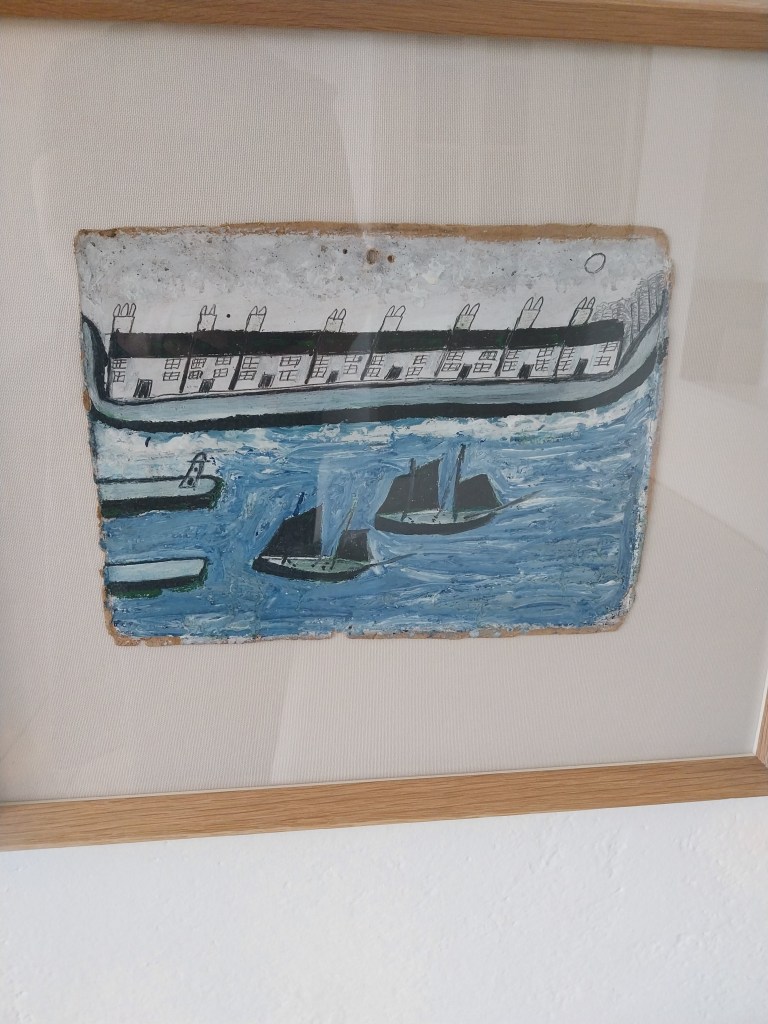
This being me, I gravitated to the packed bookshelves in Helen Ede’s room where I found such old friends as Lucy M. Boston’s Green Knowe stories (set in Huntingdon) and Sellars & Yeatman’s 1066 and All That. I wanted to find a chair and read for a while. The whole house exerts a sense of calm that I usually get from being at the seaside. Many of the paintings that called to me were seascapes, particularly Seascape with Two Boats by Winifred Nicholson where my eye was caught by the small child exploring the rocks and the Alfred Wallis Five Ships, Mount Bay which reminded me of Aberaeron.

I also liked Cornelia Parker’s Verso series – photographs of the reverse of button cards from a museum collection, which highlight the work of the seamstresses who had to mount these buttons.

You can read more about Jim Ede and Kettle’s Yard here and here. If I go missing, you’ll find me tucked in a corner of his house with one of Helen’s books.

Next week will be a crafty update as I have been busy with crochet creatures, cross stitch and a make and share for the new issue of Tauko magazine. Here’s a teaser…

Kirsty x

What I’ve been reading:

Overboard– Sara Paretsky

The Ward Witch – Sarah Painter

Moon Over Soho/Whispers Underground – Ben Aaronovitch (Audible)

Emily Wilde’s Encyclopaedia of Fairies – Heather Fawcett

Desert Star – Michael Connelly

Ye Gods! – Tom Holt

The Good, The Bad and The History – Jodi Taylor

130: return to Derby

On Thursday morning I found myself at St Pancras station at the ludicrously early time of 7am, ready to catch a train to Derby for the GEM Conference 2022. GEM is the Group for Education in Museums and a key source of useful information, jobs in the sector, and occasionally some very bad Friday afternoon jokes (you know who you are!). My lovely colleague Chinami and I were down to present in the graveyard slot on Friday afternoon, when I fully expected there to be about three people left to talk at. Chinami kindly let me do all the talking myself in the end and acted as my cheerleader.

The theme for this year was how museums can think outwards, and there were some amazing presentations from members. Some member presentations that really stood out for us were the Street Museum project from Durham, the Cornwall Museum Partnership’s Culture Card for young people in care and care leavers, how Welsh museums can engage with schools and the new Curriculum for Wales, and Hull Museum and Ferens Art Gallery’s project around expanding relationships with deprived communities. I was also inspired by the workshop I attended on Friday afternoon on making museums more accessible and inclusive with the Yorkshire Accessible Museums Network. We held a minute’s silence for the Queen on Friday morning, acknowledging her patronage over the decades to museums and the arts in general.

It was good to be back in person at a conference, and to see an ex-colleague, to talk about our own museum and to find out about others. Hopefully we’ll be able to go and visit some over the next few months!

Anyway, for once the train was on time and we made it to the utterly wonderful Museum of Making in Derby Silk Mill without reference to a map, thanks to our visit in March with the rest of our team. It’s a lovely walk along a river, past lots of Victorian buildings and geese and, for some reason, some nice bronze sculptures of turtles. I like Derby more every time I see it: the town centre has some amazing old buildings and an enormous number of historic buildings. And a LOT of places of worship. I mean A LOT – even the restaurant where we ate on Thursday night was formerly a chapel. (The restaurant was Annie’s Burger Shack, by the way, where I had the the New York Yankee Brisket burger and Chinami had the Bacon Blues with extra mushrooms.) I even like the baby goths and emos hanging out along the river, listening to the Smiths.

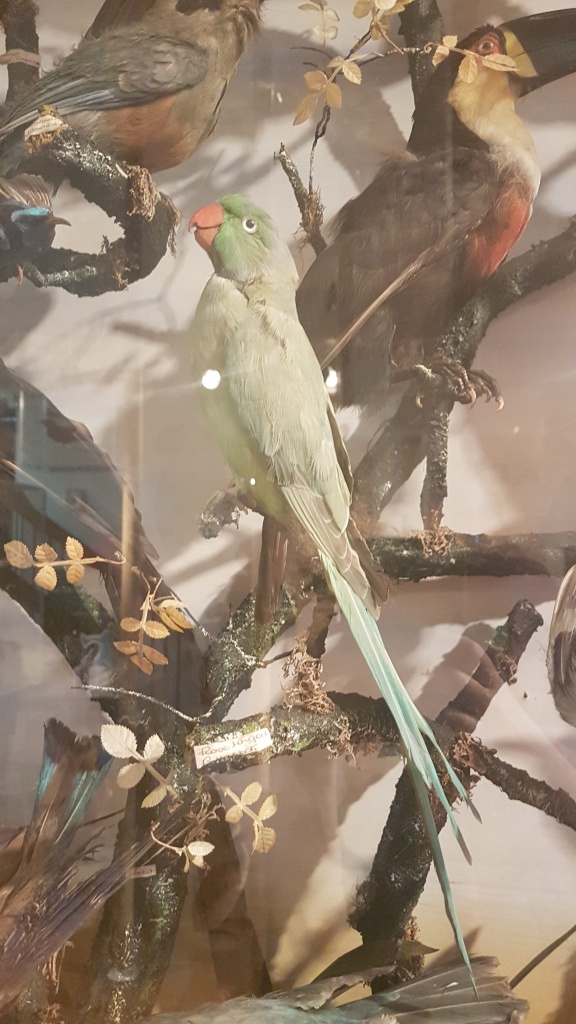
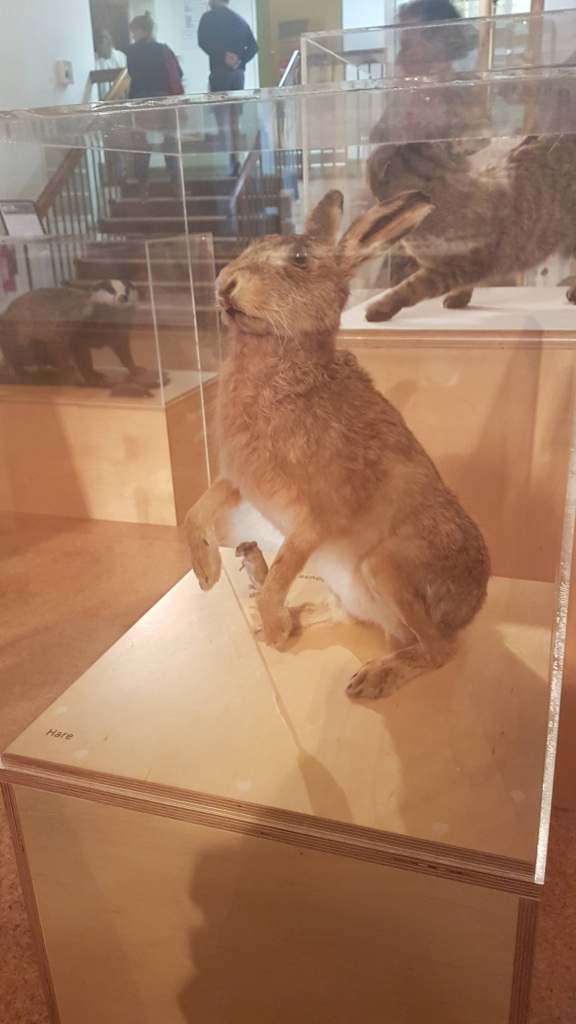
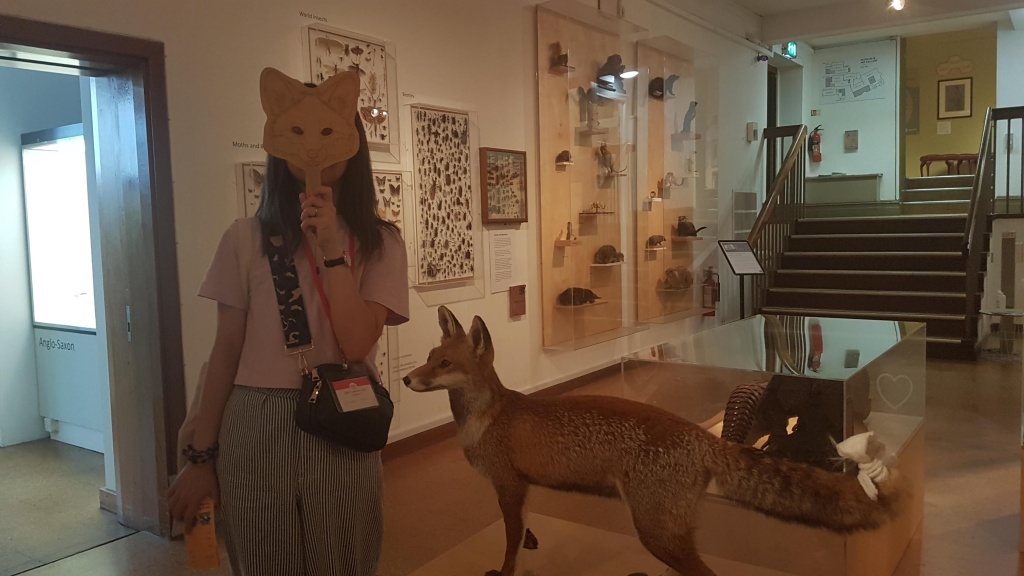
On Thursday afternoon there was time built in for delegates to go and see a range of places, including the Crown Derby factory. We chose to go to the Derby Museum and Art Gallery where we were given a very light touch tour by their head of visitor experience. Derby Museum is one of those wonderful local museums that’s a bit of everything: a natural history gallery that’s been beautifully co-curated and co-created with local families who selected the exhibits and then helped to build the cases in a re-designed space. There had previously been a smaller room, which was much loved by families, so it made sense to involve them in developing the new one. There is a fox by ethical taxidermist Jazmine Miles-Long, which is touchable and at child height, which can be seen in the bandaged tail. There are wooden masks which help you to see in the way an animal does, and the birds are cleverly displayed in a ‘forest’ of wooden trunks. The skeleton of a prehistoric hippo lives in here too, and some wonderfully pickled specimens like an octopus.

We also liked the archaeology gallery and the peek into the atrium above the library. There’s a corridor with a display of busts, which a small child was saying hello to, and a gallery dedicated to local painter Joseph Wright. The museum’s young people’s group had worked on the interpretation in this space, and had created a timeline of his life where they had highlighted his struggles with mental health as well as his successes. I loved the fact that they had called him Joe, and with the number of self-portraits he painted in different costumes he was clearly an early proponent of the selfie!

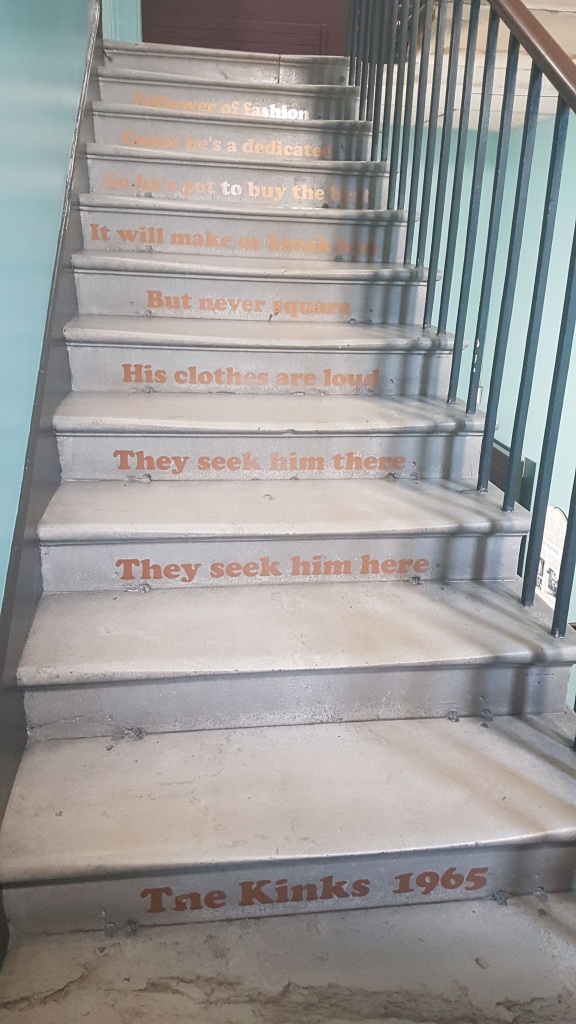
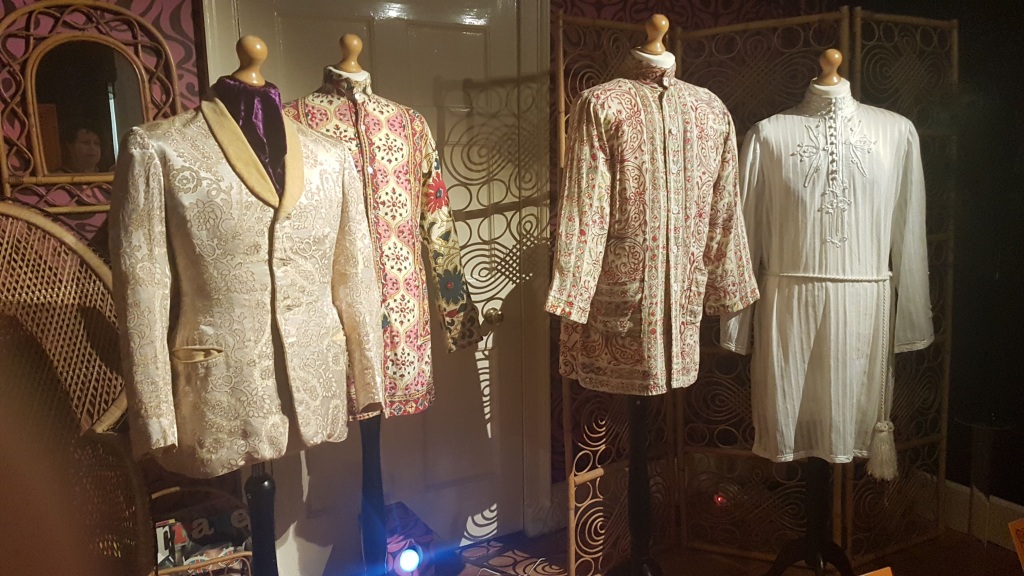
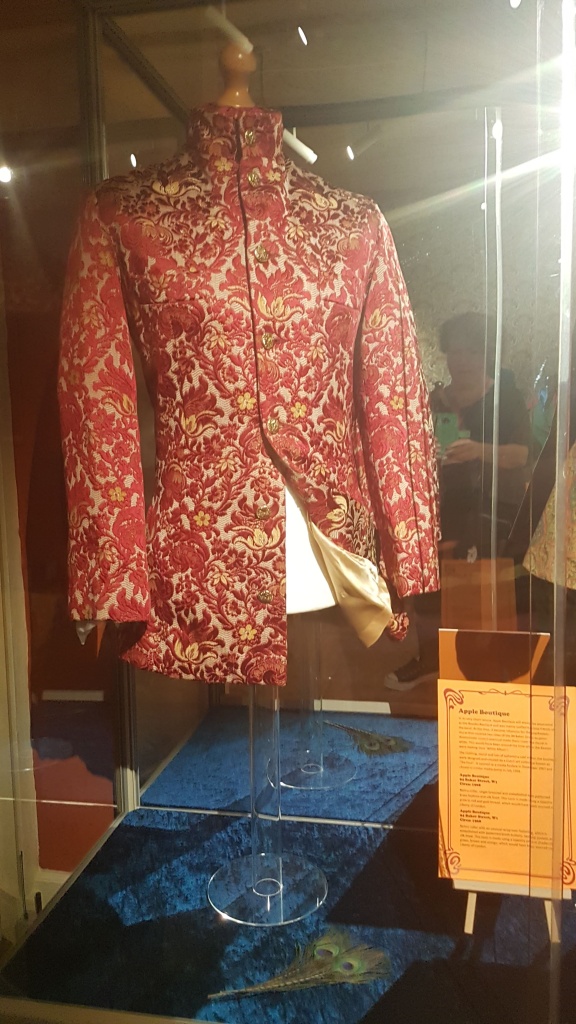
We had time to pop over to Pickford’s House too – a Georgian house museum about three minutes walk away from the Museum. There are four floors, where you can see recreated rooms and – the reason I wanted to go – the Peacock Revolution exhibition about men’s fashion from 1966-1970. This has some gorgeous clothes and a great soundtrack, and I coveted several of the brocade jackets. There;s a new Toy Theatres room too, taking me back to the first exhibition I worked on at Museum of London Docklands.

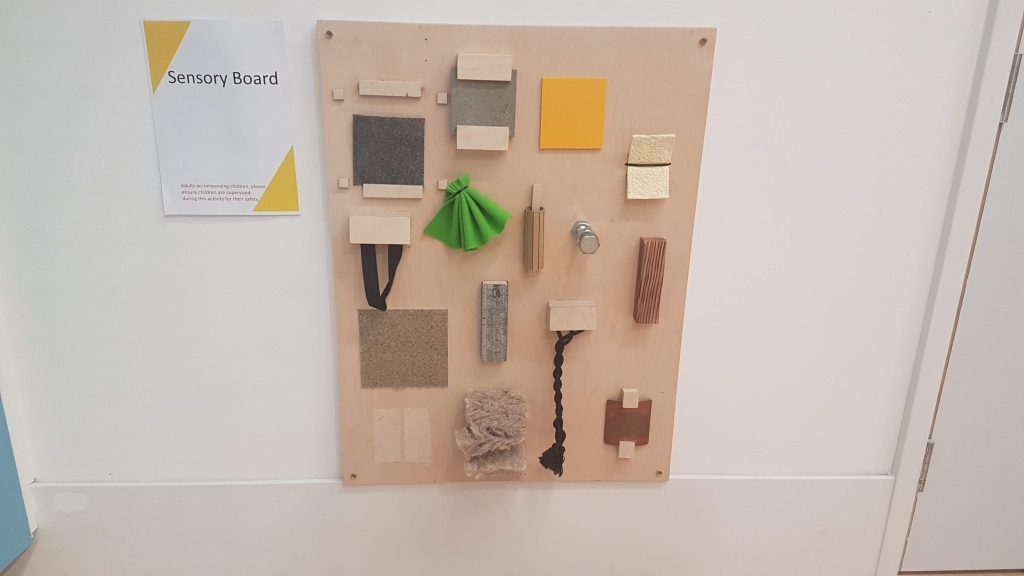
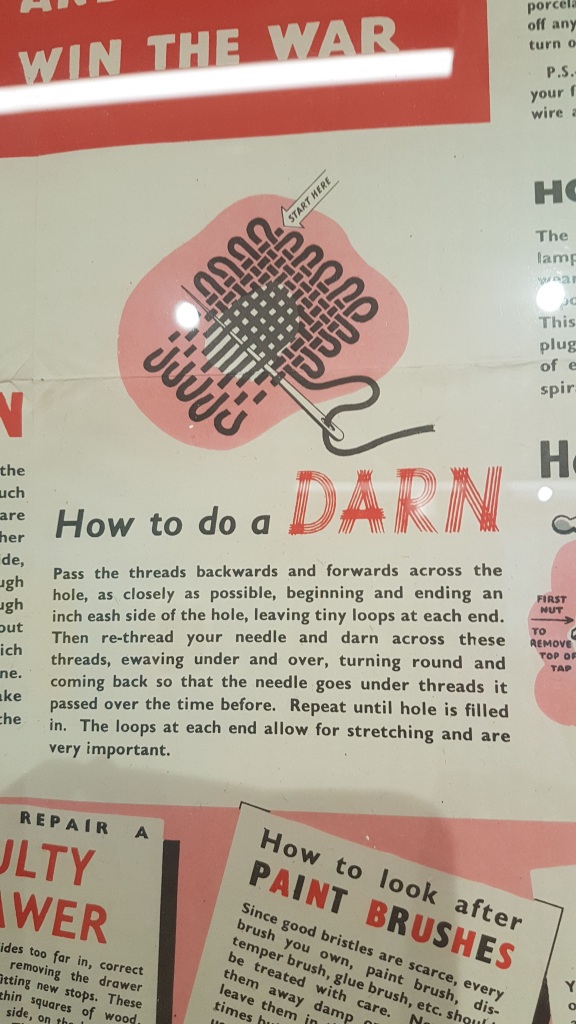
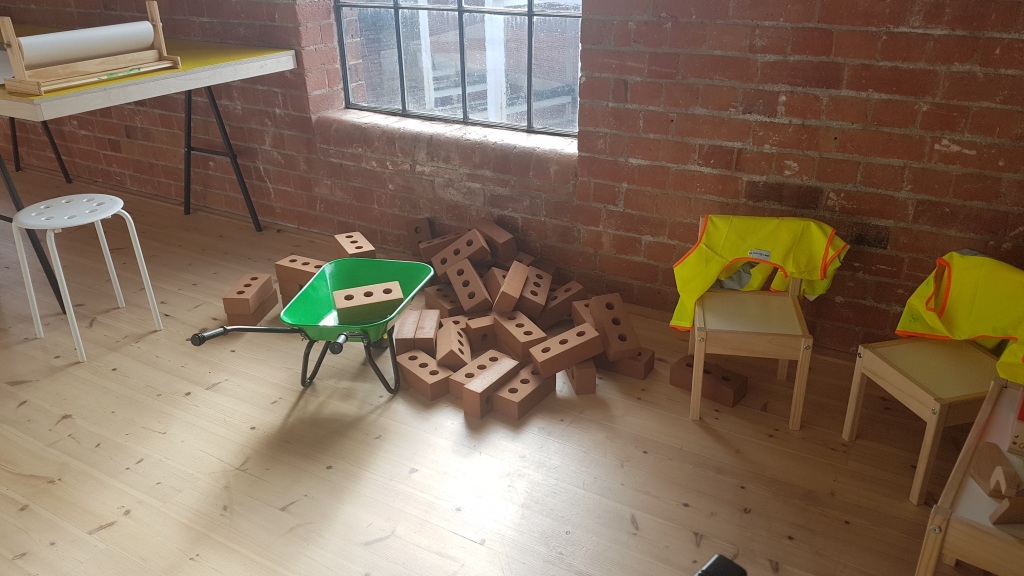
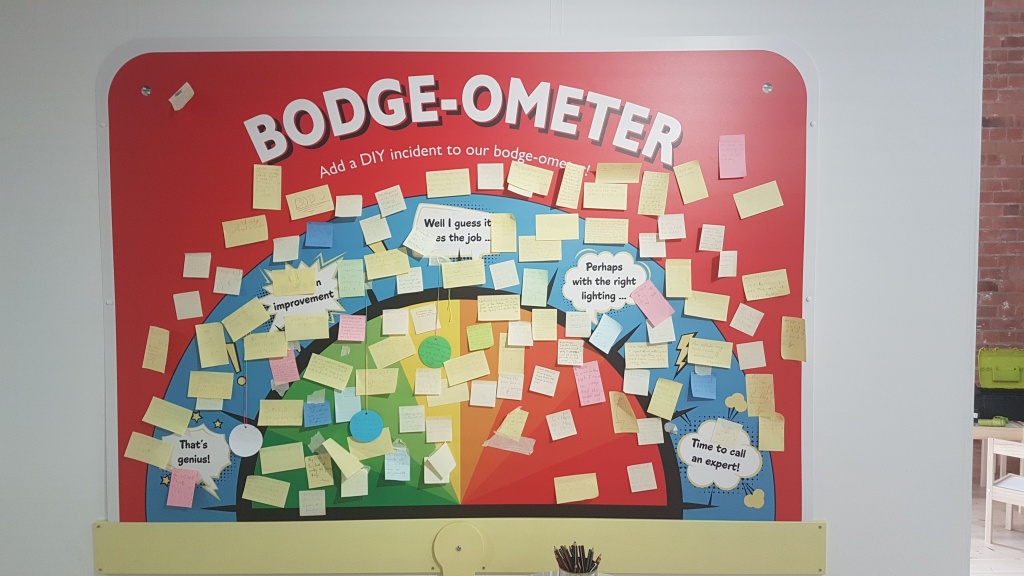
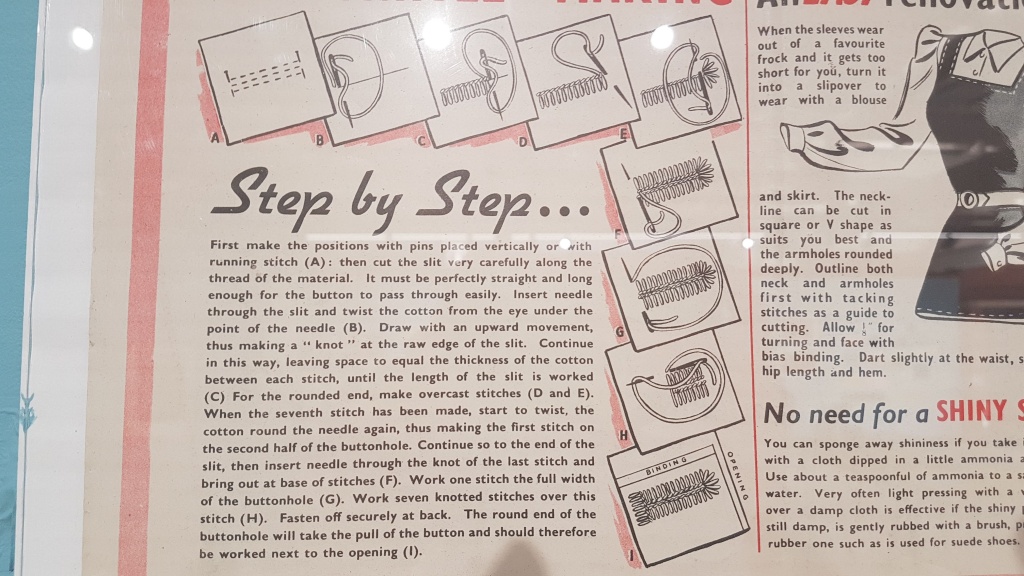
The final exhibition we saw was at the Museum of Making itself, called Do It Yourself? which is in partnership with the BBC’s centenary celebrations. Bright, open and cheerful with lots to do for children, it didn’t take long to go round. We liked their charging model, where your ticket is valid for the length of the run and they also have pay-what-you-think days and a monthly free day. Under 16s are free. The rest of the museum is free and well worth a visit.

But how did your presentation go, I know you are all dying to ask. I was talking about the Young Collective project that I have written about previously and I think it went quite well. Well, no one got up and ran away and they laughed in the right places, so I will take that. One nice chap said afterwards that I had the ‘room in the palm of my hand’ which was very sweet – it was only half full at that point, of course. I was very nervous, having never spoken at a conference before, and I will probably hate the recording when they share it, but I enjoyed writing it and there is a lot of interest in the museum in the sector. The next one is at M-Shed in Bristol in October, which will be the Dress and Textile Specialists 2022 Conference. M-Shed is another of my favourite museums, so I am looking forward to going back there too!

We made it back to Derby station in between thunderstorms (just!), the train was on time and I think the children were pleased to see me…

Other things making me happy this week:

  • an inspiring morning at the Make First symposium at the Crafts Council
  • a visit to the library today
  • 2/3 of the children back at school
  • the prospect of a couple of trips to Wales in October
  • a whole lot of Eddie Izzard albums on Spotify

See you next week!

Kirsty x

What I’ve been reading:

Mr Mercedes/End of Watch – Stephen King

Lies Sleeping – Ben Aaronovitch