278: girls’ night out

On Tuesday Things 1 and 2 got the train into London and we had a grown-up girls’ night out. It’s the first time we’ve done this, and we had a most excellent evening in Islington.

They chose Nando’s for dinner and afterwards we walked up to New River Head where I smushed history into their brains whether they wanted any or not. I showed them the historic graffiti in Myddelton Passage, and Clerkenwell Green, and nice houses in old streets, and then we went to the ballet.

Sadlers Wells had sent an email out with free tickets for Pete Townshend’s Quadrophenia, A Mod Ballet and two colleagues had given it rave reviews after seeing it the previous week. I’ve never been to a ballet before, and neither have the girls, so we weren’t sure what to expect. We were in the stalls, so we had a good view (give or take a few tall people) and the girls were absolutely rapt from the first moment. To be fair, so was I. It was magical.

The set was minimal and whizzed on and off the stage in a surprisingly elegant fashion. The costumes by Paul Smith were sharp and the music – by Townshend’s wife Rachel Fuller – echoed The Who’s originals. The set was enhanced by gorgeous, atmospheric projections – condensation on diner windows, the sea at Brighton, dramatic city scenes. It’s a long time since I’ve seen the film but the story of Jimmy came through strongly. We did the evening properly, with a programme and ice creams in the interval, and I think the girls enjoyed the whole experience.

Thing 2 turned to me at the interval and said, ‘Mum, this is SO GOOD!’ and Thing 1 told me she LOVED it. High praise indeed. The length of the voice messages T2 was leaving for her friends afterwards was a dead giveaway, too, and I think they’d like to go again. I know I do! It was SO GOOD and I LOVED not just the ballet but a night out with my beautiful girls.

It’s been a very educational week all round, really. I’ve had two days in schools testing the new STEM x local history session. Chris, Toni and SJ have done four days – with Chris in Victorian kit as ‘Charles’ and Toni and SJ in hard hat and hi vis as ‘Emma’, our modern day engineer. We’ve been in classrooms and playgrounds, worked with 240 kids and and generally had an excellent time. It’s been so much fun watching the sessions develop – adding in new interactive sections and tweaking others. It’s definitely better in a large area like a playground or hall, especially when the 30 small people are being used to demonstrate the workings of a pump with three umbrellas and a lot of masking tape. I interviewed some of the kids at the end of one session and the message was that they loved the activeness and all the props, wanted the rest of the school to join in, and requested that we brought a person from the future in as well so they could compare that too. I promised I’d see what I could do…

The format we’re using – someone appearing from the past to compare and contrast similar projects with a modern engineer – is one that Chris and I have used successfully in the past at Museum of London Docklands when our modern engineer encountered Isambard Kingdom Brunel. On that occasion we compared the Thames Tunnel and the Thames Tideway project, and used the children to model the Greathead Shield and how to dig into sand safely. One of our more challenging hosts spoke to me afterwards and said ‘well, I get that Brunel was an actor, but how did you get a real engineer to come and do this?’. I took that as a win, and one teacher said that it was the best session they’d ever been to.

This time round we’re including illustrations – and bringing them to life with the pump activity – such as ‘Monster Soup’, No Fishing and No Swimming signs (communication without language), and a portrait of Hugh Myddelton and his excellent beard. There’s also umbrellas, ping pong balls, lengths of piping, beads, buckets, pinwheels and high vis jackets. There’s the story of the king falling into the frozen New River, Charles Dickens complaining that he pays for a large cistern but never has enough water for a bath, and – Chris, we missed one! The complaints from the people in Pall Mall when they found live eels in their pipes! We’re testing with some older children next week – I wonder whether they’ll ask such good questions?

Other things making me happy this week

  • A crochet project I can’t show you yet as it’s a surprise
  • A much-needed evening swim with Sue – the water was 26.4 and balmy, the ducks were flipping up and down feeding in the weeds and the little shoals of fish were zooming about in the shallows
  • Ice lollies.
  • Cally Fest last Sunday – it rained and it shined, we saw almost 300 people and a lot of cute dogs. This weekend its Whitecross Street Party, and we have a great activity planned. I’ve given strict instructions to the team to slather on the Factor 50 as it’s going to be HOT.
  • An excellent conversation with the black cab driver today about the New River – he grew up on Amwell Street and now lives in Enfield and runs along the New River Path every day.
  • Whitecross Street Party!

This week we have the second of our community access panel meetings, and I’m really looking forward to next weekend… and a couple of days off after 12 straights days of work.

Kirsty x

What I’ve been reading:

Blood Lines/Blood Pact/Blood Debt – Tanya Huff

Amongst Our Weapons/False Value – Ben Aaronovitch (Audible)

The Wild Life – John Lewis-Stempel
270: how does your garden grow?

This week’s adventure was to Myddelton House and Gardens in Enfield, which was the home of – among others – a chap called E A Bowles. It’s now the HQ of the Lee Valley Regional Park Authority and has been recently restored with the help of those nice people at the National Lottery Heritage Fund. I was shown around by the head gardener and we made some early plans for linking up with other organisations along the route of the New River.

E A Bowles was, apparently, never supposed to have owned the house: in the way of younger brothers at the time, he was destined to have been a vicar but his older brother died early so he ended up inheriting instead. By all accounts he seems to have been one of more useful members of the gentry, setting up night classes for local youngsters and giving them practical skills, hosting village events on the lawns, acting as a lay preacher and forming a local cricket team. Many of the ‘Bowles Boys’ went on to great things.

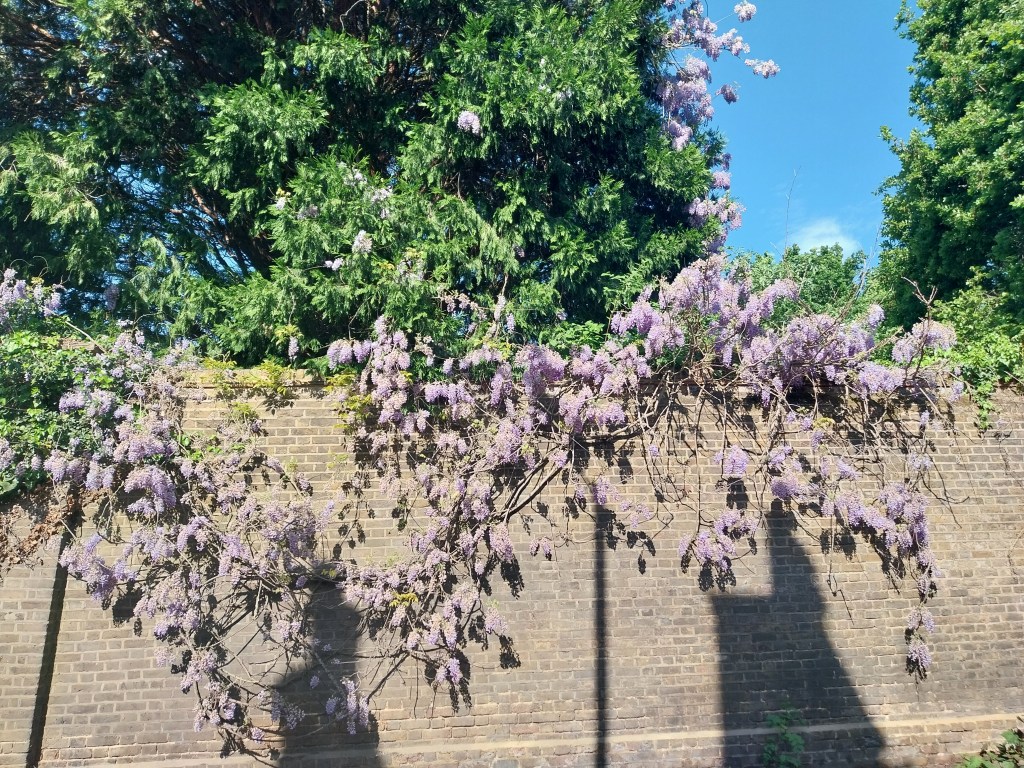
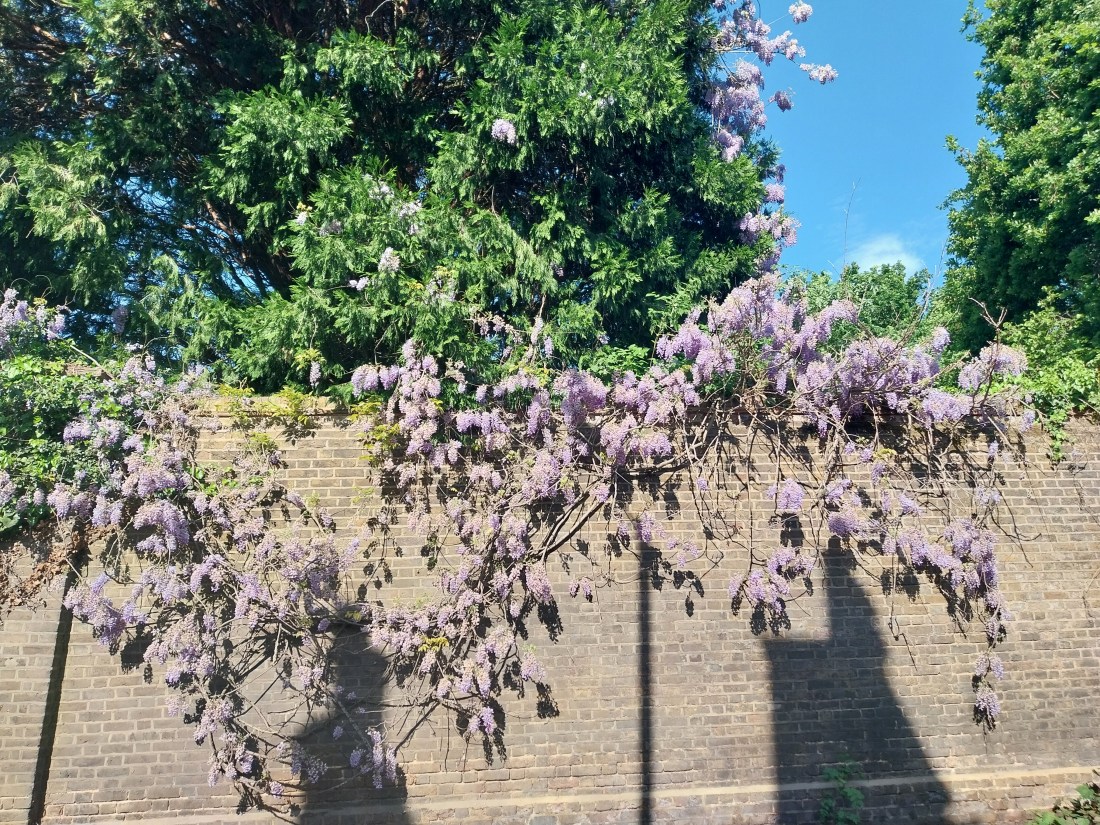
He was happiest in his garden, however, and it still shows. A crocus expert whose illustrations are held by the Royal Horticultural Society, he filled the garden with plants he loved rather than decorative borders. The ‘Lunatic Asylum’ area contains oddities – he was the first to propagate twisted hazel in the UK – while the walls and trees are draped with glorious swags of purple wisteria.

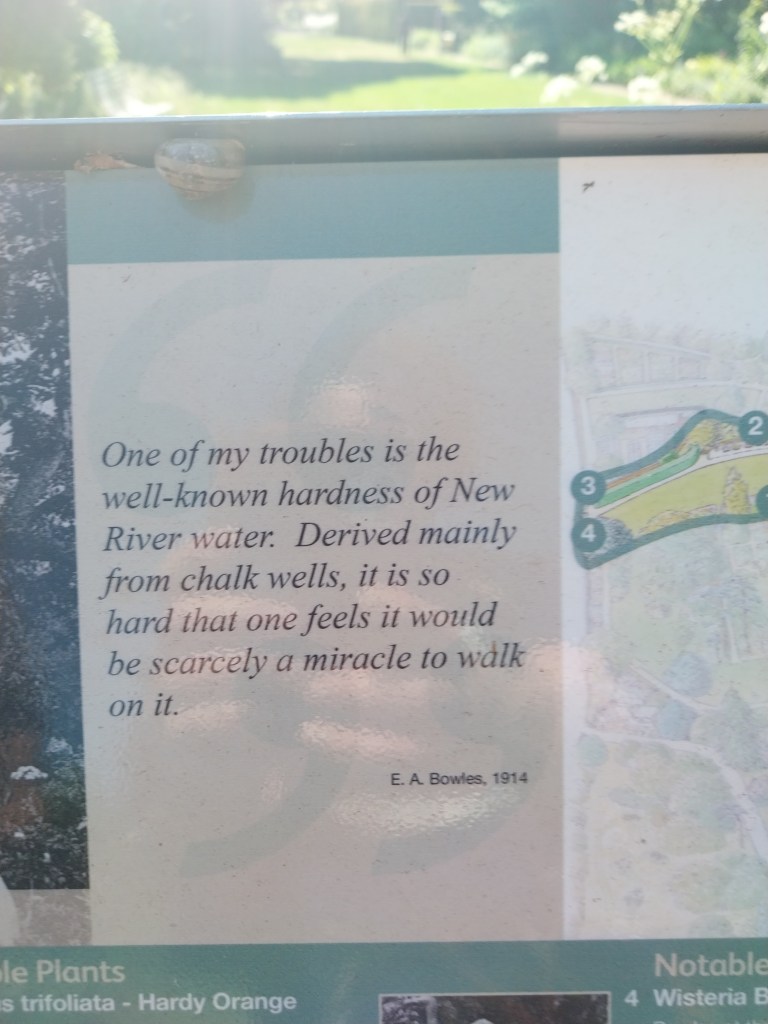
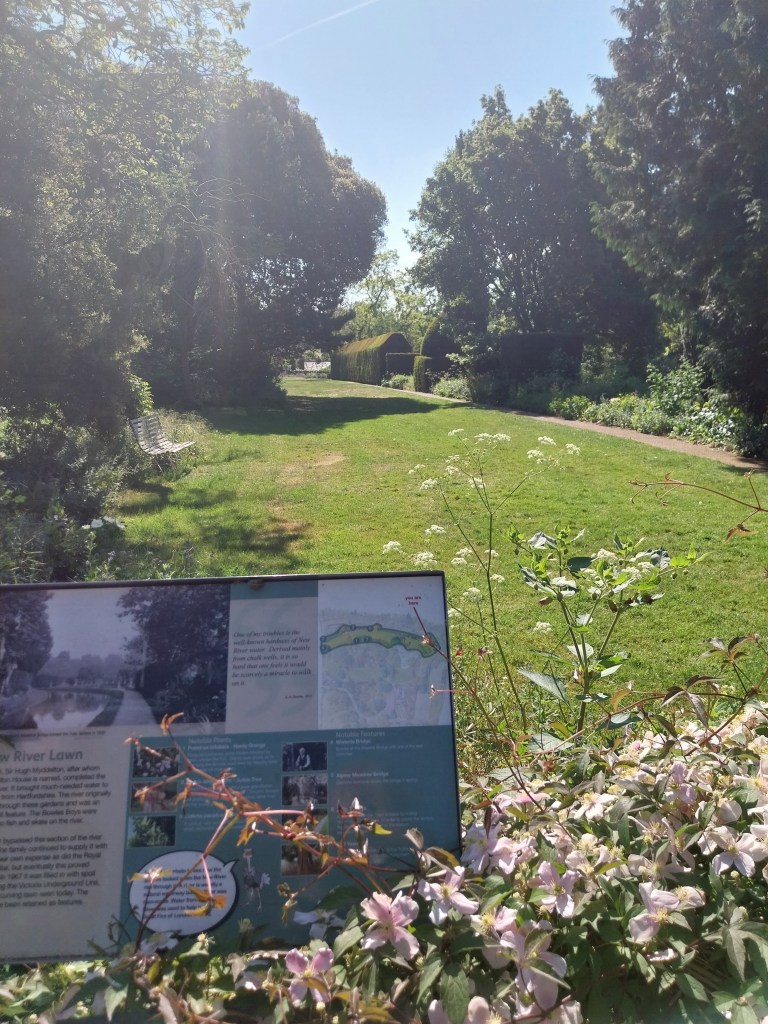
The New River (that again, sorry) used to flow through the gardens but he wasn’t allowed to plant anything in it, so instead he bordered it with irises which reflected into the waters and dug a large pond where he could plant anything he liked. The river’s course was straightened in the 19th century and a lawn now reflects the old route. The water was so hard Bowles was surprised he couldn’t walk on it: the result of the chalk aquifer and streams that fed it.

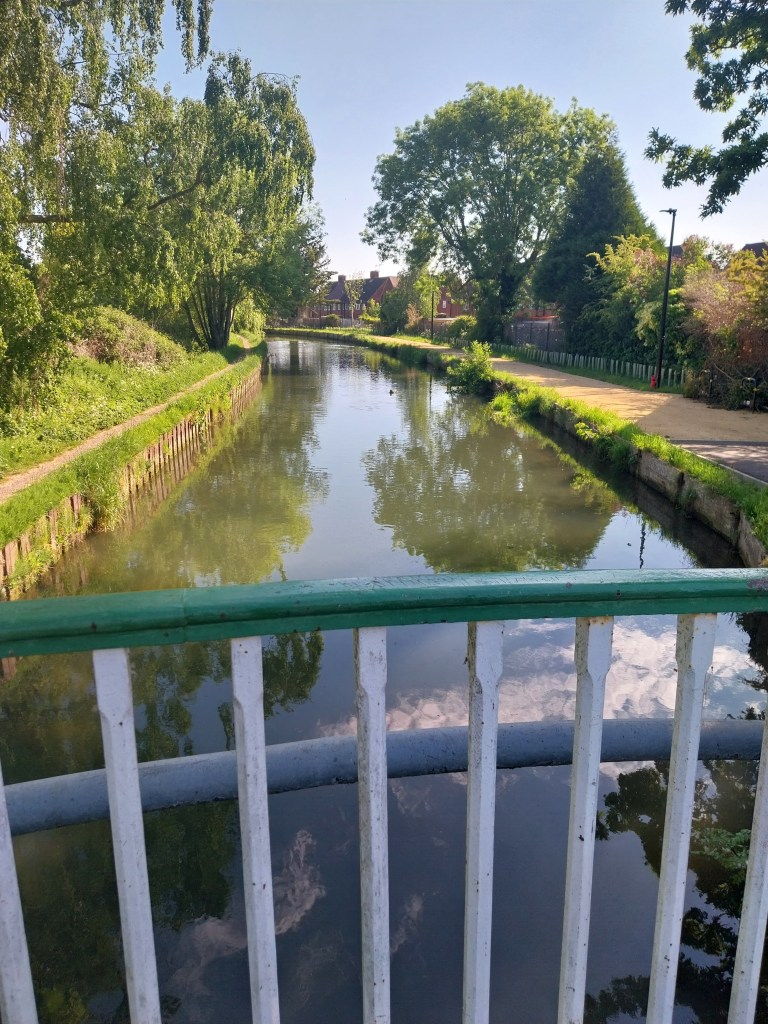
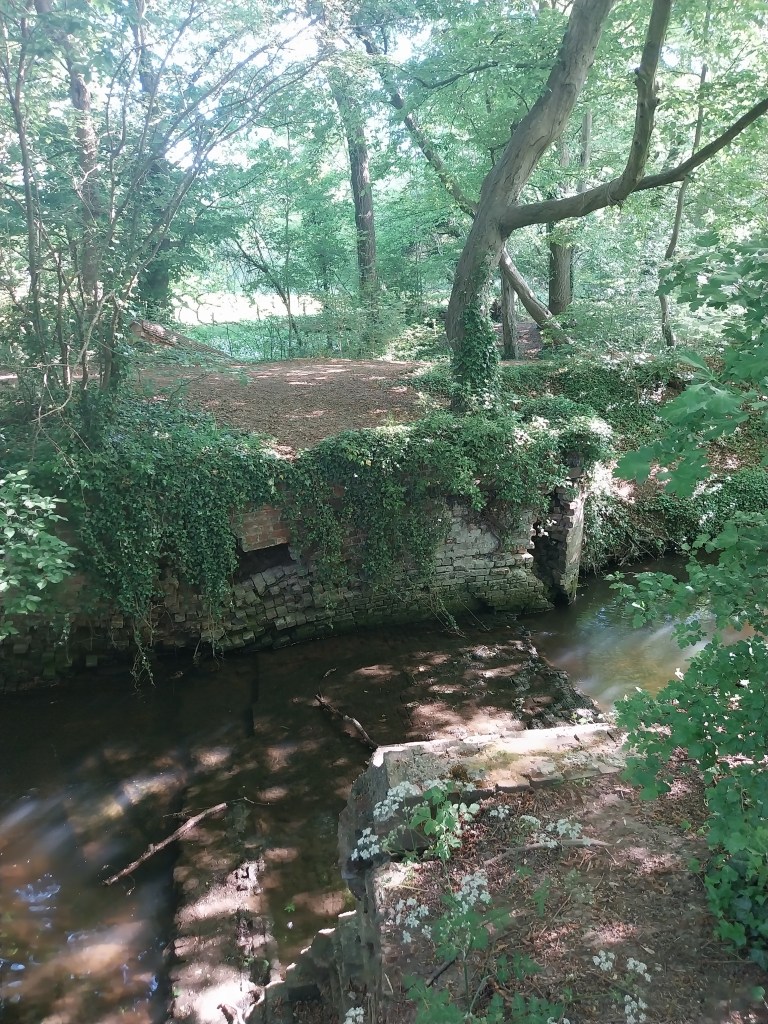
A leak from the river fed the Rock Garden, his most loved area. I was told that he used to bury empty bottles upright in the leak (or possibly leat, I don’t know) to capture the water and use it to water the gardens so none was wasted. The route from the main road crosses the New River although the river path is closed for works, but I did get to stand and look into the surprisingly fast flowing waters.

Attached to the main house is a gorgeous conservatory-full of succulents, and there are further glasshouses in the kitchen garden with peaches and more succulents. We’re going back in half term, hopefully, for a longer explore. Scattered about the garden are stone pieces – the old Enfield Market Cross (I also saw the Eleanor Cross in Waltham Cross on the way home), parts of the old London Bridge, and two tall wire ostriches who replaced original stone ones which now live in the little Bowles Museum by the tea room.

With free entry from 10-5 every day (earlier in winter) this is well worth a visit, and you could also take in Forty Hall and farm which is virtually next door. There’s some lovely footpaths and parkland to explore, and a monthly farmers’ market. Gunpowder Mills isn’t too far in between Waltham Cross and Waltham Abbey, but if you’re jonesing for more gardens Capel Manor is also very close.

Other things making me happy this week:

  • Seeing my sea creatures in the British Library’s new Story Explorers family exhibition. Our director and I were invited, so we explored outer space and the jungle. Running into ex-Young V&A colleagues was a bonus, as was a quick catch-up with storyteller Emily Grazebrook who worked with families to co-design the exhibition. If you have small people, go and visit – it’s free but you will need to book
  • Forest ramble to loosen up my legs before today’s half marathon in the Goring Gap. Glad the weather has cooled a bit!
  • New haircut thanks to lovely Jasmine at Salon 35
  • Thing 2 being very calm about the first week of her GCSEs. There’s been a lot of baking in the afternoons though!
  • The first tiny alpine strawberries in the garden

Right, if anyone needs me I’ll be tackling my walking nemesis….

Kirsty x

What I’ve been reading:

The Good, the Bad and the Furry/21st Century Yokel – Tom Cox (Audible)

The Running Hare – John Lewis-Stempel
The Darkest Evening – Ann Cleeves

Clete – James Lee Burke

Demon’s Bluff – Kim Harrison

Cahokia Jazz – Francis Spufford (Dad – you’ll enjoy this one!)

269: a trip back in time to 1693

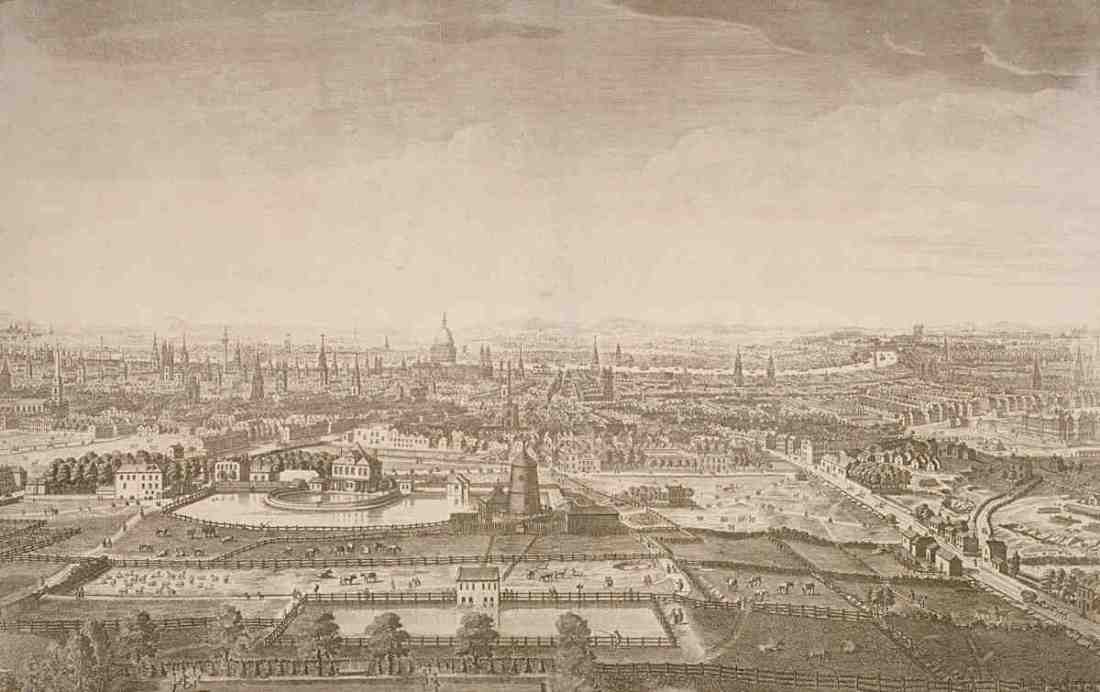
I love secret bits of London and this week the work gang got to see the fabulous Oak Room at New River Head. Not the bit of New River Head that we’re turning into a brand new gallery and gardens, but the bit that’s currently a very grand set of flats on Rosebery Avenue. The header image this week is ‘London from Islington Hill, by Thomas Bowles, c. 1740. New River Head, centre-left, Upper Pond in foreground’. This is from British History Online.

The New River (its compulsory to say at this point that it’s not new and it’s not a river) was finished in 1613 and brought clean water from springs in Hertfordshire to Islington, and from there it was distributed to the City and later to further afield in London via elm pipes. The New River Company was one of the earliest – if not the earliest – joint stock companies, headed by a Welsh goldsmith/engineer/all-round clever chap called Hugh Myddelton. His brother became Lord Mayor of London (the Dick Whittington sort rather than the Sadiq Khan sort) on the very day that the New River was officially opened with lots of pomp and ceremony. There are several excellent books about it, including The Mercenary River by Nick Higham which is well worth a read. Even the King was a shareholder, putting up half the money to build the river in return for half the profits – which also worked to convince the local landowners to let HM dig a river across their lands. The river followed the 100ft contour, so gravity brought it down to London, with a five inch drop over every mile. You can find some pictures of the route here.

The river originally finished at the Round Pond, where the flats are now, and the Water House was where the offices were. The Oak Room was commissioned by the company engineer in 1693, and it was a mark of how important it was that the portrait of King William III that decorates the ceiling was done by the official court painter. The ceiling is covered in plasterwork showing some very fierce dolphins looking like Chinese dragons, swans and other waterbirds, scenes from along the New River, and is incredibly detailed. The dolphins reminded me of this figure we had in the ‘A Pirate’s Life for Me’ exhibition at Museum of Childhood.

It’s called the Oak Room, though, because of the oak carvings – probably done by Grinling Gibbons or at least his workshop. There’s an unusual unicorn in the coat of arms with a most excellently pointy horn, for example, and the carvings around the fireplace include a very cute crab, crayfish, fishing nets and other watery equipment, plants and various fish. Oak is apparently very hard to carve, and the intricate work here is quite stunning. We were lucky enough to be shown around by an expert on the history of the river, who also came to our offices to give us a talk a couple of weeks ago. In its original position in the Water House the room gave a view of St Paul’s Cathedral and the City, but has been turned around in its new home where it was installed in 1920. The head of the Metropolitan Water Board used it as a dining room, apparently, and had a special chair made from the boarding of the Round Pond when it was decommissioned. Now you can see our Engine House from it, complete with scaffolding where our construction team are busy bringing it back to life.

The block of flats itself is very grand, and the entrance includes the seals of all the water companies which were folded into the MWB in 1904. The seal of the New River Company has the hand of Providence over London and the motto ‘and I caused it to rain upon one city’, which made a change from everyone else’s gods and greenery. The ground floor has a huge open space where people used to come and pay their water bills – it looks more like a ballroom – and the carved MWB seal is still over the front door. Parts of the pond revetment can still be seen too.

Our next visit is to the London Museum of Water and Steam in a couple of weeks – can you detect a theme? I’m also going to visit Myddelton House and Gardens on the route of the New River. Lots of history incoming, London fans….

Other things making me happy this week

  • Dropping the first batch of sea creatures off at the British Library, including my very psychedelic crab. Needle felting all the faces was very therapeutic.
  • A long walk last Sunday rambling along the river Roding, seeing hares again and a whole lot of ducklings
  • All the Threads about President Barbie of the new country of Mattel. Apparently Crayola are drawing up the trade agreements. See also: Puppet Regime

Today is long walk day with only a week to go till the Goring Gap half marathon….must remember to hydrate and fuel properly to face my nemesis!

Kirsty x

What I’ve been reading:

Harbour Street/The Moth Catcher/The Seagull – Ann Cleeves

Interesting Times – Terry Pratchett (Audible)

The Good, The Bad and The Furry – Tom Cox (Audible)

Demon’s Bluff – Kim Harrison

117: once upon a time

A long time ago when the world was young, a girl moved to a new city and fell, most unexpectedly, in love. Not with a person, as you might expect, but with the place. There were a few ill-judged flings along the way, but we all make mistakes.

This was not the plan. I had a perfectly good plan, which was to get a few years teaching experience under my belt in the Smoke and then move back to Wales. I had a term’s supply teaching in a school in Newham, so I’d found a flat in Forest Gate only a few streets away from where my grandparents had lived when they were first married. My parents drove me to London with all my worldly possessions, and as we headed further and further round the M25 my dad got very a bit grumpy and decided to come off a couple of junctions too early which led us down through the admittedly terrifying streets of Edmonton and Tottenham. He was not happy. It was not a civilised bit of London, compared to where London sister was living in leafy Ealing.

Eventually we made it to the right bit of London, which – being on the edge of Wanstead Flats – was at least much leafier and my flat was lovely. Each day I would hop on a bus down Green Street to the enormous school I was working in, travelling past shops full of glorious sari fabrics, vegetables I’d never even heard of before, Caribbean takeaways, Indian sweet shops, the West Ham stadium, noisy markets, multiple languages in my ears and people everywhere. It was chaotic and colourful and completely new to me.

I next lived in Plaistow, near an African church full of chattering families in bright wax print outfits; then Kersti and I moved to Whitechapel. Whitechapel was noisy and scary at times: if the wind was in the right direction we’d be woken up by the muezzin calling the local Muslims to prayer at the East London Mosque and the walk from the station in the dark was not pleasant. The kitchen tiles were held on by blu-tack, the heaters were broken downstairs and the radiators upstairs were rusting away, we had the worst letting agents in the world but the balcony looked out over a disused Jewish cemetery which was spooky and atmospheric and magical. The walk through Bethnal Green to our favourite pub took us through every sort of housing: post-war flats, streets of ‘Improved Industrial Dwellings’ built around the same time as the museum, shabbier (but gentrifying) Georgian streets, past a listed Brutalist block which was being turned into luxury flats that none of the previous council tenants could ever have afforded, an early tower block, past workers’ dwellings and Peabody Buildings. I wrote a tour of the area a couple of years back, taking in a circle around the museum and exploring the phases of social building and philanthropy over the past century or so.

I worked in Wapping, surrounded by evidence of the past in the shape of warehouse buildings, Execution Dock, historic pubs, cobbled streets and peeks through tall buildings to the river. Three years working in Chelsea at the National Army Museum showed me another part of London which was much shinier and elegant, but I never fell in love with it the way I had with the East End.

Holding forth on the Limehouse Cut

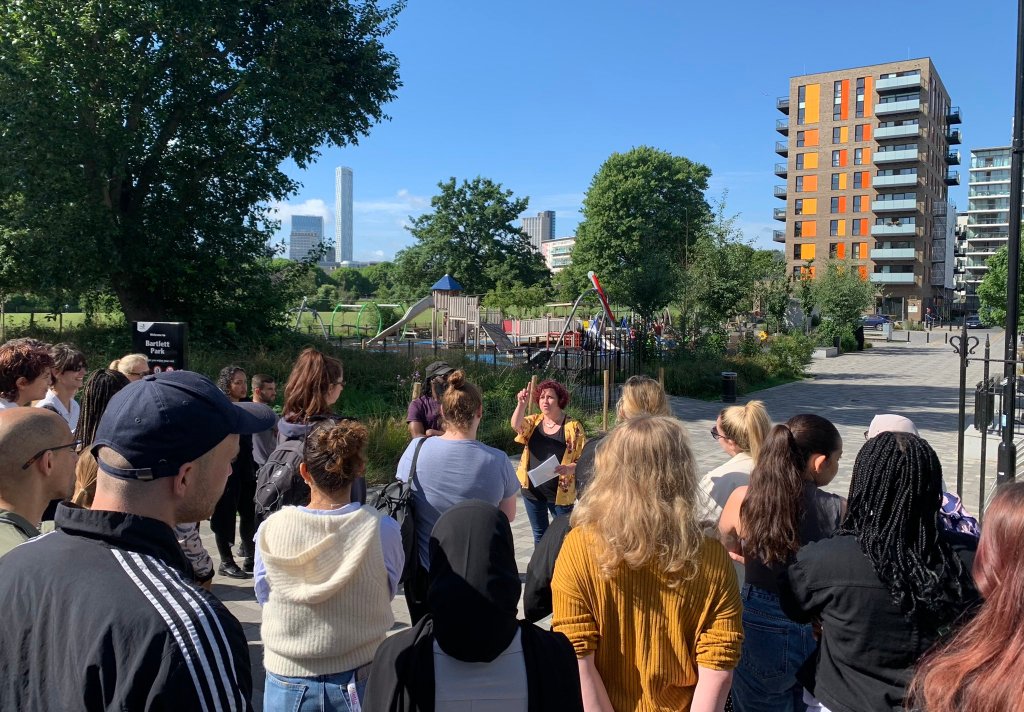
By the time I moved across to work at the Museum of London Docklands in 2005, there was no hope. I immersed myself in the history of the East End (and got paid for it!). My specialist subject was migration and diversity, even writing a unit for the London Curriculum on the subject. The move to my current role means I don’t have a much of an excuse for social history any more, so this week I jumped at the chance to deliver a training session for our local teaching alliance on local history and using museums. Over an hour and a half we took in London’s oldest stretch of canal, a lost river, a school which was bombed the the First World War, London’s original Chinatown, a Hawksmoor church, a couple of old pubs, wharves, the beginnings of the Transatlantic Slave Trade, the East India Company, Ian McKellen’s pub and Canary Wharf before a visit to the museum. Luckily the sun stayed out for us, and it was great to see the trainees again – they’d all just got their PGCE results, and many were looking forward to starting their first teaching jobs in September. ITT has always been one of my favourite bits of working in museums, as they’re my visitors of the future. I’m looking forward to next year already!

Making me happy this week:

  • working at the Digital Accountancy Show at the Tottenham Hotspurs Stadium for We are FTW. This year I got to be the voice of god and make all the announcements. I will also never run out of socks again.
  • The usual Sunday swim with J followed by the apres-swim hot choc and a bacon roll
  • Getting excellent feedback on the first part of my current course
  • Lunch with M, R and E with added babies
  • Saturday dog walks followed by coffee and enormous croissants
DAS 2022. Birds-eye view from the 4th floor, home to the NFL suite. Really I was scoping out the free notebooks.

This week I’m back in ‘proper’ work mode as we count down to the museum’s 150th birthday in a fortnight. I can tell you the history of it if you want!

Kirsty x

What I’ve been reading:

Villager – Tom Cox

Attack and Decay – Andrew Cartmel

The Vows of Silence – Susan Hill

111: Uphill all the way

Yesterday I fulfilled a long held ambition and went on one of Paul Talling’s guided walks through London, specifically the route of the River Fleet from Blackfriars to St Pancras Old Church. I’ve been a fan of his photos since the very first Derelict London days, when I stumbled across them while researching something completely different, and in 2012 he kindly allowed me to use some of his pre-regeneration photos of the Olympic Park to support a school session I was running at the Museum of London Docklands. When my friend messaged me the other day to say she had a spare ticket for the Fleet walk and would I like to come, there was only one possible answer. As one of my longest-standing friends (37 years!), ex-flatmate in our mis-spent London years and graduate of the Durham Arms school of Sunday drinking, the chance for a catch-up post-lockdown was unmissable too. (Kerst – you know that I’d have said yes even without the walk!)

I never planned to stay in London for more than a few years and certainly never expected to fall in love with it and all its history, but there we are. I have actually done the Fleet walk before, self-guided and in the other direction as part of a partnership with the Hampstead Heath education team: we used Paul Talling’s book and this one to guide us and completed the walk over two days. The first section, from the source just below Kenwood on Hampstead Heath through to St Pancras, was on a gloriously sunny day in early summer. The second part, a few weeks later, was in such torrential rain (in June!) that at the end of the walk we actually had to go to H&M and buy new clothes as everything we were wearing was soaked through. Still, the downpour at least meant that we could see as well as hear the Fleet through the drain on Ray Street in Clerkenwell. Yesterday was hot and sunny and perfect for a lazy ramble through the streets of London.

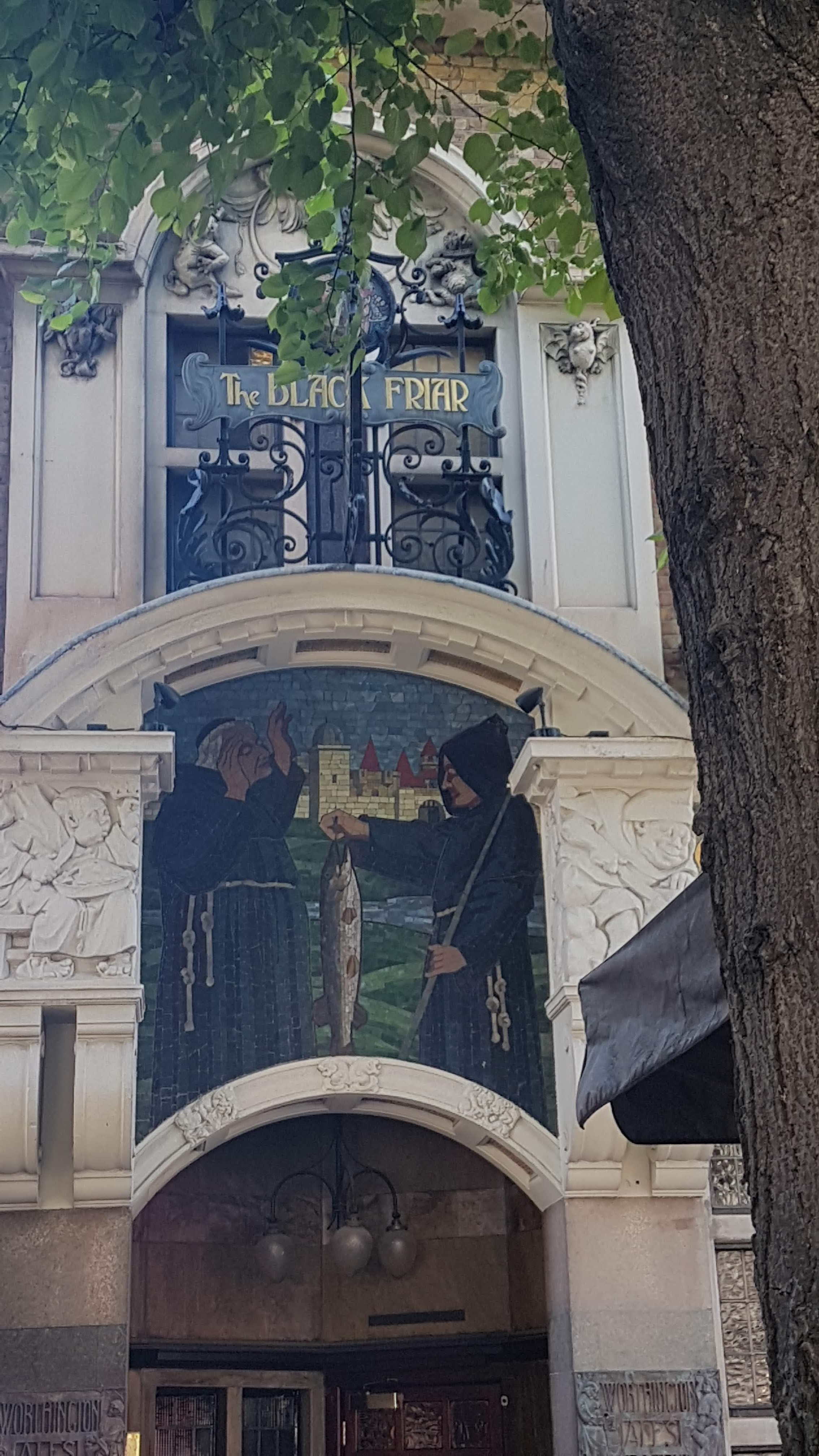
Blackfriars station, where we had arranged to meet, is on both sides of the river as well as across the middle, and it’s the only one of the big mainline termini I have never caught a train from. Eventually we worked out that if we both went on Blackfriars Bridge we’d be bound to cross paths, so having managed that we headed for coffee and a catch-up before the walk. The start point for the walk was the very beautiful Blackfriar pub, which has been recently restored and the frontage positively glowed in the sunshine.

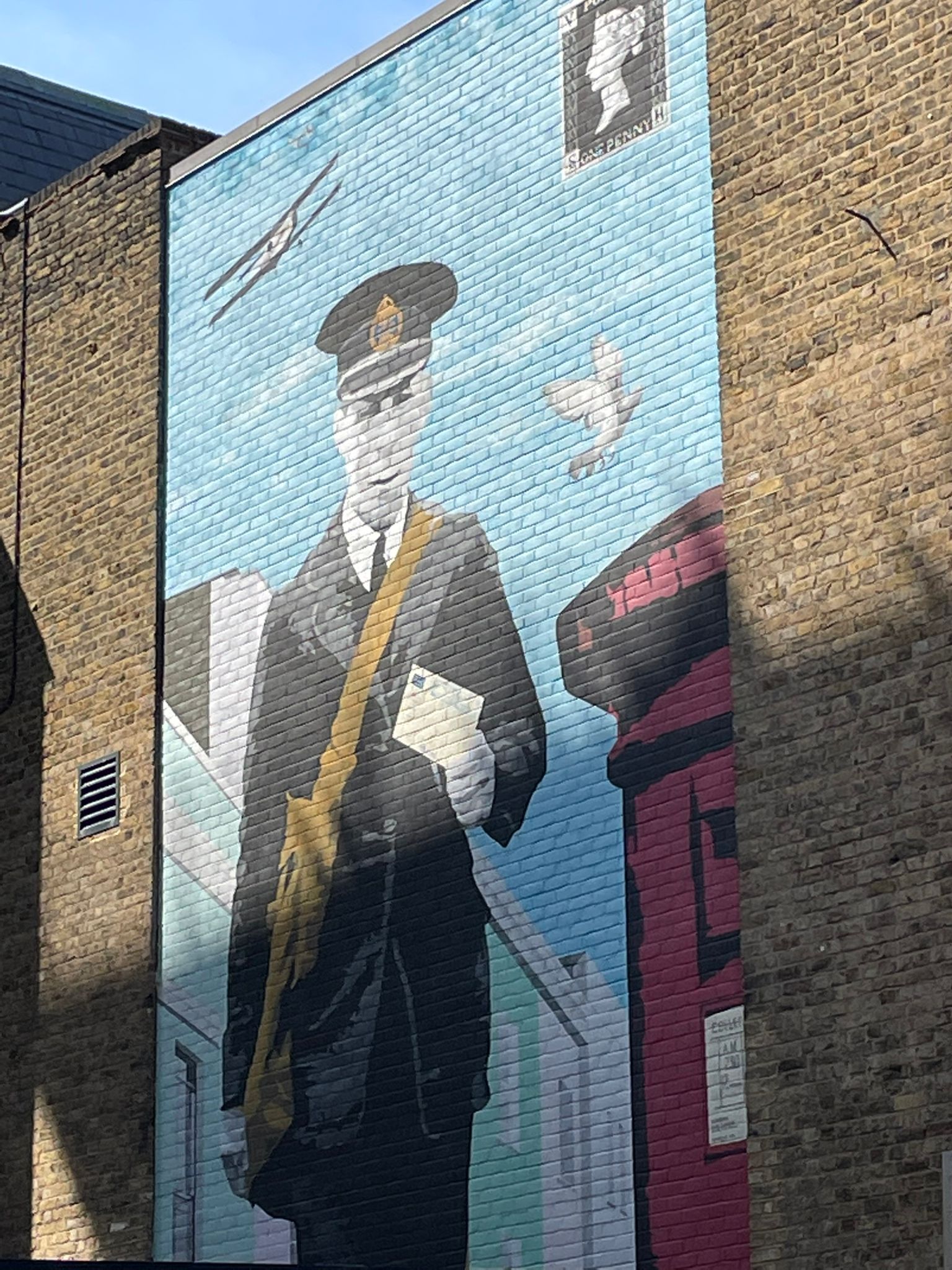
I won’t go into too much detail about the content of the walk, except to say that Talling’s background as a gig promoter as well as his knowledge of London and its past meant we were treated to a whole lot of side anecdotes about various bands, pubs and local areas. The route took in what’s left of the Bridewell prison, a horde of Millwall fans with a lot of police keeping an eye on them, Smithfield Market (eventually to be the site of the new Museum of London) and Mount Pleasant where the Mail Rail originally started before finishing at St Pancras Old Church and the Hardy Tree. It was only about three miles but took four hours, and we felt we had earned the Nando’s lunch afterwards! We used to go to Nando’s back when we lived in Bethnal Green in the late 90s, so it felt like a good way to end our day. Sunny Saturdays in London always bring out the ill-advised fashion choices – the chap in the turquoise satin tracksuit carrying the bottle of Hooch really was a blast from the past. Here, mate, the 90s called and they want their outfit back!

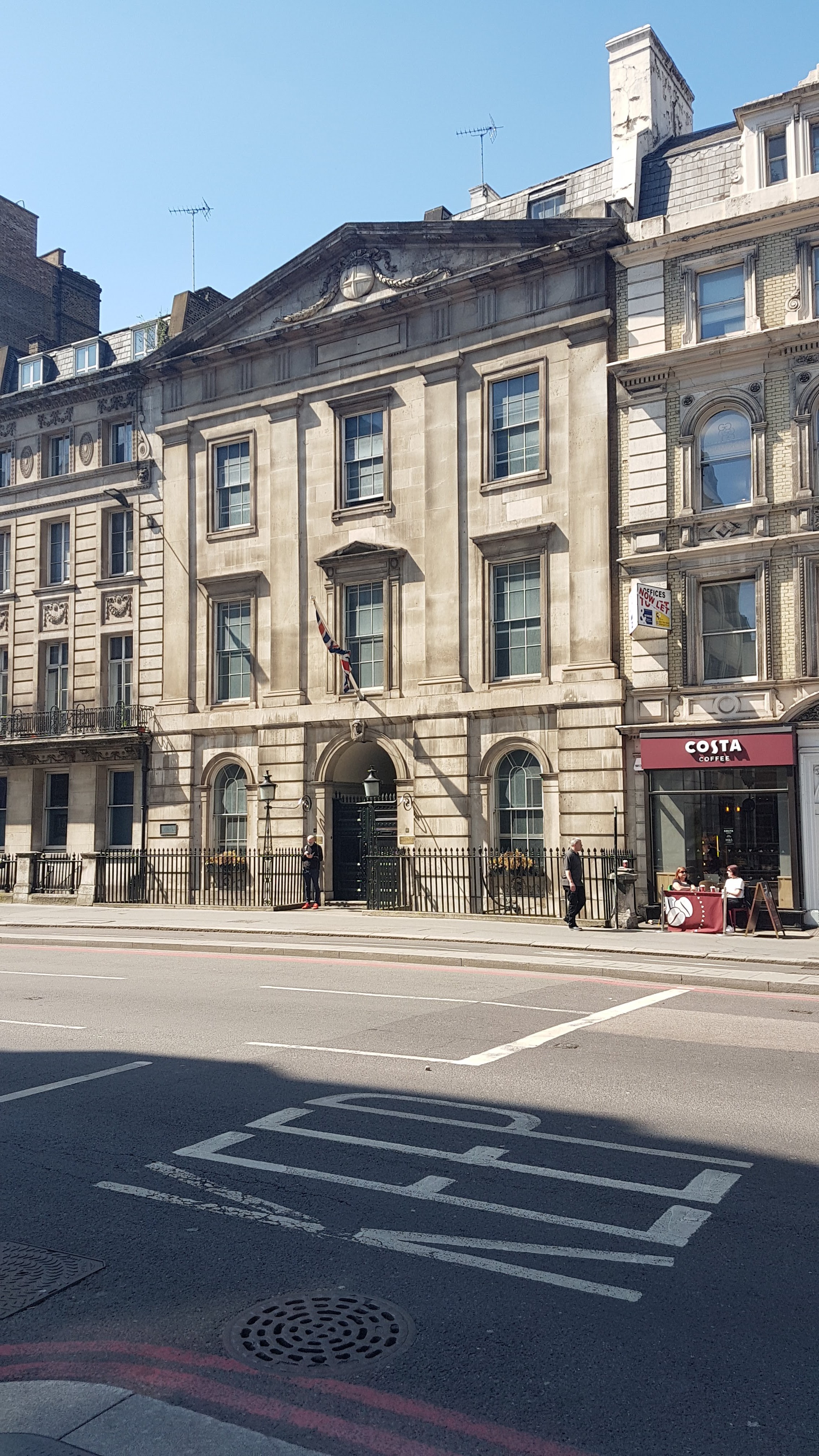
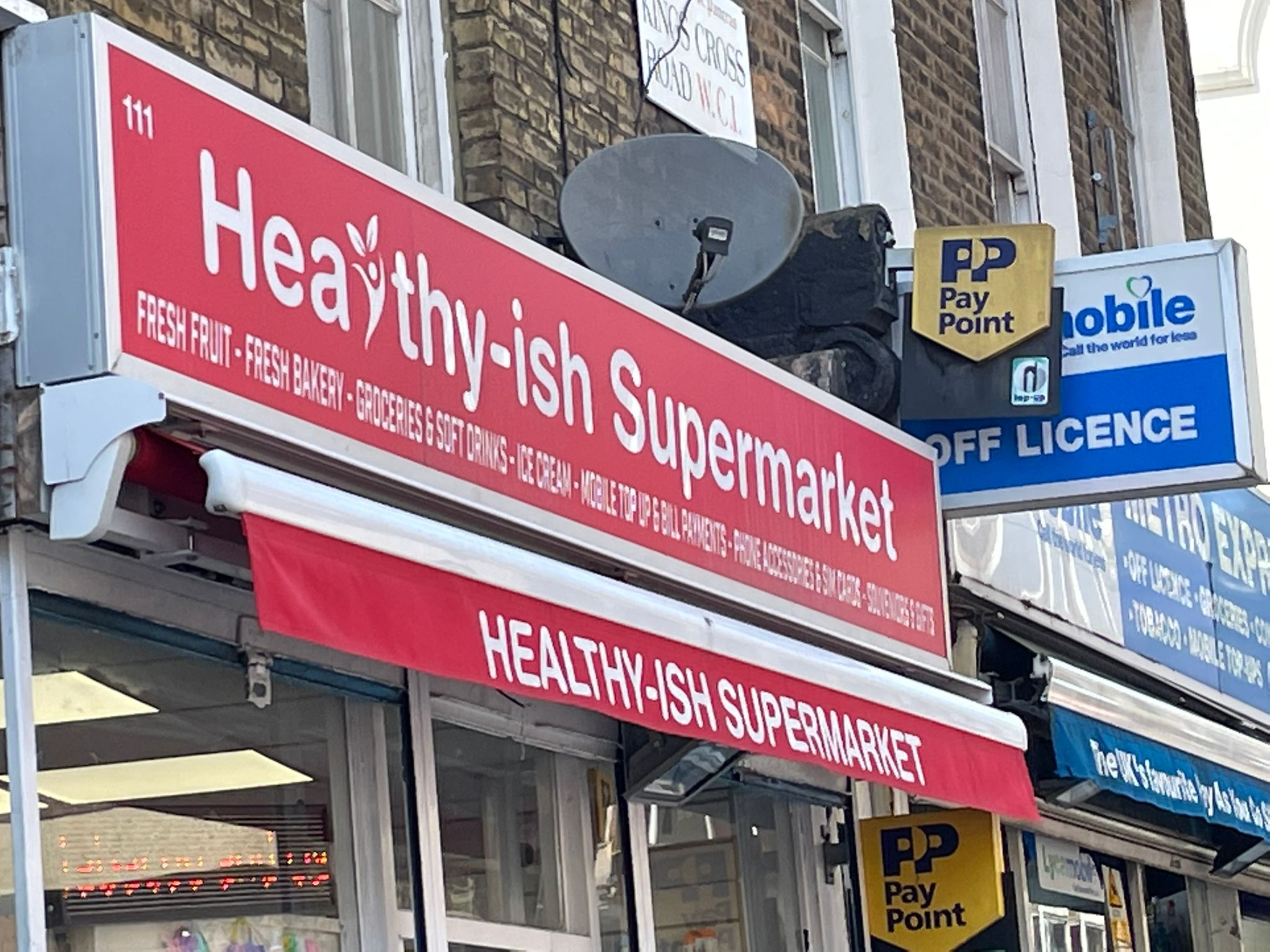
Here are some of the photos Kersti and I took over the day. We’ll definitely be doing more of these, and perhaps some self-guided ones as well through our old haunts!

Other highlights of the week:

  • New haircut (short!)
  • Finally coming to the end of the D&D campaign with an epic battle
  • Meeting up with the fab Really Big Pants Theatre Company again
  • Hearing Miss Jacqui speak at a networking event at Rich Mix
  • Finishing the dragon scale shawl I have been working on
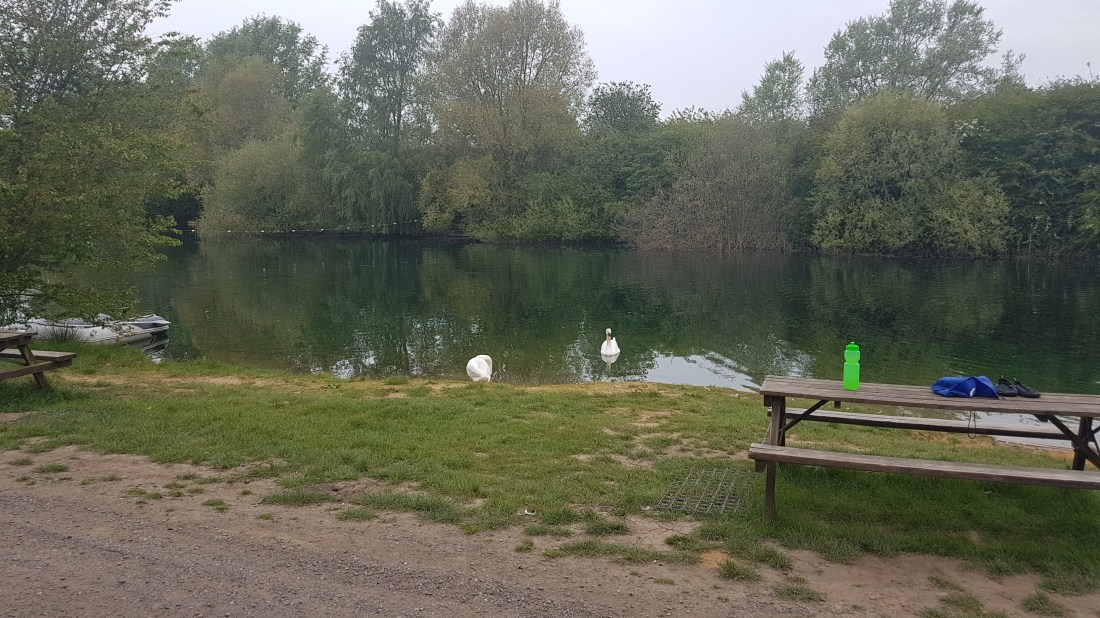
  • Lovely swim this morning with the swans

So that’s that! Same time next week, gang!

Kirsty x

What I’ve been reading:

The Old Success – Martha Grimes

Win – Harlan Coben

All the Colours of Darkness – Peter Robinson