
This week we were finally able to share the opening date for Young V&A – it’s been a long time coming, and there’s still lots to do before we open the doors, but as of 1 July we will be back! Back!! BACK!!! as Smash Hits magazine used to say (a long time ago, obviously). All the things I’ve rambled on about on here – blue blocks, shoes, creativity etc – will all start to make sense.
It’s all very exciting but also quite daunting: I know that the sessions we have planned for the new school programme are interesting, and I know that the galleries are dynamic and interesting and aimed carefully at the different age groups (but still with content for everybody), but WHAT IF NO ONE COMES? We all know that schools are suffering at the moment from teacher strikes (which I fully support), from delivering a pay rise and associated pension/NI contributions unfunded by a spiteful government, from lack of supply teachers, LSAs and other post-pandemic staffing issues. School trips – however much they benefit the students and support the curriculum – are staff-heavy, planning-heavy, resource-heavy. Gone are the days of primary schools with ‘enrichment co-ordinators’ who would take the trip planning load off the teachers.
This is without even considering the ethics of asking parents to fork out cash – for travel, for a facilitated session, for theatre tickets, for entry to charging sites, for exhibition tickets even at a discounted rate – during a cost-of-living crisis. We are free to enter but have to charge for sessions: during closure we’ve been able to offer our sessions free, and this has helped us engage thousands of children across Tower Hamlets, but once we reopen that has to change. My children haven’t gone on theatre trips at secondary school as the cost of that trip is equal to a month’s bus fare for them or two weeks’ school dinners. I hate saying no, but the reality is that for many people culture comes second to food. I had a conversation with a North London secondary school teacher last term who was going back to her headteacher to tell them that she couldn’t justify running food technology (Home Economics, for those of us that remember Smash Hits) this year if it meant asking families to provide the ingredients.
Historically, too, the majority of school trips have been linked to history, geography or English – museums and theatres, heritage sites etc. Design Technology, unless at GCSE isn’t high on the priority list and this is particularly the case for Key Stage 3. I think of this as the Cinderella Key Stage: past SATs and before GCSEs, and no one knows quite what to do with them, when really this should be the point where schools are working hard to spark their interest in creative subjects before they have to make their GCSE options. I do feel that unless their school (not just individual DT teachers, who are without exception wonderful, passionate people) recognises the benefits of DT and other creative subjects in developing the skills children need to make it in the world today (problem-solving, collaboration, communication and so on) they are being short-changed. However, unless there’s a sea change in the government, causing them to create a culture of learning where students are helped to learn skills they need in 21st century life rather than to pass exams, I can’t see this happening. I’m very lucky to have been piloting my KS3 sessions in just such a school but research into the way DT, art and so on are delivered across my key boroughs means they are in a minority.
In previous roles my way around this was to develop cross-curricular sessions: history and maths, history and science, history and pretty much anything we could cram in, especially for primary schools where cross-curricularity is a selling point. This doesn’t work for secondary schools except in ‘enrichment weeks’ and I haven’t seen one of those for a while. School budgets seem to be focused on buying in enrichment or PSHE activities, like the ‘drugs bus‘ which Thing 2 will be visiting this week and which caused much bemusement/hilarity in the office this week. ‘Maddie’s Crack Shack’, after all, sounds more like a CBeebies series than a hard-hitting educational opportunity.
TL;DR: Please, schools, give KS3 a chance. And come and visit me.
Things not keeping me awake at night:
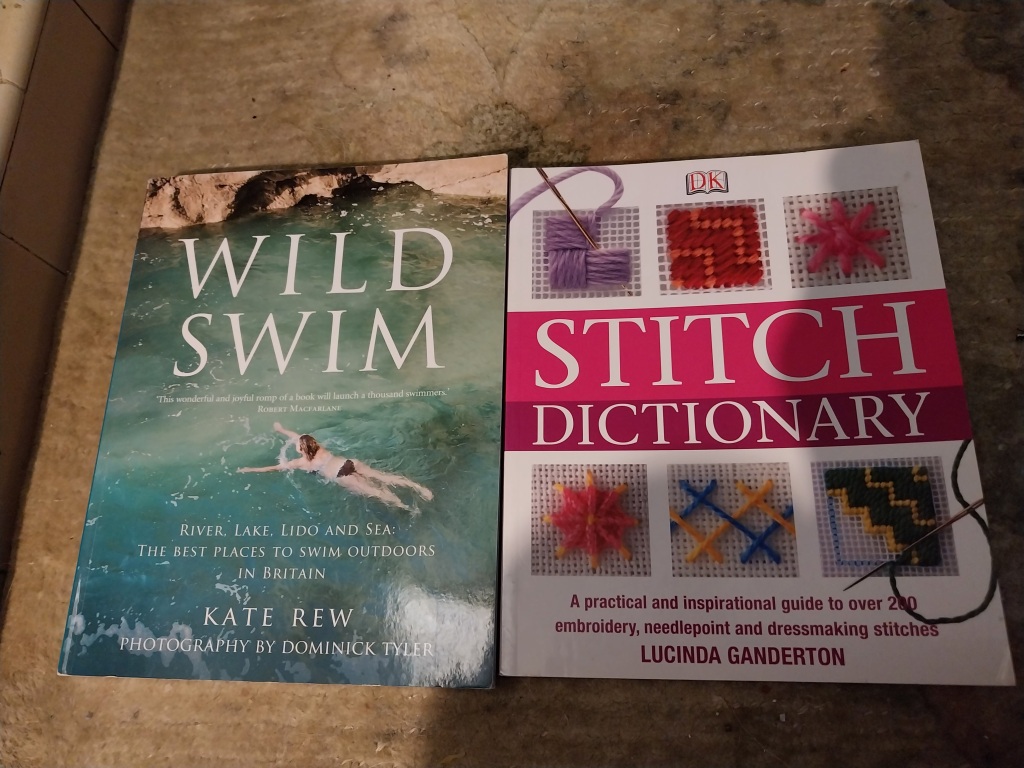
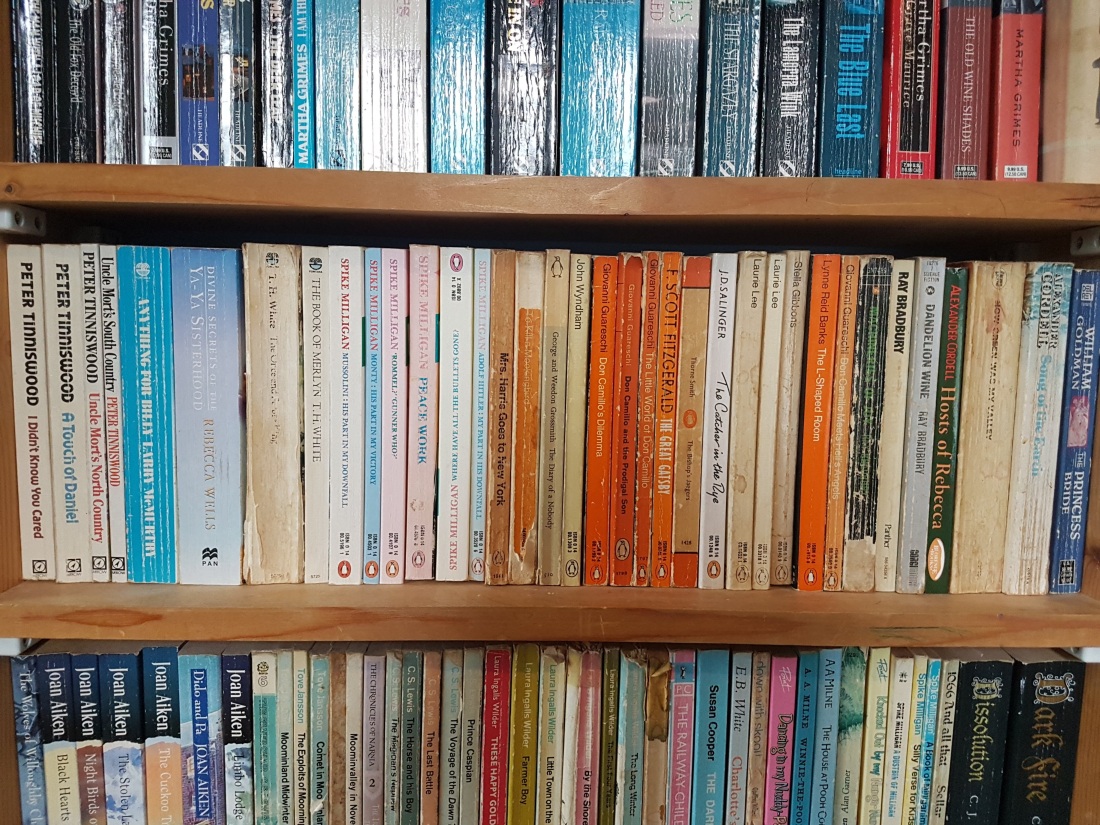
- charity shop book finds
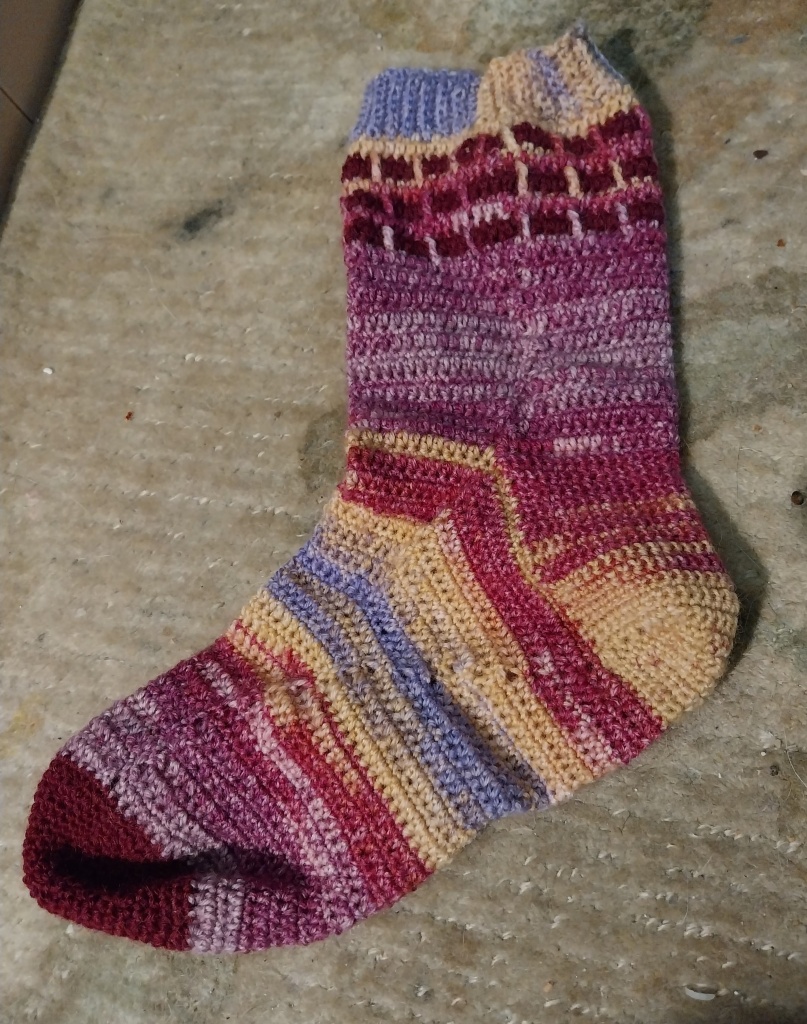
- finishing one of my Calecentine Socks on the tube
- swim with Rachel for her birthday yesterday morning
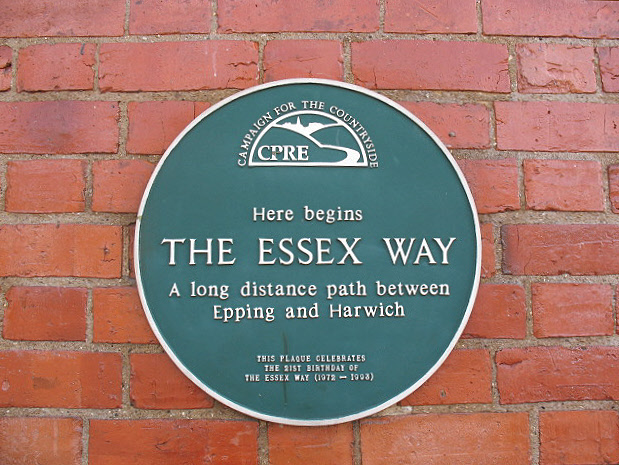
- 20k training walk this morning – a 10k that got out of hand along the Essex Way from North Weald to Ongar and a bit…
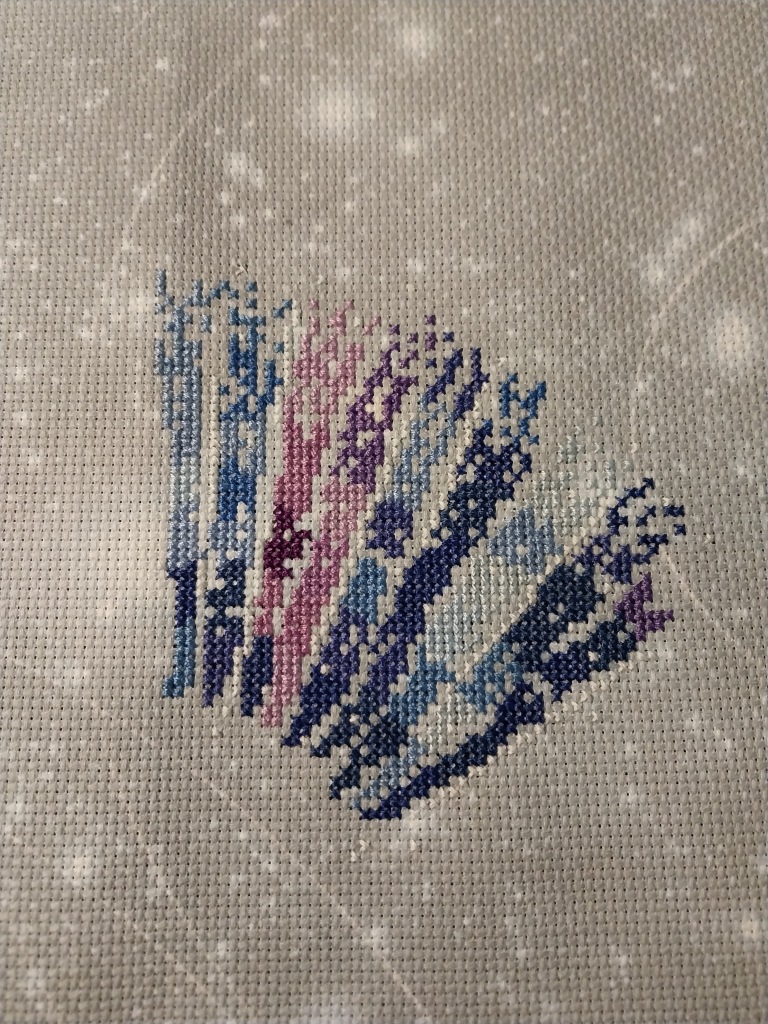
- Up to date on the Temperature Supernova
- Finishing my boro patches from the Restoration London workshops
- This afternoon’s nap, as soon as I have hit publish on this….
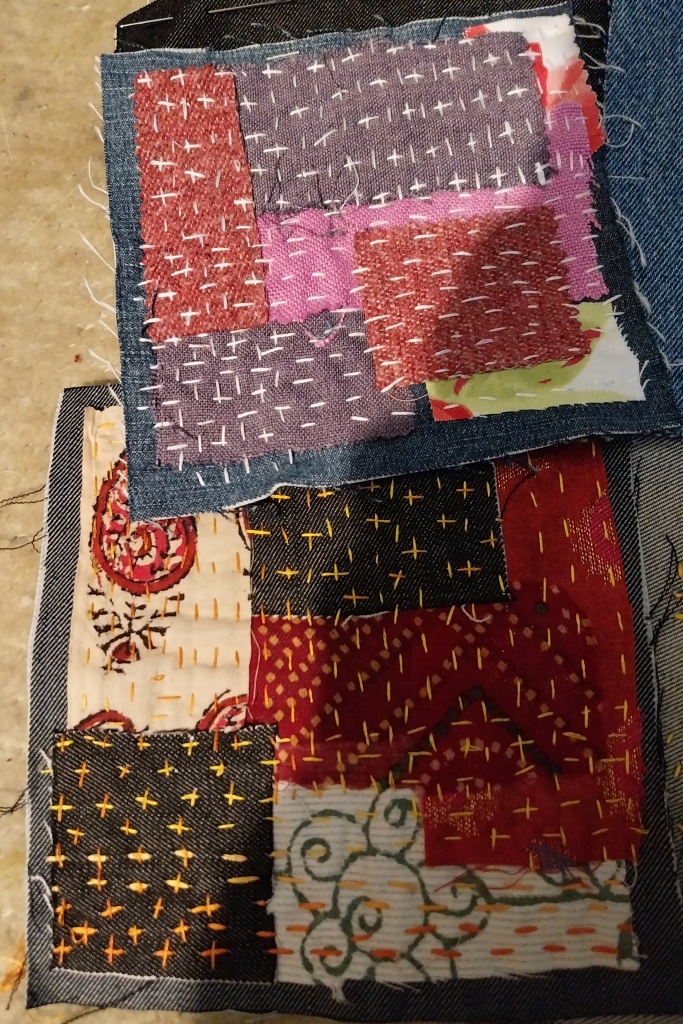
See you next week!
Kirsty x
What I’ve been reading:
Snuff/Raising Steam/Making Money – Terry Pratchett (Audible)
Turn Coat/Changes – Jim Butcher

 What Kirsty did next