Week twenty-eight: when is a learning collection not a learning collection?

This week I have been braving the Central Line (well, on two days at least) and going back into the museum to make a start on sorting and decanting the Learning Collection. The tube is still quite busy in the early mornings, and I am puzzled by the number of people who don’t know how to wear a mask properly.

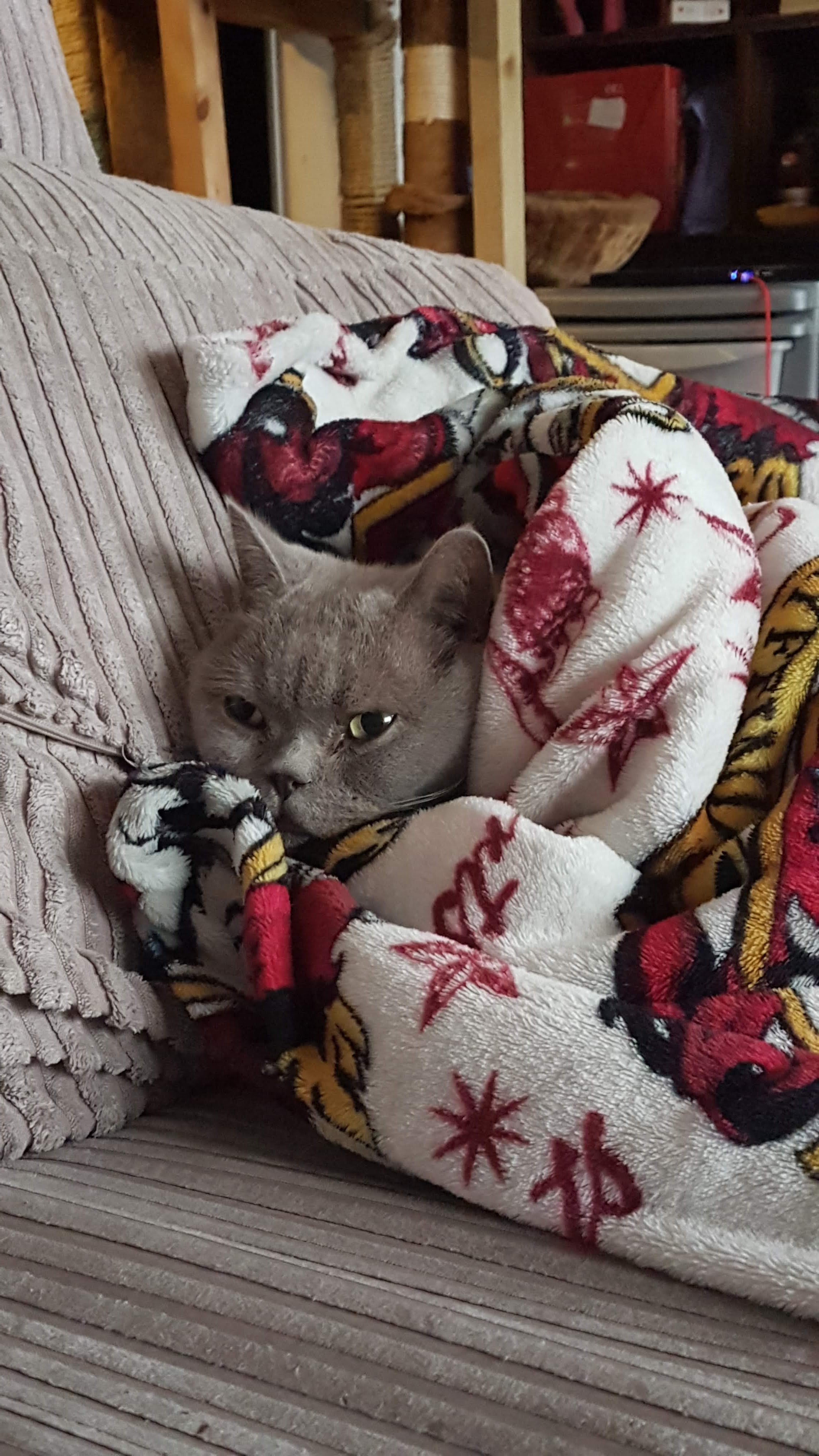
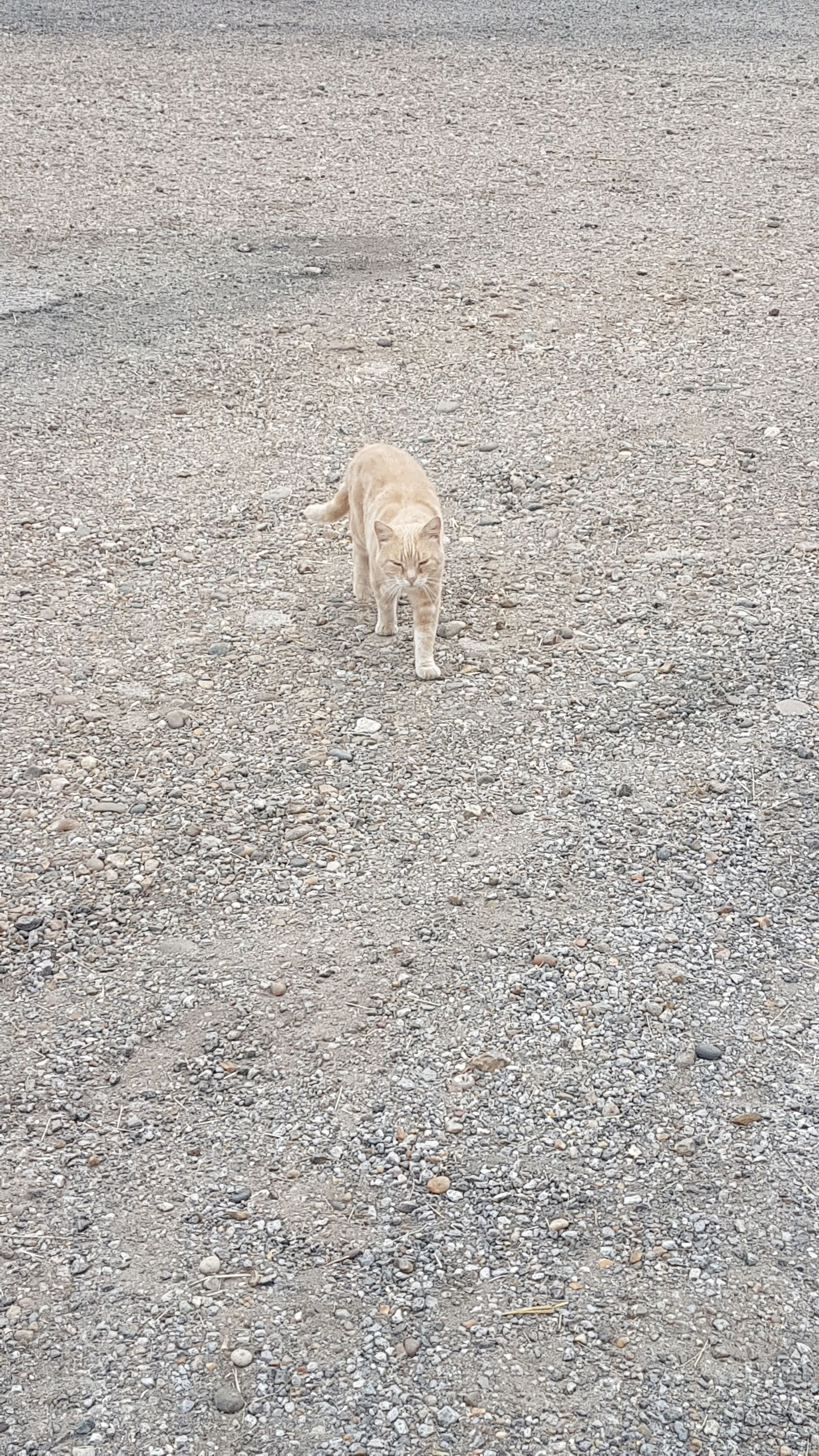
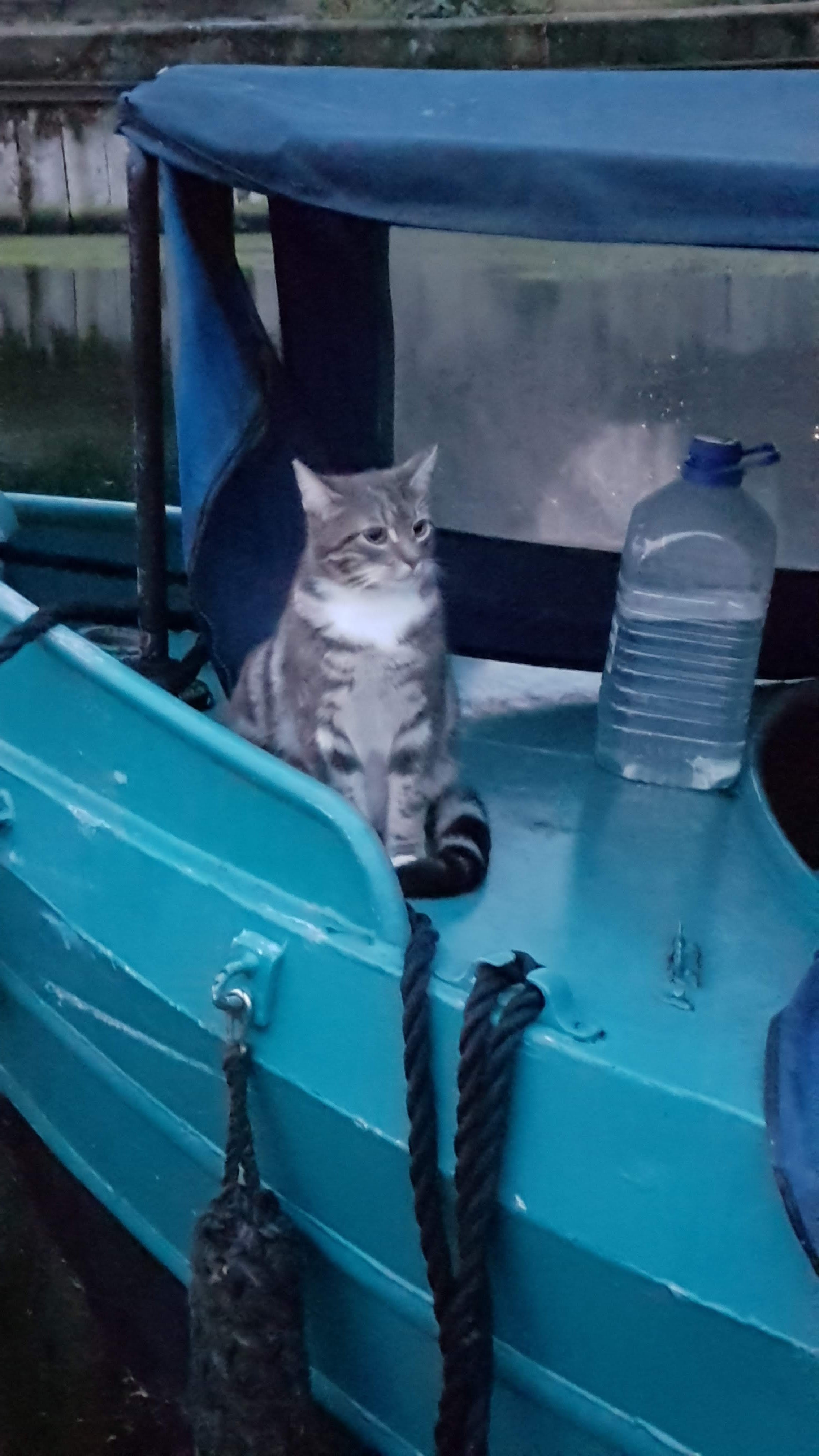
One morning I got off the tube at Mile End and walked up the canal to Victoria Park, which meant I spotted this gorgeous kitty watching the world go by from one of the houseboats.
The learning collection, as it currently exists, is a large, unwieldy and somewhat random selection of items relating to childhood: toys and games, dolls and teddies, children’s clothing and shoes, nursery items, dollhouse items and so on.

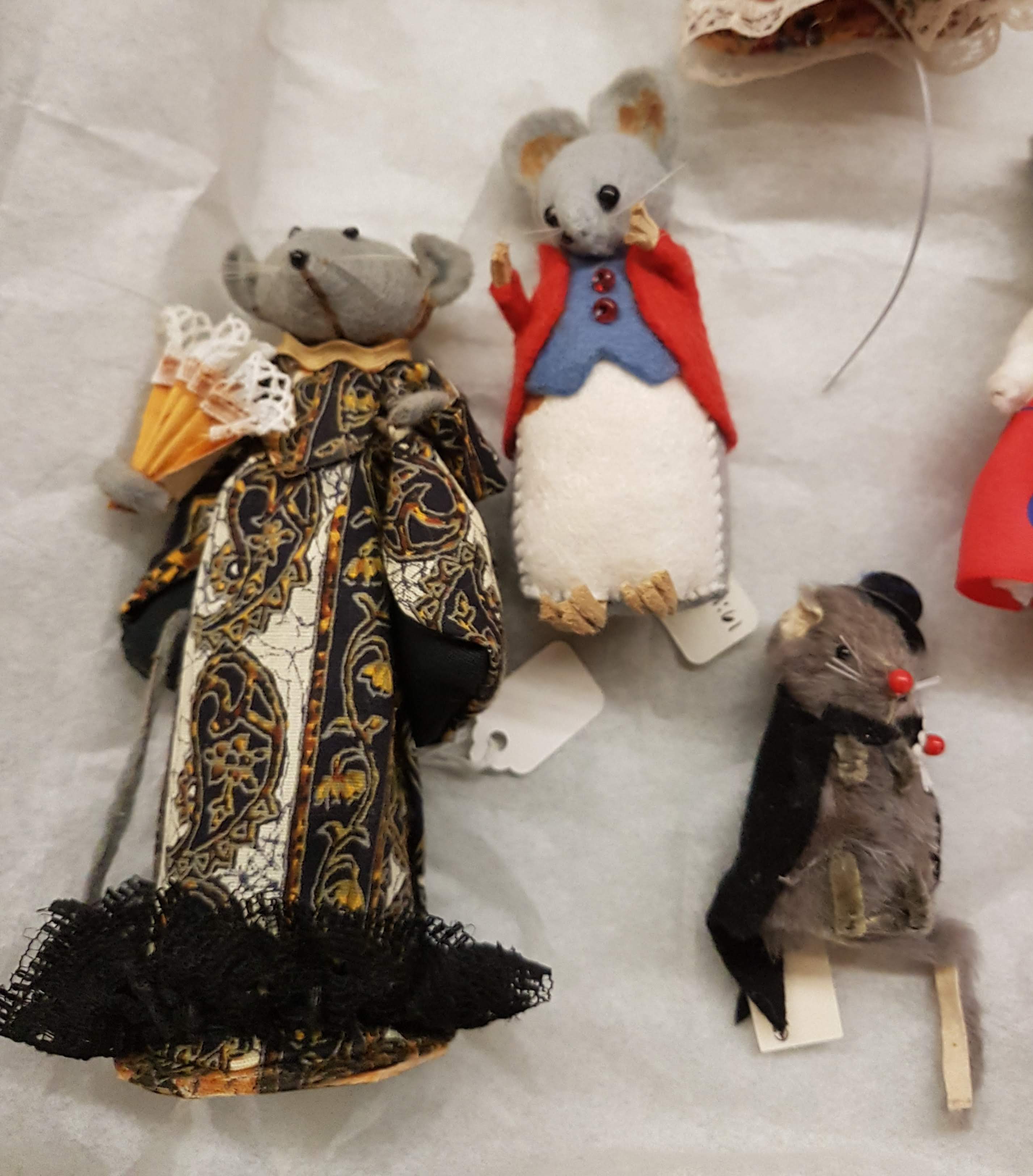
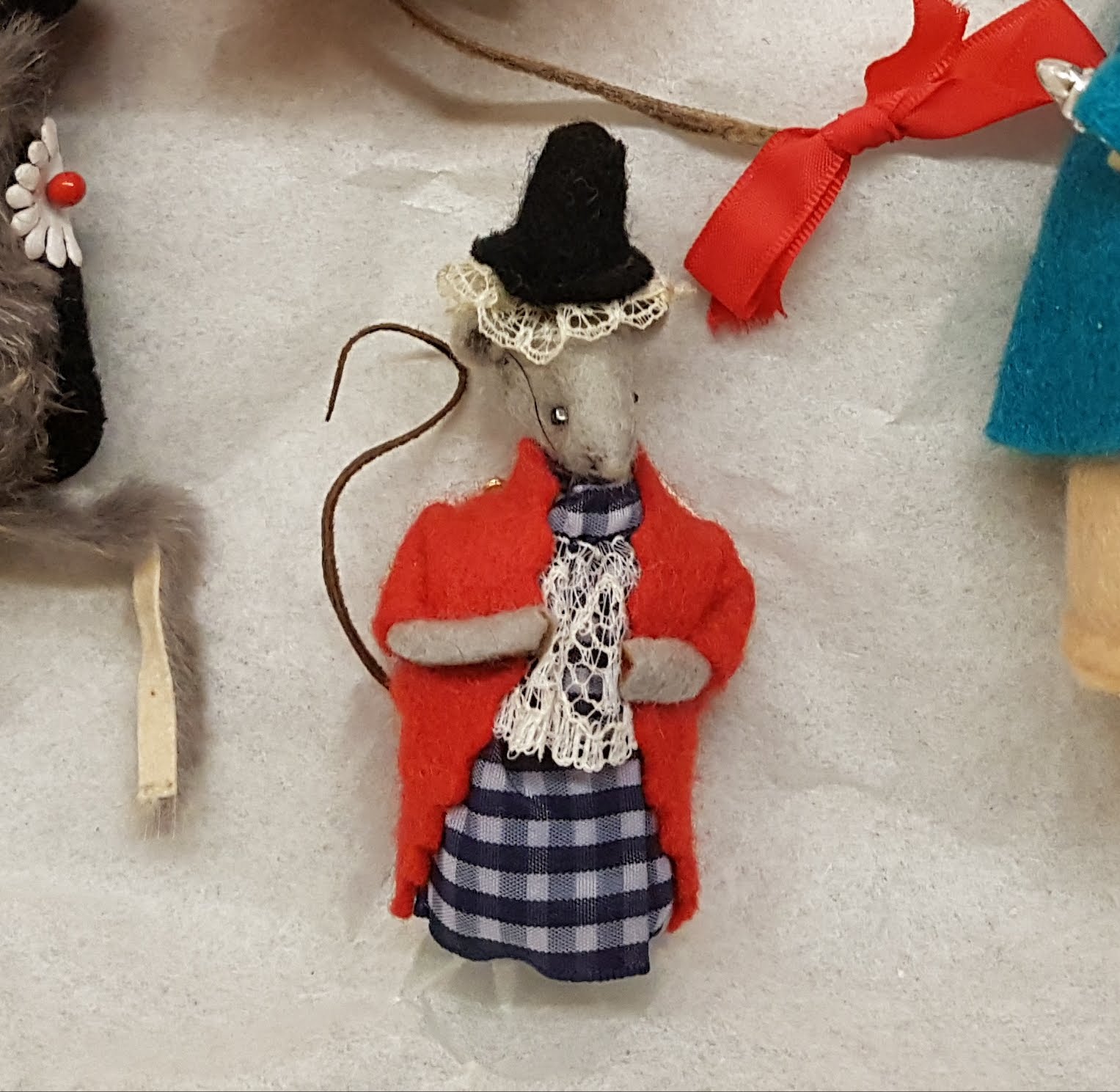
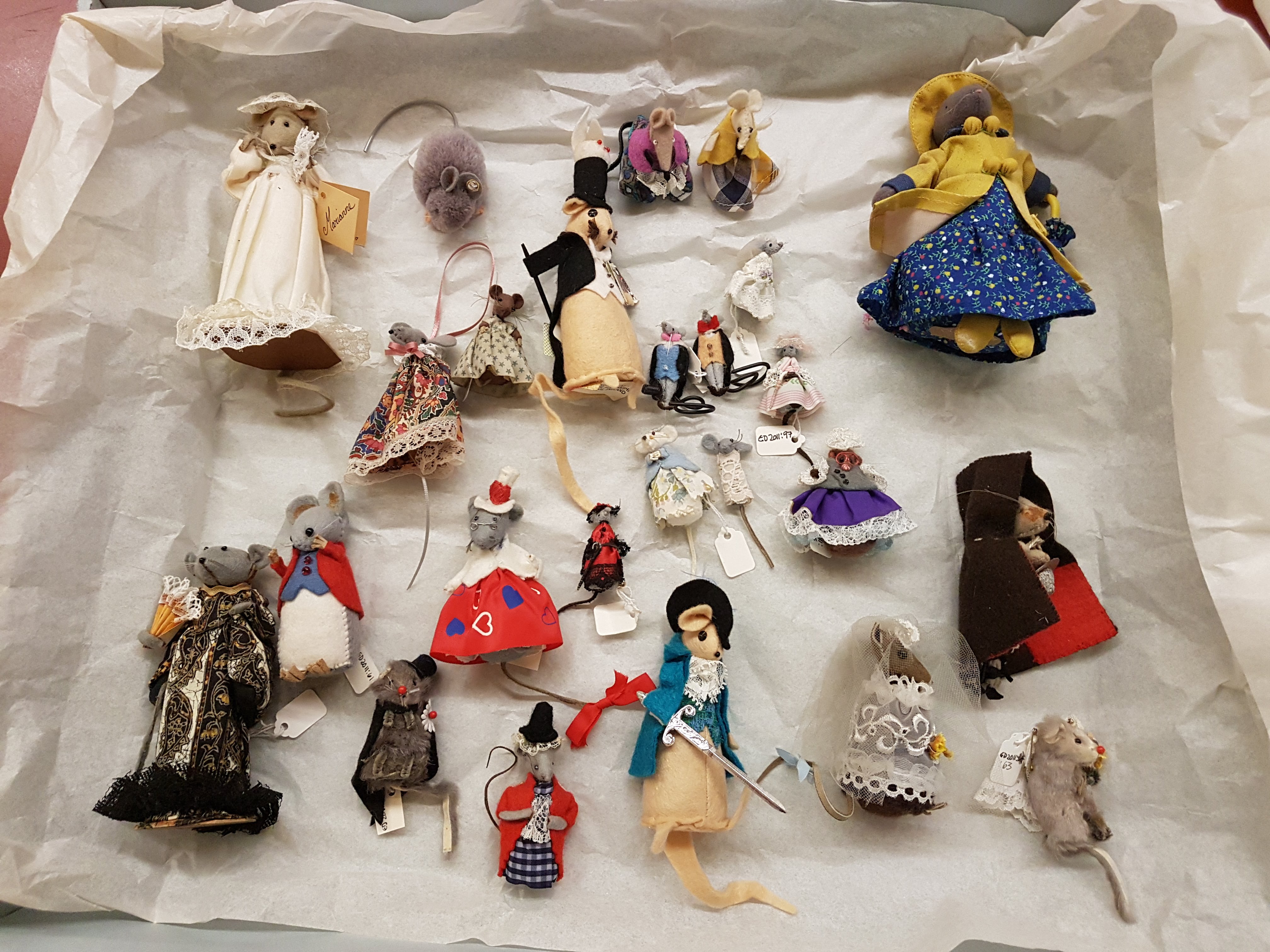
Some things are charming – the collection of tiny mice, for example. Bride and groom mice, magician mouse, Welsh lady mouse and many more. They are dressed beautifully in Liberty fabrics, and the detail is wonderful – but what are they for? They aren’t the sort of things children would play with, being more ‘collectable’ than practical, but they are a wonderful example of a child’s collection. How does a collection like this start? How did the child display them? What can I do with them?
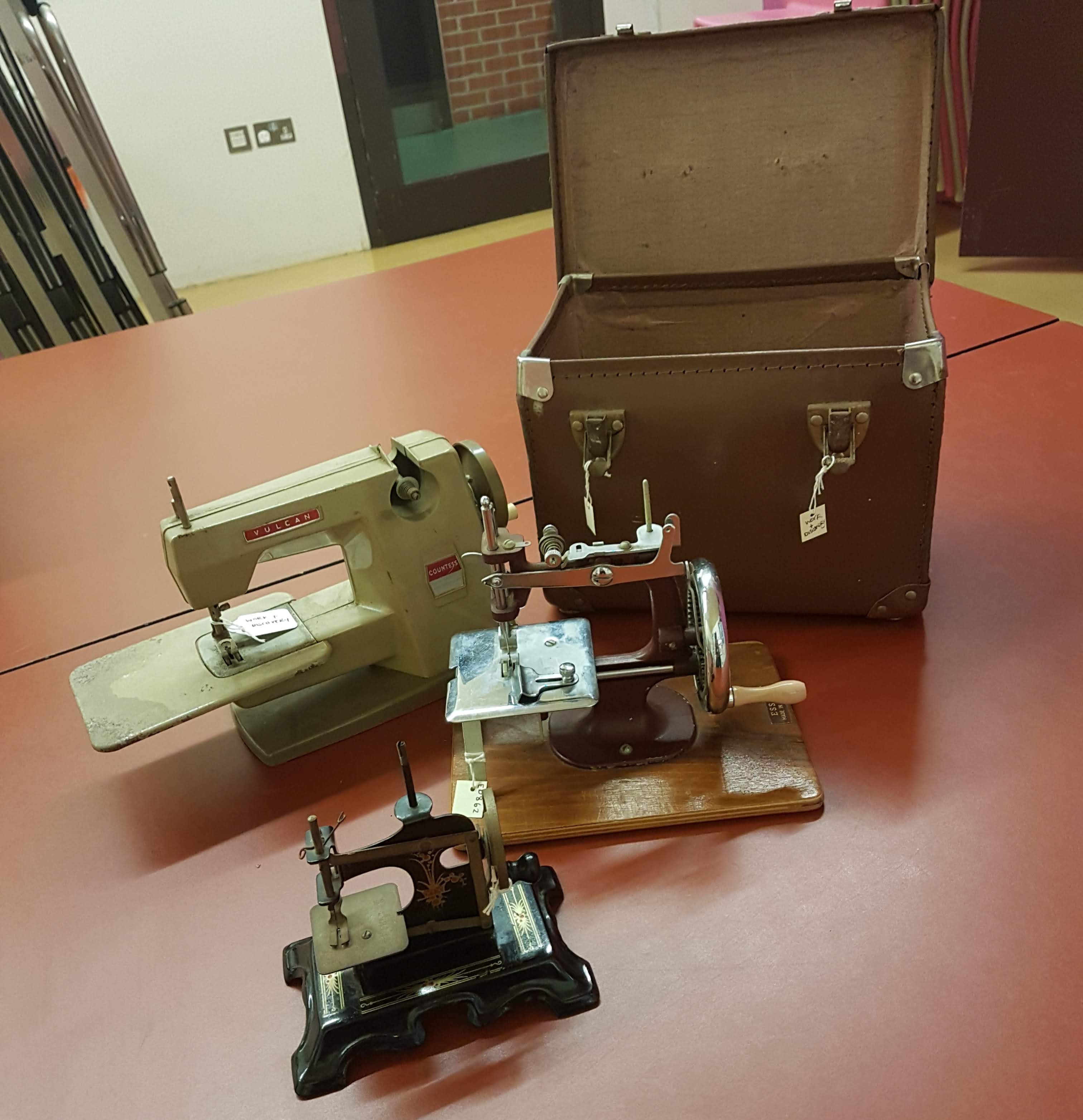
Some are practical – objects designed to introduce a child to the grown up world of work. Working sewing machines and typewriters, small tool kits – in solid metals and woods, not the brightly coloured plastics of today. These are objects designed to be used, to build a child’s skills.
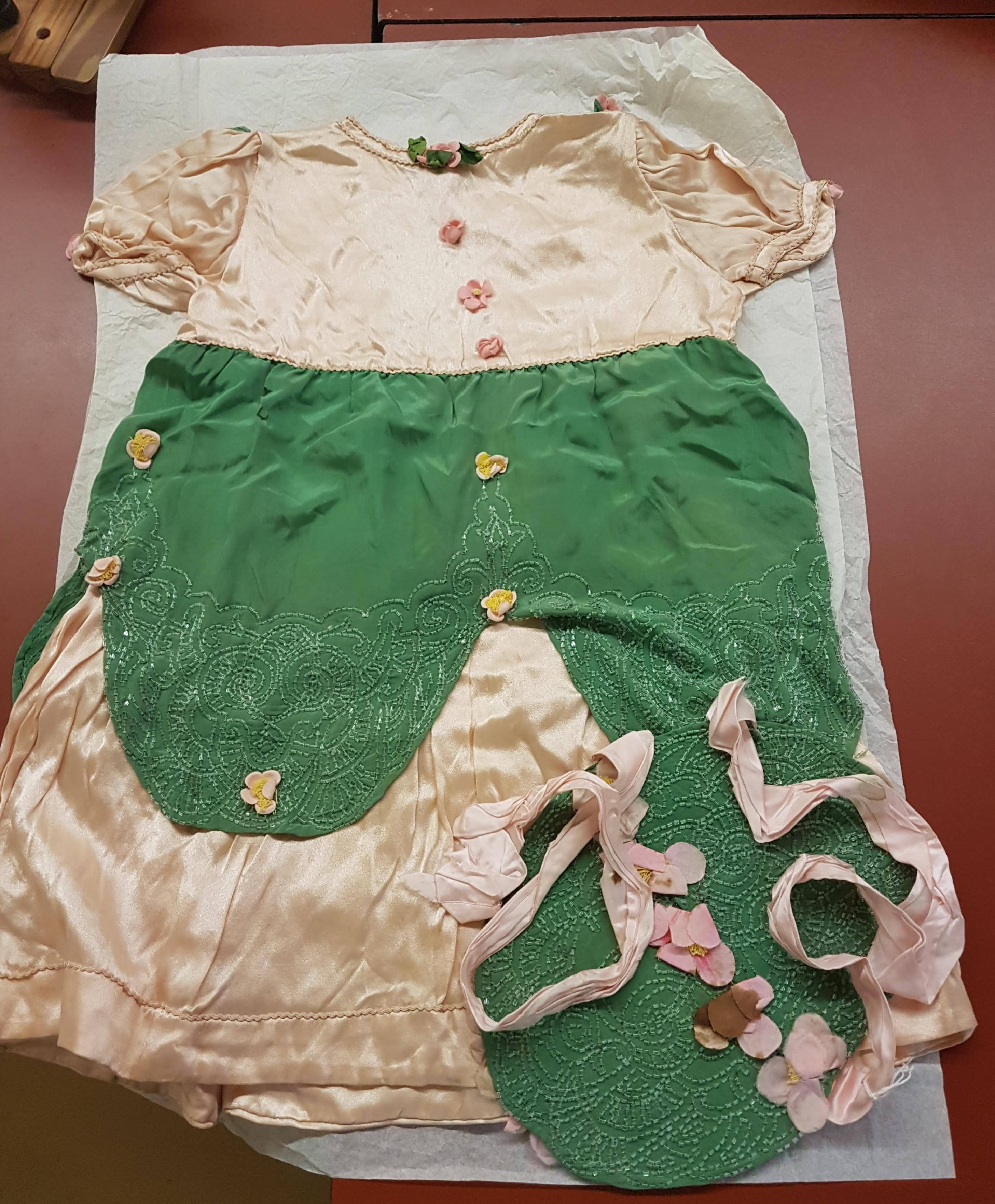
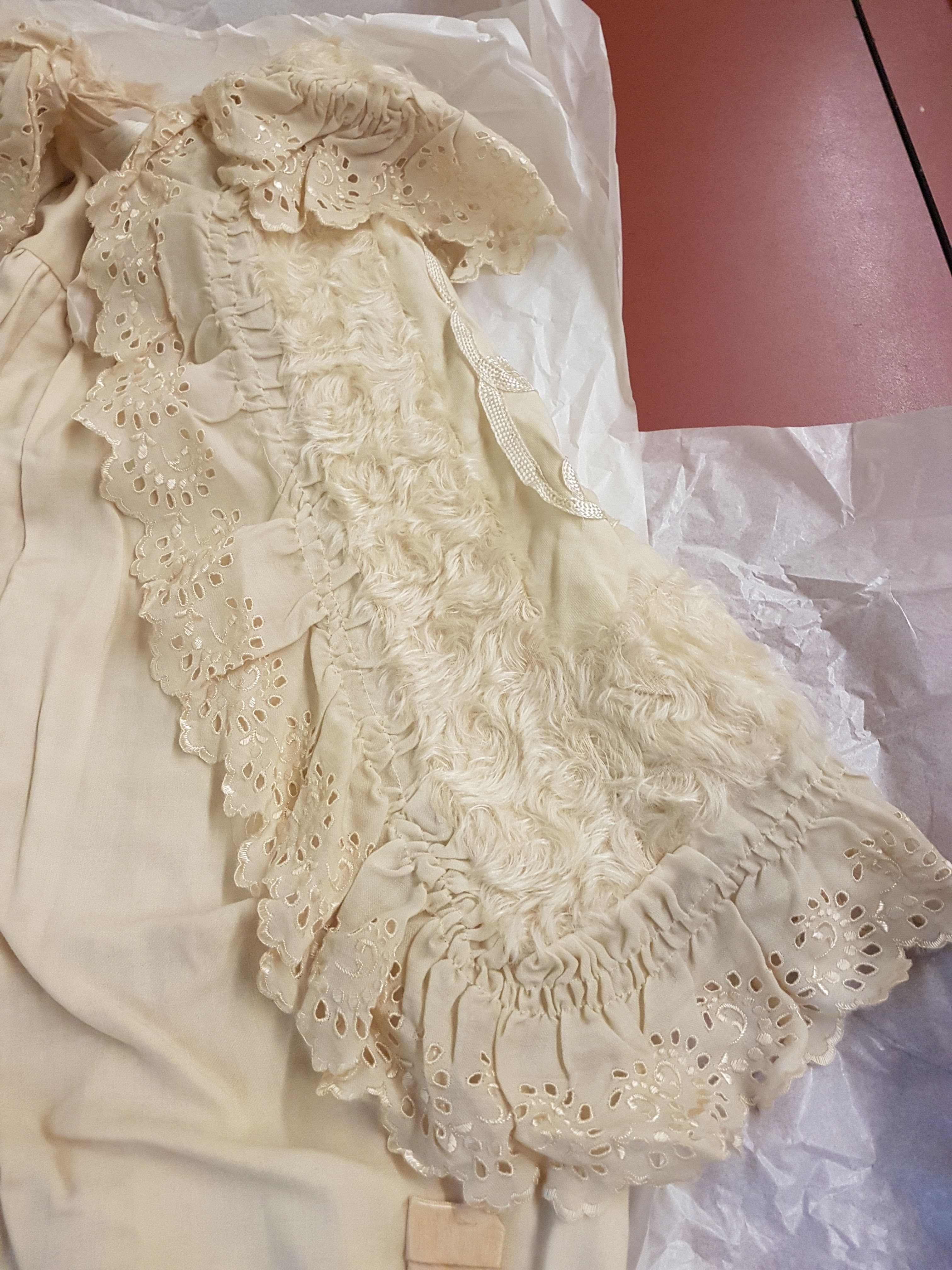
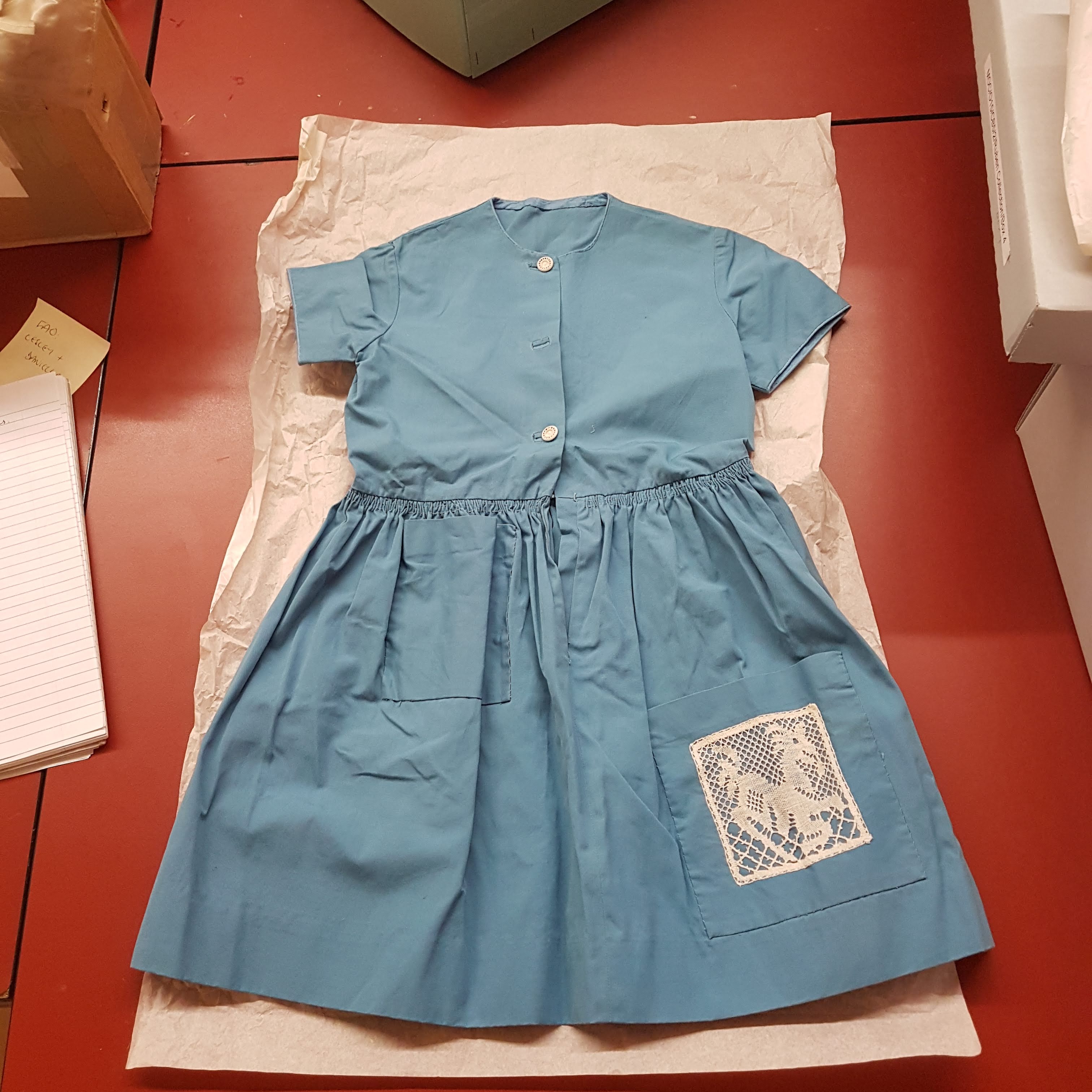
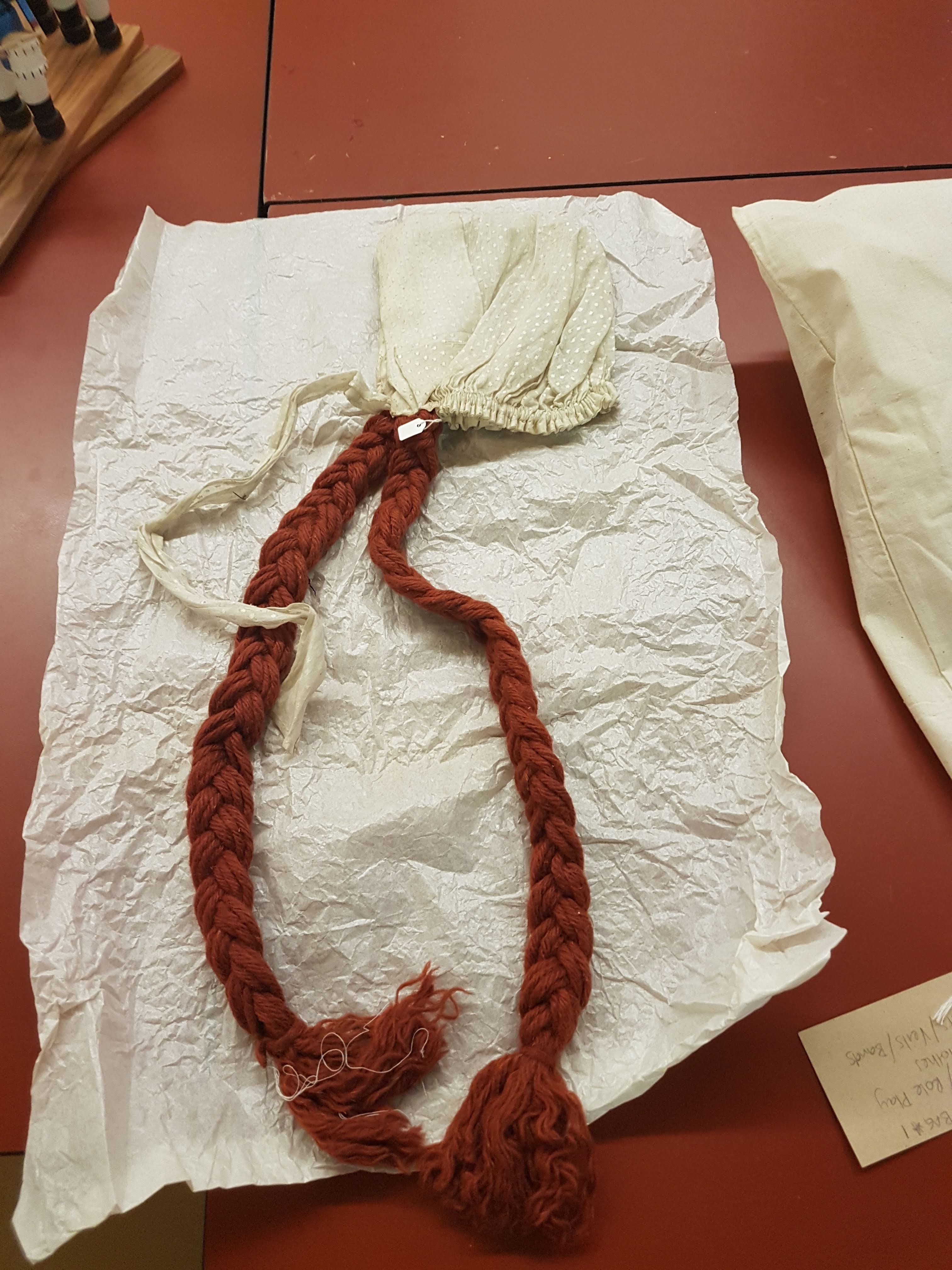
There are, of course, hundreds of items of children’s clothing, from the ceremonial to the practical, and a lovely dressing up collection which echoes the museum’s own collection of fancy dress costumes. Some are handmade or hand embellished, some are worn and much loved. Many predate the fashion for colour as a gender identifier for children – the older clothes are white and cream and colour comes in with the more modern items. Like in many collections, it’s often the ‘fancy’ clothes that have survived – the ones bought for special occasions or ‘kept for best’. But there are so many examples – how many baby bonnets and barracoats does one collection need? And how do I decide which are the ones to keep?
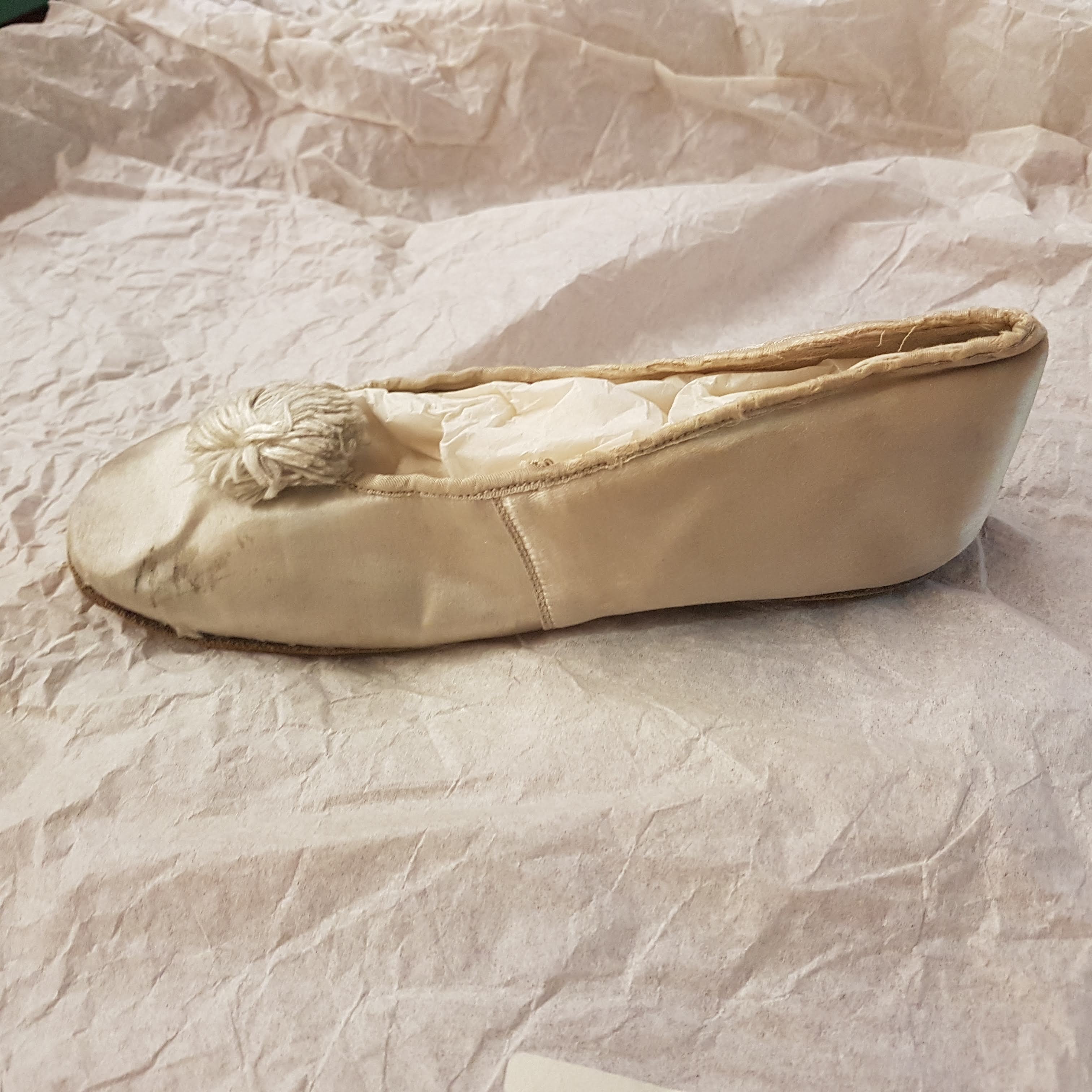
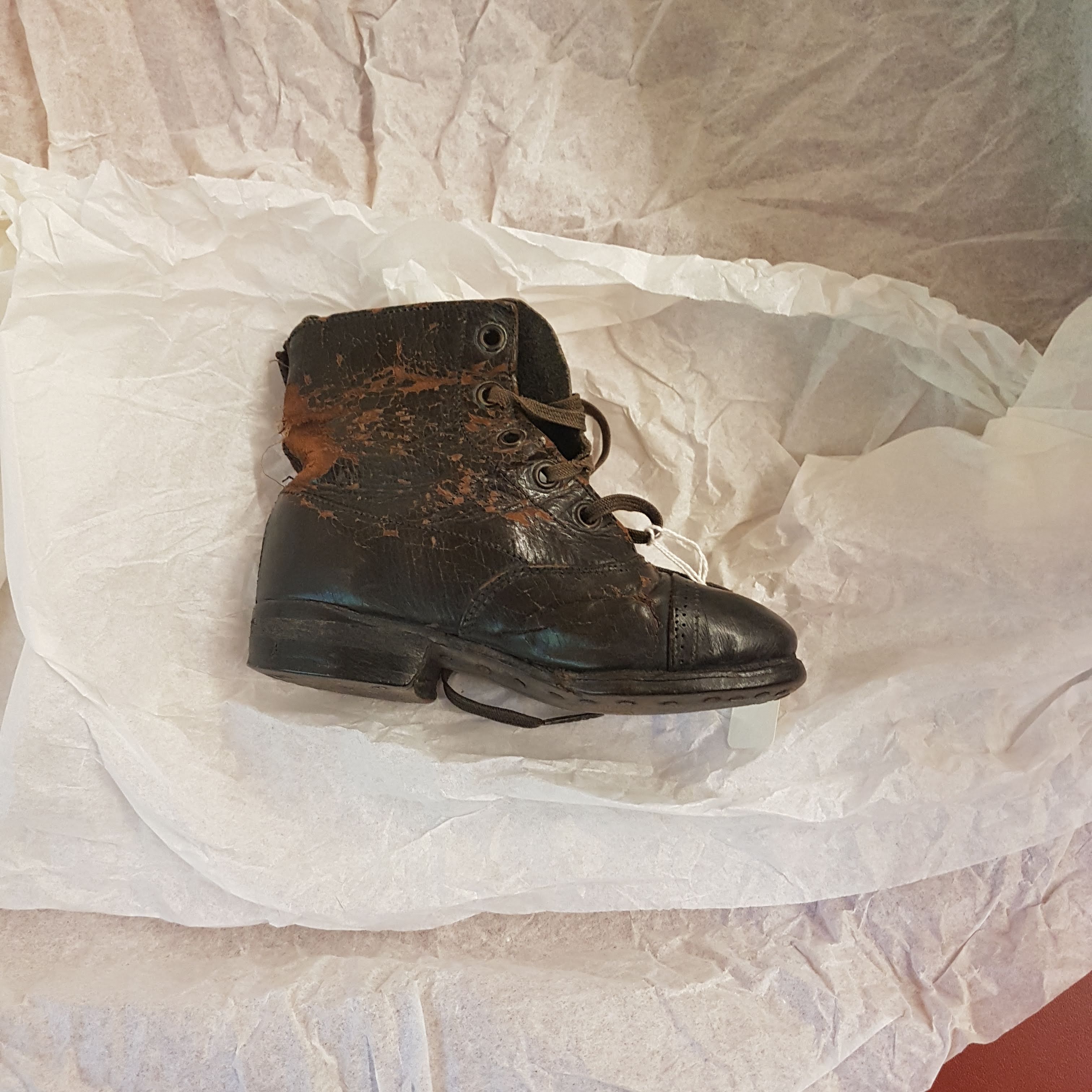
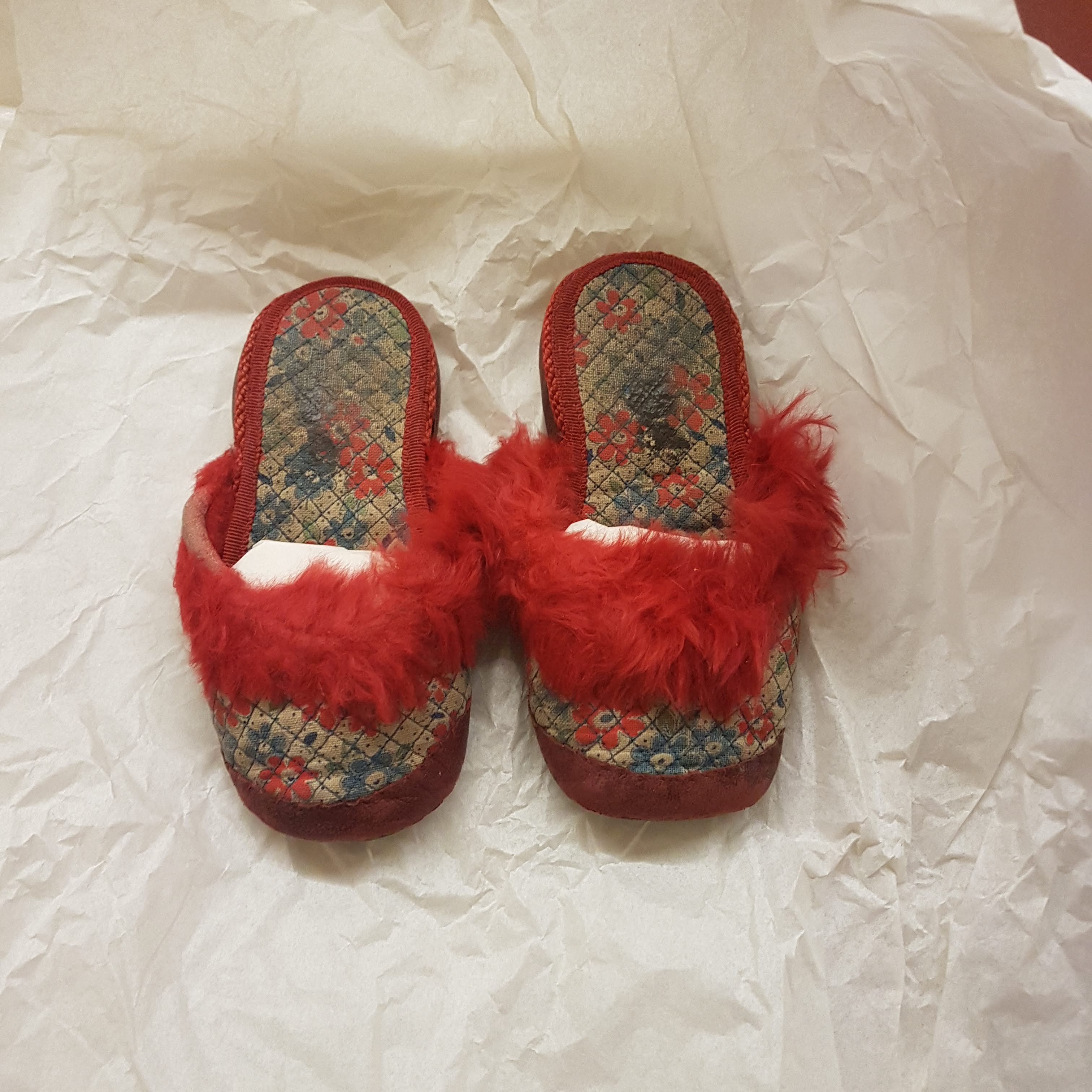
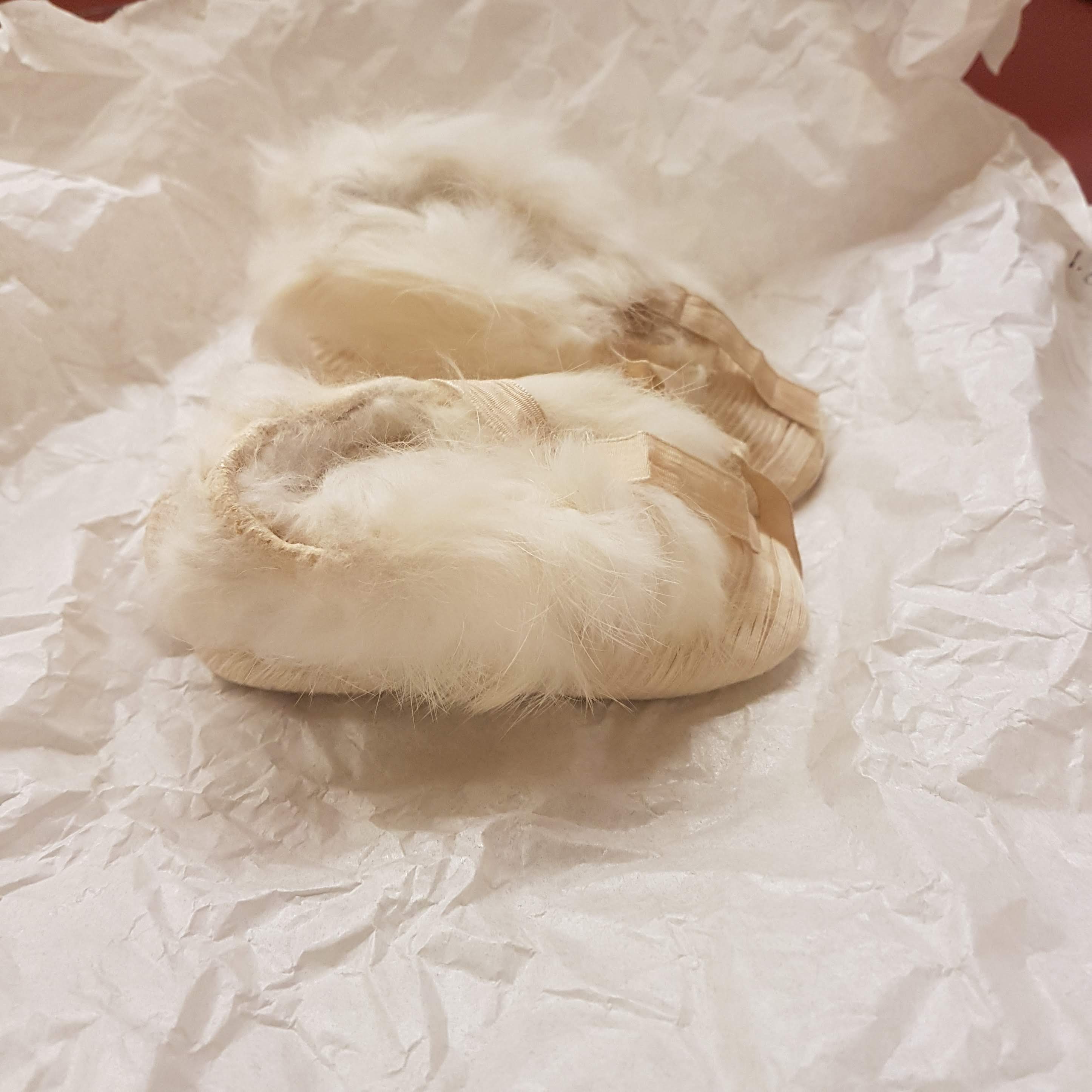
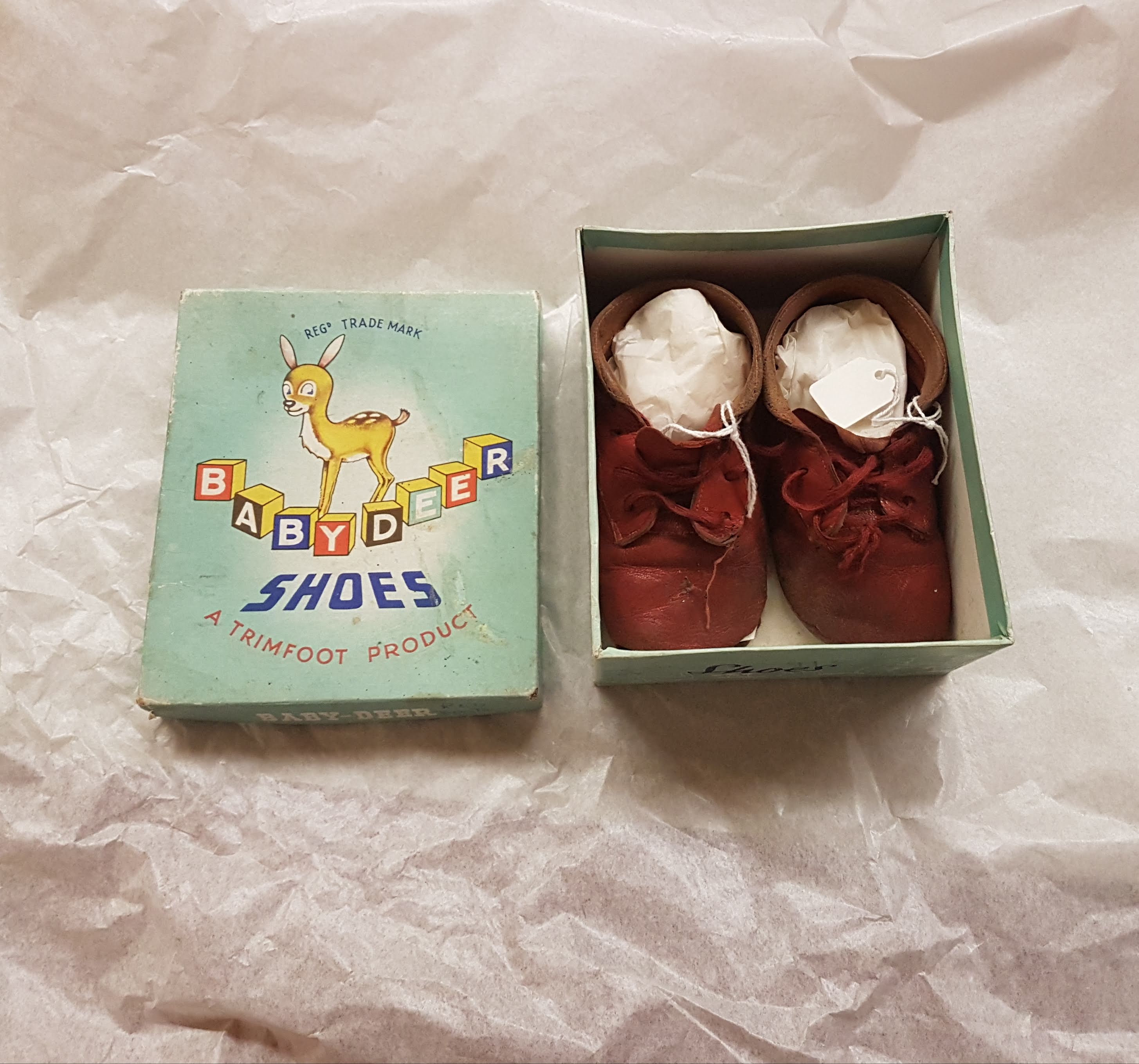
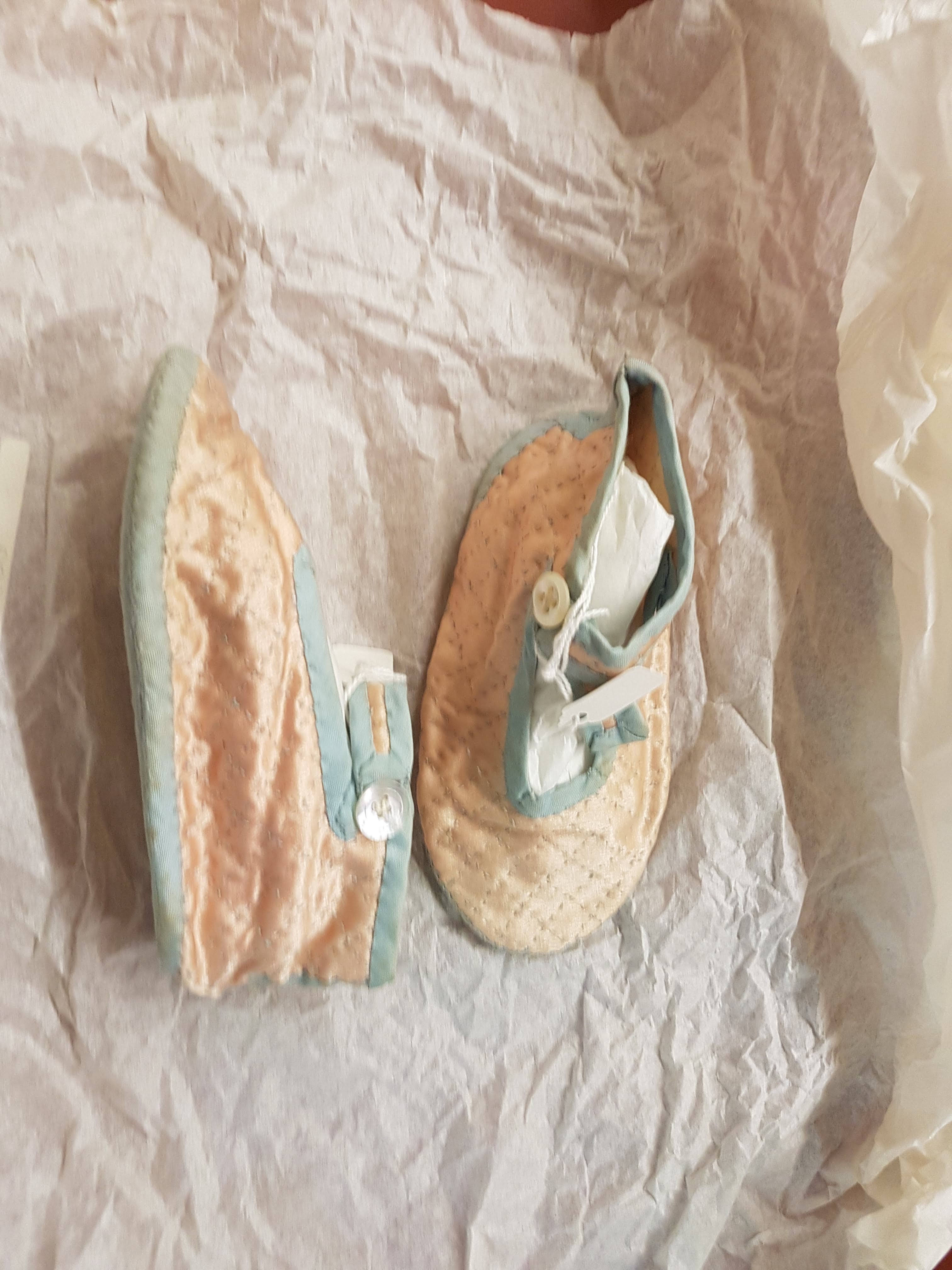
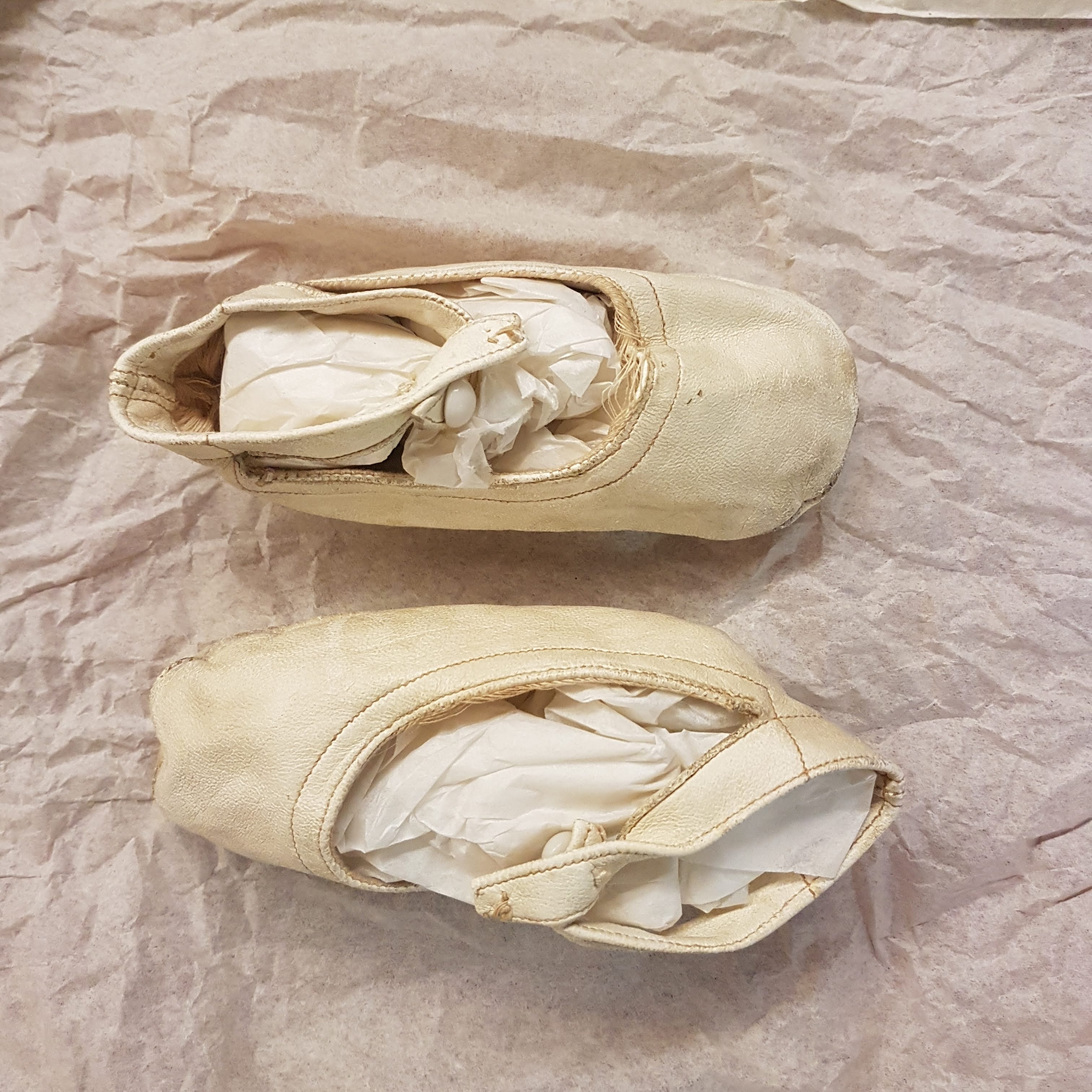
And the shoes – oh, the shoes! It’s a family joke that I have too many books and too many shoes (I don’t believe either of these concepts) so to find a box of tiny footwear in the cupboards was a treat for the eyes. Party shoes in pom-pommed satin, marabou-trimmed baby slippers, practical Start-rite sandals, a single, much repaired boot, kid ankle-straps, handmade quilted pram shoes and more.
There are boxes and boxes of card games (some very non-PC) and board games, of Hornby train sets, terrifying dolls, teddies, model farms, toy cars, construction kits. Toys that children have coveted at Christmas and written hopefully on birthday lists: Weebles, Playmobil, Barbies. An excellent collection of learning toys by the designer Fredun Shapur – brightly coloured and eminently touchable. Toys that bring joy to the people that see them – but they are so rarely seen by anyone except the learning team and the odd student or researcher. These thousands of objects are stored – exquisitely wrapped and catalogued thanks to years of hard work by some very dedicated volunteers – in tissue paper, calico bags and archival quality boxes. In dark cupboards, in basement classrooms, and no one ever sees them or touches them. They don’t spark joy any more, they just get audited every so often. Occasionally I have taken a few objects out – some to sessions at the V&A, working with dementia sufferers as part of an ‘arts prescription’. Some have been to Great Ormond Street or other hospital schools, but these excursions are the exception rather than the norm.

One of my jobs at the moment – now that we have no schools in the museum – is to decant this collection, rationalising it to meet the vision and purpose for the new museum. I also want to rebrand the collection as a handling collection, not a learning collection: to make its practical purpose explicit and, most of all, to get it out of those cupboards. We’re a museum, so we have lots of cupboards full of objects that people can’t touch – both the glass ones on the visitor floors and the treasure troves below. We don’t need any more.

We need a learning collection that people can get their hands on and learn from: does that teddy feel as soft as it looks? What happens if I turn him upside down? How do I make that train set go? What does that button do? Children – and adults! – are curious by nature, and we learn best through play and experience. A learning collection that you can’t do either with isn’t living up to its name.

It’s a daunting job but an interesting one! It’s going to take a few weeks, and then I need to find homes for the objects we are not going to keep. I’d like to see them go to other museums, to schools library services, to schools and to historical interpreters. If you’re any of these things – or if you can add to this list – please do let me know!

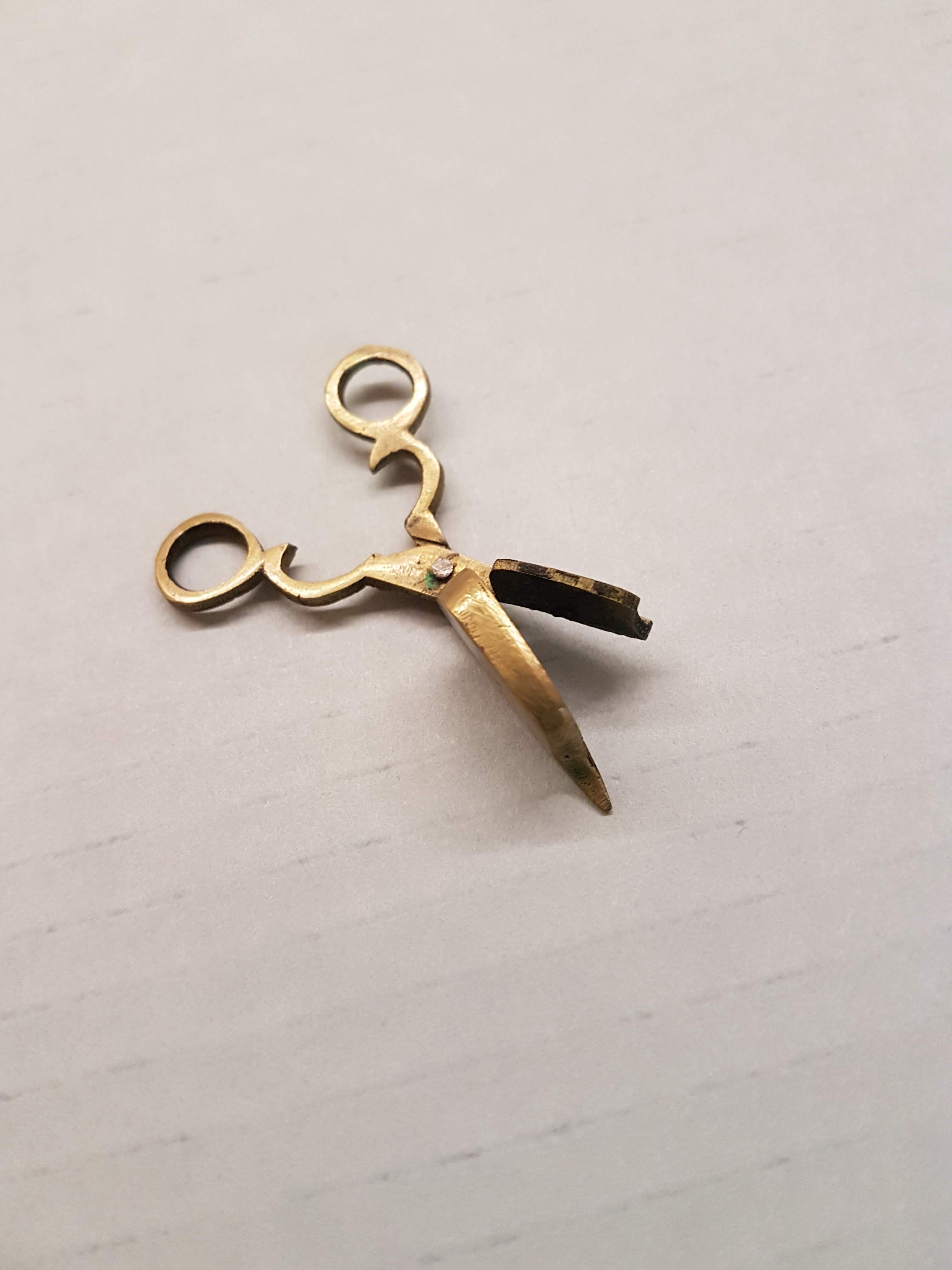
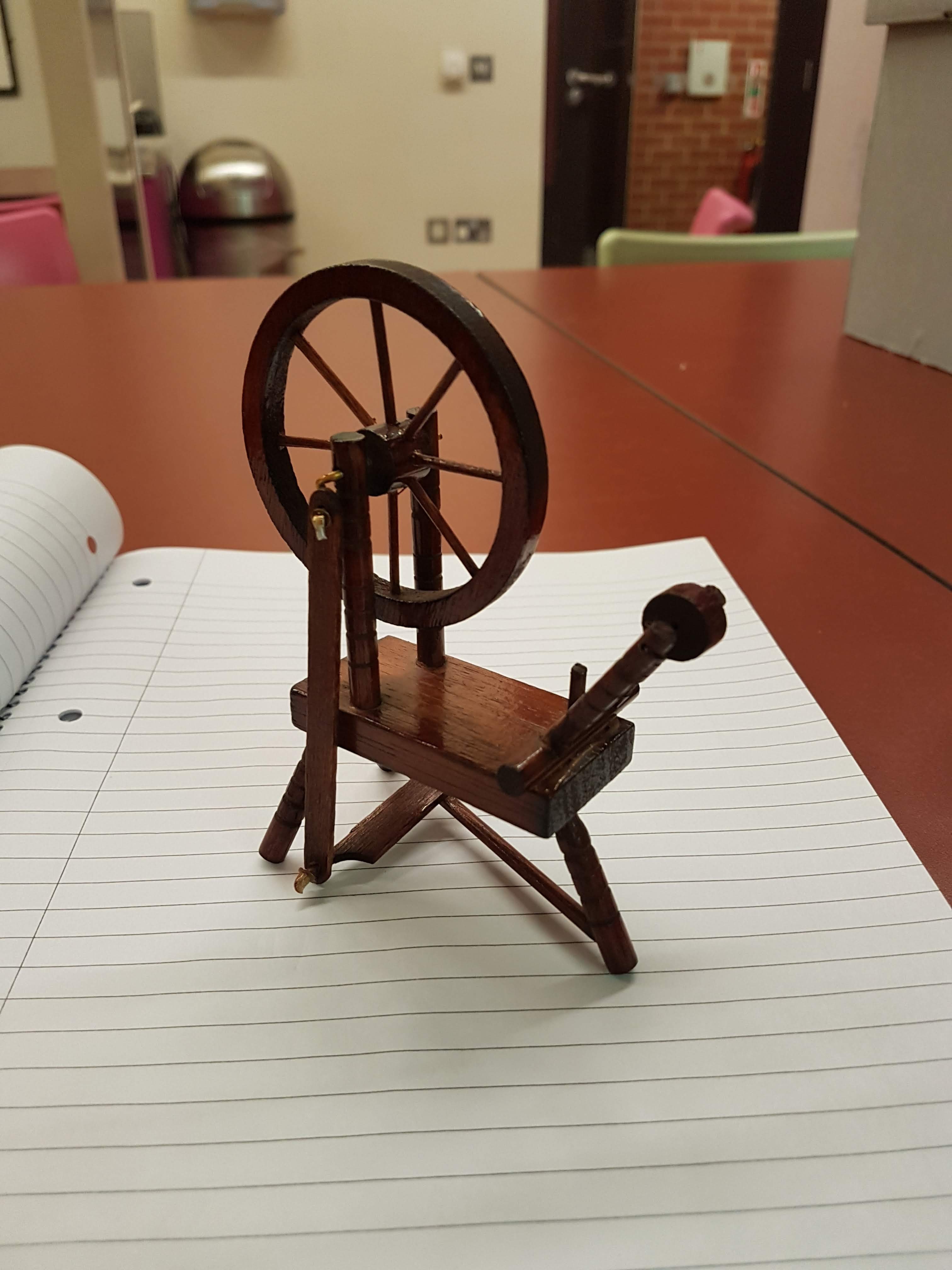
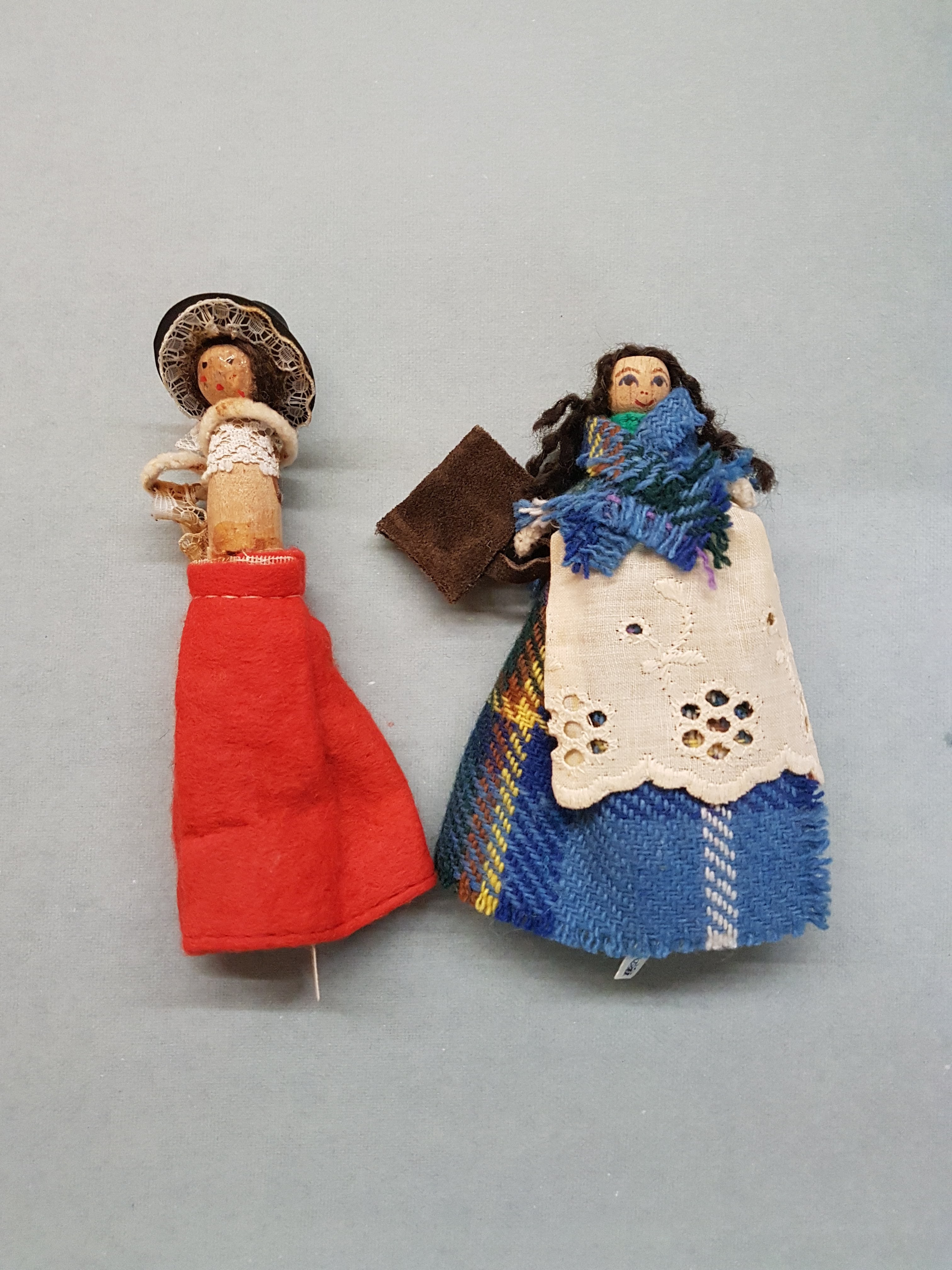
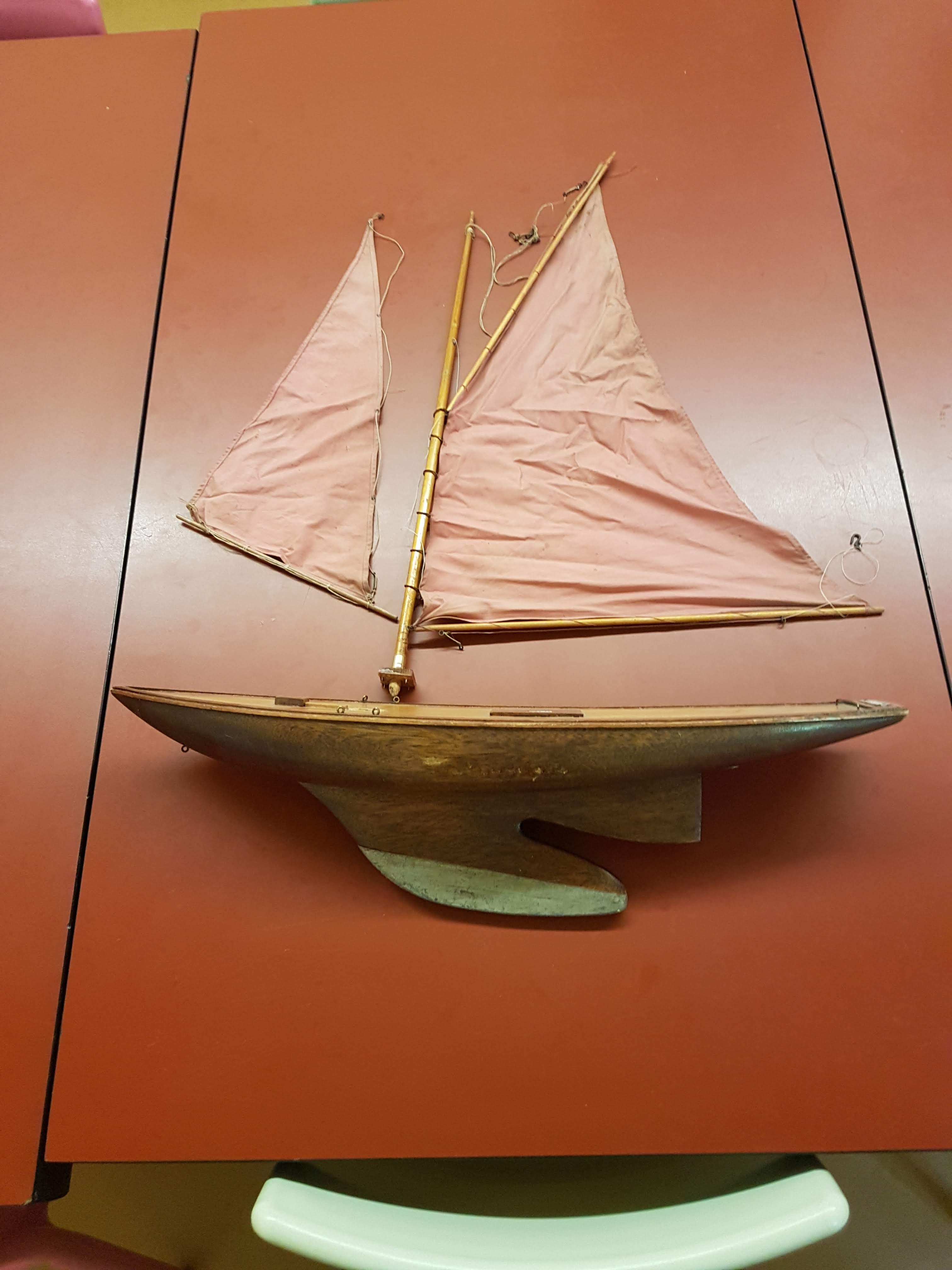
Here’s some of my favourite odd objects from the cupboards to be going on with, taken when I was auditing the collection in 2018….

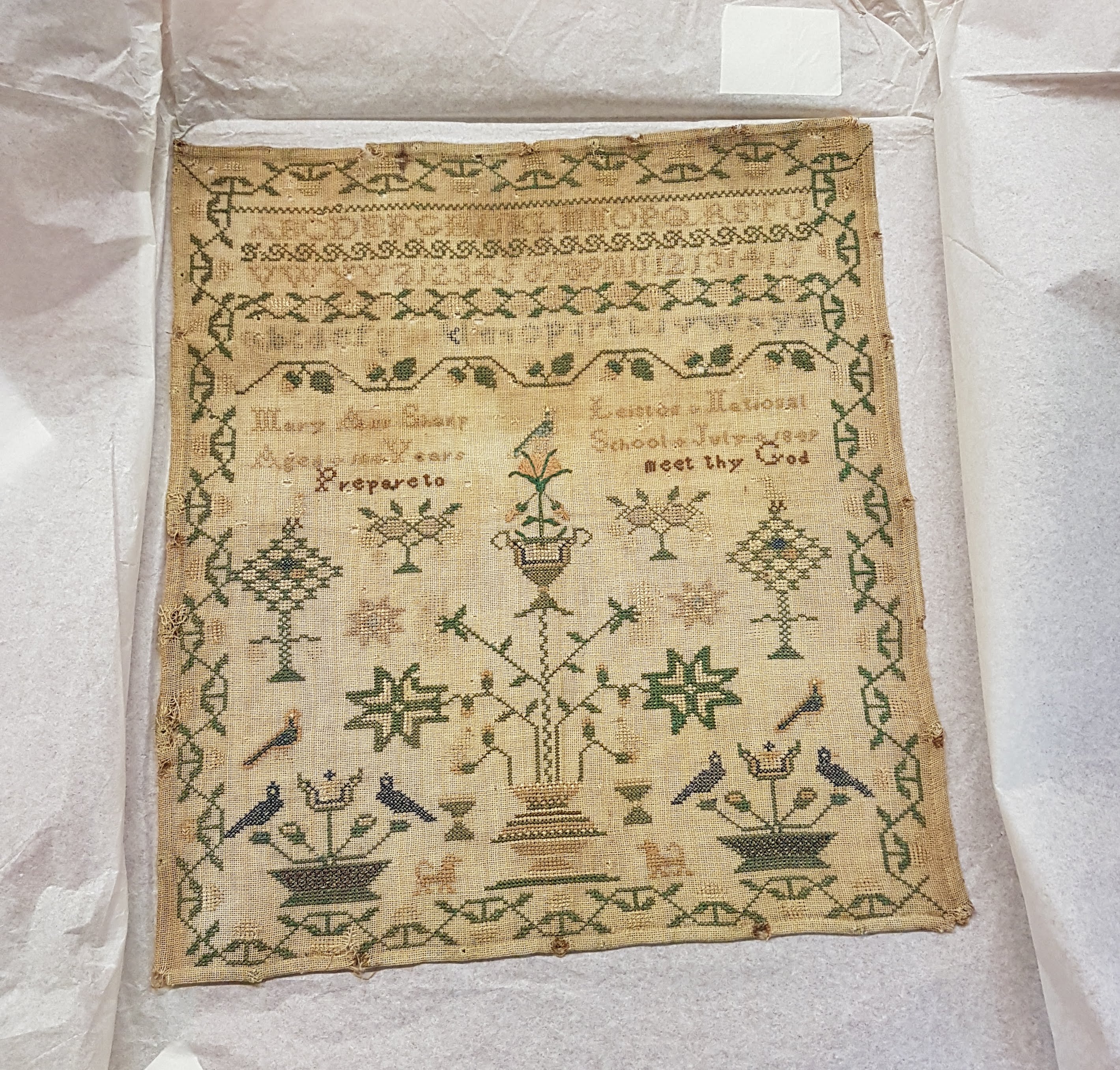
And – as a brilliant segue into this week’s crafty section – here’s a sampler…
Castles and cross stitch

A couple of weeks ago I shared a Princess Bride reference cross stitch I’d made and turned into cards for my family to make them laugh. That was someone else’s design, but it got me thinking about other quotes I’d like to see in stitches.

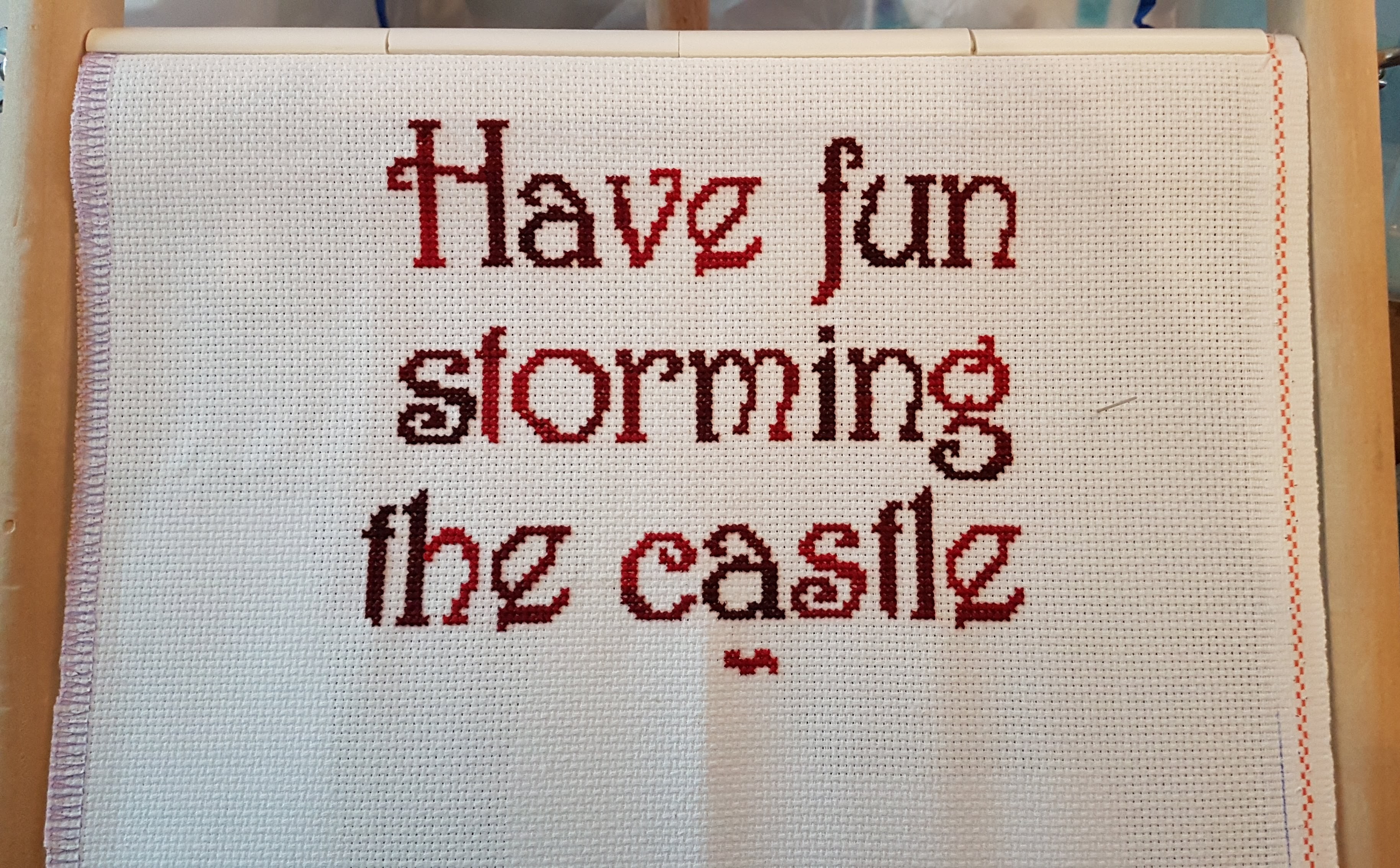
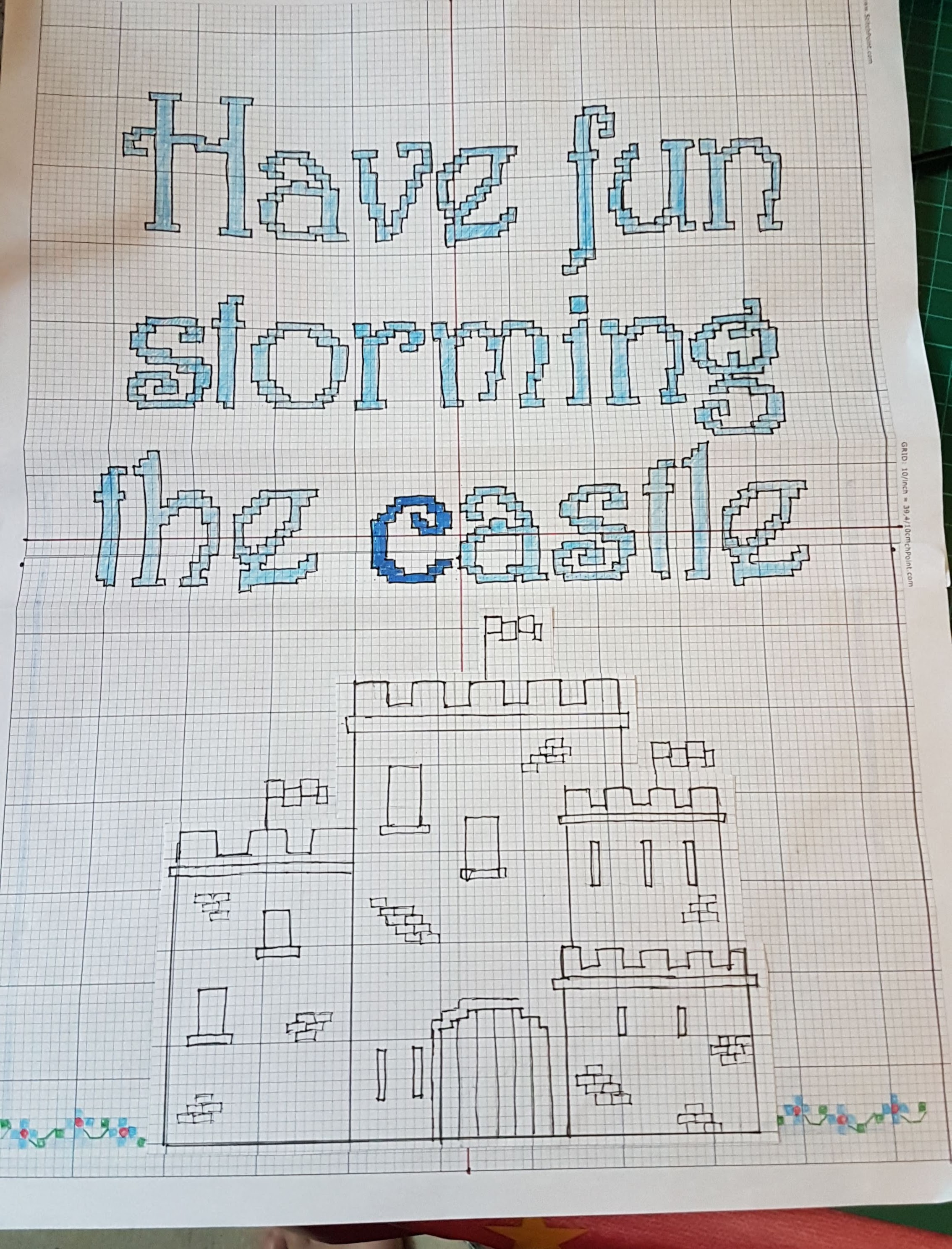
One of these is ‘Have fun storming the castle!’, which Valerie calls after Westley, Fezzik and Inigo leave to stop Buttercup’s wedding to Prince Humperdinck (yes, he of the to-do list). I had a look on Etsy, and there were some designs but none of the castles were quite right. Some had turrets. Some were positively Disney-esque. Some were pink. None of them looked worthy of storming, so I had a go at creating my own.

Being from South Wales gives you pretty firm ideas of what a castle should look like, and most of them have been stormed at least once in their histories and (mostly) survived to tell the tale. I grew up in Raglan, which has an excellent castle, so I knew the impression I wanted to give with my design.

Raglan Castle: worthy of storming.
(Image by Charles Taylor, http://www.ecastles.co.uk/raglan.html)

I’d mapped out the lettering a few weeks ago, using a shaded font from a book I have had for about 25 years. I remember buying it in the craft shop in Aberystwyth while I was a student there. It’s now out of print but does appear on Etsy or Ebay occasionally. I wasn’t happy with the spacing so with the aid of scissors and sticky tape I adjusted the spacing and started to transfer the pattern.

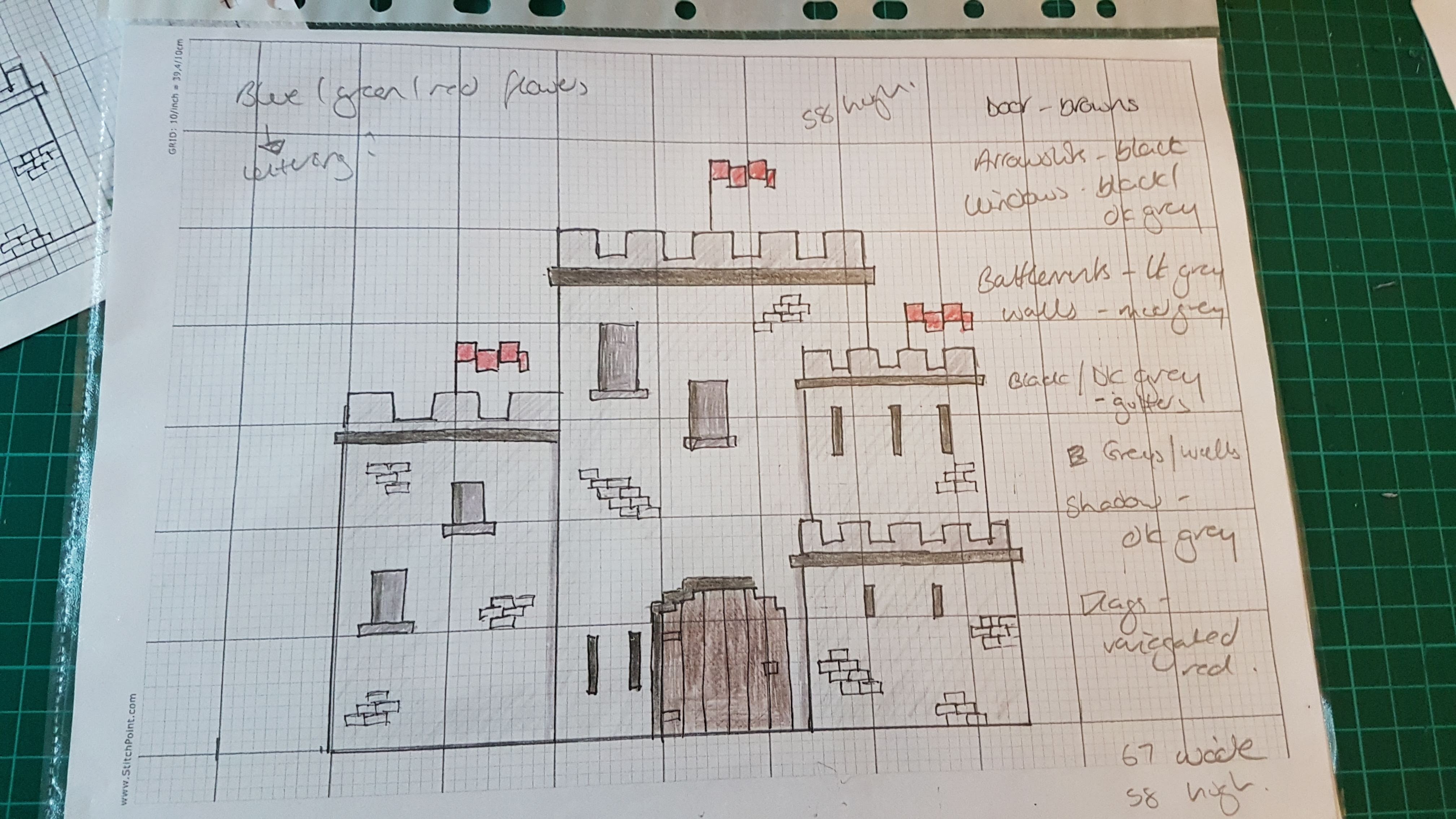
Once I’d placed the lettering on my graph paper I knew how wide the castle needed to be. I wanted towers, a big door, arrow slits, battlements. I wanted pennants. I wanted windows. (I also wanted a moat but decided that was one step too far).

I started with a main tower with a slightly smaller one on each side, but I couldn’t get the crenellations even on the central one, so I played with the widths: there’s still three towers but its a lot less symmetrical. I’m using several shades of grey to create different areas (which would have been a LOT easier if I’d been able to lay hands on my DMC shade card) and will use backstitch to highlight areas of stone. I’m using 3 strands of cotton over 14-count white aida for good coverage, and it’s coming on well so far – lettering is complete apart from backstitching. The variegated thread is DMC 115, my favourite shade.
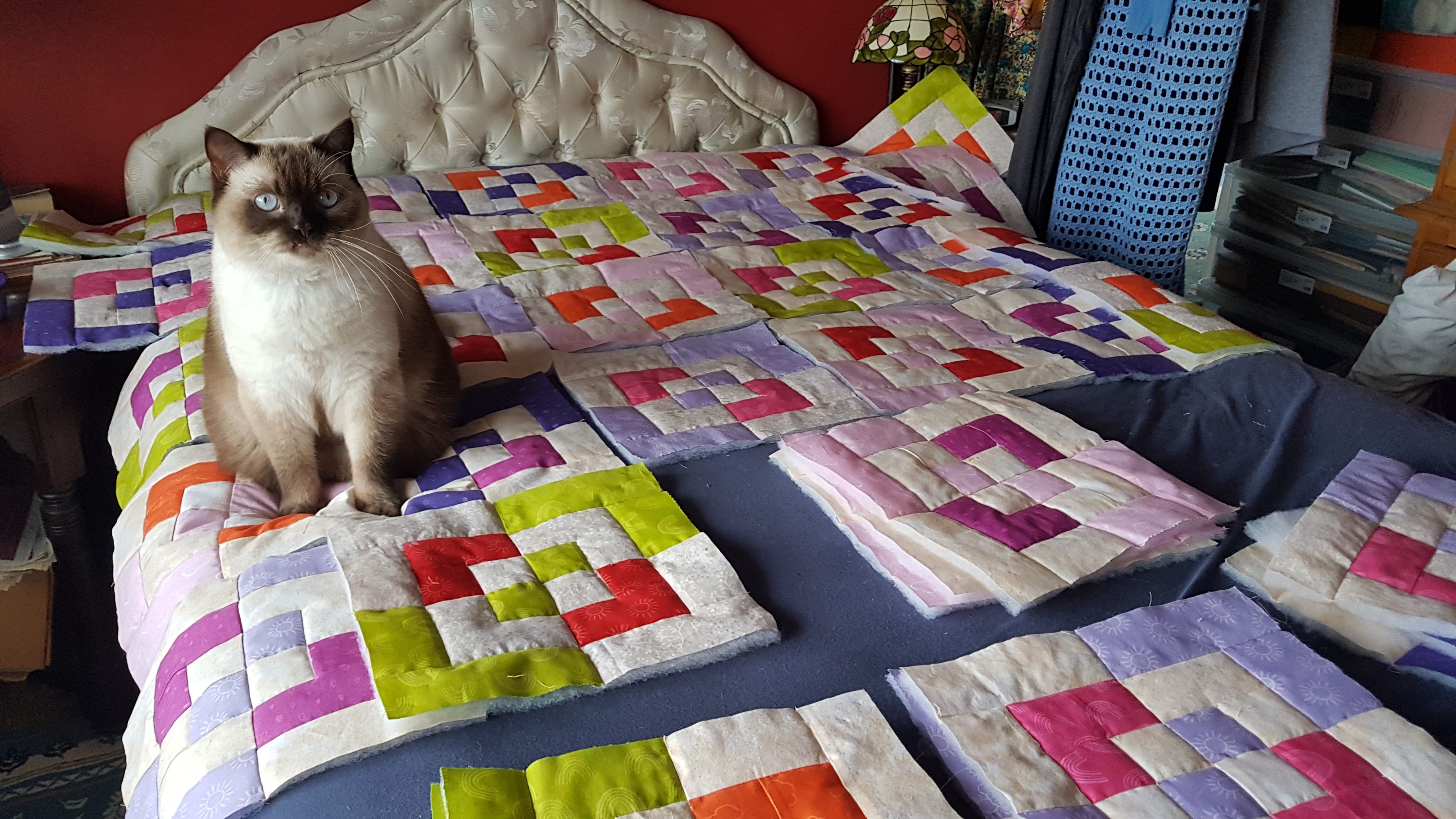
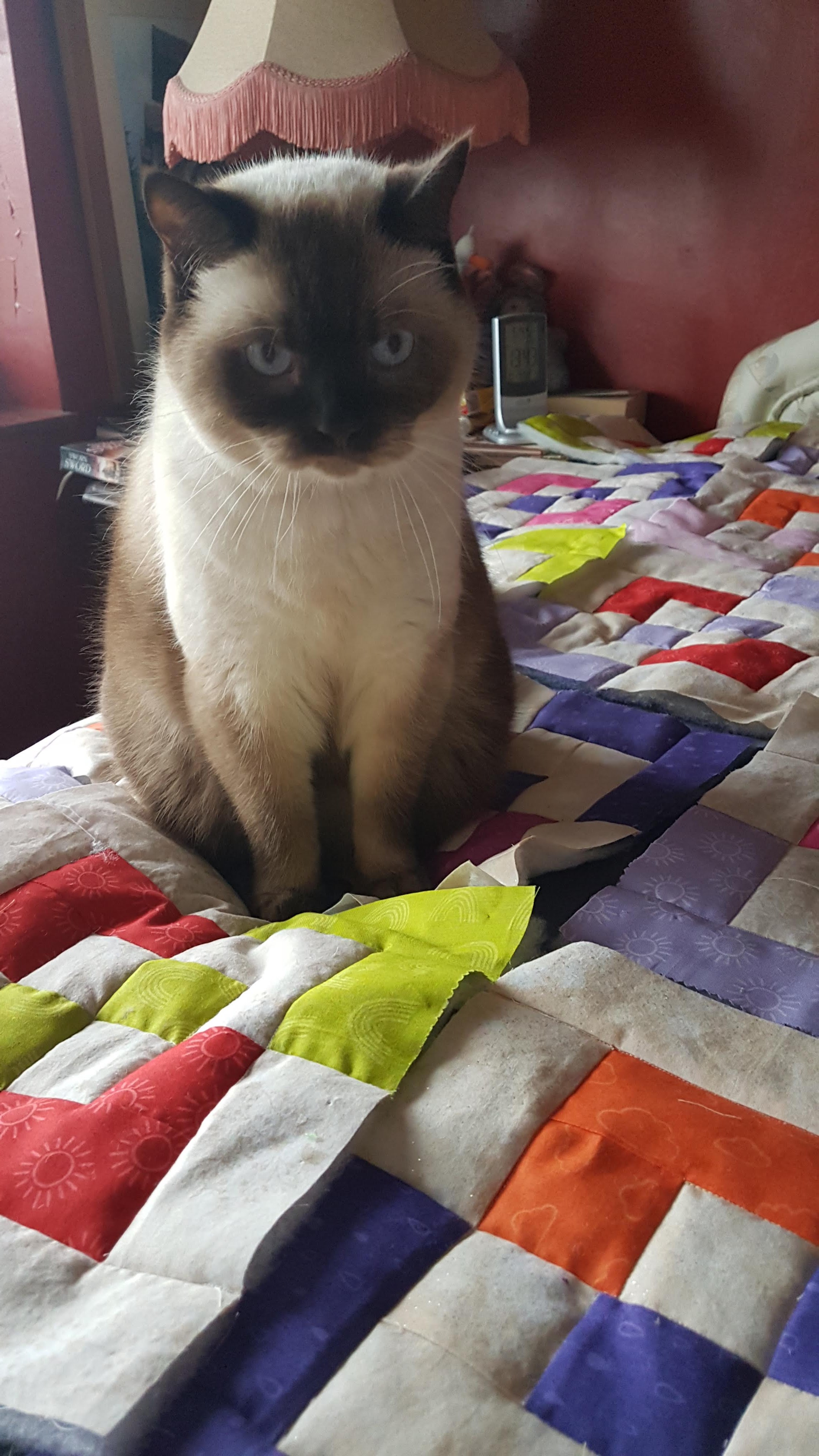
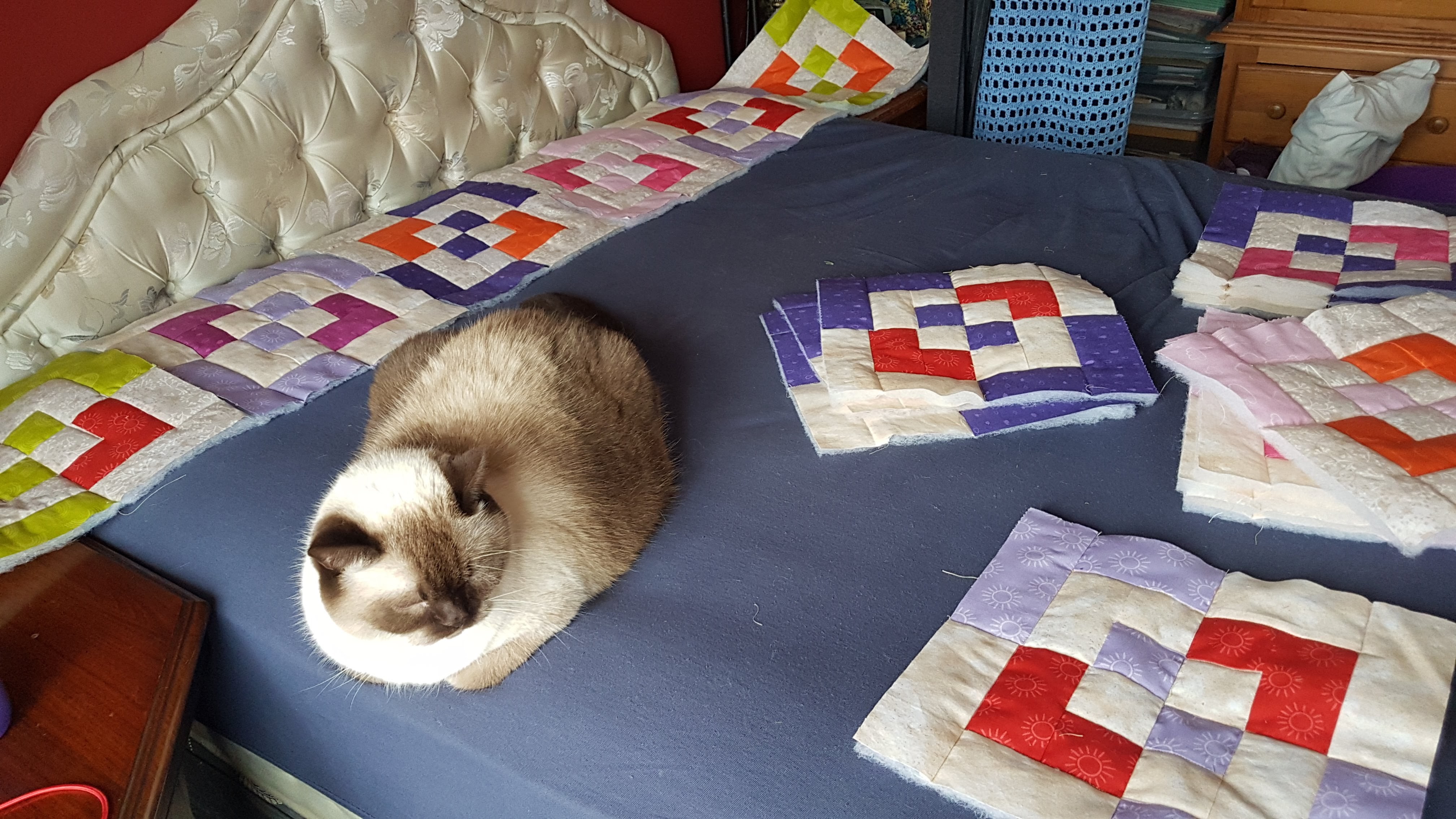
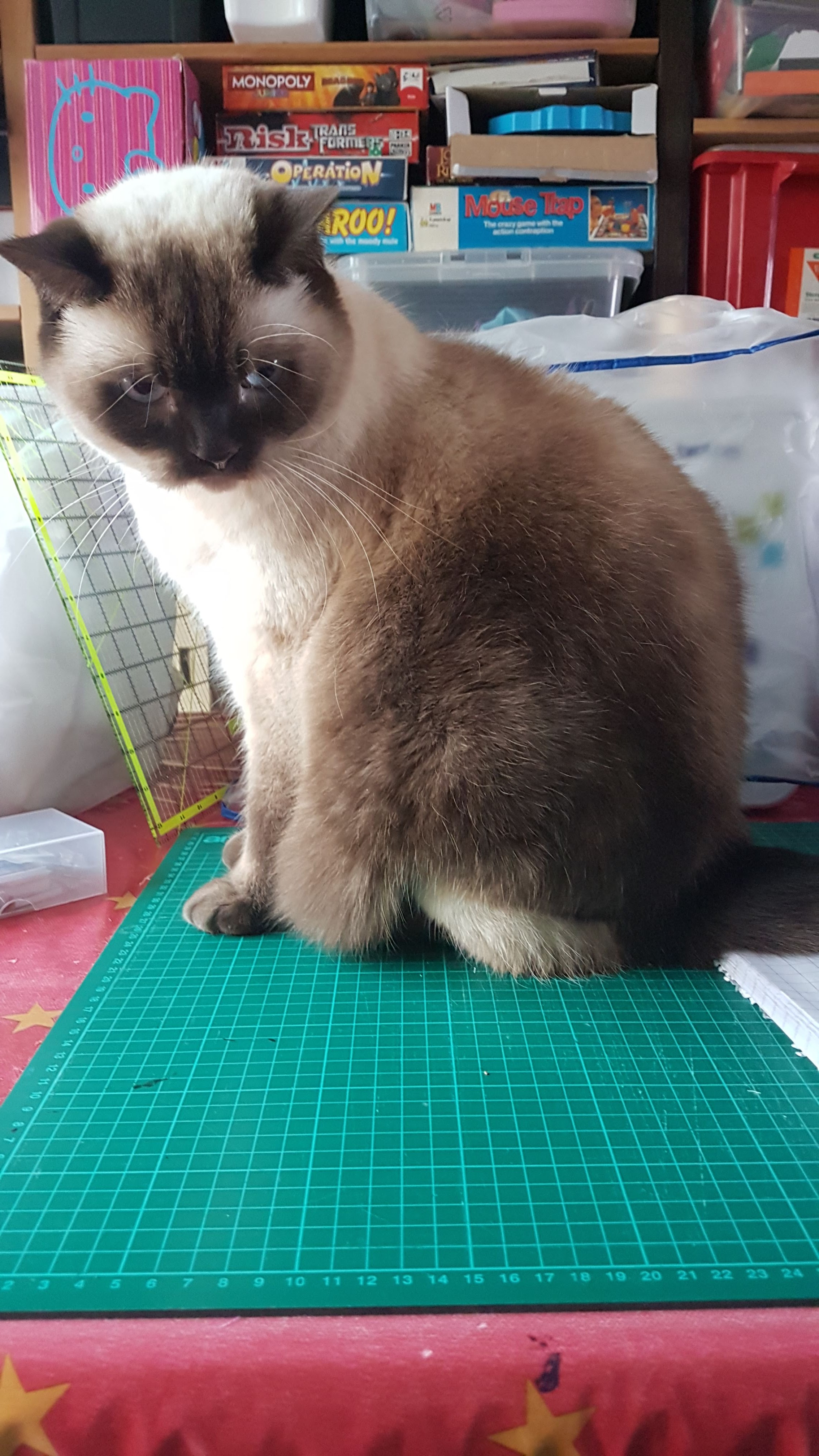
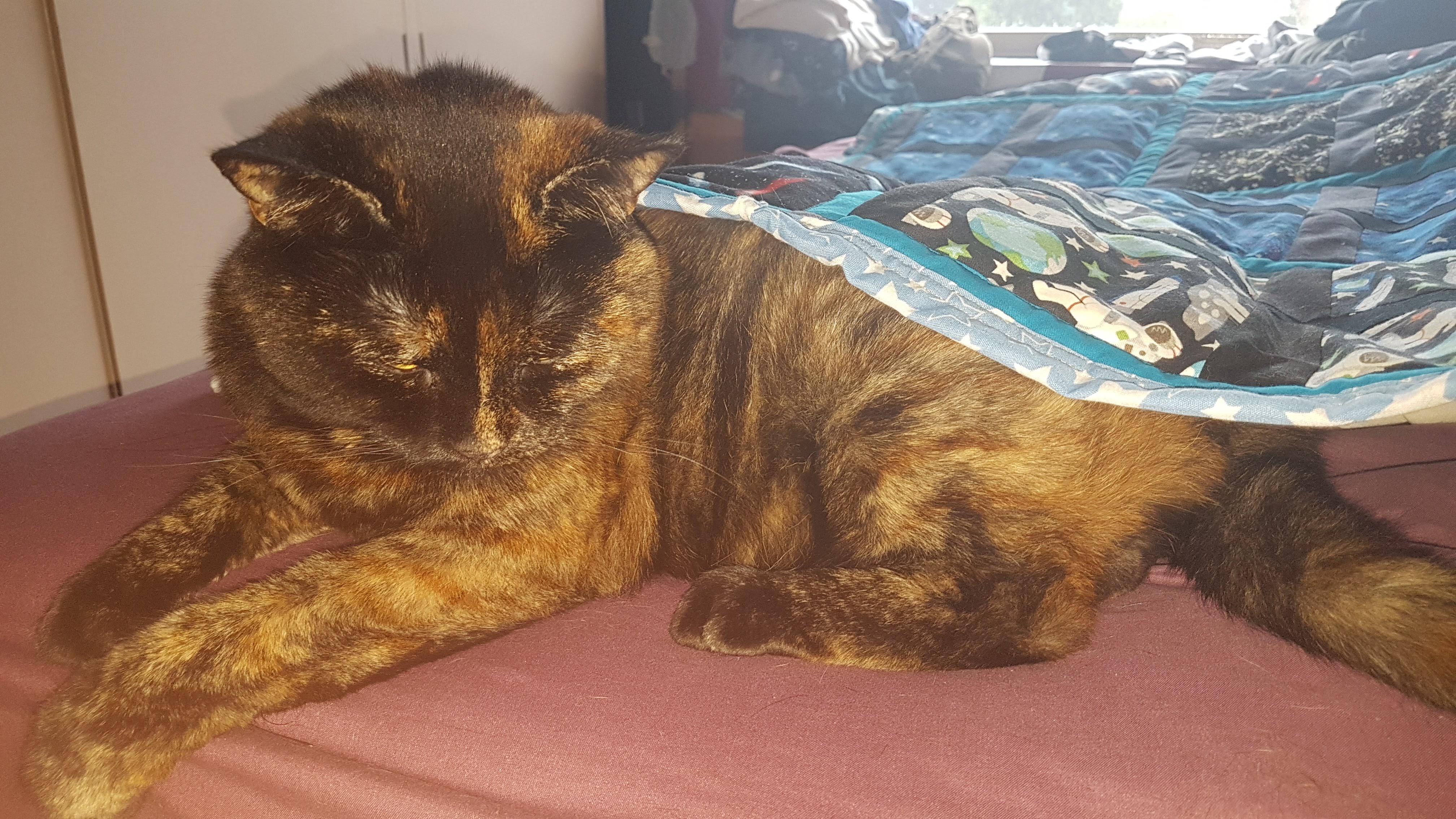
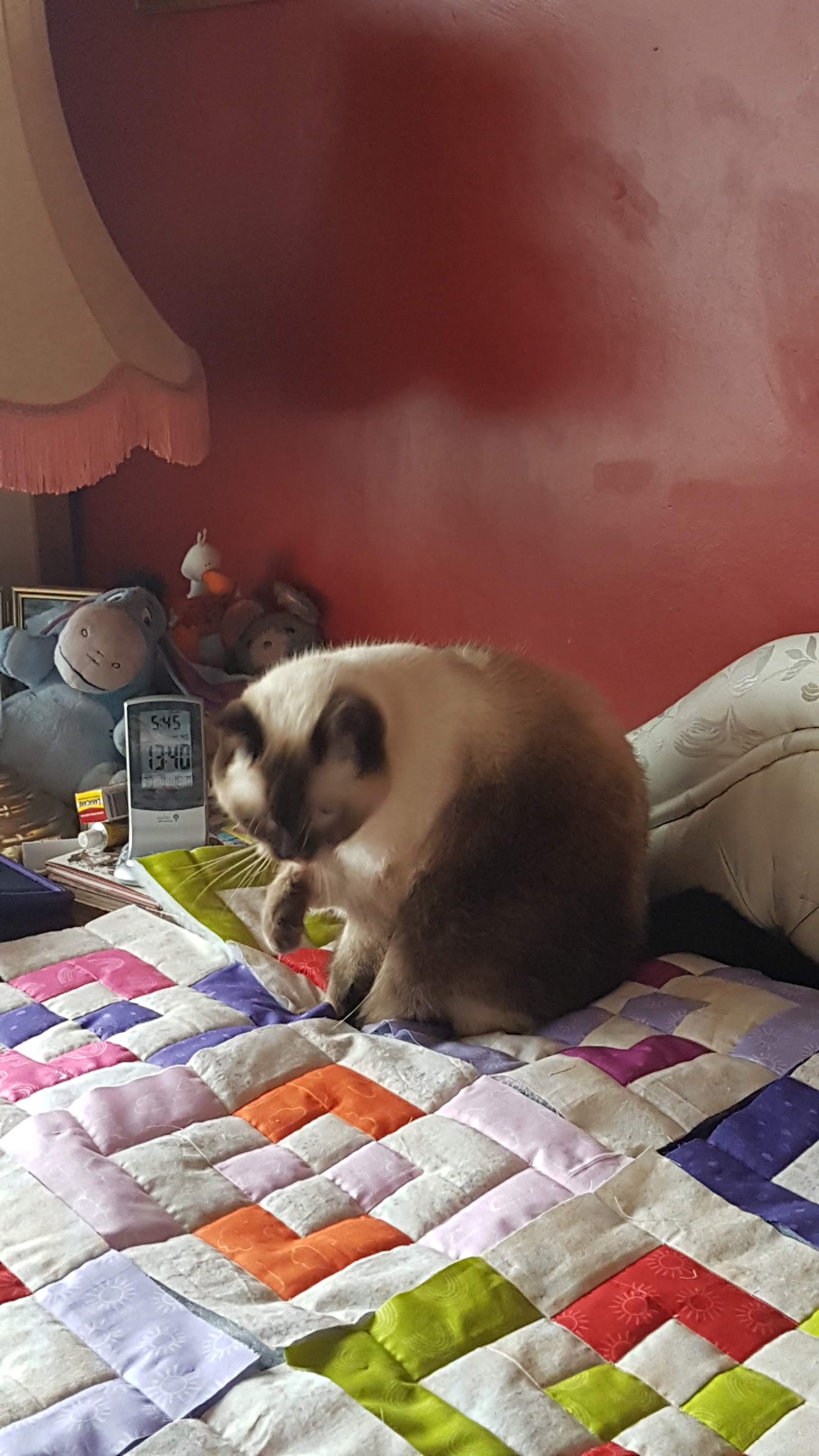
I have put the Bento Box quilt top together this week too. As you can see, Bailey was being incredibly helpful. Not shown is him digging under each block as I laid it out, which made the whole process a lot longer!

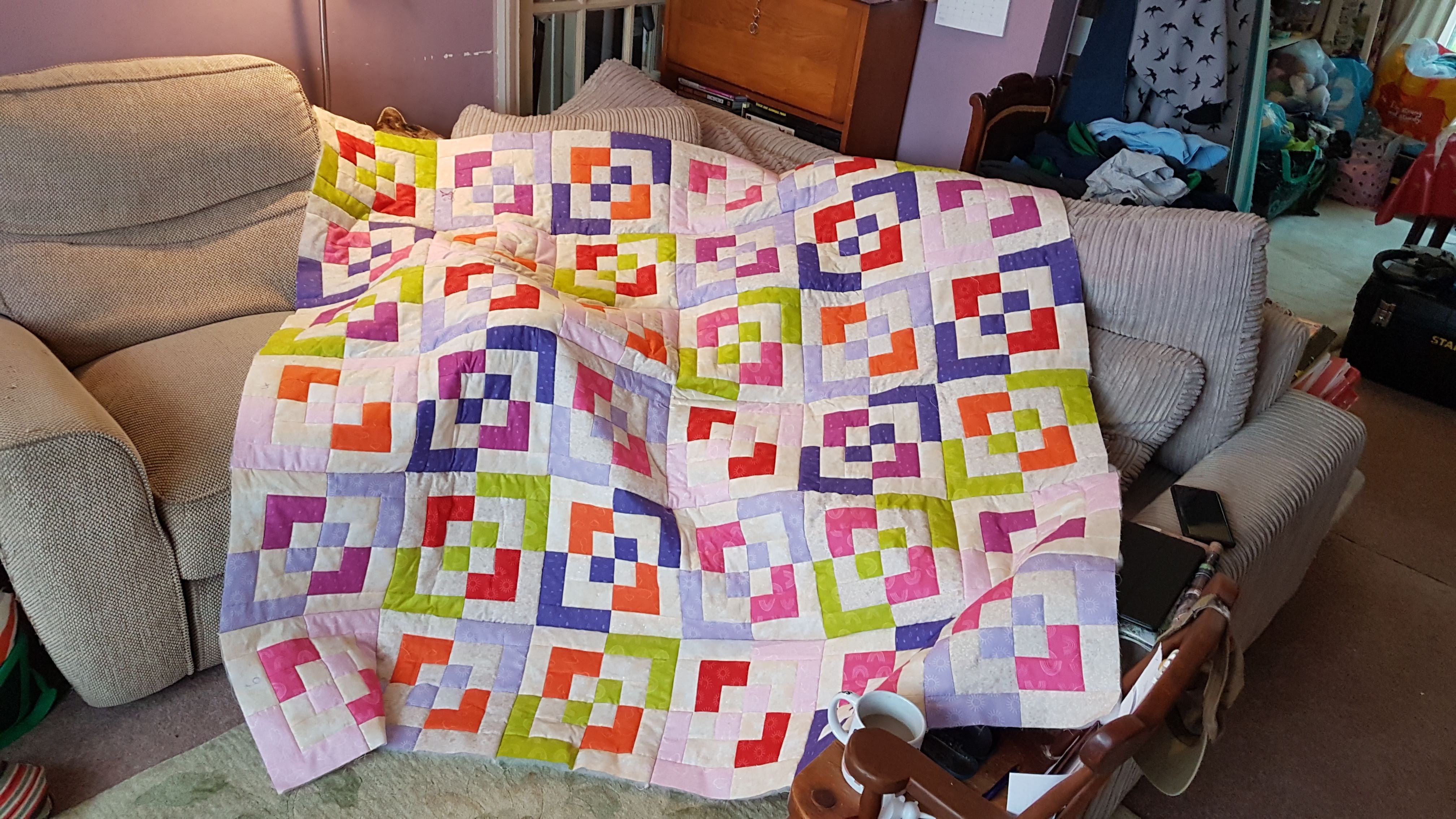
The top row is an inch shorter than the rest and I am not quite sure how that happened! I’ll have to do a block extension in the same colours and hope no one looks too closely! I’m going to back it with a cotton double sheet and I am considering whether I need a border. I have fabric left from all the colours, so I am tempted to do a striped one if it won’t detract from the Bento Box blocks.
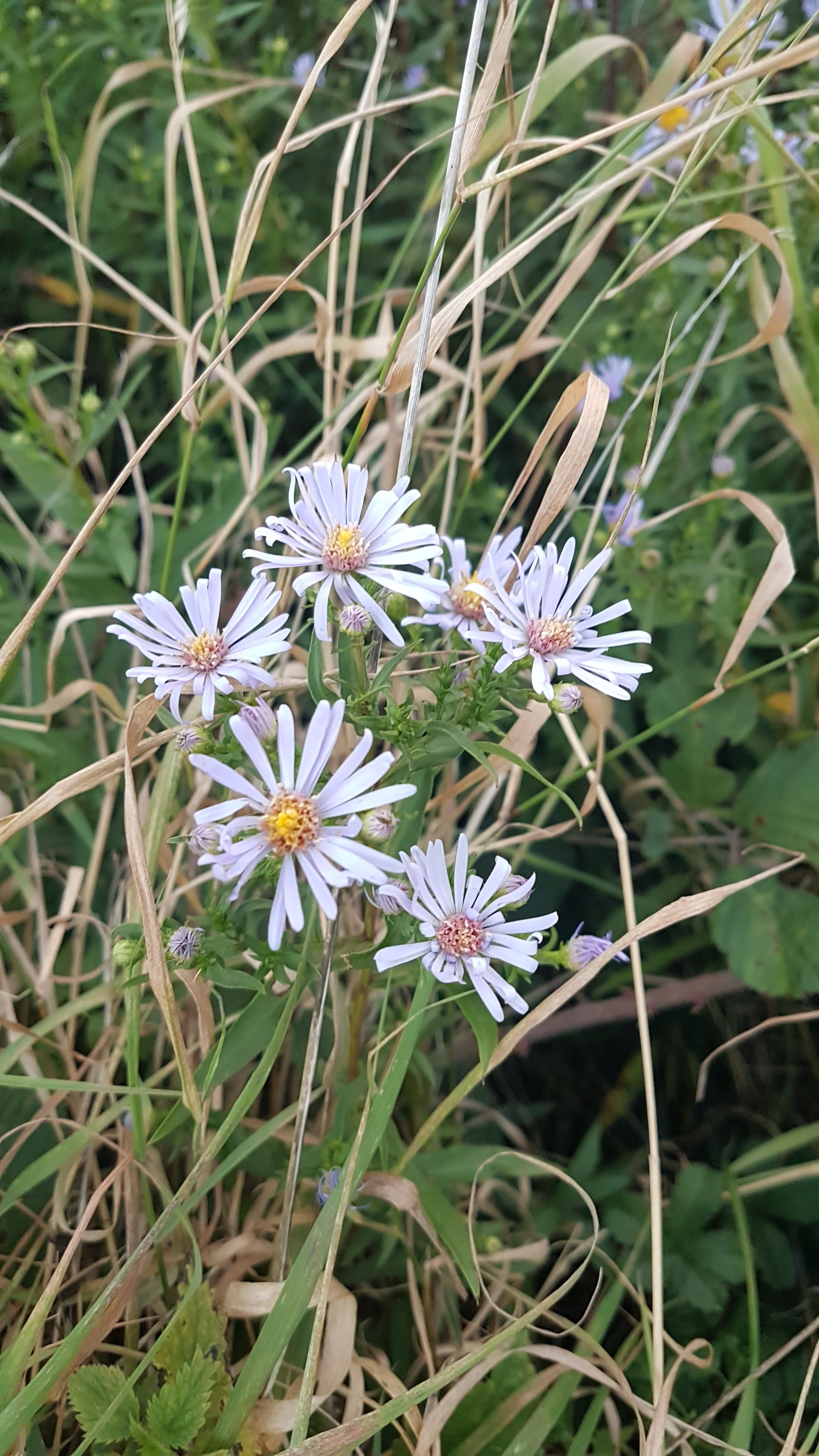
I also got round to picking some of my Chinese lantern plants (physalis) for drying – they look so pretty in my shed, and when they are dried I think I’ll add them to the vase with the crochet daffodils.

To-do or not to-do…

And now it’s October, and I have to work four days a week – practically full time! Back in week one I made a to-do list of things I wanted to do during lockdown. This feels like a good time to check back on that and see what I managed.

Here it is:

  • Purple jacket (a 1950s design that the sleeves wouldn’t work on, so I gave up in a huff and its been hanging from the curtain rail for about four years)
  • Crochet diploma – I made it to lesson 7, so need to pick that up again
  • Say Something In Welsh course – no progress made. Duolingo is coming on well though!
  • Coast ripple blanket (Attic24 pattern) – several rows done, and the weather is cool enough to work on this again
  • Long waistcoat – frogged the whole thing and reused the yarn in a cardigan that I only have one sleeve to go on
  • Attic window quilt (that I cut out when I only had one child)
  • Mini quilt (er, ditto)
  • Seurat cross stitch – at least I only started this last year! – ok, two years ago. I have nearly finished the whole top section, so some progress has been made.
  • Couch to 5k (again) – made it to week 4, twice, and damaged my ankle both times. I did take up open water swimming though!
  • Spring clean the shed, evicting the winter spiders…and being realistic about what I will actually use in my stash, then donating the rest

OK, I didn’t achieve everything but I don’t feel lazy – there’s been a lot of things made that weren’t on this list, and I have made a sizable dent in the stash through quilting. And I’ve really enjoyed writing this blog! The discipline of posting every week has been good for me.

So, that was week 28. Let’s see where week 29 takes us…

Kirsty x

What I’ve been reading:

Heartbreak Hotel/Night Moves (Alex Delaware) – Jonathan Kellerman

The Jupiter Myth/The Accusers (Falco) – Lindsey Davis (Audible)

Week twenty-seven: in defence of craft

Here I am again, having survived my first trip to Tesco in two months. Survived is the right word – I haven’t seen it so busy since March, with people stocking up on goods in case the country goes tits-up (the technical term!) again. I’d just like to say I’m not hoarding anything except chocolate malted milk biscuits. Fat chance! The freezer is full, the cupboard is overflowing….and I bet I’ll still end up in the Co-op at least once this week. How does the Horde eat so much? Will their father eventually turn into a chocolate digestive? And…what did I forget?

On Friday I virtually attended an inspiring Zoom conference run by the Craft Council, entitled ‘The Future of Craft in Education‘, which was fascinating (catering was awful though…). I didn’t think staring at a screen for the best part of six hours at the end of the week would be possible, but it was over almost too soon. The organiser ensured talks were short, breakout groups were well-organised and I am in awe of the person who managed the tech as it was seamless.

What happens when you clear a space for your tablet and notebook.

Imagine my horror when the head of one of the big academy chains declared that in order to help children ‘catch up’ with their education they would be abandoning creative subjects in favour of maths, English and. Science. The head of my daughters’ academy (who is, tellingly, from a drama background) was keen to reassure us that they would be looking at how to build core subject knowledge into the rest of the curriculum so students didn’t miss out. Much as I rant about the National Curriculum, it does set out the need for a broad and balanced education. I could wish that the cross-curricular links made explicit in Design Technology were mentioned to other subject teachers, but that’s another conversation!

However, during the pandemic ‘craft’ has come into its own, both as a source of well-being and as a way to do all those little things around the house that people haven’t had time for before: upcycling and mending clothes, cooking and baking, DIY, as well as the things we would more commonly identify as ‘crafts’. In August, Hobbycraft reported a 200% boom in online sales since the start of the pandemic, and as a dedicated online craft shopper I know that demand was high across the sector. There’s been a lot of focus across the cultural sector on the benefits of arts on well-being, and a slew of articles (like this one and this one) have been written on why craft is good for you. Lockdown – particularly for those of us on furlough – has given us permission to craft, to take up new hobbies and to revisit old pleasures. Various friends have taken up embroidery, started sourdough baking, experimented with cyanotype printing, made furniture, followed Bob Ross tutorials. I have loved seeing all their beautiful work on social media and it would be sad if these activities stopped when the world goes back to ‘normal’. The Crafts Council launched their brilliant ‘Let’s Craft’ initiative during lockdown, providing packs for families in need, via food banks and community hubs. This was really important at a time when some families were struggling to put food on their tables and luxuries were – literally – not on the menu.

The last ten years or so have seen a huge drop off in the take up of creative subjects at GCSE and above, especially Design Technology: perhaps due to the government focus on EBacc achievement, perhaps due to a belief that a ‘creative career’ isn’t one you can make a living at, and that all your education should be focused on an end goal of a ‘good job’ rather than on the transferable skills like problem-solving and team working that creative subjects can foster in children. My own secondary school pushed two routes: academic and vocational. I really wish I’d taken some creative subjects at GCSE, as I have definitely found more use for those skills than I have for French and Computer Studies!

And while this recognition of the benefits of craft is long overdue, it’s also a further threat to craft in education. Craft is currently being touted as something that can help children’s recovery, with their wellbeing, but not as a proper subject. Back in the eighties when I was in school there was a subject called ‘CDT’ or ‘DCT’ – craft, design and technology (or design, craft and technology) so craft was right there in front of us. It was in woodwork, in metalwork, in textiles. You could get an O-level with the word ‘craft’ in it – it was a proper subject. You learned how to use machinery (and hopefully how not to cut your finger off like every CDT teacher ever), how to transform a flat drawing into a 3D object, and how to make an apron. Technically the word still exists in the subject ‘Art, Craft and Design’ – but more often this also becomes just ‘art’ or ‘art and design’.

Somewhere along the line that word ‘craft’ was dropped and with it the importance of making. Design became the whole of the thing, even though even Sir Terence Conran said that

…I have always been concerned with the practical aspects of design, and relate my work to the manufacturing process. I have never designed anything that I wouldn’t know how to make myself.

The word craft became associated with craft fairs, with the sort of crochet your gran does, with the WI or the Mothers’ Union….with women, in fact. It became marginalised. It’s not a coincidence that the take-up of DT is mainly by boys, and the reverse is seen in art take up.

Yet…

Craft is democratic. It’s the great leveller – anyone can do it, and the past six months shows that they have. You can have a degree in it if you want – but you don’t have to. There’s so many tutorials on YouTube, on Craftsy, in books and magazines, that you don’t need to go to school to learn it. I crochet, quilt, cross stitch, make clothes – and I have taught myself to do these things.

Craft is community. Manu Maunganidwe, one of the speakers on Friday, spoke of his first experience of craft in the Somali village where he grew up. People came together to build a new house – they brought time and skills and they made a house from the ground up, because you can’t build a house by yourself. He spoke passionately about the need for children to experience tools and making.

Craft is haptic. It connects you through the sense of touch, through the experience of materials: choosing the fabric for a dressmaking project by stroking and folding it to see how it creases, squeezing the yarn at a yarn show, the squish of mud when a child makes mud pies. It is sensual. The process of making is sensory – sanding wood to make it smooth, smooth clay, the pull of embroidery floss through fabric.

Craft is resilience. You make a mistake, you try again. Later, when you begin to design your own projects, you try something out, you tweak it, you try again. This is the same iterative process that designers go through.

Craft is cross-disciplinary: You apply knowledge to solving problems: maths is invaluable across all manner of crafts (to crochet a sphere you need your times tables!), yarn dyers use science, a crochet pattern is a simple code. Last year I made a crochet model to demonstrate hyperbolic planes (negative space) for a maths session, mimicking shapes in nature.

Craft is cultural. Children from all communities grow up surrounded by traditional crafts in their homes: fabrics, art, cooking, embroidery, hairstyling. This is not reflected in the current curriculum. A key part of the day was about how craft could help with anti-racism, and my resolution is to seek out diverse makers for the new schools programme to reflect our local area.

Craft is expression: emotional and artistic. I can’t draw but I can make. No, I can’t draw yet. I will draw.

Craft is co-ordination. Barbara Hepworth, the sculptor, wrote that she had a thinking hand and a doing hand. You need hand-eye co-ordination to hit a nail with a hammer, to direct a needle to the right hole. I am a kinaesthetic learner and I learn by doing, through muscle memory. Crochet helps me focus. I can make a granny square while watching a Zoom conference without looking at my hands. If my hands are empty I find things to fidget with.

One sleeve completed during the craft conference

Craft is revolution. Not just in the William Morris Arts and Crafts Movement sense of revolution, but a quiet, beautiful revolution. Yarn bombing is a public, visual way to express an idea or an issue. After the terrorist attacks in Manchester and on London Bridge thousands of us knitted, crocheted or sewed hearts with a message of support and love for the residents of our cities as well as the victims of the atrocities. I sent some to Manchester and yarnbombed Canary Wharf and the Central line with messages of hope and love. Craftivism is a thing. This week on Radio 4’s Four Thought there was a fascinating programme on ‘gentle protest’ that you can find here.

In how many of these statements can you replace the word craft with the word art?

I know there are things I have missed here: please do share what craft is to you, and why you do it!

The last act for the conference was to make a pledge to craft education – something the Craft Council have been asking people to do for a while. Mine is to carry on pushing craft to anyone who’ll listen, and to be proud to be a ‘crafter’.

And while I’m on the subject…

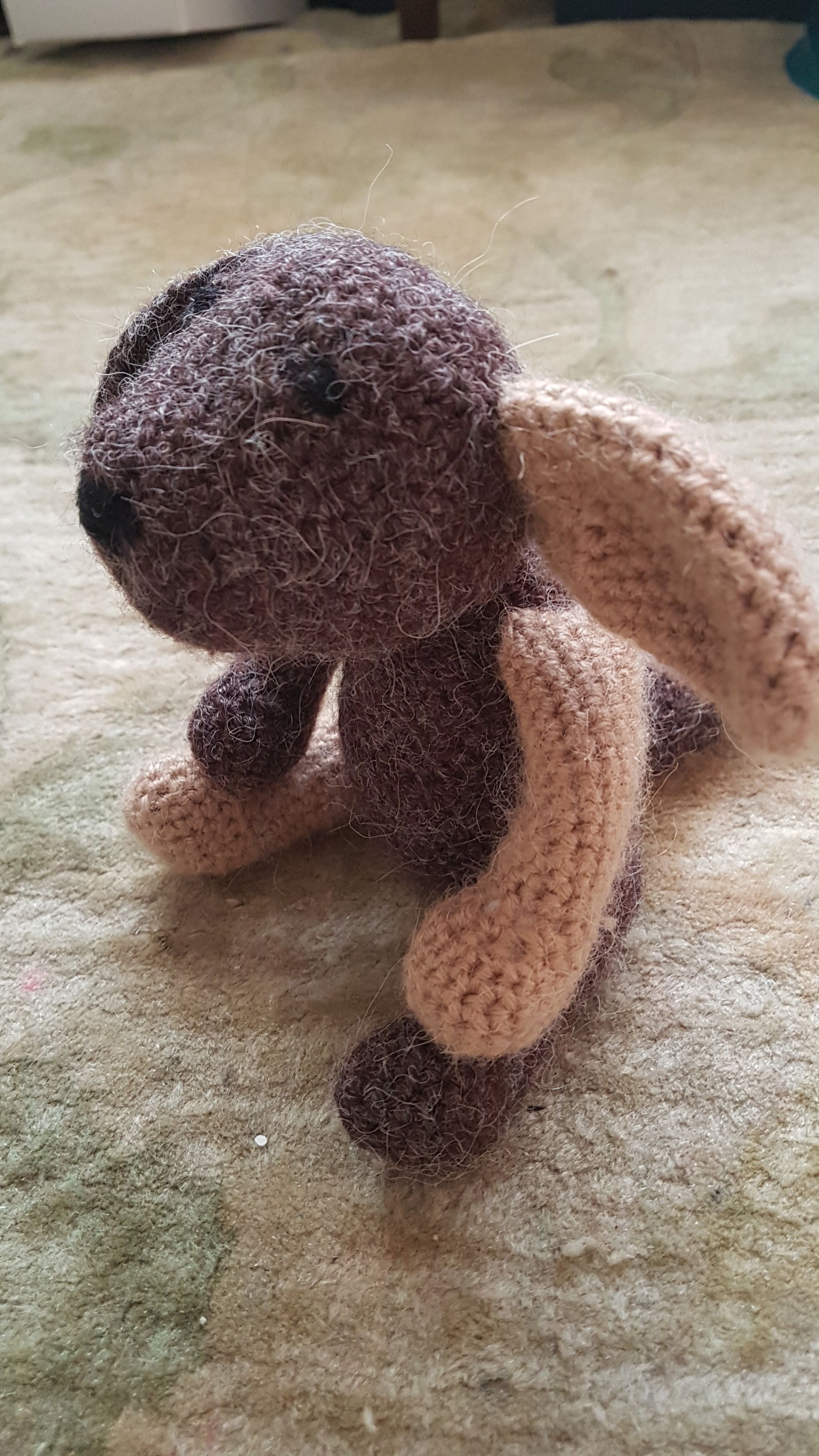
Here’s the finished crochet puppy for the small girl who isn’t allowed a dog – at least she won’t have to pick up after this one! The cardigan is lacking one sleeve, but I have done the cuff so it won’t take long. We are watching the new series of Ghosts so I am staying awake long enough to finish things!

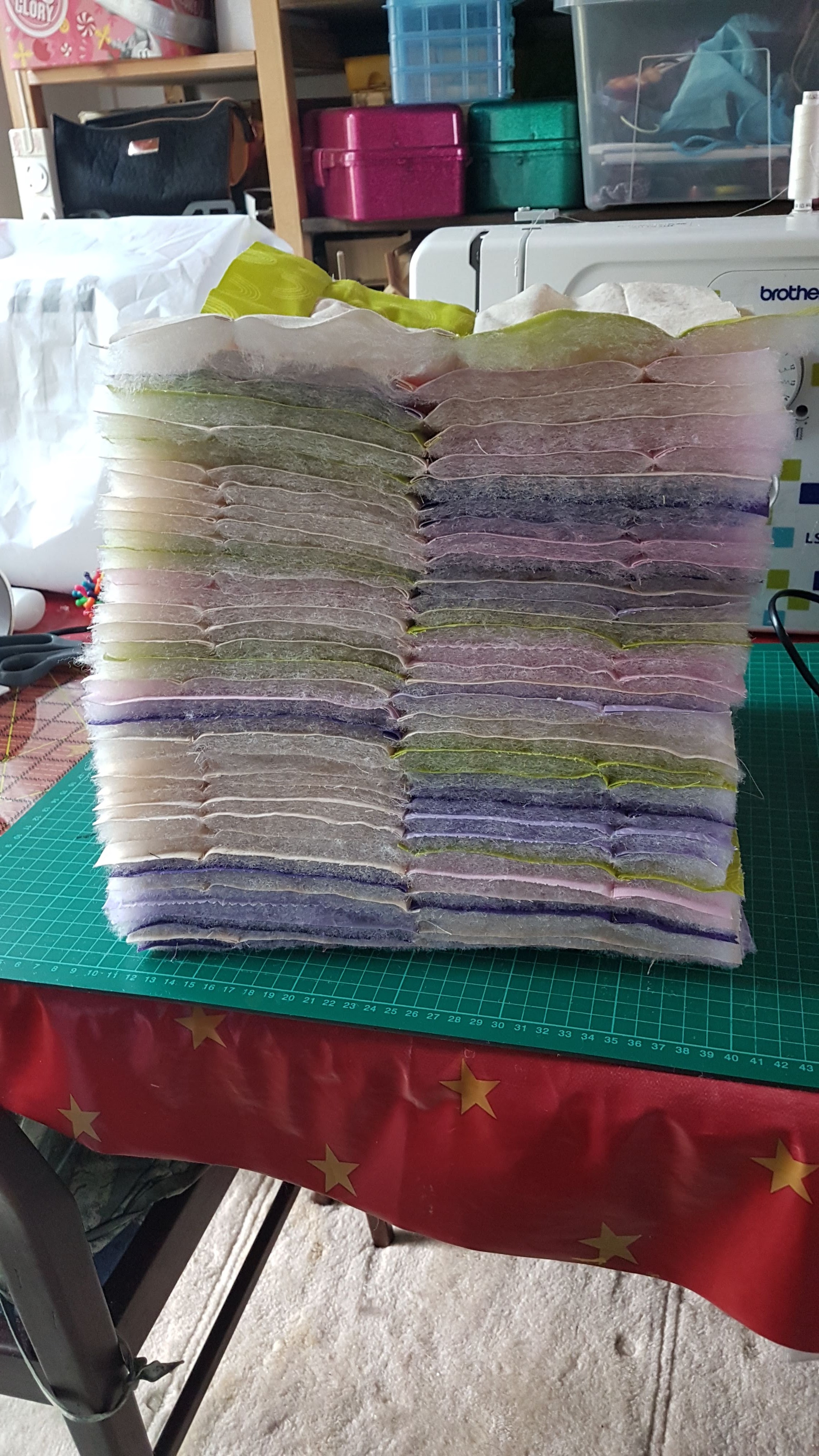
I also have a giant pile of fluffy quilted blocks – I had to make three more in the end, which still need to be quilted, but then I can start putting the bento box quilt together.

Wild wanders

I went out for an early walk this morning for the first time in a while. The weather has been a bit blustery for the last couple of days, and it really feels as if Autumn has arrived.

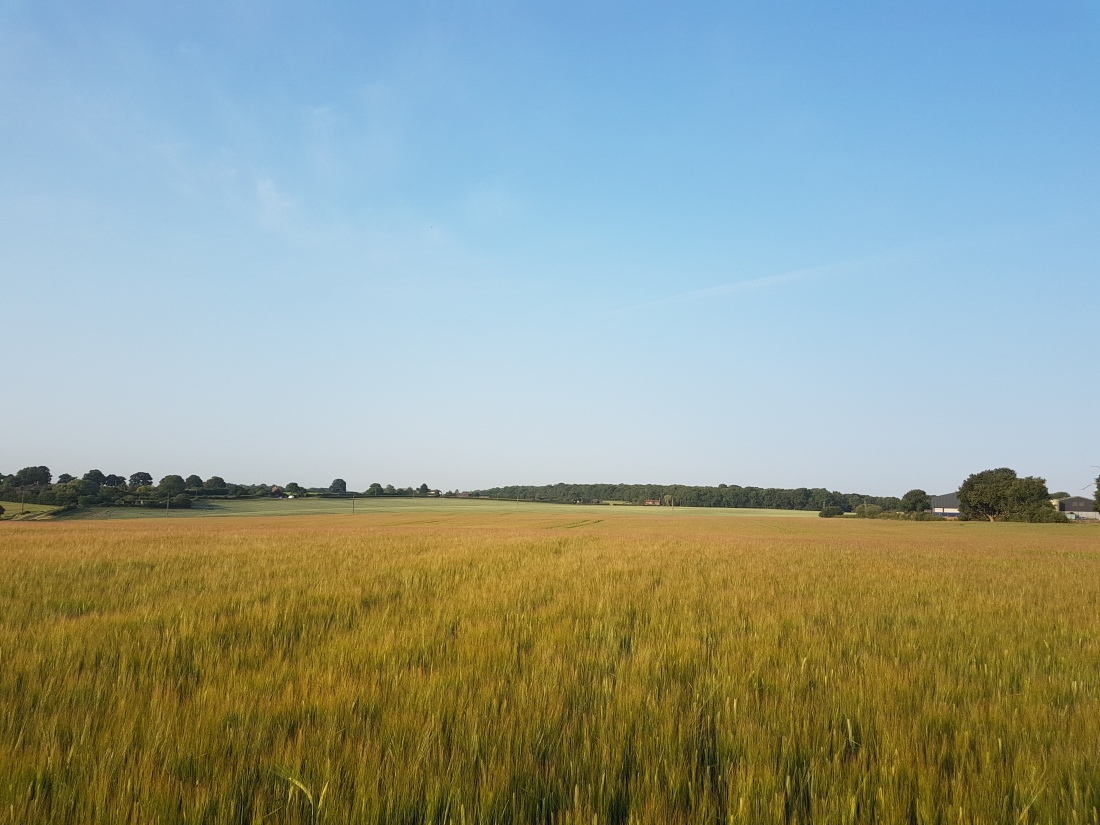
The clearance of scrub on the fields behind us is now finished and the brambles have been piled up in stacks all over the place, exposing the pylon anchors left when they put the power cables underground in the 90s. They reminded me this morning of standing stones – twentieth century monoliths. I am heartbroken at the damage to wildlife habitat – there were no deer to be seen this morning, though there was a prowling fox, several green woodpeckers, and lots of rabbits.

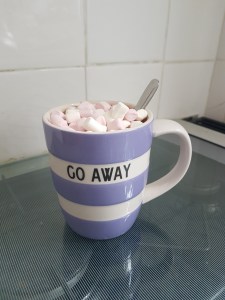
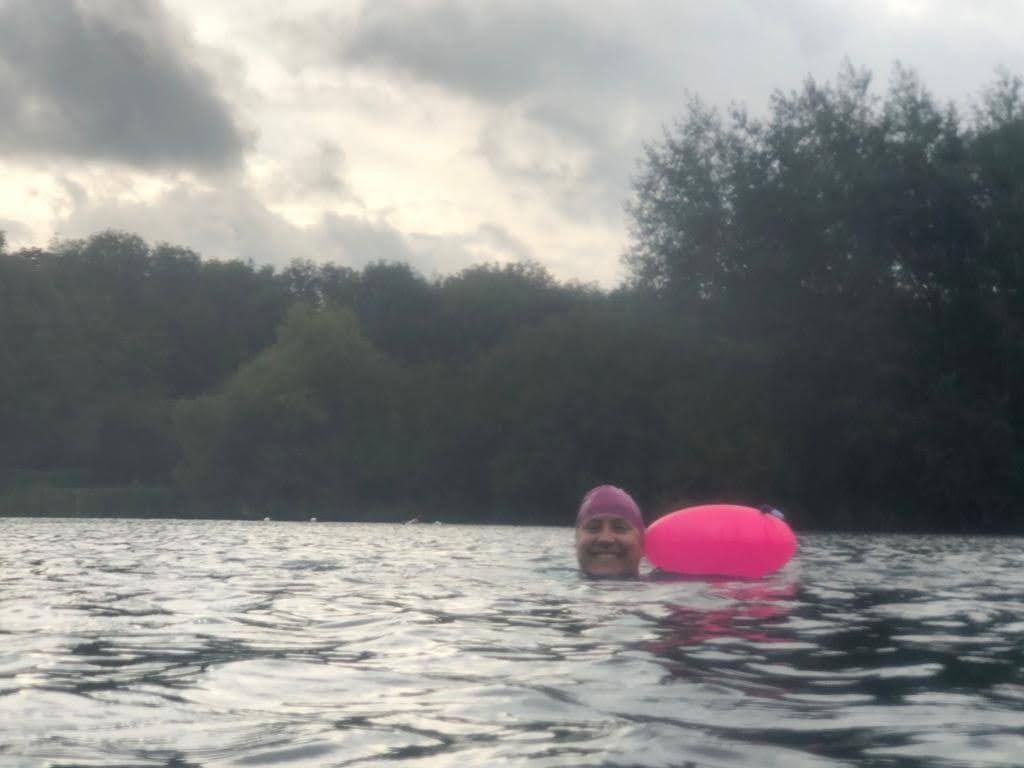
There have of course been a few swims – one late afternoon on Thursday. The light is so different at that time of day, with the sun low over the trees. The water is getting colder – around the 17 degrees mark, and I did feel it when I got out of the lake on Thursday. I am in charge of hot chocolate, which always reminds me of post-swim treats when I was young. Machine hot choc back then – I hope mine is better!

The temperature in the lake this morning was 13 degrees, the coldest we have swum and we very sensibly got out after half a lap (about 400m). I tested the DIY dry robe and I was positively toasty! However, this will be me for the rest of the day:

Teddy has autumn nailed

So that’s my week! It flew by. Next week I am going in to the office – how exciting! Is there still life west of Epping? It’s been a long time…

Kirsty x

What I’ve been reading

Breakdown/Heartbreak Hotel (Alex Delaware) – Jonathan Kellerman

A Body in the Bath House (Falco) – Lindsey Davis (Audible)
Week twenty four: back to school

September has turned up already (anyone mentioning how many weeks it is till the C word will be met with short shrift – be warned!) and 2/3 of the Things are back at school. I am back at work three days a week for the next month, which will be putting a serious dent in my crafting time. Still, it was good to see the gang over the Teams app on Tuesday – less exciting were the 1000 emails lurking in the inbox after four months off. There’s exciting plans afoot, and I’m looking forward to getting to grips with our redevelopment project, making contact with my forum schools and perhaps even seeing colleagues in the flesh at some point.

School started for Things 2 and 3 on Thursday – first day of secondary for Thing 2 and Year 5 for Thing 3. Thing 3 is pretty pragmatic and when he heard which teacher he’d be having his response was ‘cool, he gives out sweets’. He loves learning and soaks up information like a sponge, so being back at school is going to be good for him.

Thing 2 was a bit worried about starting her new school. Only one person from her primary school was going to the same school, and although they were in the same form their teacher made the children sit alphabetically so they were separated. Her older sister doesn’t go back until this week so she didn’t even have the safety of knowing someone further up the school.

Diving straight in on day one was a challenge for her, too. From a very early age she has preferred to sit out and watch what’s happening around her, and to join in when she feels confident that she has the knowledge to navigate the activity. She doesn’t like to ask people for help as this would mean talking to unfamiliar adults. This has applied to school, to birthday parties, to new people – when she changed primary schools she was outraged on her first day as ‘people tried to play with [her], and they didn’t even introduce themselves!’ She was very quiet when we picked her up, and didn’t want to go in the next day at all. Luckily she had a better day on the Friday, and felt more confident.

The nice thing about working from home is that I can be around for the school run – better late than never! I rarely made it to school run when they were younger as I was always working. When Thing 1 was in Year 3 my beloved and I both went to pick them up from school and one of the other mums was very confused: “I hadn’t realised you two were together!”

School runs right now are a feat of almost military precision – all three of them now have different start and finish times, and the two schools are three miles apart. It’s going to be a juggling act over the next few weeks for sure. Still, both schools are doing an amazing job co-ordinating the return and making sure the children and parents are feeling confident about sending them back. The secondary school welcome was lovely, with the head and his team standing at the school gates.

40% crafty

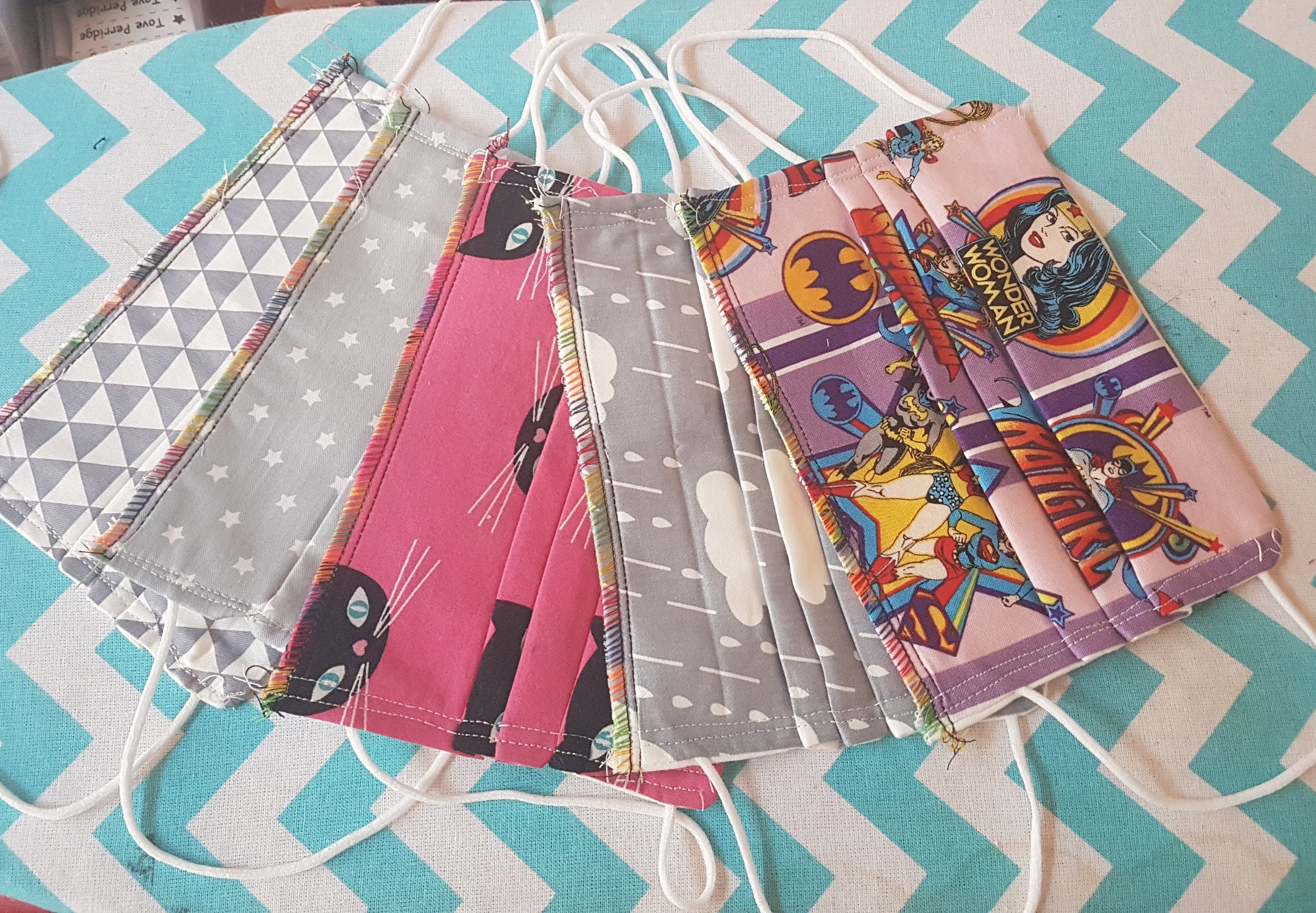
As I said, this whole work thing has put a bit of a dent in my craft activity! I did whip up a new batch of face coverings this week as the edict came down that secondary school children were going to need to wear masks to move around school, if not during lessons.

I used the same pattern as last time but adapted it to be three layers rather than two – a quilting cotton weight outer layer and two finer cotton layers made from an upcycled curtain lining. The main curtain fabric was used as a quilt backing a few weeks ago, and the curtains themselves were from a local charity shop. (Full length ones and there’s still lots of fabric left! I paid about £5 for them so this fabric was an absolute bargain)

One of the outer fabrics (hot pink with added cats) was Thing 1’s primary prom dress that she wouldn’t fit any more and Thing 2 wouldn’t wear (she doesn’t do pink!), so more upcycling there – I’ll cut the rest of the dress into quilt patches. I was also quite lazy and overlocked the whole of the bottom edge rather than turning through a hole. The final alteration I made was to stitch the pleats down with two rows of stitching so they feel more secure.

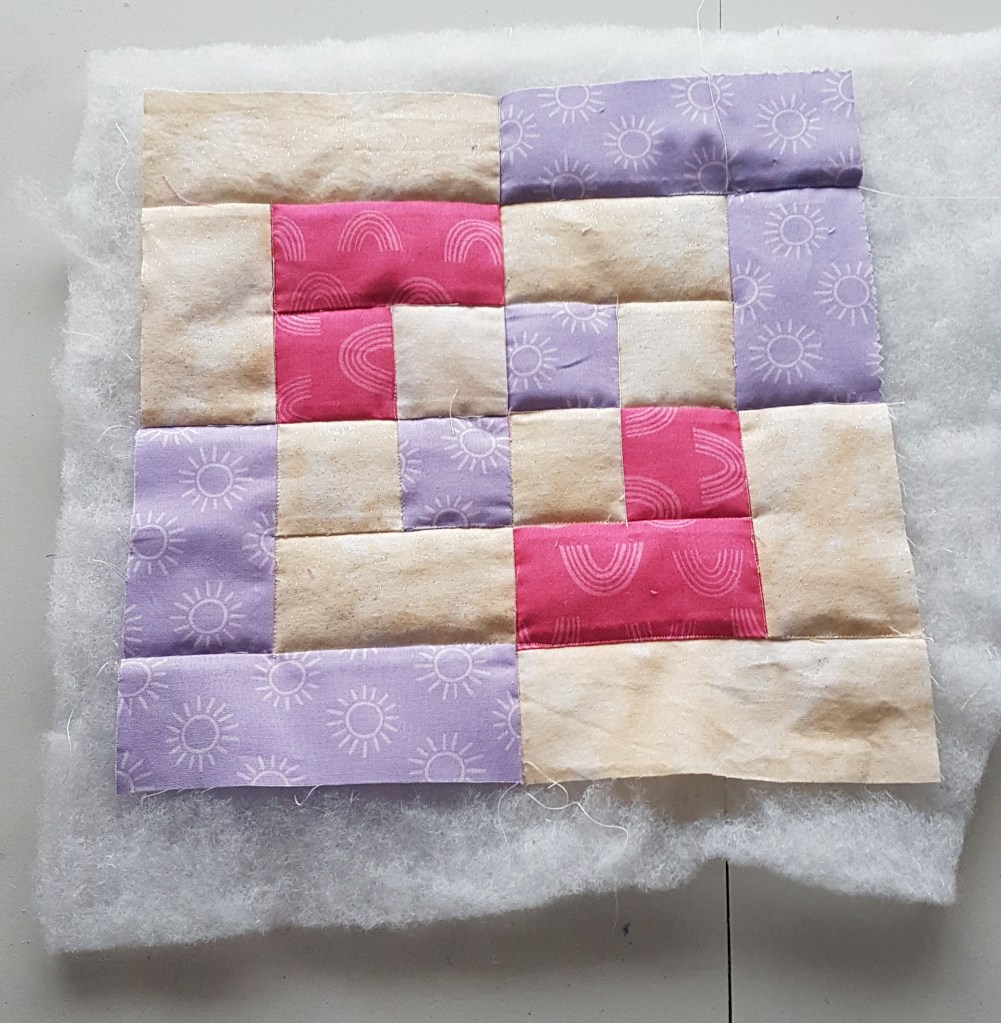
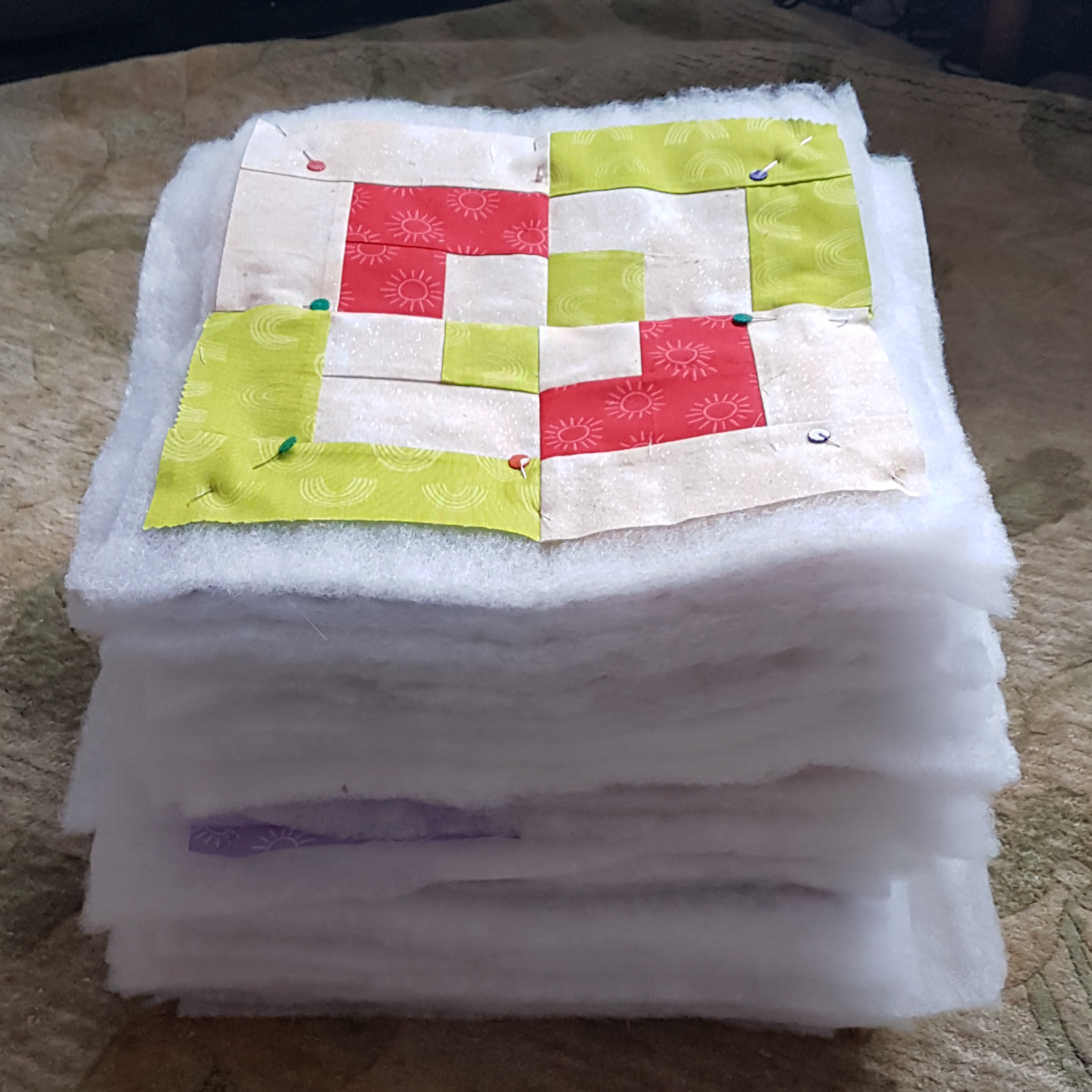
On Friday and Saturday I worked on the Bento Box quilt I started a few weeks ago, using this tutorial. I ran out of the blender fabrics and had to wait for some more, so that held the project up. This week I pieced the final blocks together, ending up with a total of 33 although I may make some more. I have decided to do this one using the ‘quilt as you go’ method. I’ve never tried it before but it must be easier than wrestling six foot by five foot of three layered quilt sandwich through the machine, right? I’ve found a few tutorials on Pinterest, of course, so now I have a huge pile of blocks pinned to squares of batting and I’ve had a practice on one square so far. Stay tuned!

On a side note – I put this on my Instagram feed yesterday and tagged the fabric designer (Stuart Hillard – the fabric is his Rainbow Etchings range) and he commented on the pic. Did I fangirl? OF COURSE I DID.

I do like to be beside the seaside

We had a last summer holiday hurrah on Wednesday, packed our flip flops and towels and headed to Walton-on-the-Naze for the day as the kids have been desperate to go to the beach – so have I, to be fair. I hadn’t planned on going in the water as we usually go to Clacton and the water is brown and murky, but Walton – even though its only just round the coast – seemed much nicer. We got there just before high tide and the beach was underwater, so we wandered off in search of some lunch – this turned out to be some very good pizza which we ate on a bench in the shelter watching the seagulls. We did share our crusts with the seagulls, throwing them out over the sea where they caught them on the wing.

After lunch the beach was reappearing so we headed to the south of the pier and found a spot to colonise. The kids headed straight into the sea and demanded I joined them, so we had an hour or so bouncing through waves at neck height – the water was about the same temperature as the lake, so it was cool but bearable. The kids loved dodging the waves on the other side of the breakwater, and the adults enjoyed what was left of the sunshine.

Talking of lakes, I’ve had a couple of dips this week – the temperature is slowly falling and was 16.8 degrees this morning. On Monday Sue and I headed up with one of her children – it was chilly and rainy and we definitely earned the hot chocolate afterwards! On Saturday four of us went up together – slightly warmer at 17 degrees, but there was a general agreement to maybe think about getting some warmer gear. The hot drinks and brioches afterwards were most welcome.

This morning I did one lap in wetsuit and one in skins, much to the bemusement of my swim buddies. I have never been described as ‘hardcore’ before and I doubt I ever will be again!It wasn’t too cold but I definitely felt alive after – akin to the sensation of tea tree and mint shower gel, I’d say….

So that’s been my week! Thing 1 goes back to school on Tuesday to start the first year of her GCSEs. All three have decided they want packed lunches so that’s one more thing to remember. I have promised to make some flapjacks this afternoon for them to have as snacks, so I’d better get on with that. I also have an apple fudge cake on the list as we have a whole lot of apples that need using up and we’ve already had apple cake and apple and blackberry pie this week.

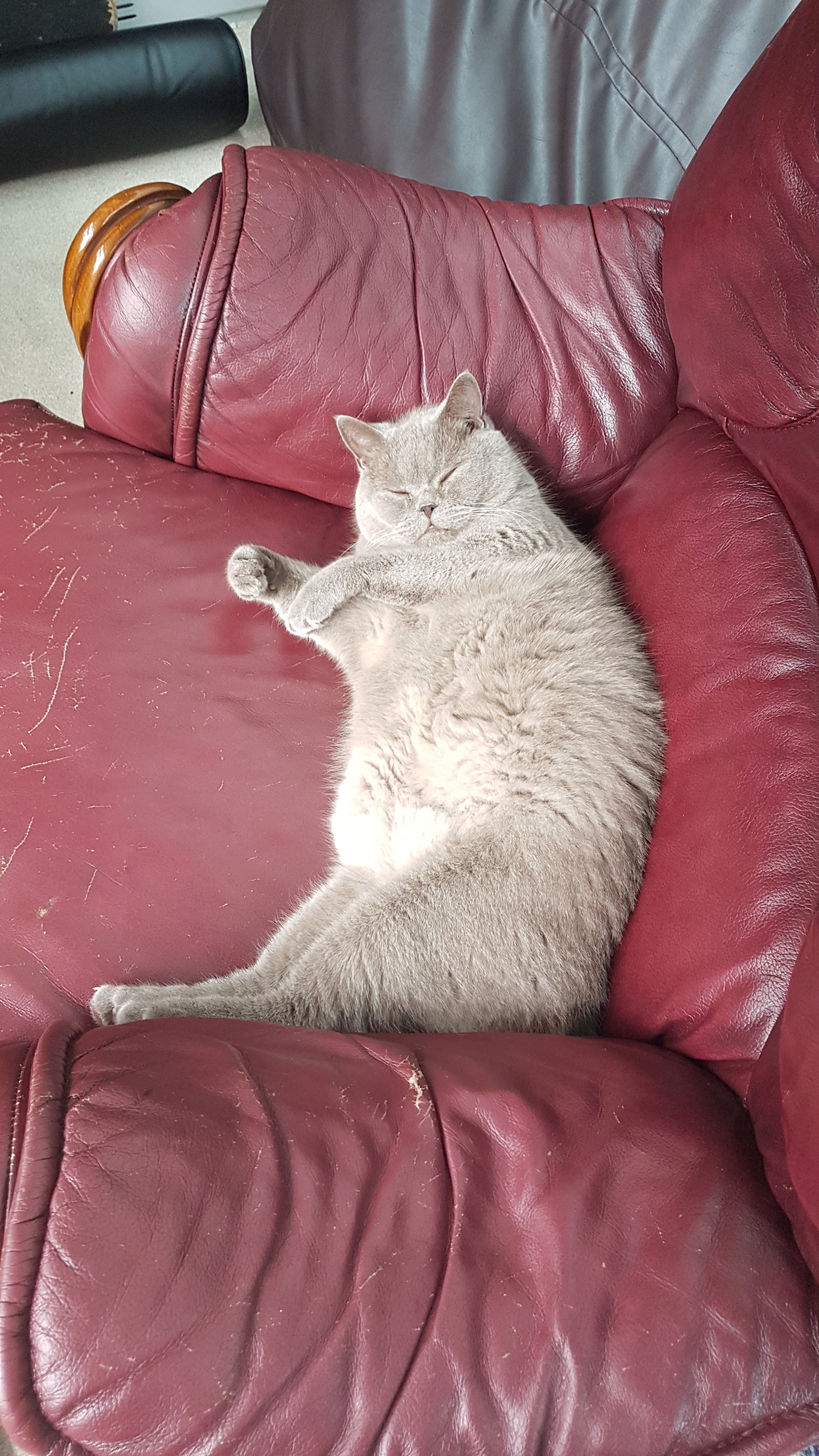
Teddy is taking everything in his stride…

See you for week 25!

Kirsty

What I’ve been reading:

Oranges and Lemons (Bryant and May series) – Christopher Fowler

Three Hands in the Fountain/Two for the Lions (Falco series) – Lindsey Davis (Audible)

Week twenty one: Harlow – not just a geography case study

I seem to have spent large parts of the past month or so travelling through Harlow on my way to or from Redricks Lakes for swimming, including one this week as the sun rose and one in the pouring rain. I really am addicted to this open water swimming – I am not fast, and I can’t do front crawl as I don’t like putting my face underwater, but the sense of well-being I get from being in the water is enormous. You can read more about the health benefits here. I am very aware of the water around me, the wildlife I’m sharing the space with, and my surroundings in a way that you don’t feel in a pool. Today I swam two circuits of the lake – just under a mile in total – which is the equivalent of 60 lengths of my regular swimming pool. Swimming that distance indoors would bore me senseless – and because I tend to swim before work its hard to relax into the swim as I’m very conscious of what I have to do that day. There is always a clock ticking away in the pool too, which you don’t have in the lake. I have no idea how long the two circuits took me today – but it doesn’t matter!

Anyway, back to Harlow!

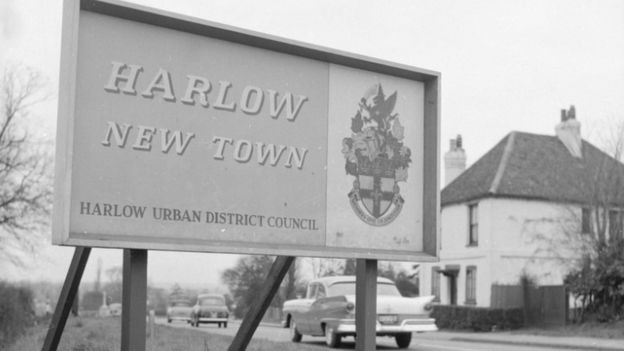
Harlow was one of the first wave of ‘New Towns’ created by the New Towns Act of 1946 to relocate people from bombed out areas (in Harlow’s case, mainly north east London). It sits about five miles to the north of our village and it’s where we go to the cinema, to buy school shoes and so on. It has a LOT of roundabouts. (I really mean this. A LOT.) Municipal Dreams (one of my favourite blogs) has a couple of good posts on Harlow New Town.

Welcome to Harlow (Image from BBC)

The first time I heard of Harlow was way back in secondary school in south Wales, in geography lessons as part of a case study on New Towns. To be honest, I didn’t take a lot of notice back then as Essex seemed a remote and exotic place peopled entirely by blondes in white stilettoes and Capri drivers named Kevin (this was the ’80s, and the ‘Essex Girl’ was a thing. Sorry, Essex people…). I certainly never dreamed I’d be living here – or that all three of my kids would be born in Harlow. We learned about the large quantities of concrete, the first pedestrian precinct, and the fact that the first residential tower block was built there. There’s also large areas of green space (Gibberd’s ‘Green Wedges’) and sculptures all over the place by all sorts of famous people. The town was rebranded in 2009 as ‘The World’s First Sculpture Town’. Museum Mum visited the town during lockdown and followed one of the trails – you can see her post here, and you can find the trails here.

The masterplan for the town was drawn up by Sir Frederick Gibberd, a modernist architect who spent the rest of his life living in the town. His home and its gardens were left to Harlow Council for the benefit of the town.

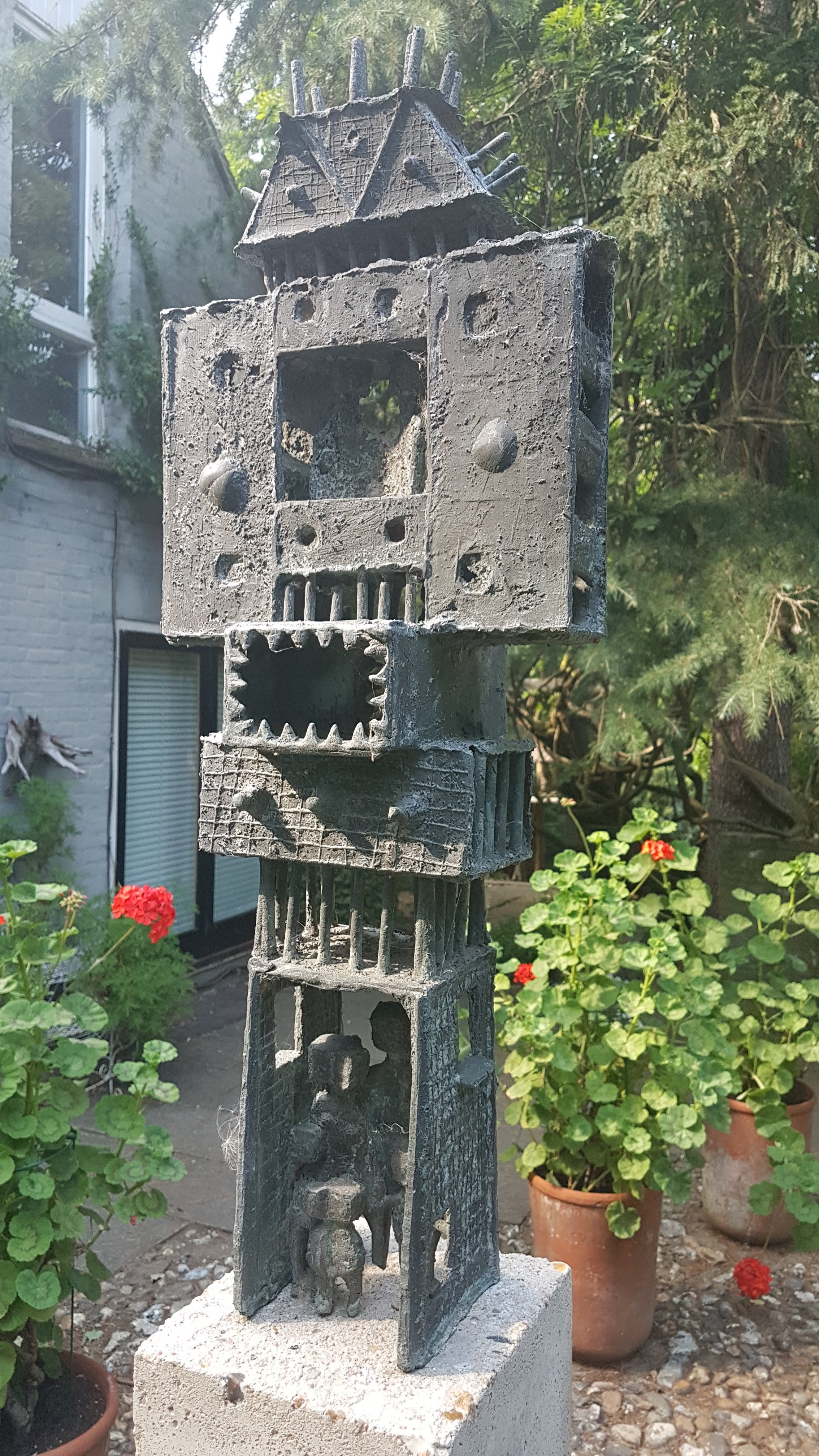
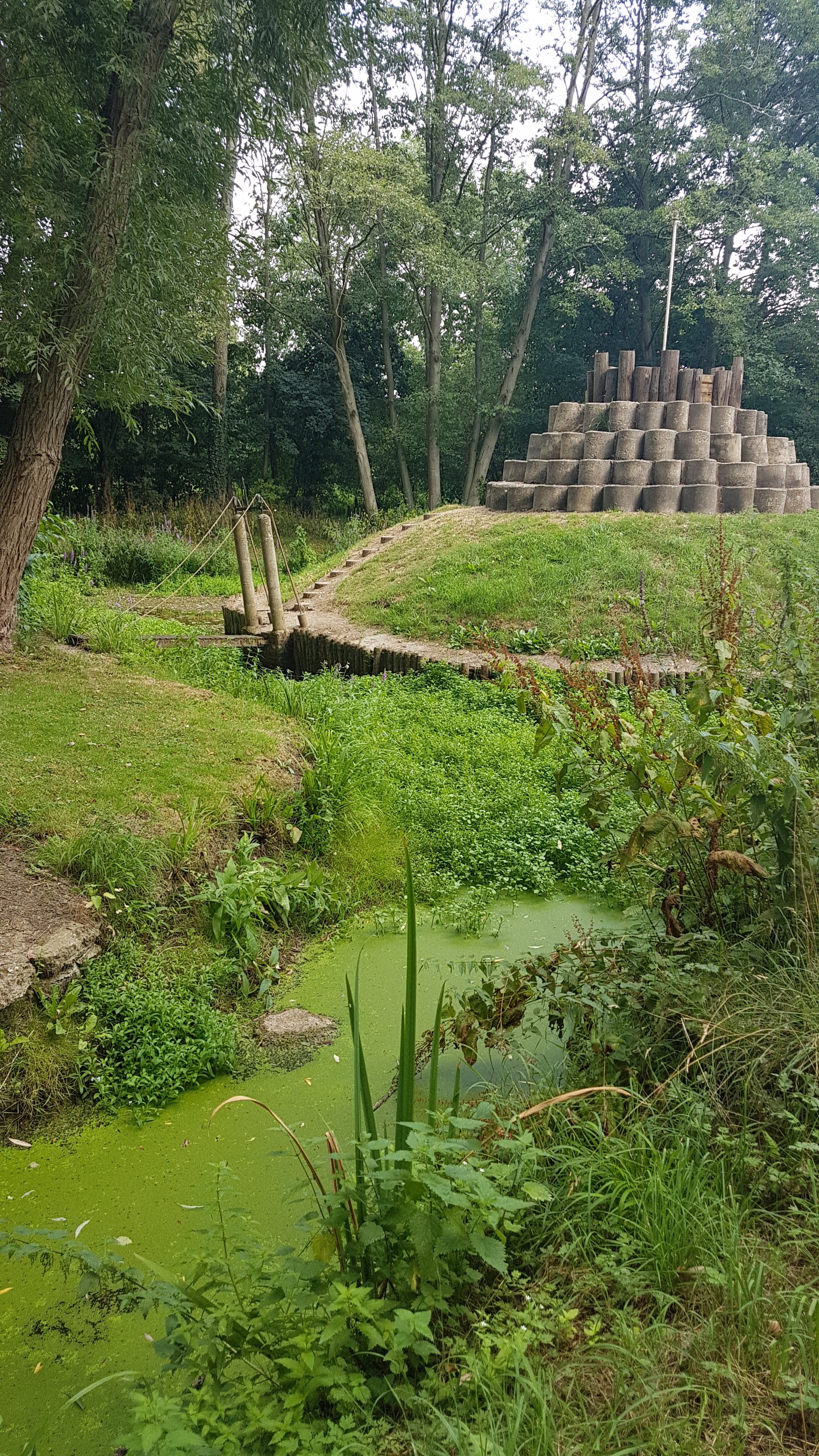
So this week my neighbour (and swim buddy) and I decided to drag our hordes away from Minecraft and TikTok and carted them off to Harlow to experience a bit of culture by way of a trip to the Gibberd Garden. Sadly the house is closed, due to the coronavirus restrictions, but the gardens have reopened. You pay for entry – £5 for adults, and children up to 16 years old are £1 each – and another pound for a really well produced map/trail that the children enjoyed using to identify the sculptures. There’s not a lot of information about each (spot the museum person….) but that’s what Google is for! Naturally Sue and I ended up carrying the maps in our usual role as parental packhorses, as soon as the children discovered the castle fort (complete with moat!) and giant swing.

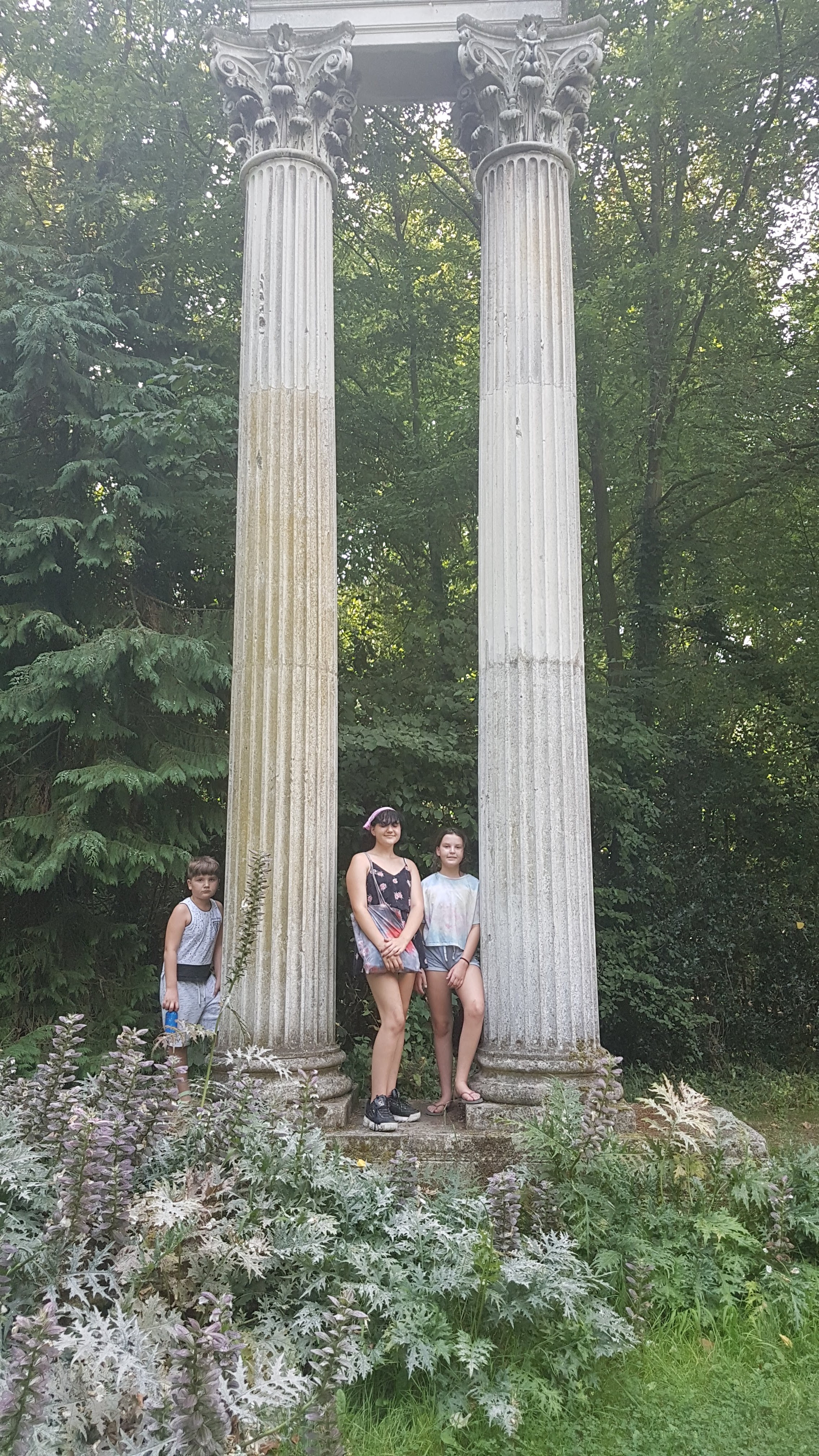
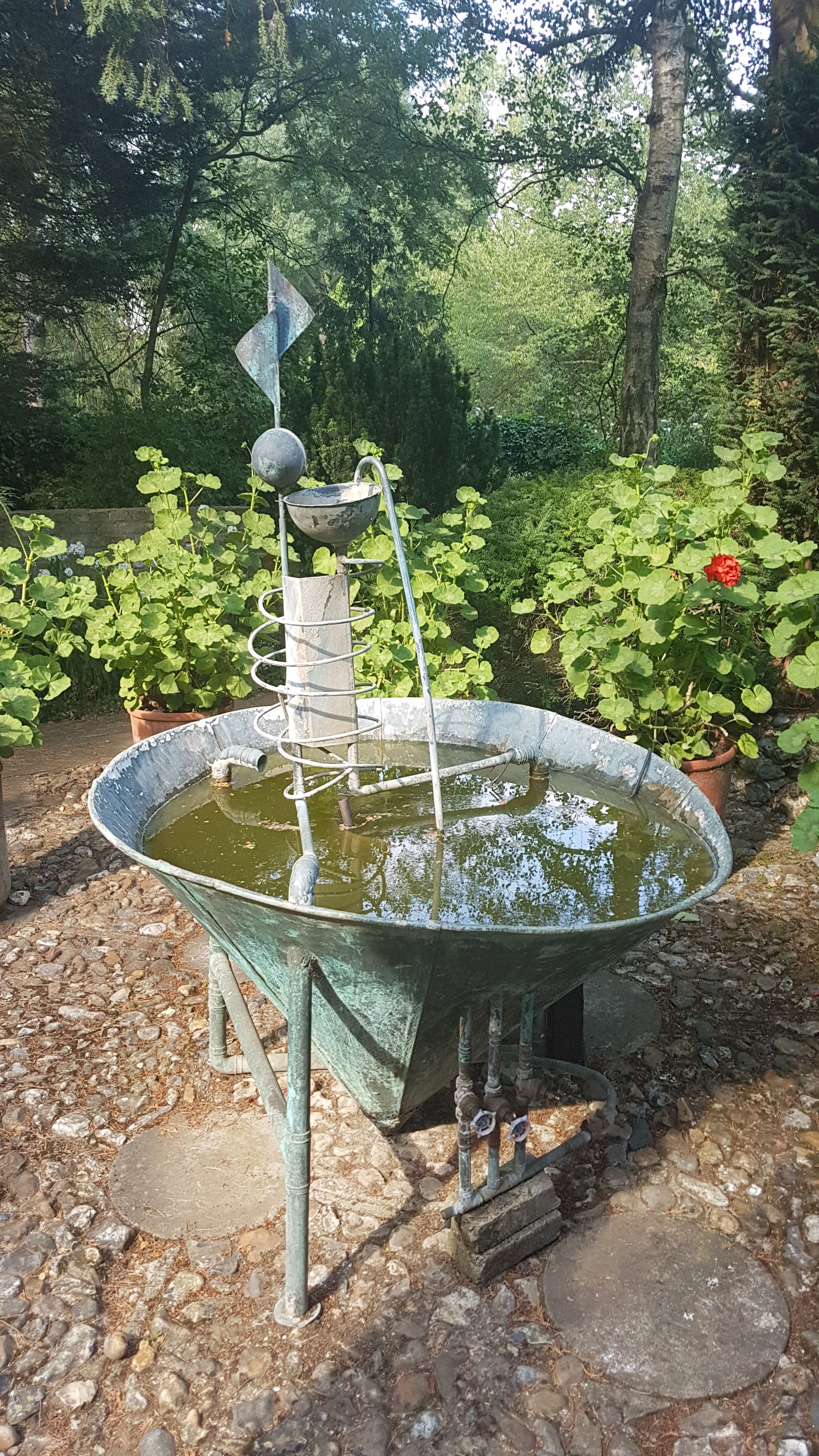
The sculptures are scattered throughout the gardens, which are laid out over nine acres – some are items of architectural salvage, like the columns and urns from Gibberd’s reconstruction of Coutt’s Bank on the Strand – and you come upon them accidentally as they peek out of hedges and grottoes. There’s a beautiful walk alongside the Pincey Brook, which has been dammed to create deep shady pools as well as diverted to feed the moat. The children particularly loved the ‘Rapunzel Tower’.

The Gibberd Garden is currently open on Wednesday and Sunday afternoons, there’s lots of free parking and refreshments are available – including lovely local ice cream which for the children was the best bit. I had a gorgeous, tangy lemon sorbet. I don’t think we managed to see all the scupltures, so we’ll be going back when the house reopens.

We were back in Harlow the following afternoon – this time for a trip to Harlow Town Park. The park was designed by landscape architect Dame Sylvia Crowe, who was a consultant on the Harlow New Town development from 1948 -58. One of the largest urban parks in the country, it’s got pretty much everything you could ask for including a Pets Corner, skate park, adventure playground, inclusive play area, sensory gardens, a paddling pool, water gardens and ducks. This being Harlow, it also has the odd sculpture…

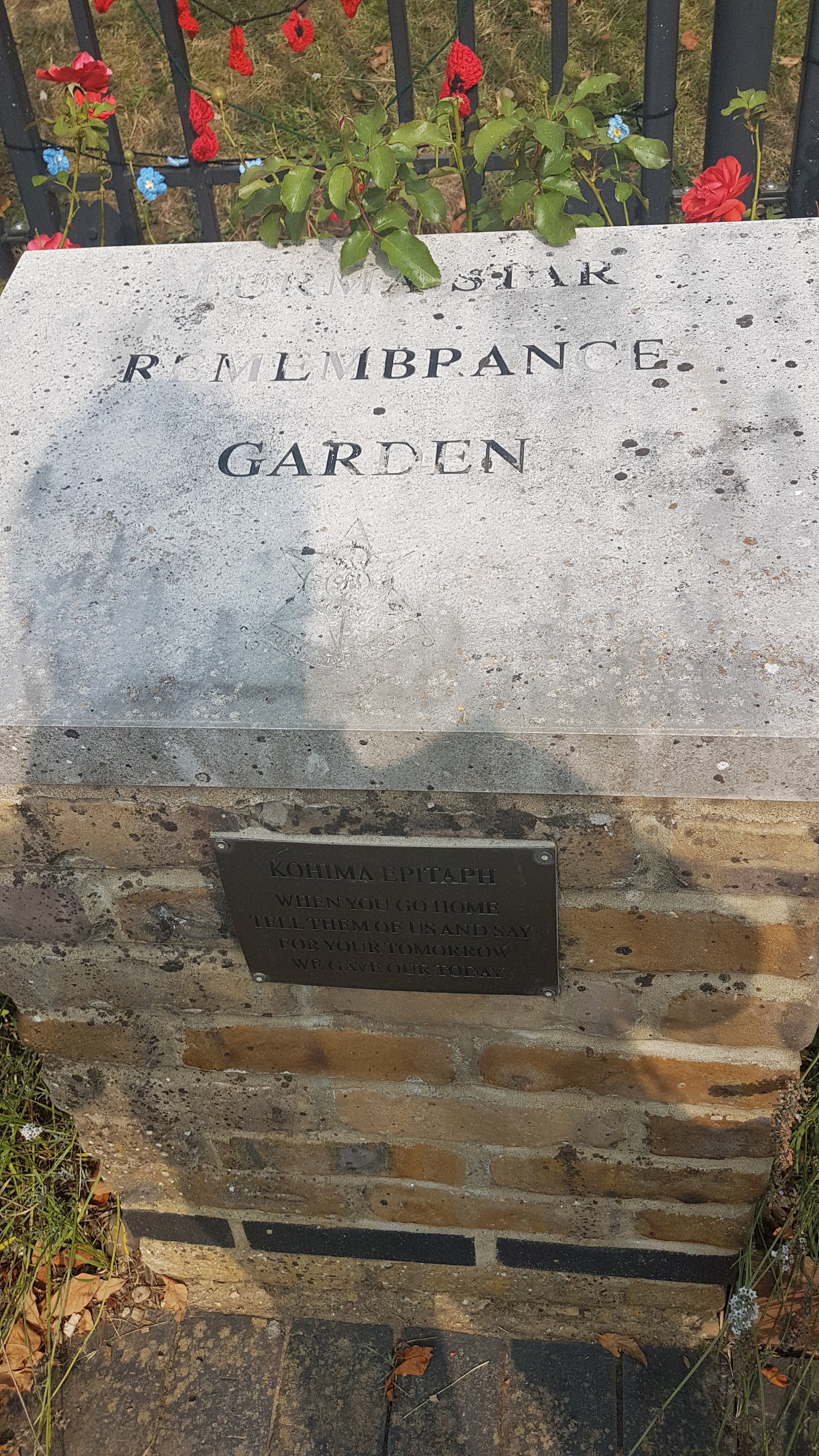
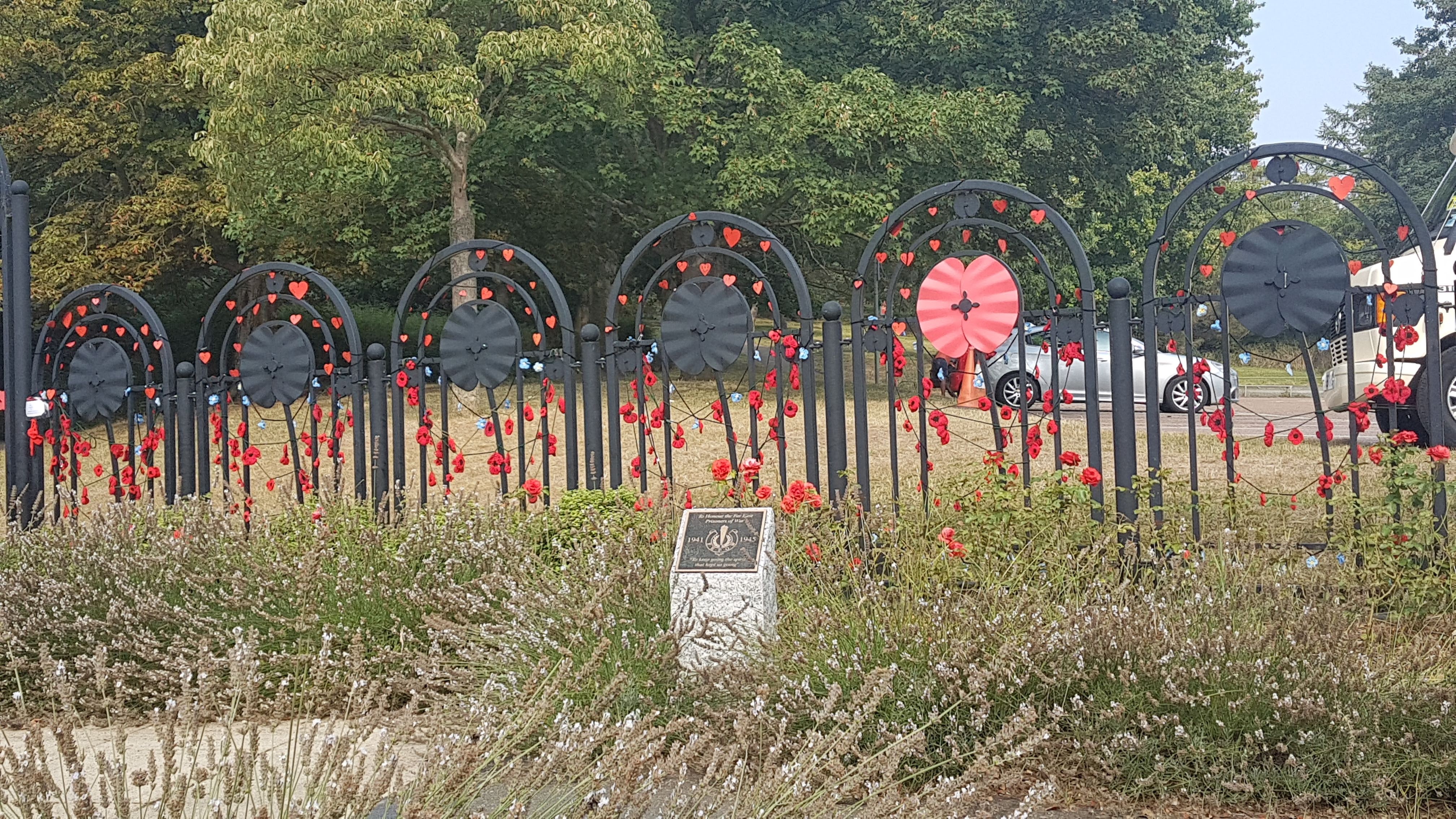
We parked near the Greyhound pub in the pay and display car park – there’s a war memorial there, with a beautiful yarnbomb installation of knitted and crocheted poppies and forget-me-nots. It was also where we found the ice cream van, which is always what the children are looking out for. There is a nice cafe, I’m told, but we didn’t make it over there.

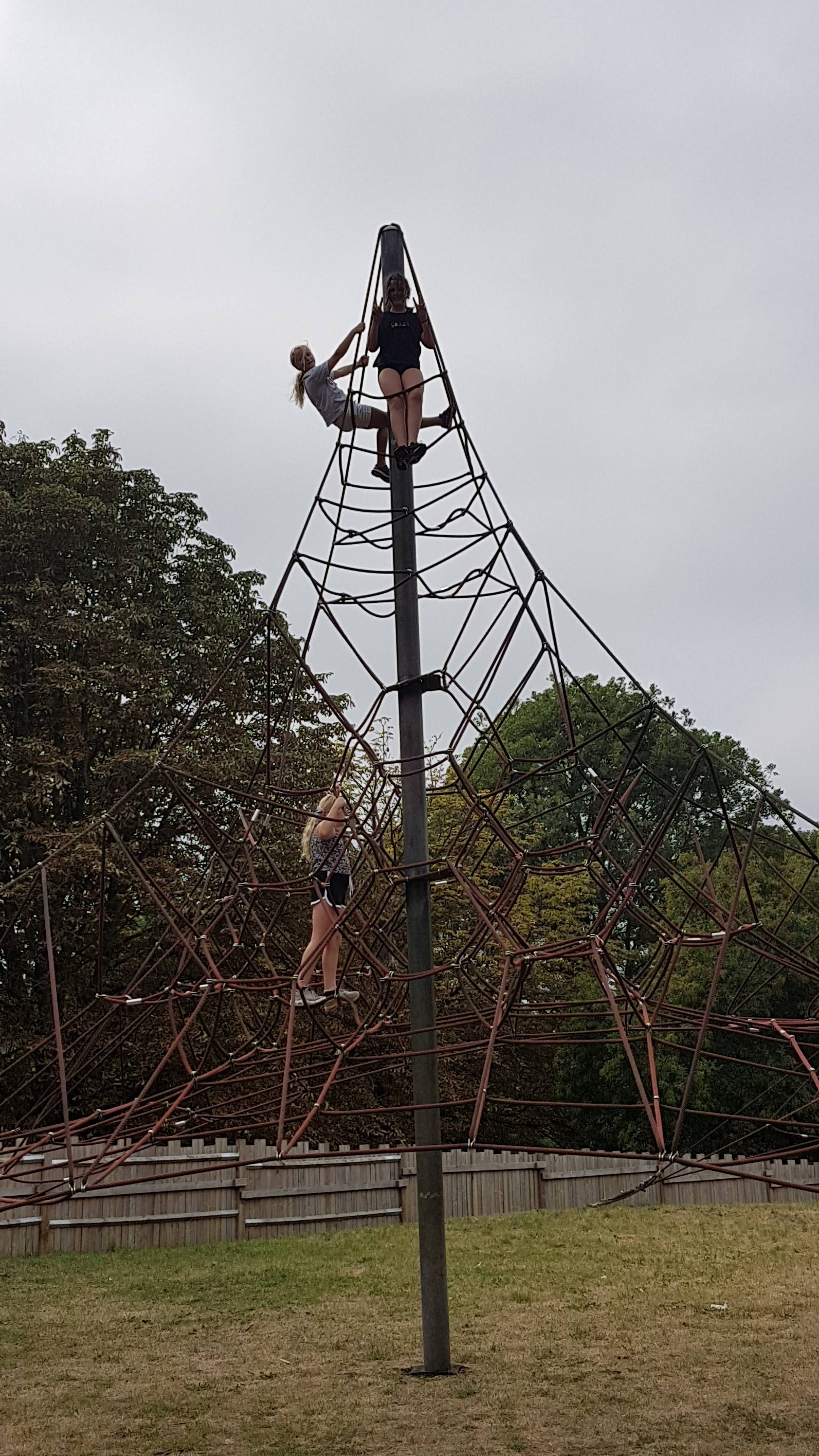
The weather was a bit erratic, with thunder and the odd shower, so we didn’t cover the whole park but we did spend some time at the outdoor gym before heading to the adventure playground where Thing 2 made a beeline for the top of the spiderweb climbing frame.

We walked over to the water gardens and through to the paddling pool, which is empty but the kids managed to find a puddle to jump in. They found a hill to roll down too, and spotted a carp in the pools. The ducks seemed a bit bored!

As an aside – I do love a bit of architecture and town planning, and developed a walking session called ‘The building of Bethnal Green’ for secondary and university students for the formal learning programme. This one focused on a section of Bethnal Green where you could see evidence of every urban planning movement from the original slum clearances of the late 19th century to the late 20th, including a peek at the last bomb site which is now a nature reserve. It covers Keeling House, designed by Denys Lasdun, which used to be the view from my bedroom window on Hackney Road.

Meanwhile, back at the ranch…

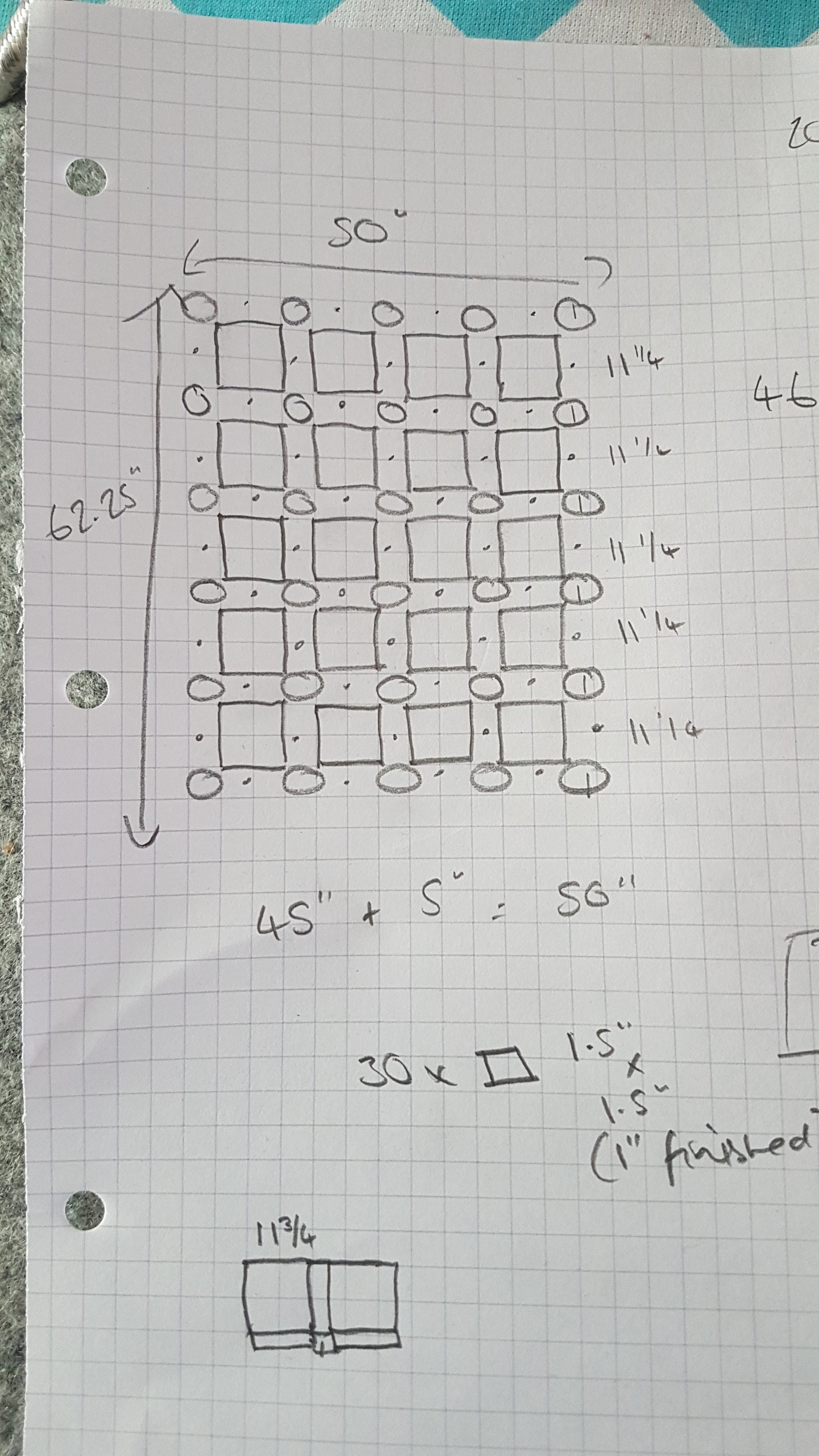
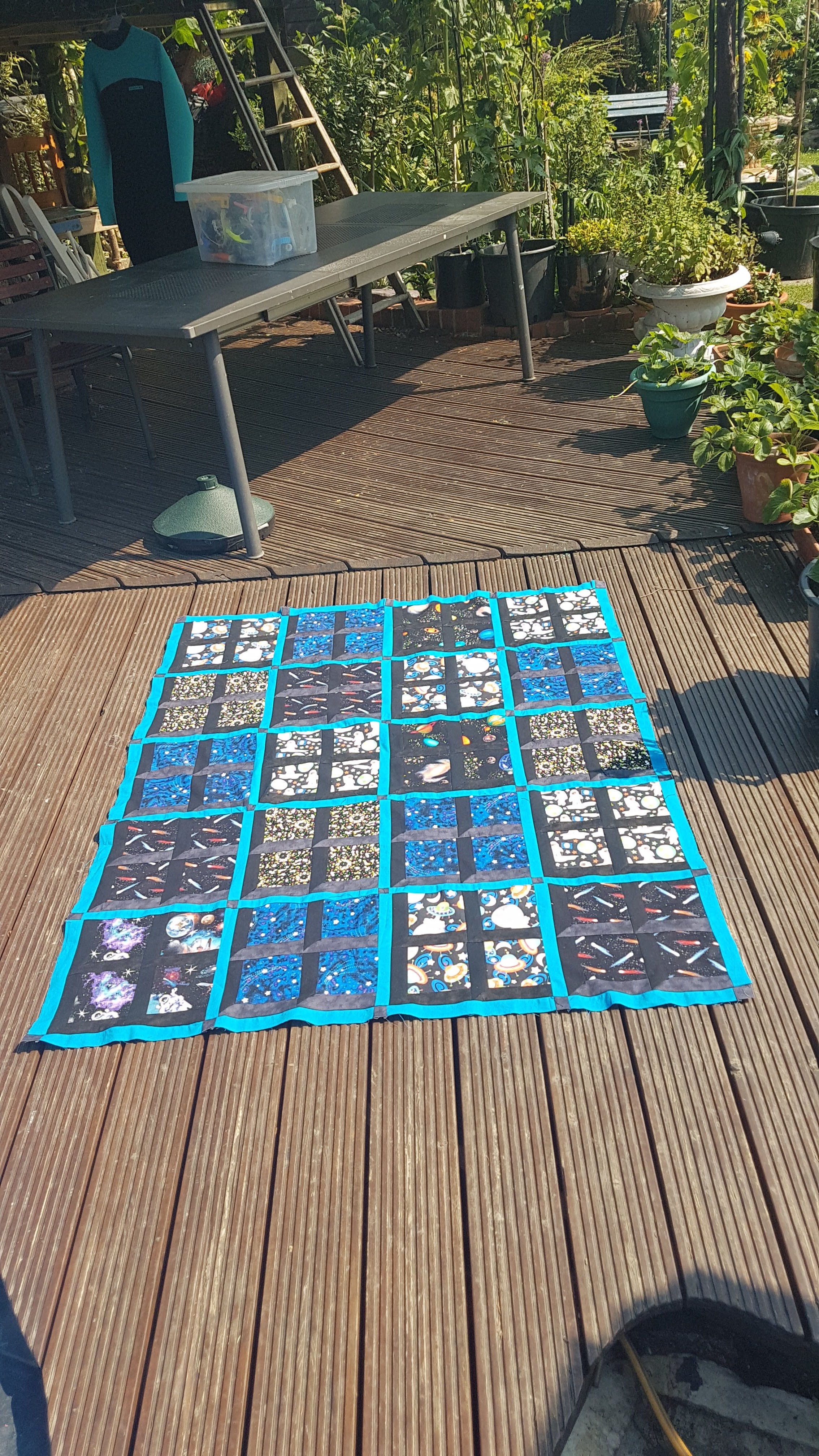
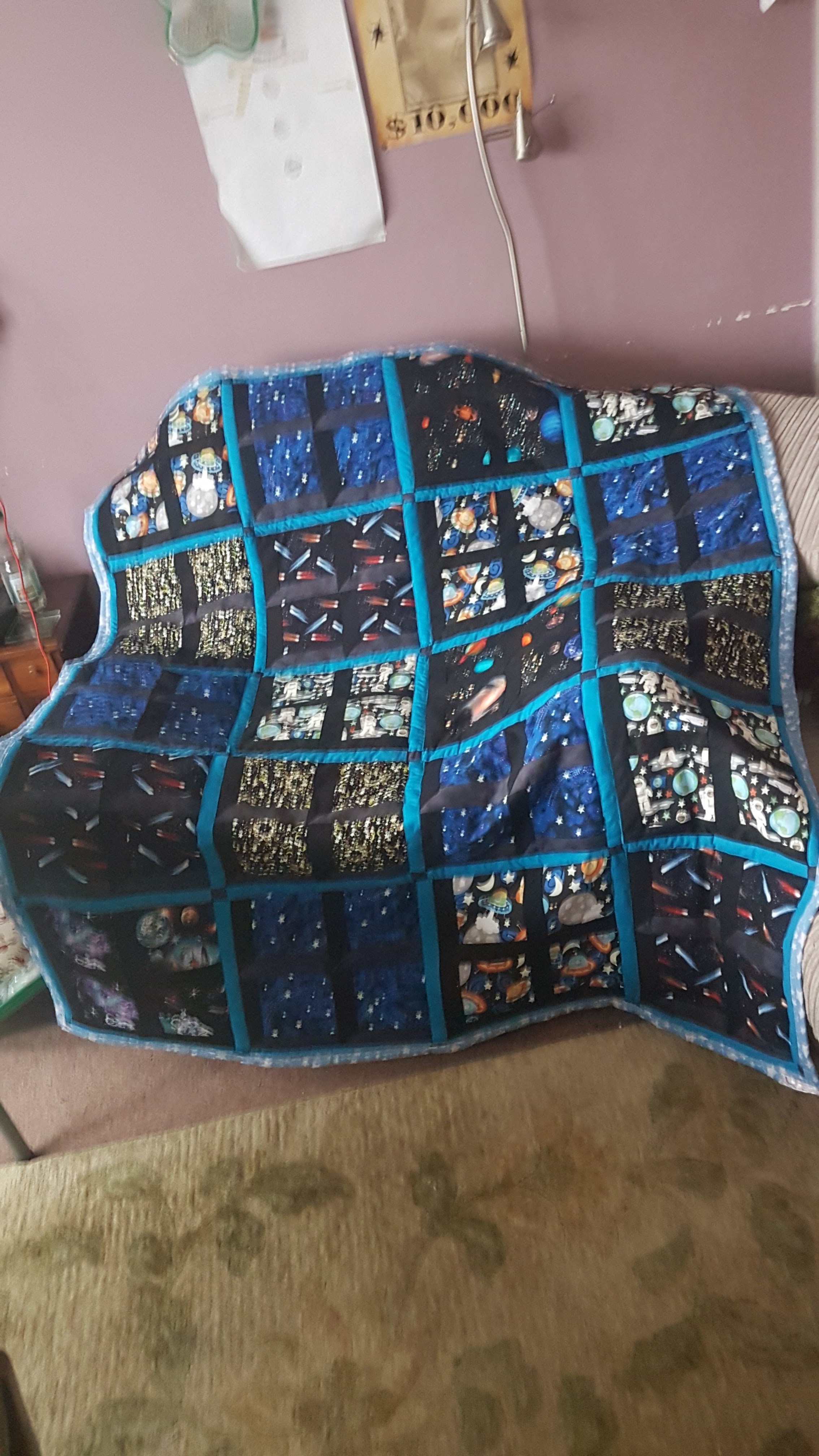
It’s been a quilting week again! I finished the Space quilt (Lockdown Quilt 7) and I’m pretty pleased with it. The attention to detail in trimming the blocks to size paid off, and the sashing looks quite square even if some of the cornerstones are a bit out of line. I tried using a walking foot to quilt but the machine (the Singer Samba again) didn’t like it much so some of the quilting is a bit skippy. I used some bicycle clips to help hold the quilt while I quilted it, which you can see in action below. You can also see my diagram for working out how many sashing strips and cornerstones I needed, and a cat who was not inclined to move while I tried to photograph the quilt laid flat.

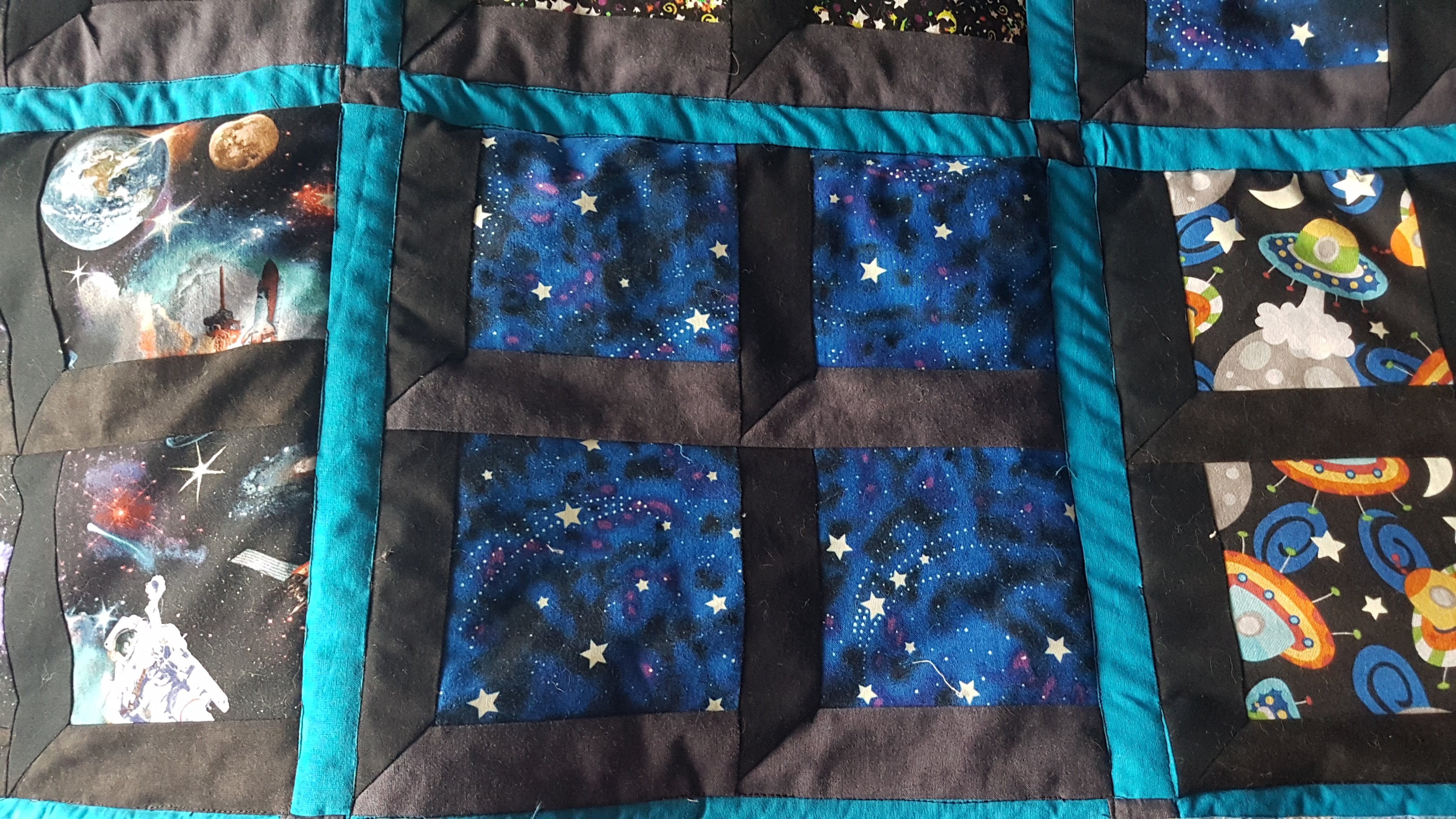
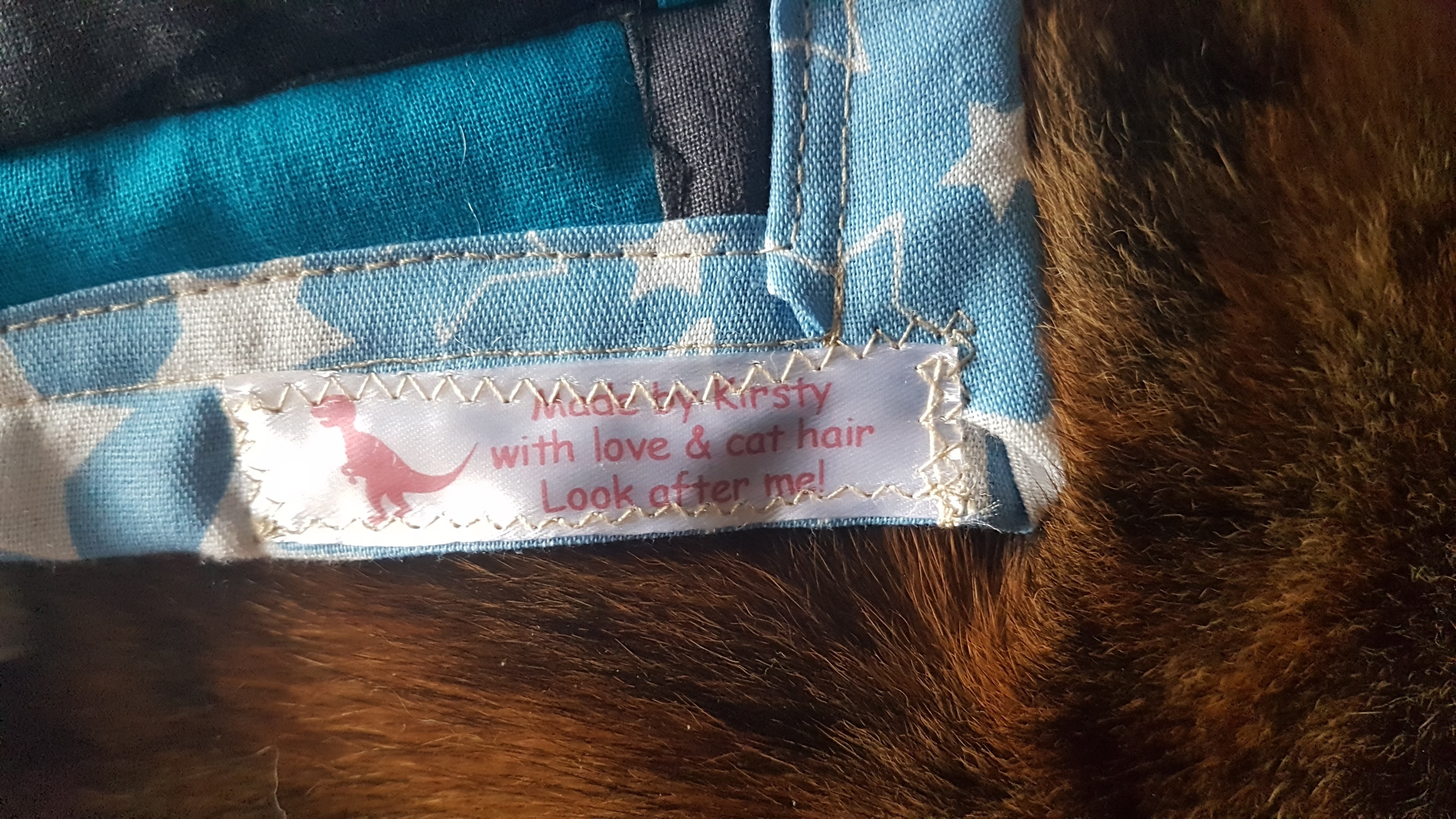
It’s come out at just over 5′ x 4′, and it’s backed with a double duvet cover which meant no piecing. I used the backing fabric for a folded border as it echoes the stars theme. I LOVE the glow in the dark panels, and I added a little label – I bought some printed ones to add to my makes.

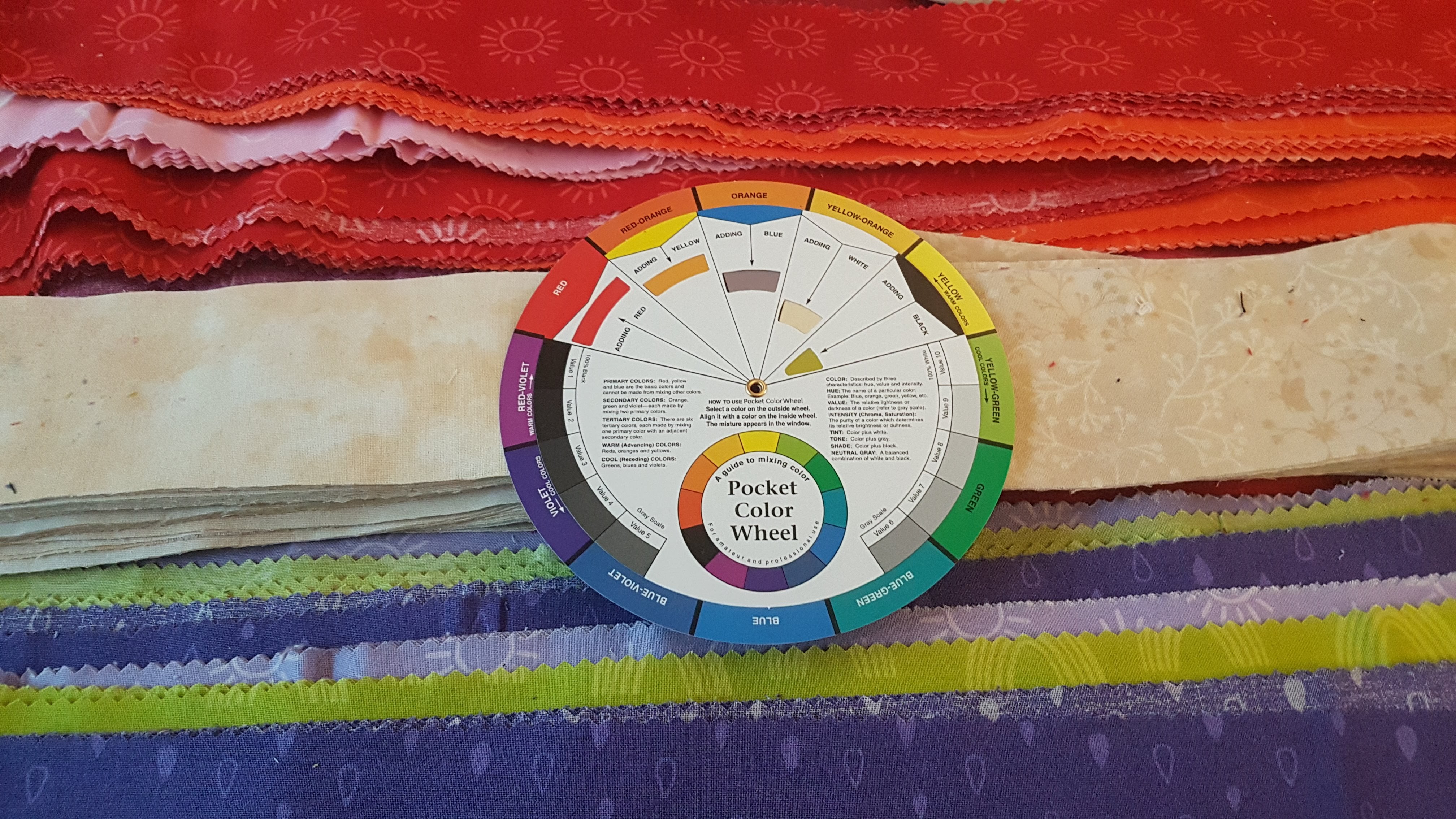
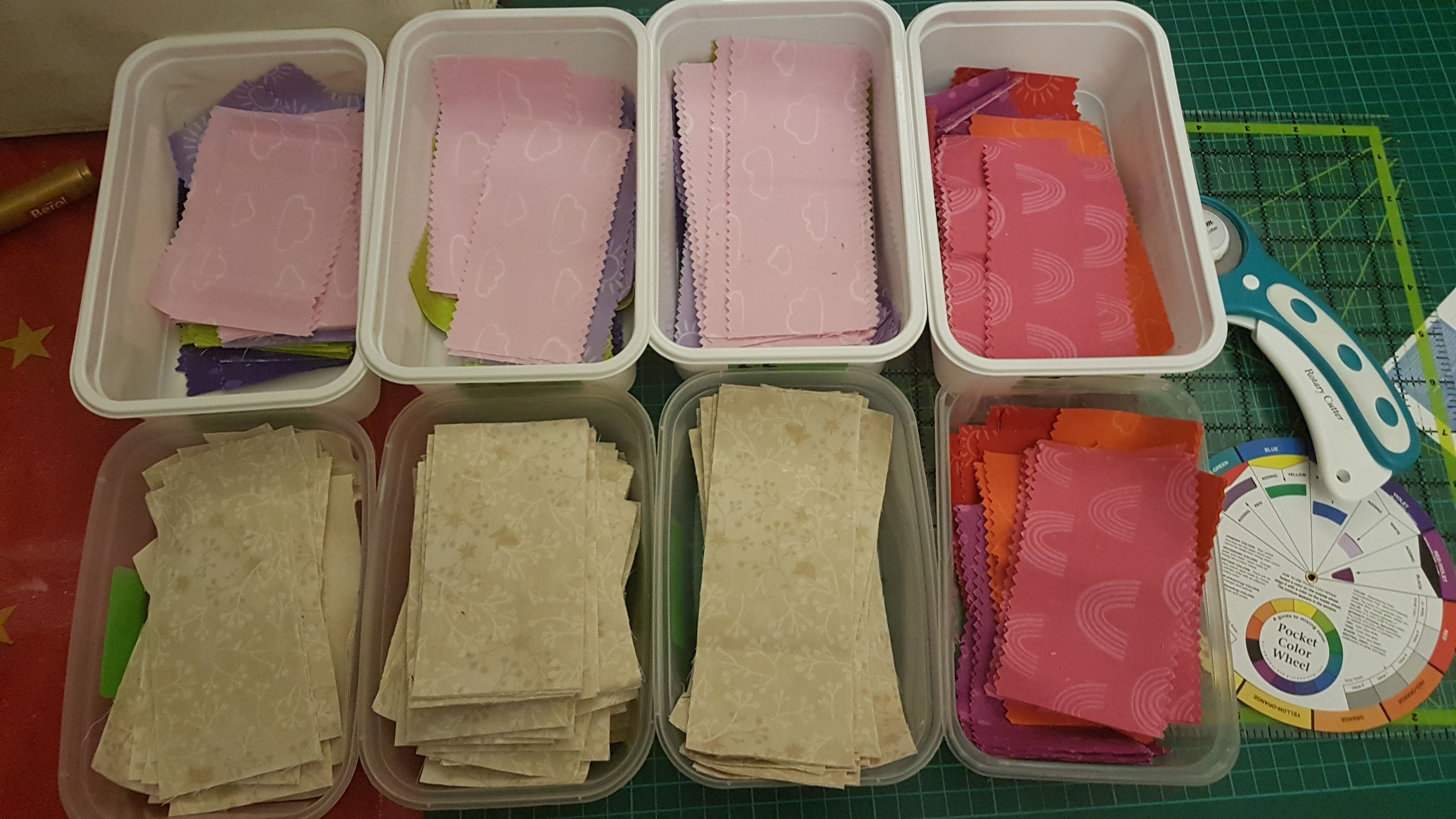
The next project is a Bento Box quilt using Rainbow Etchings jelly rolls by Stuart Hillard for Craft Cotton, and some pretty cream-on-cream blenders from Empress Mills. I cut the pieces yesterday, and raided the cupboard for all the plastic boxes I could find to separate the warm and cool colours and the different sized strips. I’ve never really thought about colours in terms of warm/cool before, so I bought a cheap colour wheel which helped me sort things out.

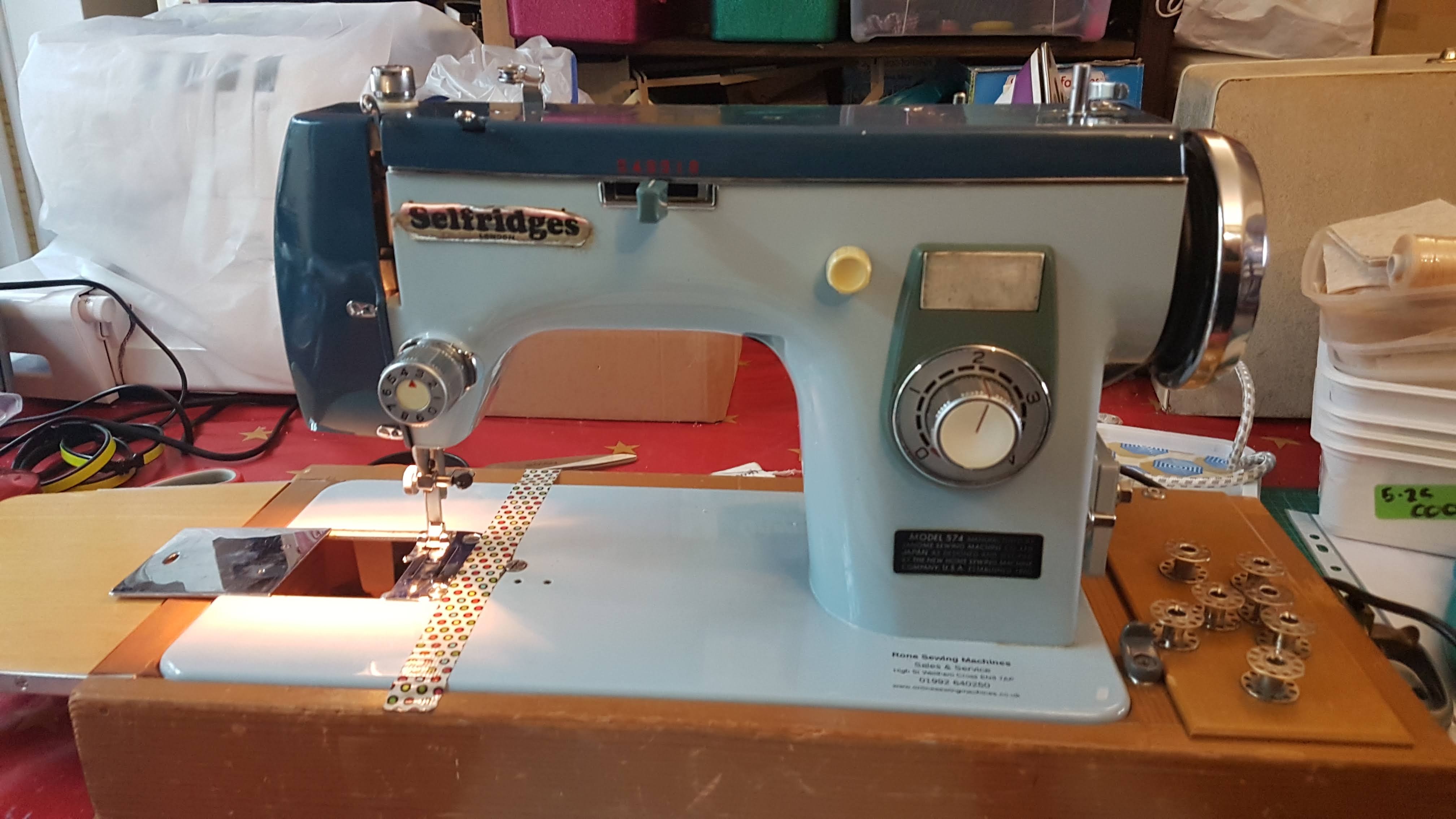
Here’s the first block finished. I have cut and sewed all the centre pieces, so now need to add the outer pieces – I’m going to try the quilt-as-you-go method with this one. I’ve broken out the other vintage sewing machine as on that one you can drop the feed dogs, so if I’m feeling brave I may try some free motion quilting. Possibly! It’s a high shank machine, so I’ll have to buy an adapter to be able to use the snap-on quilting foot I have.

Vintage Janome sewing machine.
Block 1

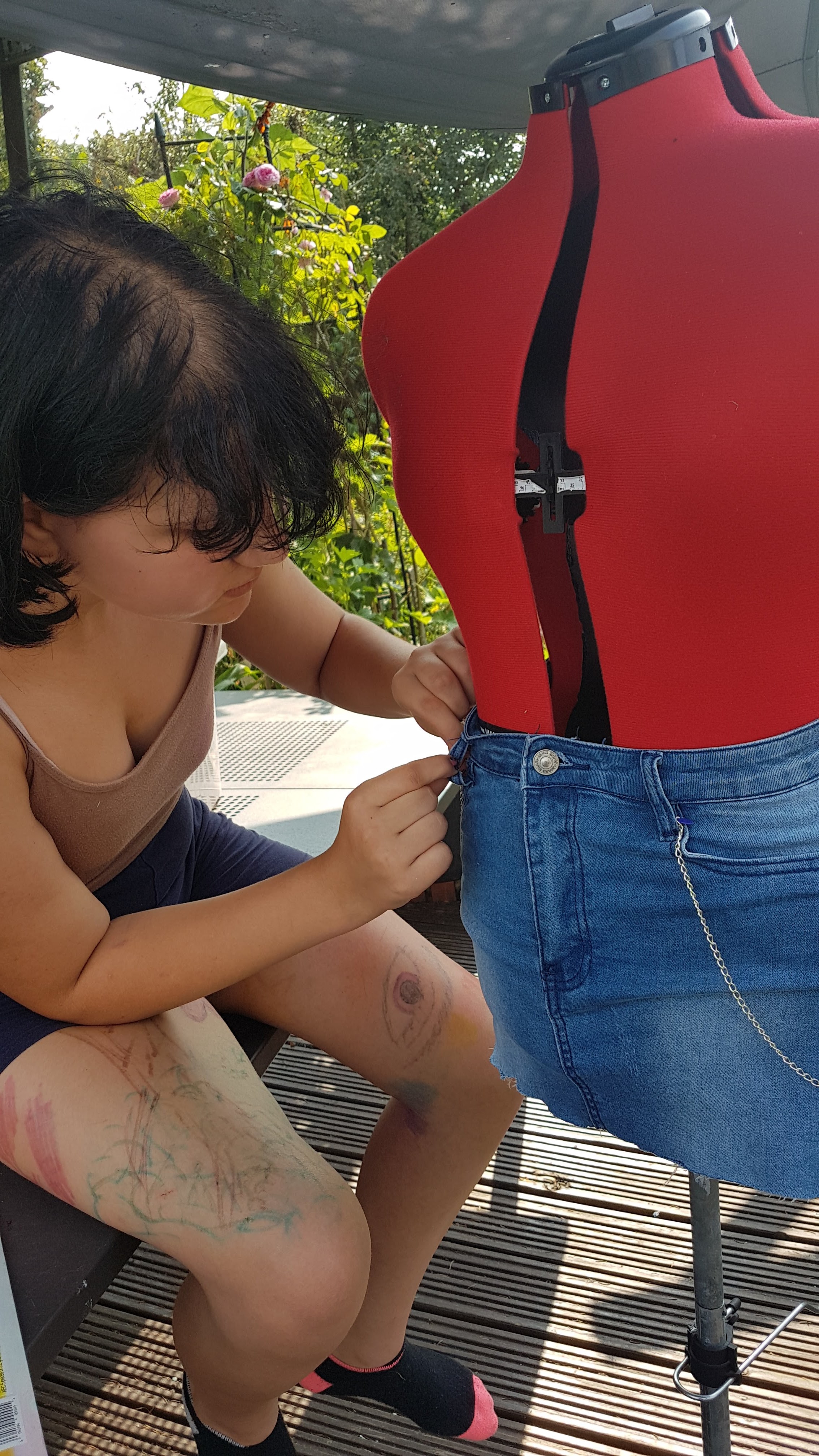
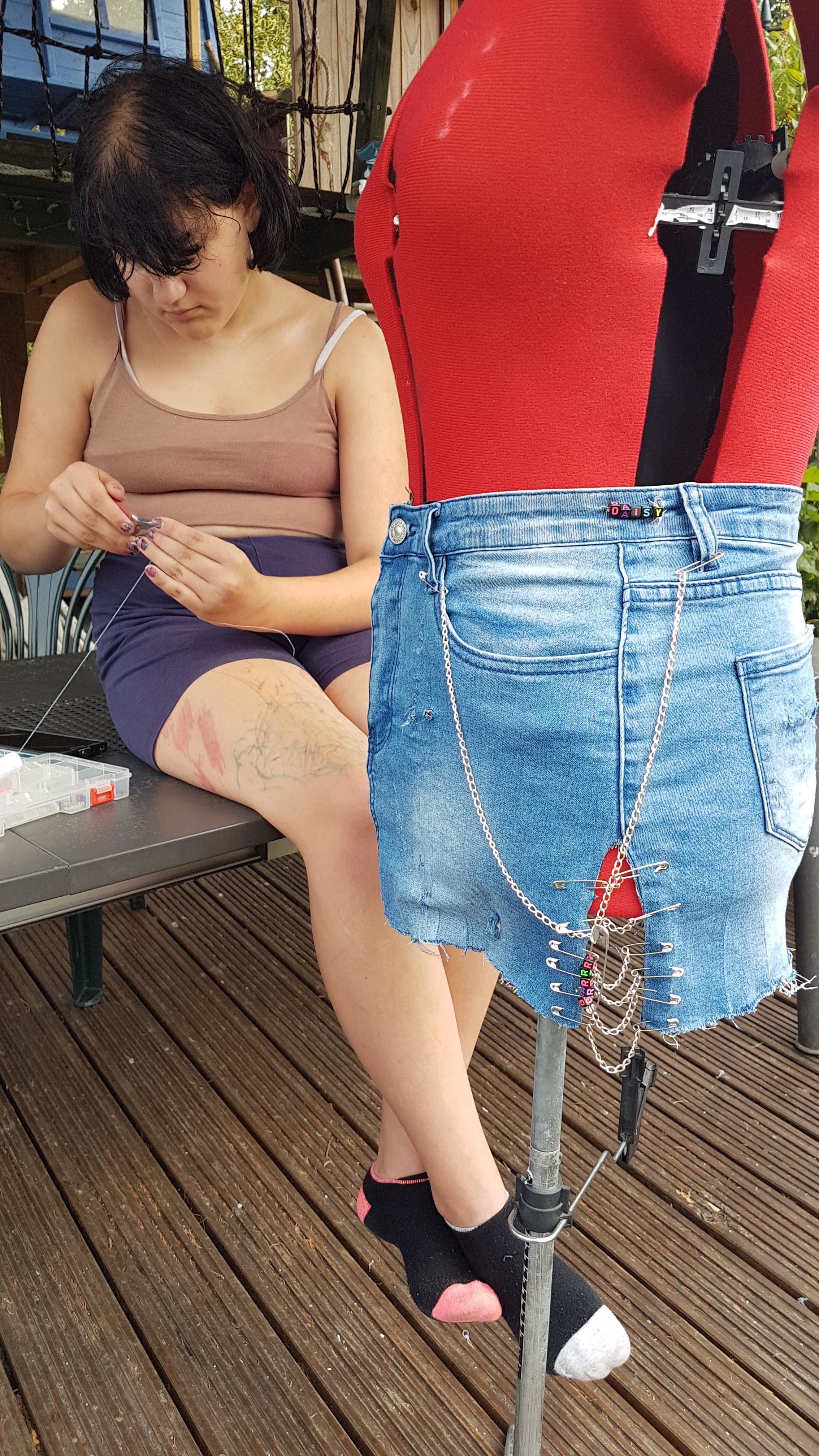
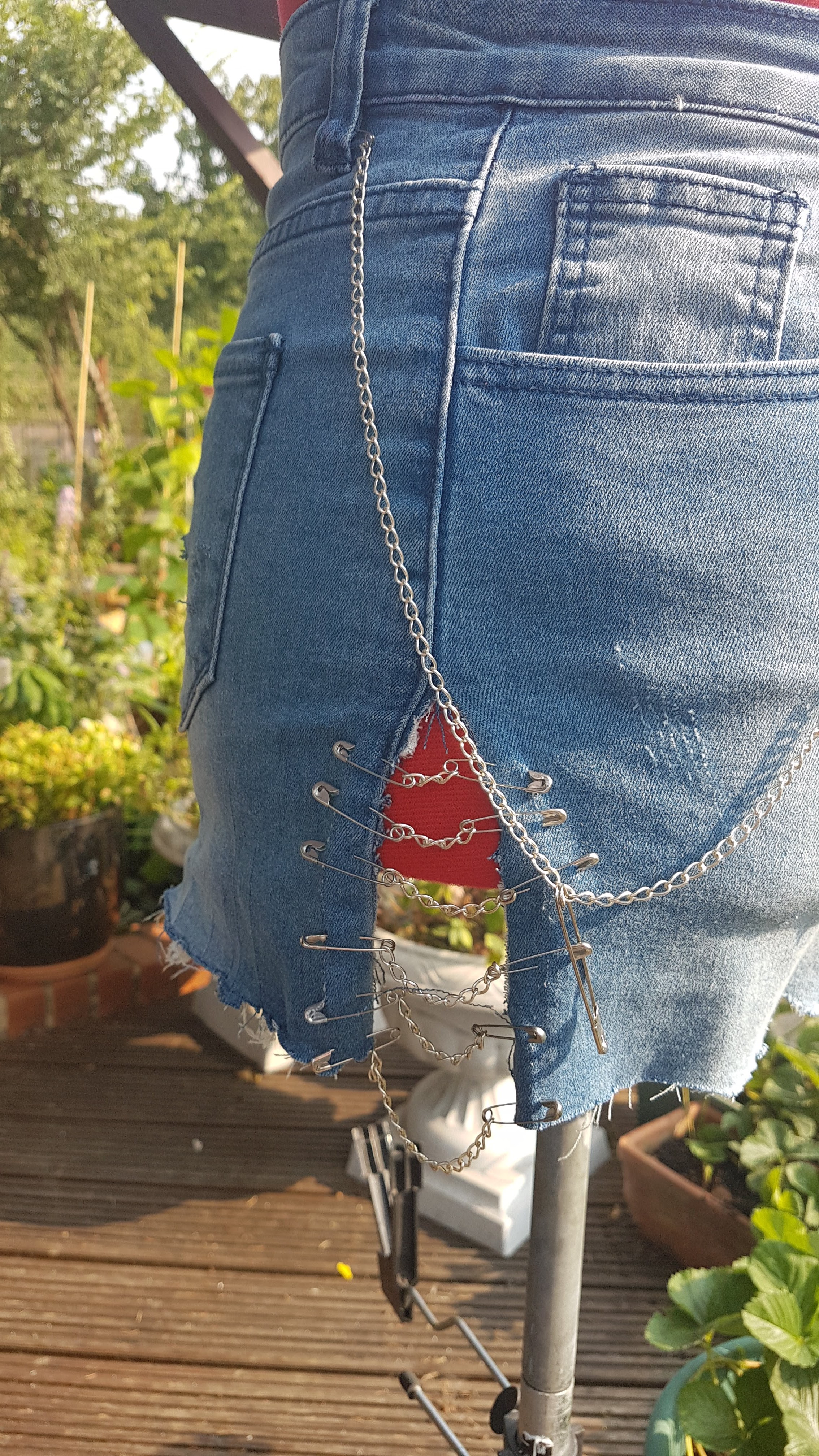
Things 1 and 2 have also been creating this week! Thing 1 has been customising a denim skirt that she bought in a charity shop (and raiding my jewellery making stash to do it!). She used my mannequin so she could work on the skirt easily.

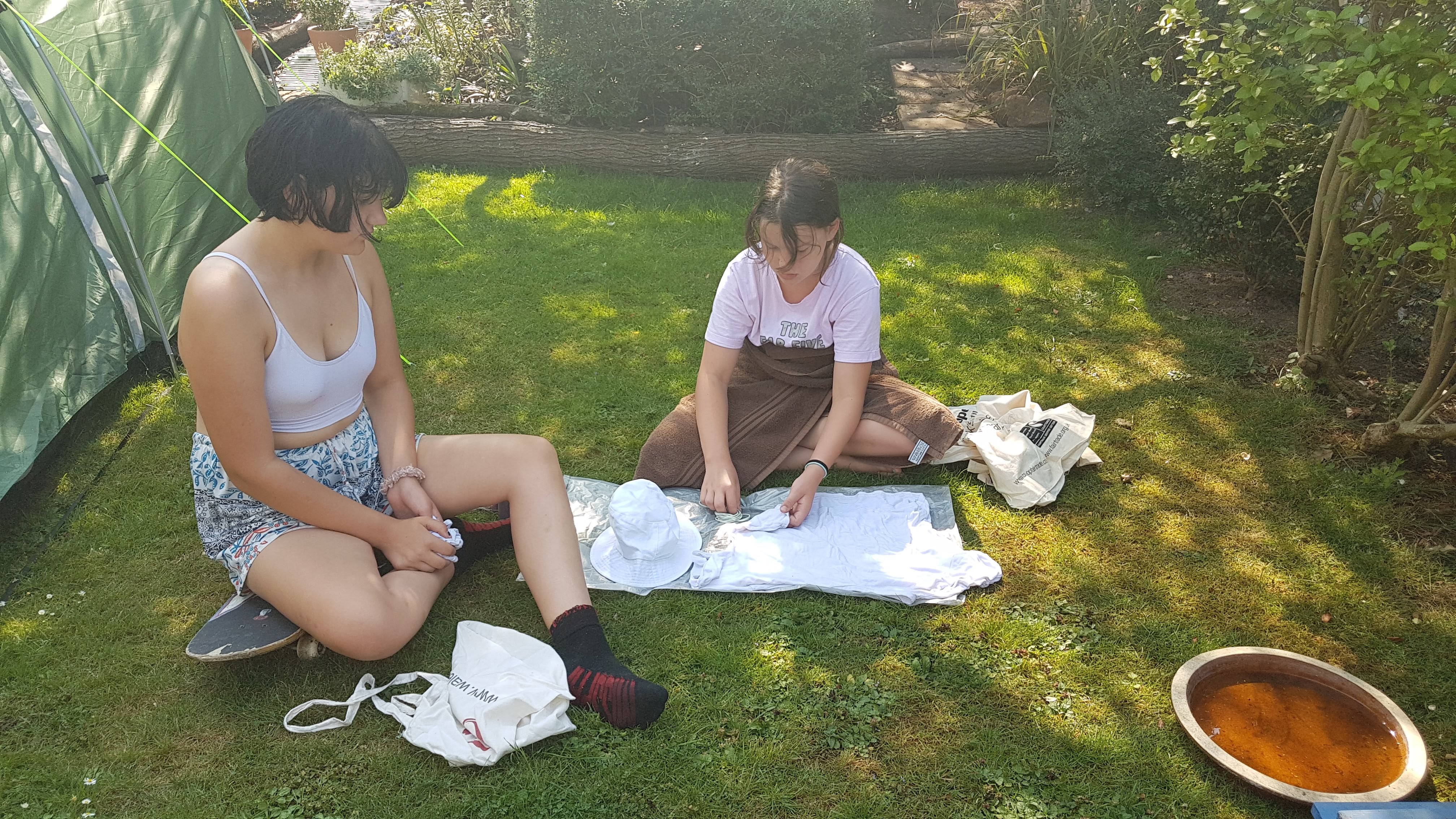
Thing 2 has been tie-dyeing everything she can get her paws on. She bought a tie dye set with a voucher from her Granny, and it’s been great fun. Co-op reusable bags have never looked so good…

Thing 3 has been creating in Minecraft. All three of them enjoy building in the game, and play quite nicely together.

I’ve heard this week that I should be back to work part time from 1 September, which I’m very much looking forward to! Still working remotely for a while, so not back in the museum yet, but how exciting!

See you at the end of week 22…

Kirsty x

What I’ve been reading:

Low Action (Vinyl Detective) – Andrew Cartmel

Peace Talks (Dresden Files) – Jim Butcher

Time to Depart (Falco series) – Lindsey Davis (Audible)

Week twenty: are you sitting comfortably? Then I’ll begin…

I have mentioned before that I’m a bit of a reader and have been since an early age. I suspect, given that my parents are also big readers, that it was partially self-defence and then it became a habit. Both parents read to us and created their own stories – Galumphus the Dragon was my dad’s character, and Jeremy John stories came from my mum. I continued to listen in when my much younger sister was being read to, and for me one of the joys of teaching was story time at the end of the day; whether that was a picture book or, further up the school, a chapter book.

One of the last sessions I created at the Museum of London Docklands was a sensory, interactive story called ‘The Cinnamon Birds’, as an introduction to the idea of international trade for Key Stage 1 and family groups. I loved telling it – from gathering my audience Pied Piper-style, moving through the museum with a beautiful dragon puppet on my shoulder, to casting a story spell with tales of cunning merchants and wafts of magical scents and treasures from a pirate chest.

At the V&A Museum of Childhood, we had a hardcore of parents and children who would come every day for the Animal Magic session at 2pm, led by the Activity Assistants who used puppets, music, projection and more to bring both classic stories and their own work to life. It didn’t matter how often the families heard We’re going on a bear hunt! – this time was part of their daily routine. (Lia, one of the former AAs, has now set up her own business with her mum creating sustainable story sacks, with all the contents and materials sourced from charity shops and community markets. I love this idea – check them out, they are Oranges and Lemons and their product is wonderful).

I still love listening to stories – when I’m commuting I can be found on the Central Line listening to audio books and crocheting my way to work. I refuse to confess to the number of times I have missed my stop as I was distracted by an exciting bit…

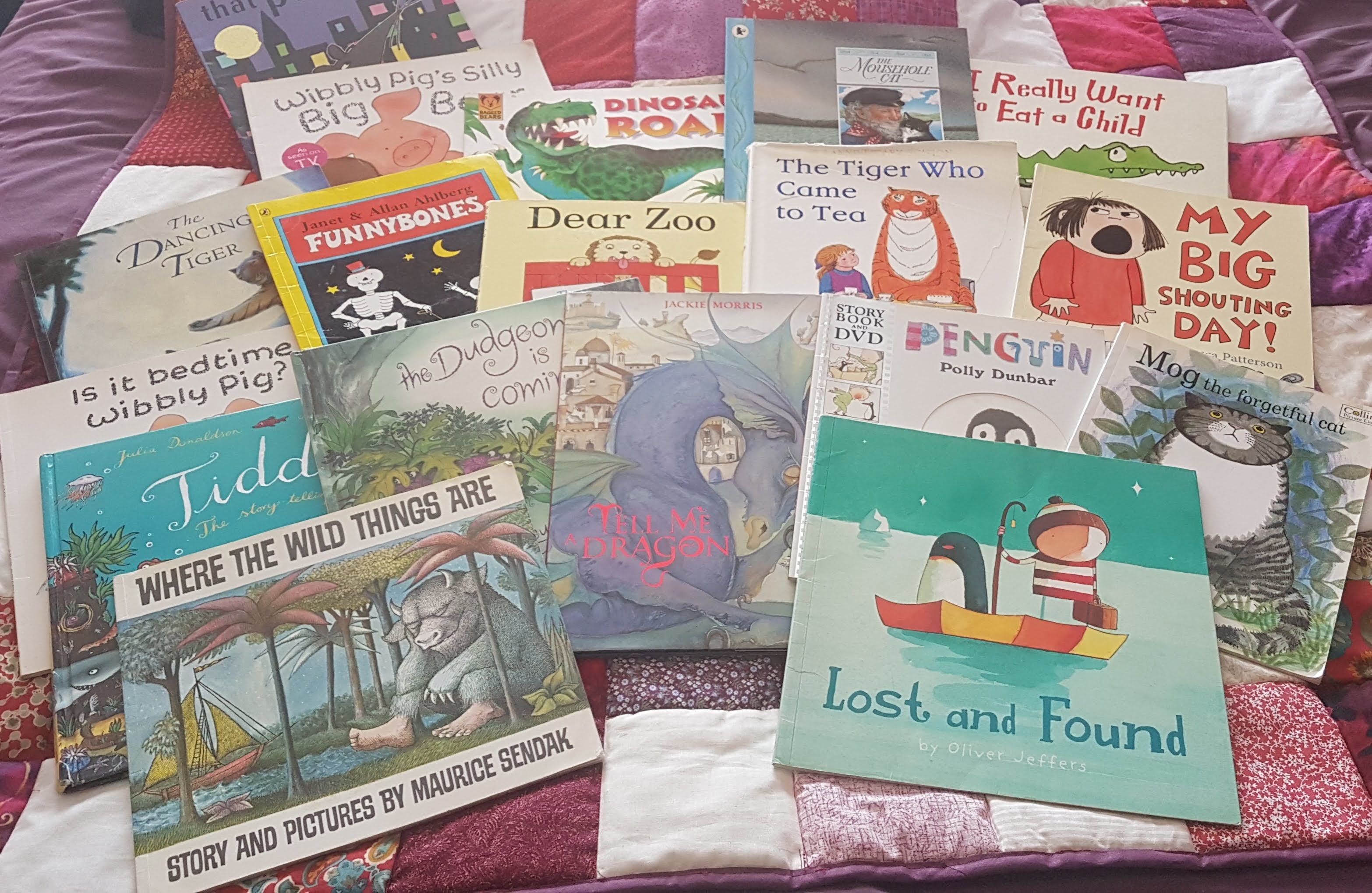
When my Horde were small I took the opportunity to gather the books that I had loved as a child, as well as discovering new stories. So here are some of our favourite picture books*….

  1. The Tiger Who Came To Tea – Judith Kerr. This is more than 50 years old now and still wonderful. Also her Mog books, and her autobiographical ones. When we get back to whatever normal looks like, keep an eye out for the touring exhibition from Seven Stories.
  2. Where the Wild Things Are – Maurice Sendak. Another classic from the 1960s, and I love it. A wild rumpus always sounds like fun.
  3. Dear Zoo – Rod Campbell . My bunch all loved lifting the flaps and shouting along with the words, making animal noises. I bought this one at Stansted Airport on the way to France with Thing 1, and her Grandpere spent a lot of time reading it to her on that holiday.
  4. The Very Hungry Caterpillar – Eric Carle. Another one they loved to recite with me, or finish the sentences when they were very small.
  5. Hairy McLary from Donaldson’s Dairy – Lynley Dodd. We had a CD with these stories too, and David Tennant was perfect as the narrator. Thing 2 also loved The Dudgeon is Coming.
  6. Is it bedtime, Wibbly Pig? – Mick Inkpen. Every parent knows the torture of bedtime! Wibbly Pig’s Silly Big Bear always makes me cry.
  7. No Matter What – Debi Gliori – big thinking for little people.We still love them even when they’re naughty!
  8. My Big Shouting Day – Rebecca Patterson. Another one of Thing 2’s favourites. I think she identified with the main character (so did I).
  9. Dinosaur Roar! – Henrietta and Paul Stickland. We got this one free from Bookstart and Thing 3 LOVED it.
  10. Tiddler – Julia Donaldson and Axel Scheffler. All this pair’s books are wonderful, but this one was their favourite.
  11. Funnybones – Janet and Allan Ahlberg. Thing 3 thought this was hilarious. They also loved Each Peach Pear Plum and hunting for the fairytale characters in the illustrations.
  12. Tell Me A Dragon – Jackie Morris. I fell in love with her glorious, magical illustrations through another Bookstart book – Can you see a Little Bear? – which she illustrated for James Mayhew, and when Tell Me A Dragon came out with a dedication to Terry Pratchett, I bought it for myself. Of course I read it to the children too. Her work with Robert Macfarlane in The Lost Words is exquisite and I was lucky enough to catch the exhibition at the Foundling Museum in 2018.
  13. The Dancing Tiger – Malachy Doyle. Thing 2’s nickname is ‘Tiger’ so we read a lot of books about tigers! This is one of my favourites. We don’t stop dancing when we get old!
  14. The Mousehole Cat – Antonia Barber.We discovered this one via a CBeebies bedtime story, read by Shobna Gulati, and bought our own copy. Thing 1 loved the Storm Cat.
  15. That Pesky Rat – Lauren Child. Runner up here goes to Who wants to be a Poodle? I don’t – I love her collaged illustrations.
  16. I Really Want to Eat a Child – Sylviane Donnio. Another of Thing 2’s favourites! She has always been the most anarchic, subversive child and this story really appealed to her.
  17. Lost and Found – Oliver Jeffers. All of us loved this one – there’s a beautiful TV adaptation too.
  18. Penguin – Polly Dunbar. This one was a library story time discovery when Thing 1 was small. Inevitably she would have fallen asleep in the buggy on the walk to the library but I always stayed for the story!
  19. Not Now, Bernard – David McKee. Poor Bernard! And poor monster…
  20. Whatever Next – Jill Murphy. Thing 3 solemnly informed his playschool aunty that ‘Mummy said I am allowed to go to the moon….but I can’t go up the chimney.’ That one took a bit of explaining.

Special mentions also to Mayer Mercer’s There’s a Nightmare in My Cupboard, The Bear’s Toothache by David McPhail, Green Eggs and Ham by Dr Seuss, and – finally, I promise – Lost in the Toy Museum by David Lucas. So many schools read this before visiting the museum that we eventually offered it as a session, and it was very popular.

Thing 2 still occasionally asks for a story – we read The Ordinary Princess by M M Kaye earlier this year, and we’ve started Anne of Green Gables. Thing 3 likes to listen in… he is the biggest reader of them all at the moment.

Even once children have learned to read themselves, there is magic in hearing a story well told. Reluctant readers may find their way in to reading this way, and I always told worried parents that as long as their children were reading, it didn’t matter what it was. Reading schemes, while worthy and phonically sound, are often boring. Find what they want to read and let their imaginations fly!

What are your favourites?

(*not affiliate links, just Amazon. Other book sellers are available!)

Morgan jeans finished at last…

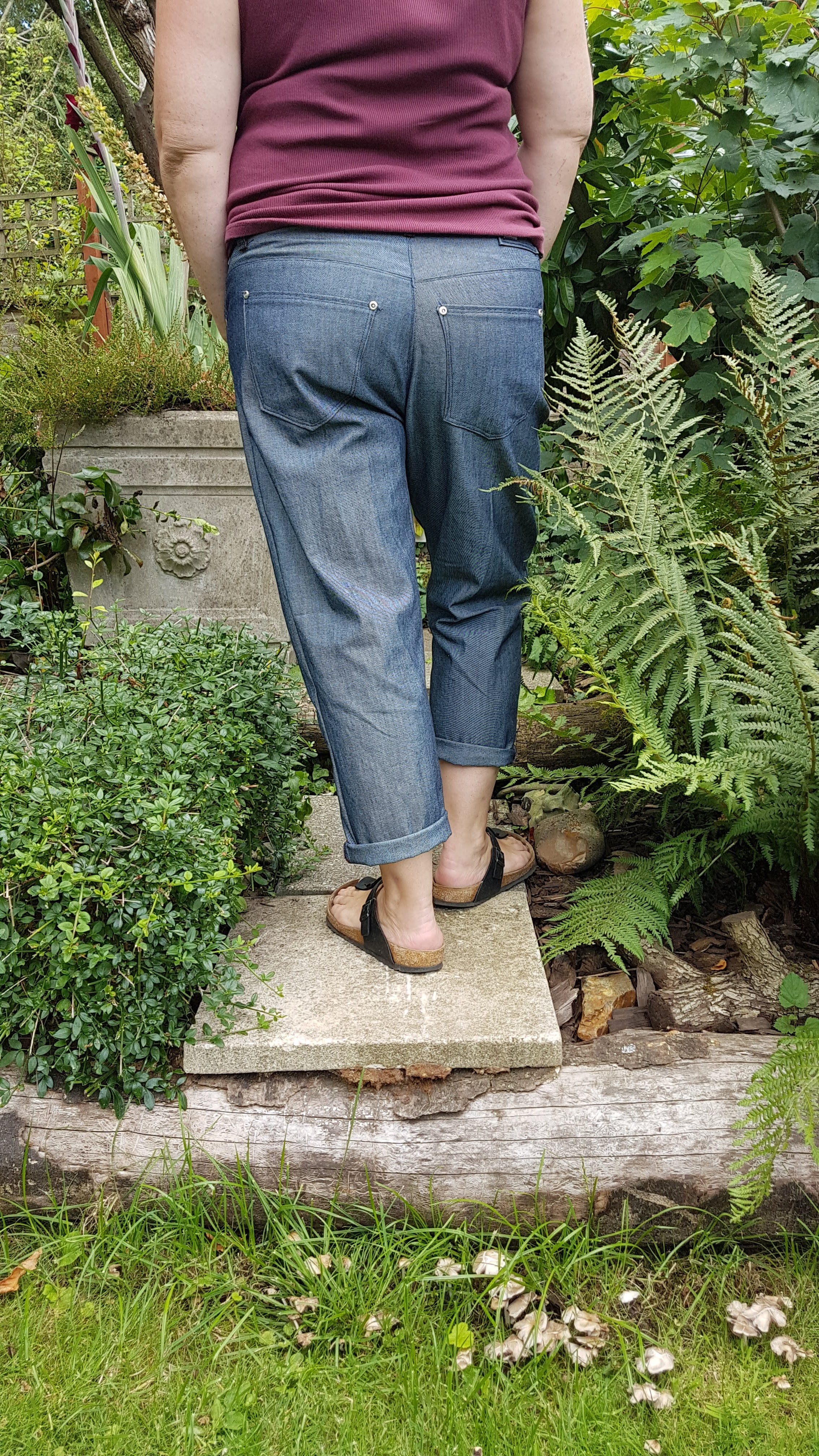
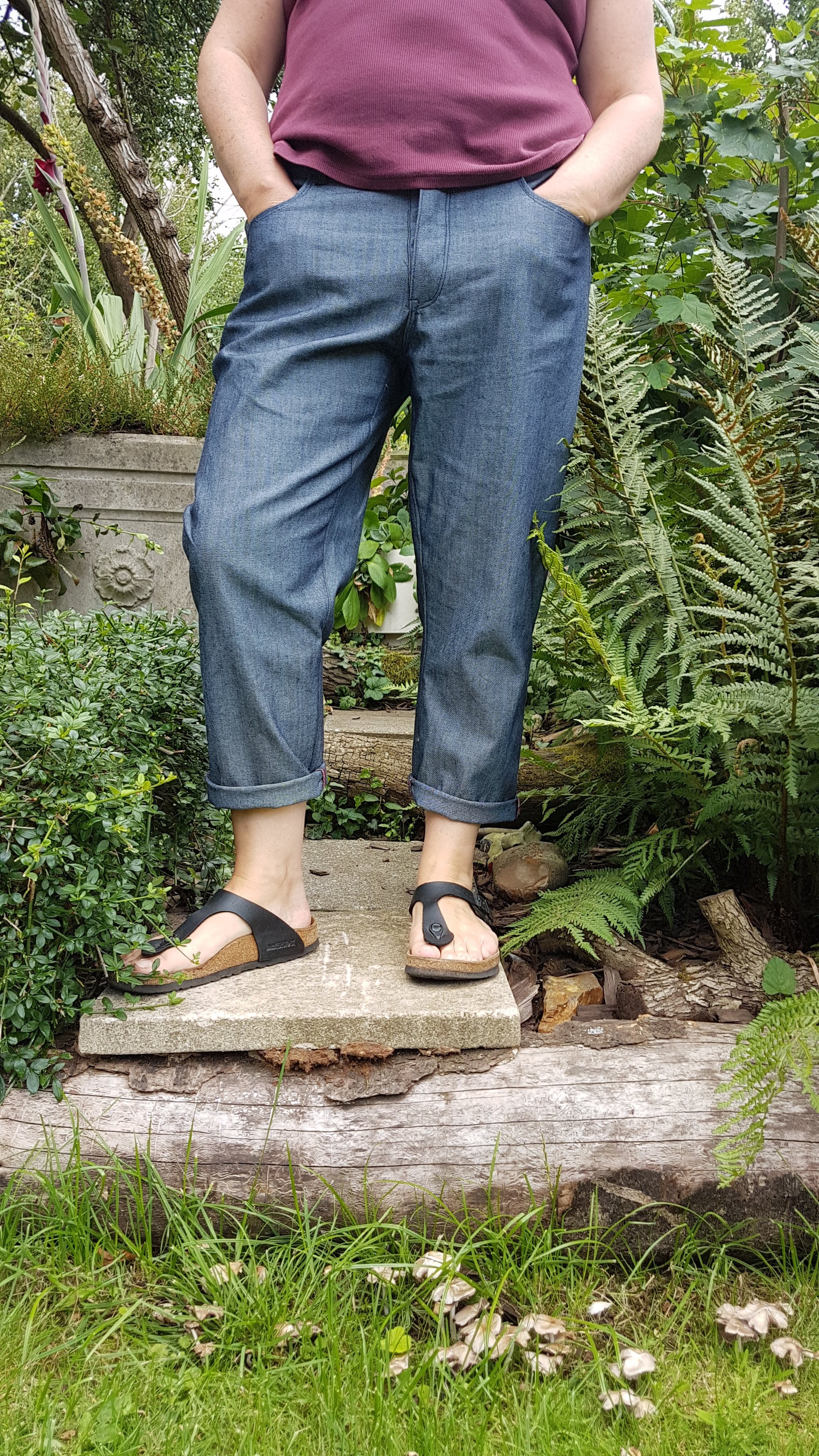
.and they are my new favourite thing. I bought the pattern after making Closet Core’s Ginger skinny jeans, which I wrote about in Week Fourteen. The fly hadn’t gone well, but I liked the process of making the jeans and thought I’d try something in a style I wouldn’t usually wear. I bought some bargain midweight rigid denim from The Textile Centre – the first package disappeared in the post but they were really helpful in replacing it. I buy from them quite often, as they are very reasonably priced and the fabrics are always great quality.

The pattern instructions were very clear – the indie designers are far better than the Big 4 (Simplicity, Vogue, Butterick, McCalls) pattern companies at providing step by step instructions, and usually have good photographs of the process.

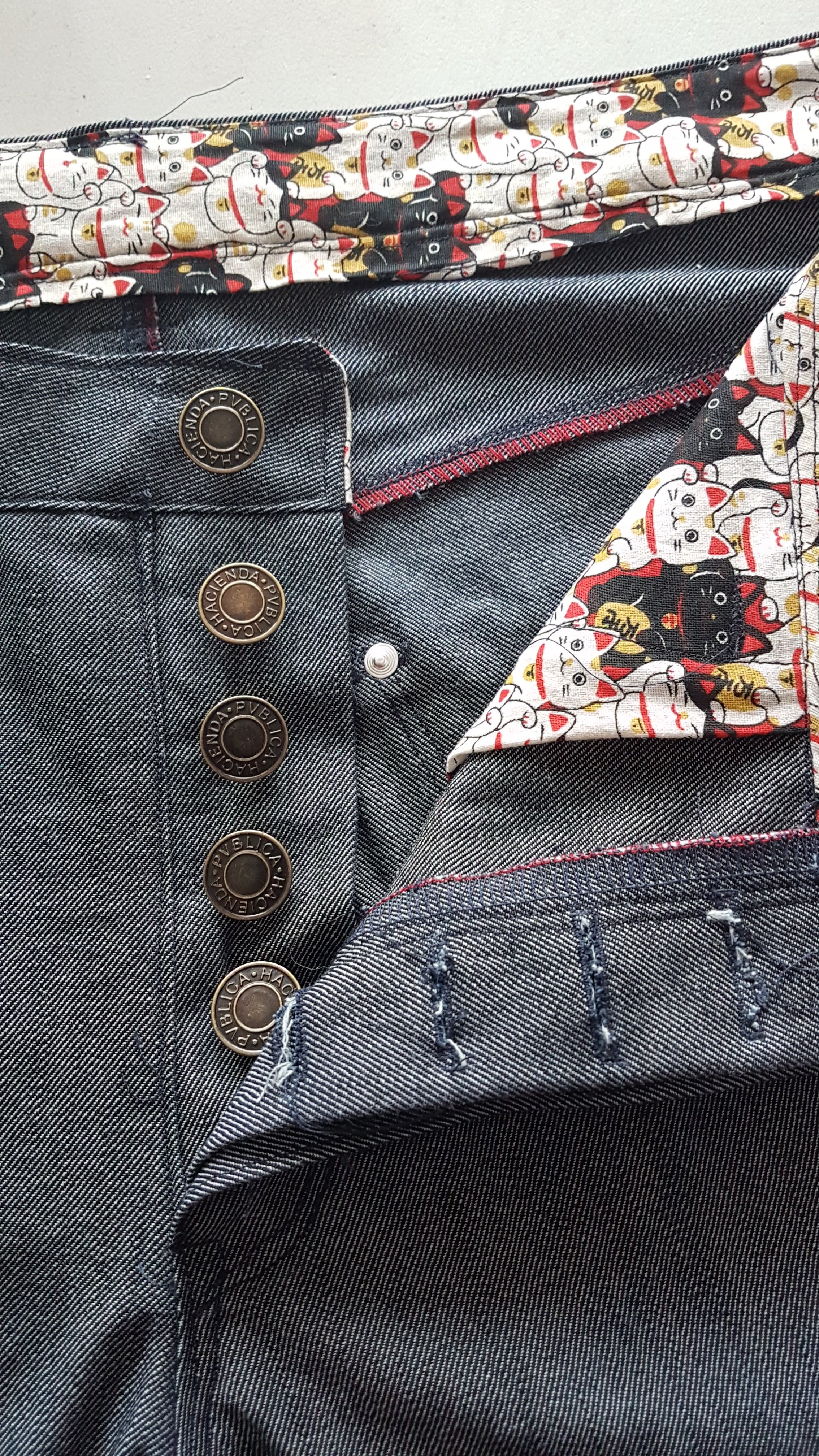
Well, these were a dream make, even when I put one of the pocket linings on backwards and had to frog it. I was trying to take special care with the pockets as I’d got them the wrong way last time. I even re-cut one of the pocket linings as I was using a directional print and didn’t want it upside down, even though under normal circumstances no one will be looking at the inside of my jeans! The maneki neko fabric was from Ali Express, and it’s a good 100% cotton quilting weight. Expect to see more of it in a future quilt!

In terms of sizing, I took out 5mm from the straight leg seam allowance, but I don’t think I needed to so I’ll leave it in next time. I also took out some length in the leg – 5cm, this time – and I think this was about right. I like the cropped length with my trusty Birkenstocks.

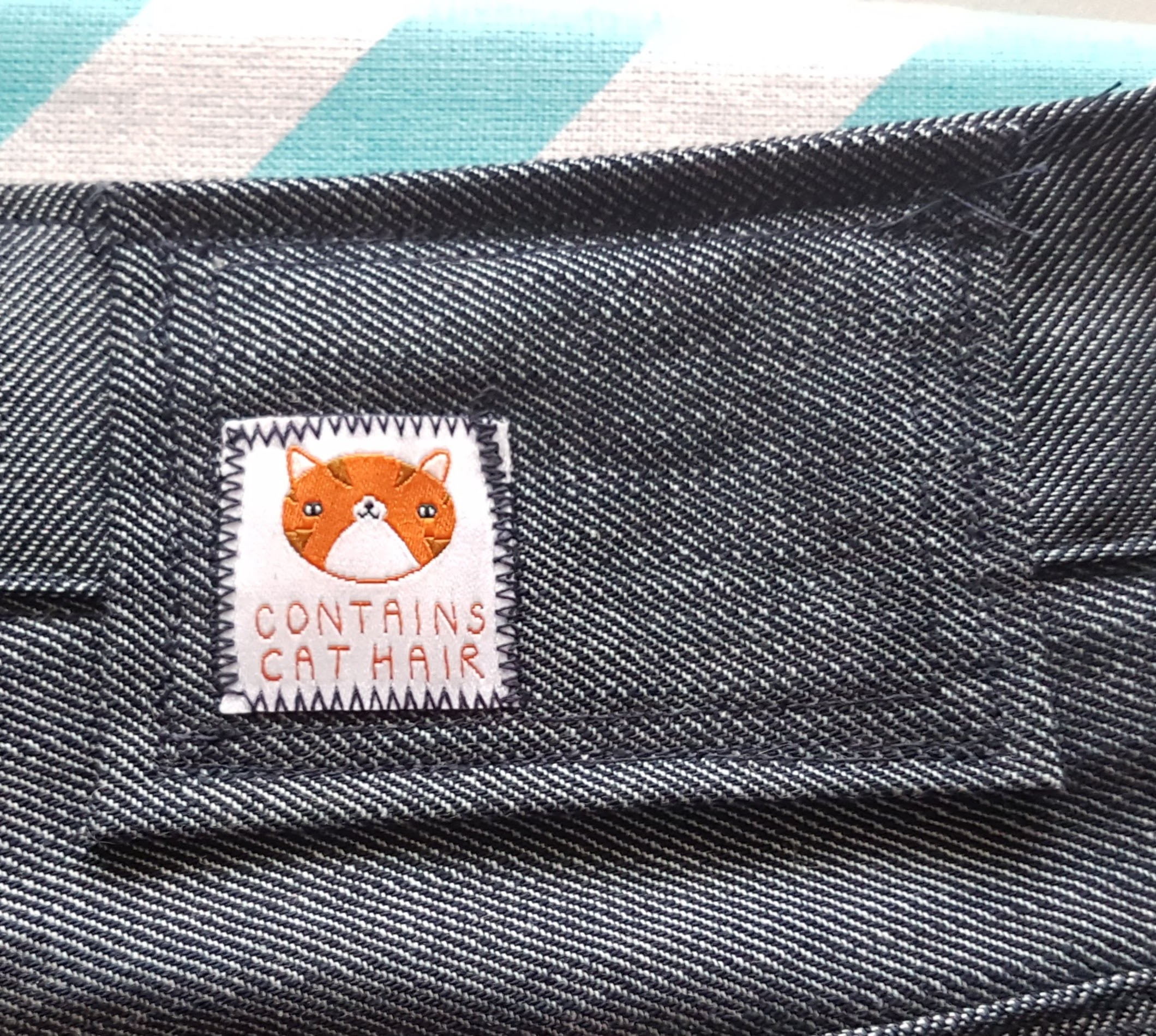
I was very careful with the fly, after last time, and this time I got it right. I also went the whole hog and added rivets, belt loops and made my own ‘brand’ patch using a woven label from The Pink Coat Club. Both the jeans buttons and the rivets came from EBay.

Overall I am pretty pleased with them, though a sewing friend suggested I made the pockets a bit smaller and placed them a bit higher to be more flattering, which I will do next time. I have some black cord that will work well with this pattern, so there *will* be a next time! I wore them on Tuesday, when I ventured onto a train to take one of my stepdaughters to an appointment, and they were so easy to wear, even as the temperature rose.

I remembered my mask, too – home made, of course.

Foxy!

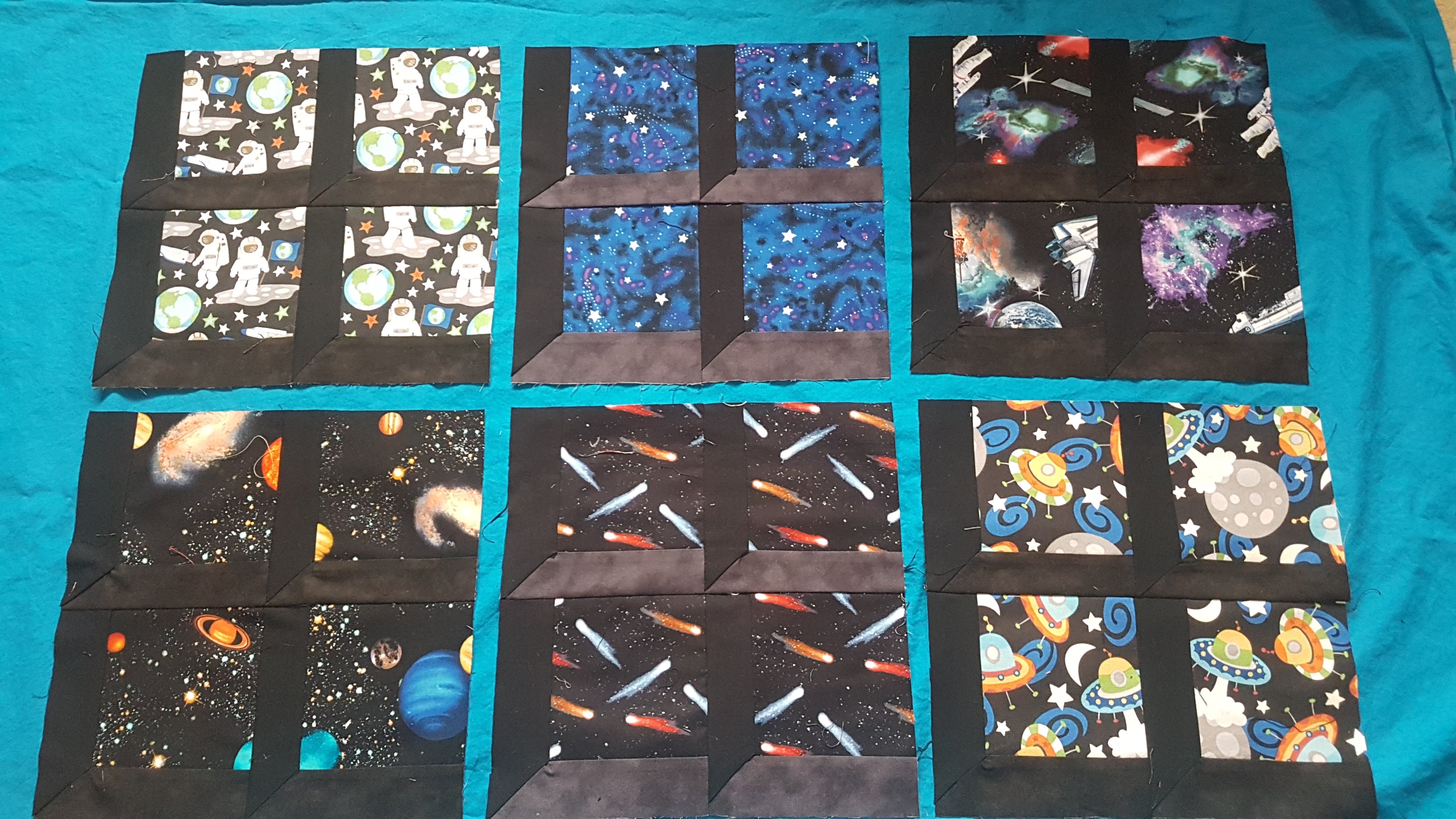
I’m still working on my attic windows quilt, and will hopefully finish the top this week. I am going to attempt sashing between blocks, so let’s see how that goes! Here’s the different blocks laid out on the fabric I have chosen for the sashing. I’ve tried to be quite accurate with my sizing – I trimmed the single window squares to the same size and squared off the edges before putting them into the larger blocks, and the larger blocks have been squared to 11 3/4″. I’m not entirely sure how big this is going to end up! I have a double duvet cover (well, the reverse of one -the front is going to be a circle skirt) for backing, so hopefully that’ll be large enough!

Attic window blocks

As an aside – I have a Quilting board on Pinterest, and I opened up the site in a new tab to remind me to have a look at it when I’d finished writing this. An hour later, I realised I’d fallen down the rabbit hole and rather than looking at the pins on the board, I’d got about 30 tabs open, had pinned a whole new set of ideas and still hadn’t finished this post!

Adventures in the great outdoors

I haven’t done quite as much swimming this week as one of my buddies was working up in London, but we have managed a couple of early morning plunges and a late afternoon dip, which was most welcome when the temperatures were in the high 20s. We swam just as the sun was starting to go down, surrounded by damselflies and ducks, and it was quite blissful. We did about a lap and a half, so just over a kilometre.

Early morning walks have been good too – we are more than 70% of the way towards the August 30k challenge I mentioned last week. One morning we went round the fields via the flood meadow (see this week’s cover photo) which is filled with wild flowers, and on another via the farm where we finally coaxed the little black barn cat close enough to pet. There’s a lot of black cats on the farms round here! His marmalade friend joined in with the fuss too. Next time we walk we are going to take boxes and pick blackberries, as the hedges are groaning with them.

How does your garden grow?

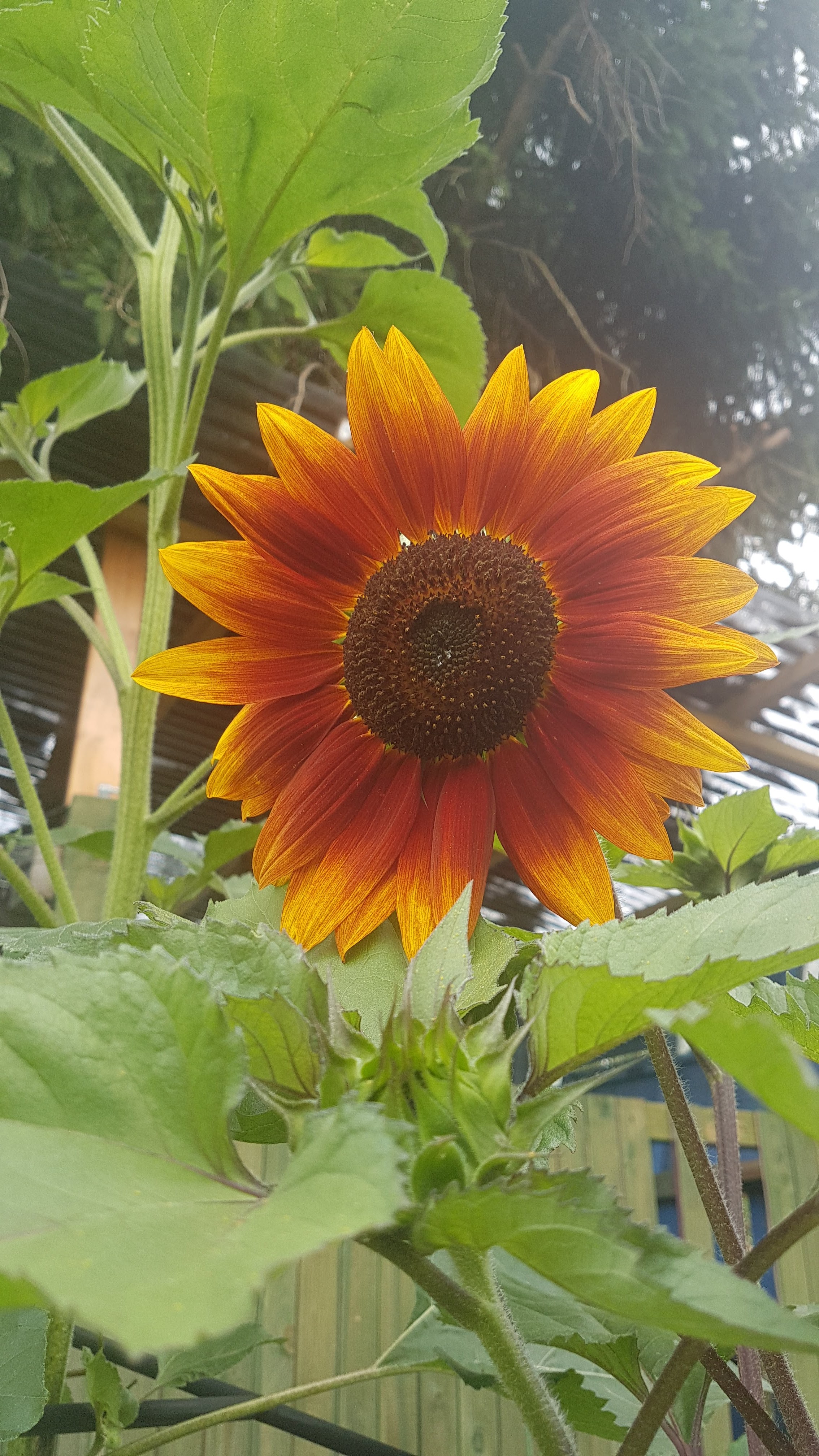
Closer to home, the garden is looking beautiful – one of the sunflowers is now nine feet tall, and hasn’t flowered yet! The sunset-coloured one below is probably about seven feet tall (you can see the stalk of the big one behind it), and the bees love them. The squirrels will also love the seeds when the flowers are finished.

We also made a trip to the garden centre for compost and came home with more sad plants – these two Black Eyed Susans outside my shed, these flame-like celosia that look like Calcifer from Howl’s Moving Castle, and some heliotropes and calla lilies.

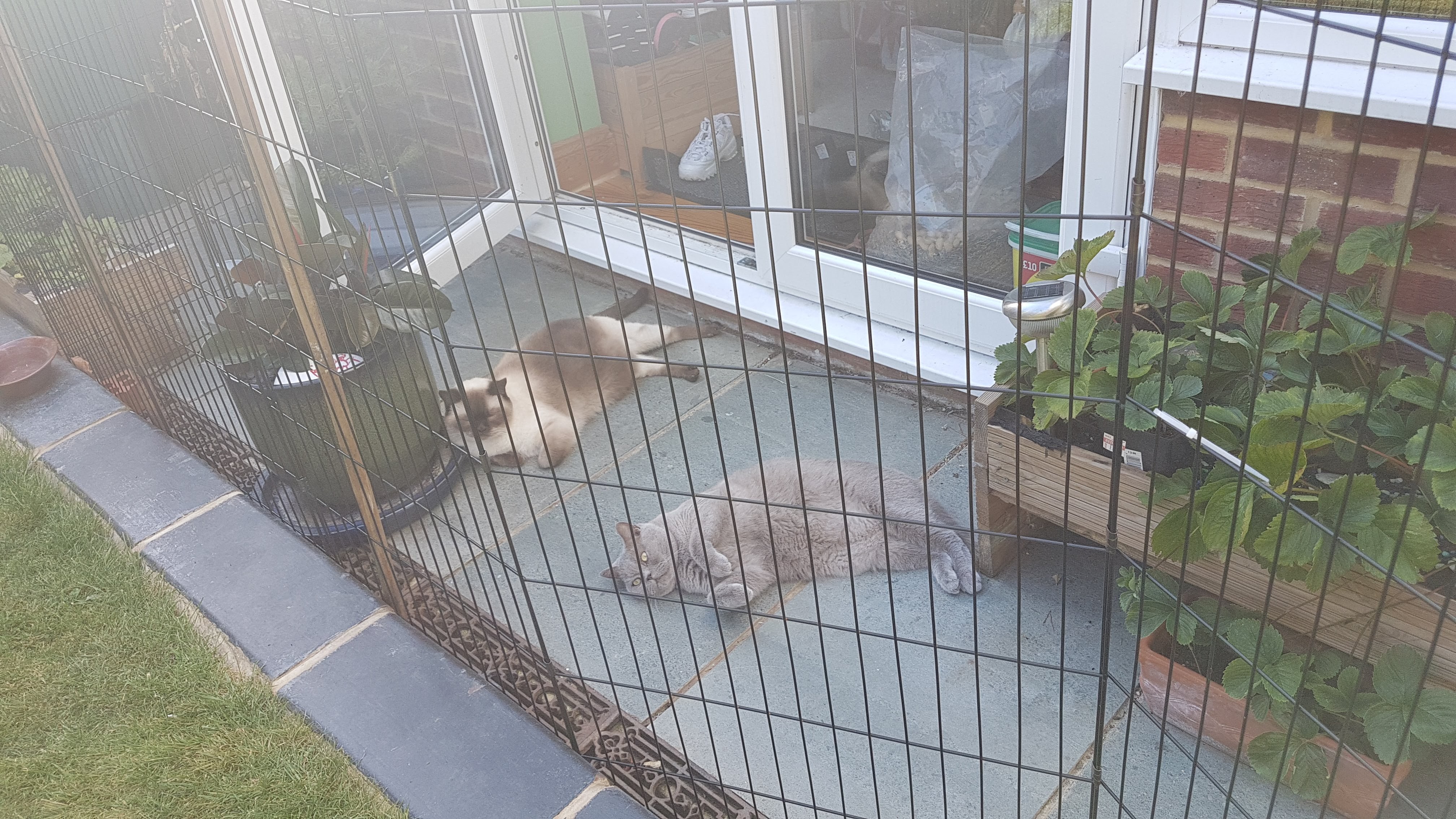
Bailey and Teddy are making the most of their catio, as you can see – they love being able to come outside and watch the birds close up. The catio is made of a dog cage, bits of fireguard and a lot of cable ties. We keep adding bits on to try and stop Lulu escaping, as she’s a bit of a Houdini!

Hey, what happened with that job interview?

We heard mid-week that we hadn’t been successful but the consensus view is that we don’t mind! We enjoyed the process and we can continue to work together on the project at our own museum with a new understanding of each other’s skills and experiences, and how well we work as a team. Hopefully we also started people thinking differently about how job shares can work, and got them thinking about what innovation might look like in a multi-site organisation!

You can find out more about the V&A East project here and about the Museum of Childhood transformation here.

And that’s it from me for the week – I have a kitchen full of kids causing chaos, more in the tent in the garden, and I probably ought to supervise!

Same time next week for week 21 then!

Kirsty x

What I’ve been reading

American Demon – Kim Harrison (the new Hollows novel! Yay!)

The Pearl King (Crow Investigations) – Sarah Painter

Time to Depart (Falco series) – Lindsey Davis (Audible)
Week fourteen: new jeans and sewing machines

A thank you, first of all – to those of you both here on WordPress and elsewhere on social media (and even in real life!) who took the time to read last week’s piece, to share it more widely and to talk to me about it. It meant a lot to me to be able to open the conversation. Thank you!

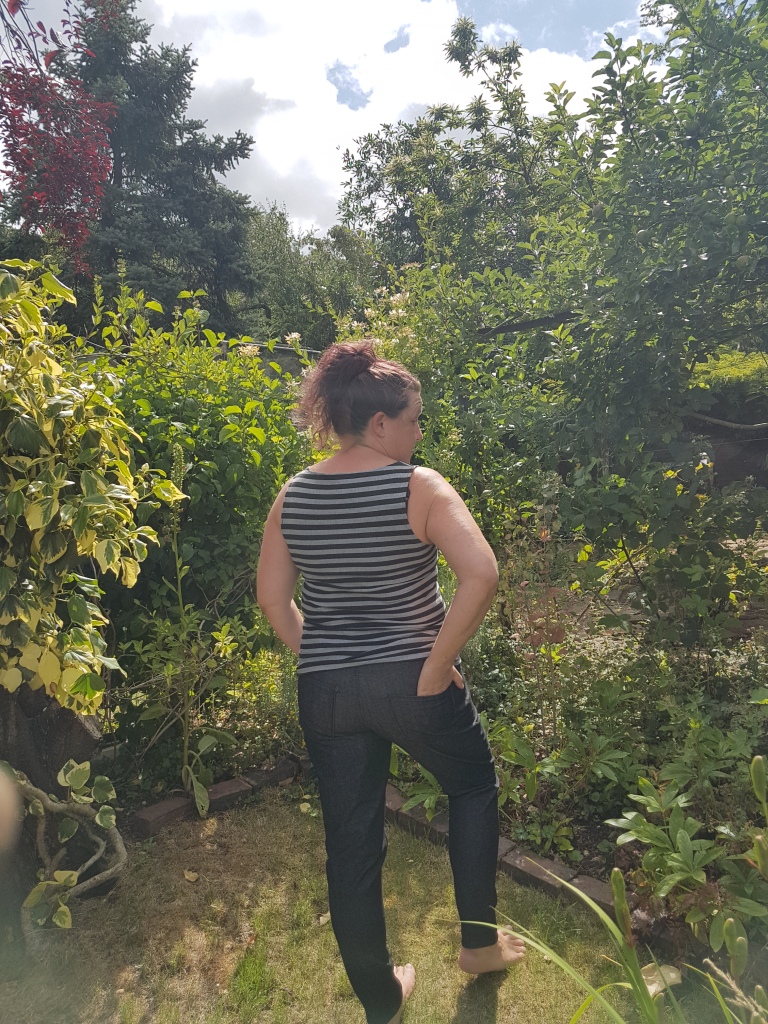
This has been a learning week – my challenge was to make a pair of jeans for myself. I bought the Closet Case Patterns ‘Ginger’ skinny jeans some time ago and it’s been lurking in my files for aaaaages. I picked up some black stretch denim on EBay – quite lightweight, without too much stretch (2% lycra), and very reasonably priced considering the potential for disaster in the project. There’s a lot of techniques in a pair of jeans I haven’t tried before – not least the fly – so I knew this was going to be a steep curve!

Who knew, for example, how many different pieces there are in a pair of jeans? I know I didn’t have a clue until I cut them out on Monday…

I decided to make view B, which is the high waisted, skinny leg option – I have never bought high waisted jeans, but I also rarely wore bold print clothes until I started making them myself, so I figure I’ll wear these jeans! Before I cut the fabric I used the shortening guide on the leg piece to take out 10cm, which is the usual amount I have to take off all trousers. If I make them again I’ll reduce that to 8 or 9cm for a wider hem at the bottom, as they were only just long enough in the end, resting just below my ankle after hemming.

The pockets went together quite well, except the coin pocket ended up on the left instead of the right (since it’s a pocket I never use, I can’t see a problem with this and would have been just as happy to have left it out), and one of the pocket stays is inside out. I need to put a couple of tacking stitches into the pocket to hold the facings inside as they have a habit of popping out above the pockets themselves. I used remnants of the deep red backing fabric from my red quilt to make facings and pockets, so my favourite colour is on the inside.

The fly was another matter, and I’m really not sure where I went wrong. I followed the instructions as best I could – they really aren’t that clear, and while I frequently say ‘trust the pattern!’ I think next time I’ll be looking out for a sewalong or tutorial to help. My zip is exposed, and the fly shield doesn’t sit over it – but my top stitching is very neat for a change, which I suppose is something as top stitching is one of my bugbears (hence using navy for the jeans!).

The back of the jeans went together well – the yoke gives the waistline a nice shape, and the slight curve on the back pockets is flattering. The pattern gives some helpful suggestions for pocket placements, as – as they point out – every bottom is different. I’ve never been very fond of mine (too flat) so anything that gives the illusion of a curve is a plus!

The designers very sensibly suggest tacking the front and back together to check the fit through the leg before you stitch them permanently together, and I’m glad I did as I had to take in the legs by a couple of centimetres. I was still left with some extra width in the the thigh, so I’ll try and work out how to take that out next time (possibly by grading between the leg and waist sizes on the pattern).

Overall I’m happy with them, and will be making them again – and I’ve also treated myself to the Morgan boyfriend jeans pattern.

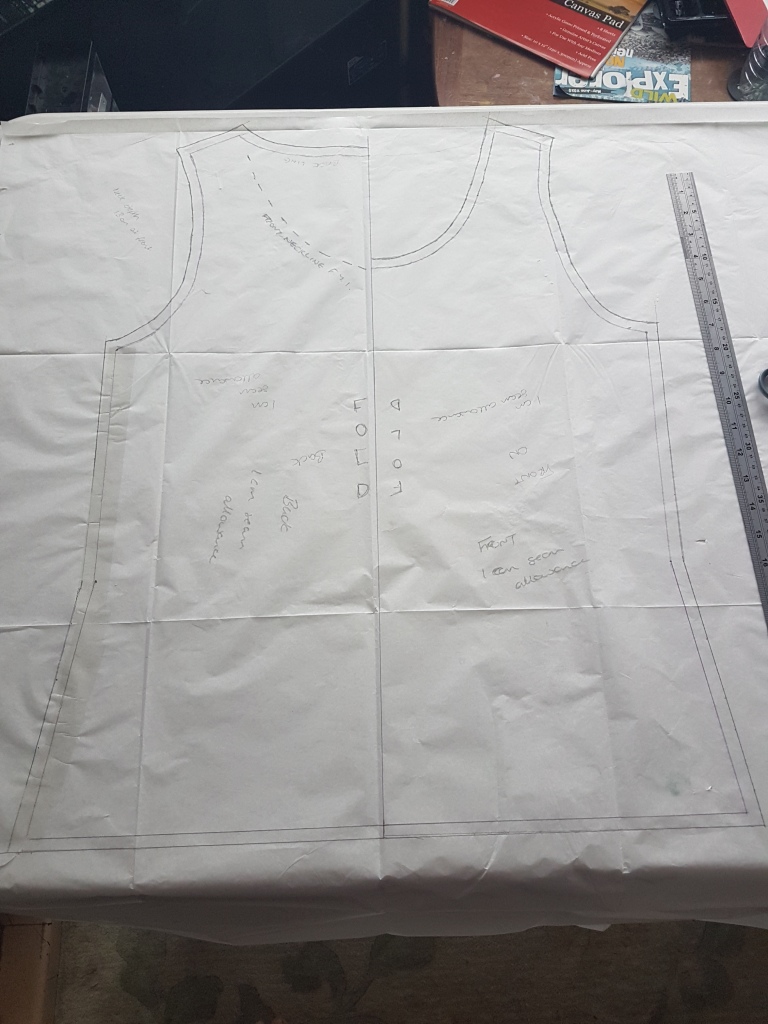
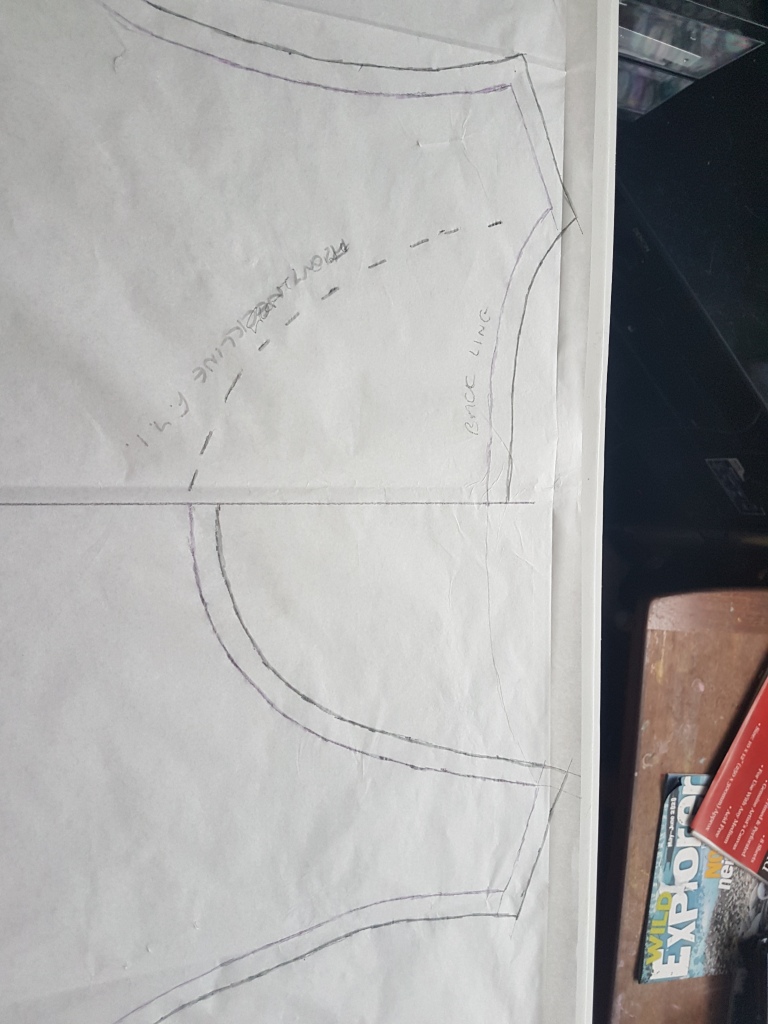
The top I’m wearing in the picture above is also a me-made – this time a rub-off from one of my favourite vests. I like the slight shaping on it, and the length. The stripy fabric is another EBay bargain – it was sold as 100% cotton, but I have my doubts. It’s not very stretchy and the stripes are printed rather than woven, but as a test piece it’s worked quite well. If you look closely you can see a seam down the centre front where I didn’t have enough length (I had a metre of fabric) to cut both front and back on the fold. It’s a very stable knit, so putting a seam down the front didn’t take it out of shape.

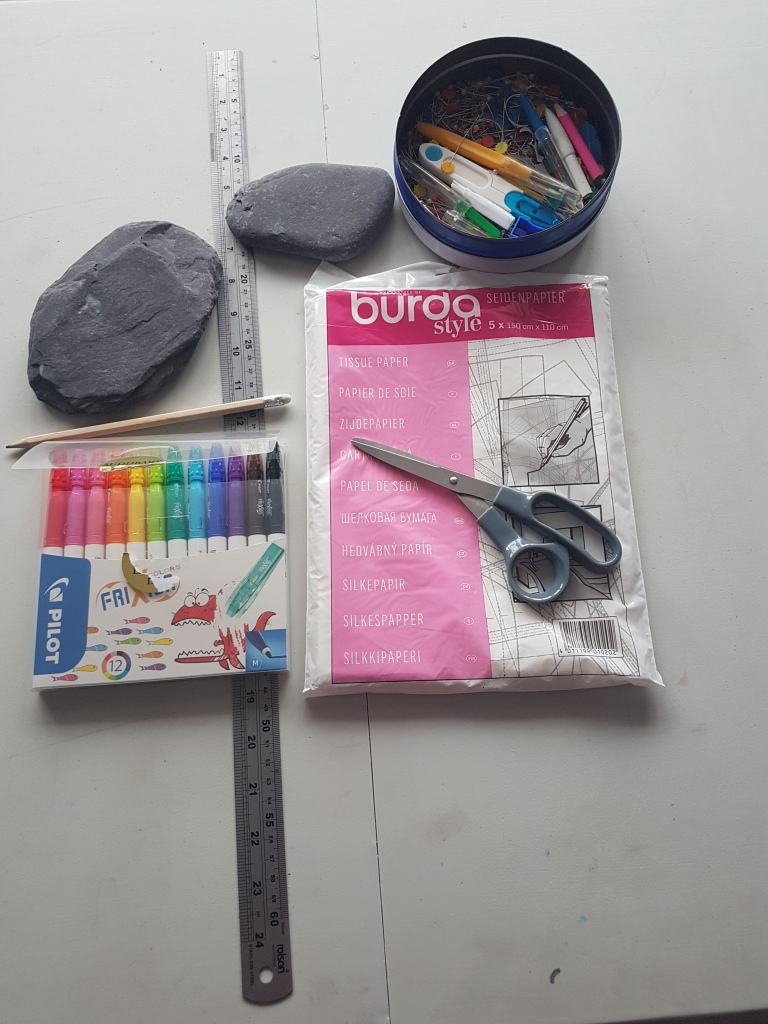
Here you can see the vest in progress – the rub off, the marked up pattern and my kit (Burda tracing paper, Frixion pens, a couple of Celtic paddlestones from the garden centre for weights, pins, a long steel ruler and paper scissors!) – and the final vest next to the original. Please note the Bee-worthy stripe matching on the vest which I managed on both sides and down the middle.

Thoughts on sewing machines…

Both the jeans and the vest were constructed using my Brother 2104D overlocker for seam finishing, and on a Singer Samba 2 (6211 model) which – looking at the instruction booklet – dates from 1984. My Aunty Jo, who had it from new and who passed it on to me a couple of years ago, has made notes in the back of the booklet detailing what she made and the savings on shop-bought clothes. These are dated around 1986, and I can see she made Liberty print blouses, cushion covers, and did alterations for her son and herself. She was also a painter, and has been in my mind a lot recently as she is in hospital after a fall. I wonder whether this was behind my decision to use the Samba to sew this week?

Aunty Jo’s Samba 2

Sewing machines, it turns out, are like cats and tattoos – it’s almost impossible to stop at one. I am currently at 5, including my overlocker!

My first sewing machine was also a Singer, which I never got to grips with and which eventually expired past resurrection back when I still lived in London. My mum was given it for her 21st birthday in 1965 and she passed it to me as she thought her days of sewing were past and my crafty journey had just begun with my discovery of cross stitch. She was wrong, of course – my youngest sister is an historical interpreter working in schools, museums and heritage sites in Northern Ireland and the top of ROI, and mum has been sewing costumes for her (which reminds me, I have to make a suffragette sash for her!) as well as making curtains for their home in France.

My second sewing machine came much later, when my eldest daughter was very small – this time, it was given to me by my mother in law, as she no longer used it. Again, it was from the 1960s, as we found the original receipt in the case. It’s a Husqvarna Viking 19E, and it had been regularly serviced and much used. I learned to sew on this beauty, and when the drive belt perished a few years ago and couldn’t be replaced as the parts are no longer made I was very sad. I still have it, and have a search alert set up on EBay in the hope that a belt will come up second hand. I can’t bring myself to get rid of it. My mother in law died in late 2012, and this is one of the links I have to her – I was very lucky, as she and I got on well. She was a crocheter, and tried (and failed) to teach me which was one reason I was so determined to learn later.

When the Viking died I was in the middle of a project, so I bought a Brother LS14 – a basic model but it does the things I need it to do, and it’s been used recently to teach Thing 2 to sew. It’s a bit rattly, as it’s quite lightweight, but its reliable and great for a beginner. I started to sew more regularly, and to share what I was making on social media, and suddenly people saw me as somewhere to pass their old machines on to (I have learned to say no now, and to suggest alternative people who might be able to provide a loving home – but if I had the space I would rehome them ALL!). As well as the Singer Samba above, I also have a New Home machine – this one dates from the late 70s, I think, and belonged to a friend’s mum who no longer used it. It’s a good, solid machine and I think I’ll have to get it out soon.

Vintage machines are reliable, but they do need a bit of TLC at times – a bit of oiling, and a bit of a dust – and we are also lucky in this area to have the fabulous Rona sewing machine shop in Waltham Cross. They are helpful, knowledgeable and expert with all sorts of machines – highly recommended if yours needs a bit of a tune-up or if you’re looking for a new one.

My overlocker was a treat to myself – bought in a sale, and it’s been worth every penny.

In case you’re wondering, I have also learned to say no to more cats – three is enough! For the moment….

Level up!

I turned 47 on Friday. I haven’t worried about age since my 27th birthday, when I cried all day.

Why 27? Wayyyyy back in infant school, our teacher Mrs Price asked us for a mental maths exercise to work out how old we’d be in the year 2000. To six year old me, that seemed like a million years away and 27 sounded so OLD. That feeling stuck with me and when I finally hit 27 in the millennium year I had a bit of a meltdown…and no birthday since has ever had the same effect. Perhaps that was my equivalent of a midlife crisis (I hope not).

This year was a bit out of the ordinary, of course, as we’re still socially distancing. I have a large garden, and despite the forecast thunderstorms, my best friend and my London sister came to visit me armed with gin, cake and a sourdough starter which apparently I have to name. Suggestions welcome! It was a lovely gossipy day, sitting in the shade as the promised rain threatened but never appeared, and I felt very spoiled.

One thing about being a maker and a sharer of makes is that it’s rare that anyone gives me a handmade gift, so I was incredibly touched to receive a beautiful hand embroidered card from my colleagues at the museum, with personal messages and art inside. I miss them all very much and am looking forward to going back to work at some point…

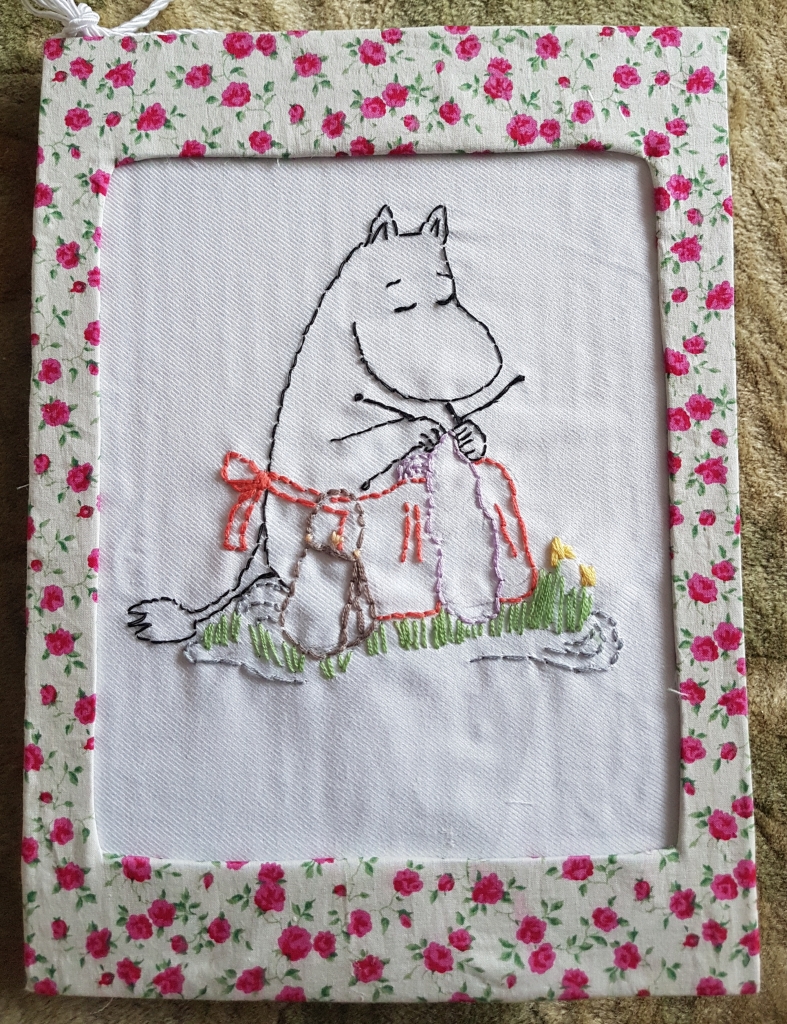
Anyway, here is a happy Moominmamma (it was a Moomin themed birthday, as the crew all know my passion for these little hippo-esque trolls) embroidered by Katy:

Moominmamma

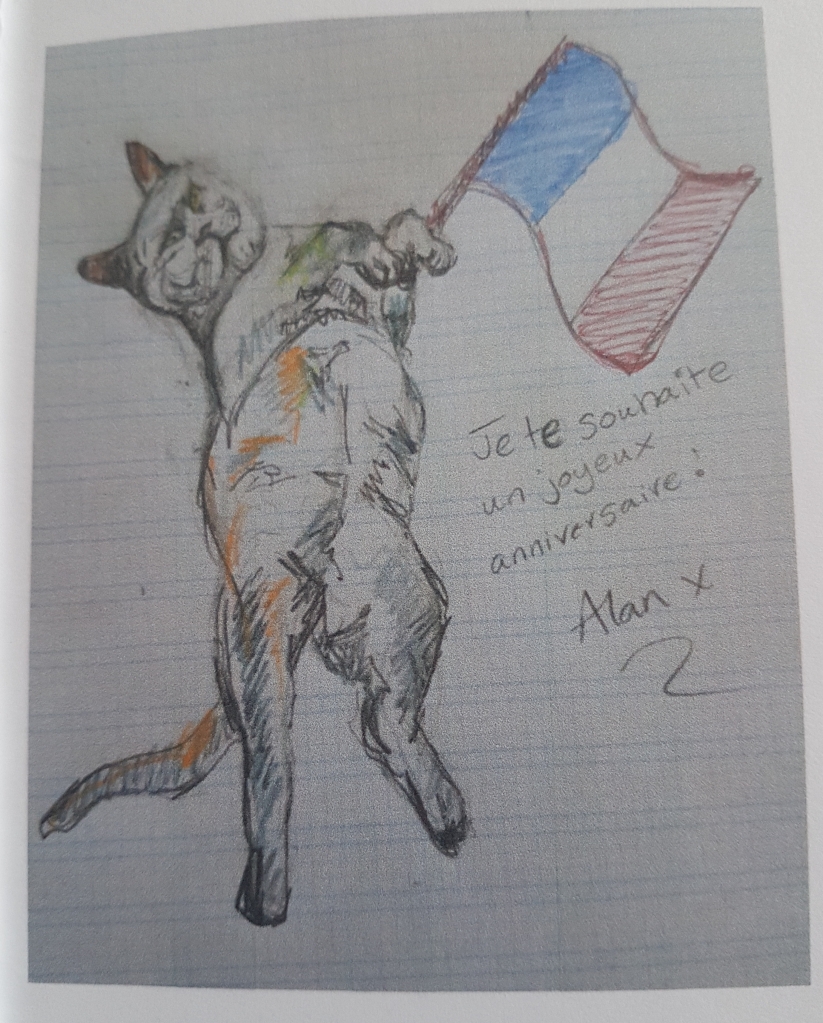
Another colleague, Alan, used a photo of our Teddy-cat that I’d sent him captioned ‘draw me like one of your French girls’ – and did exactly that. I love it!

Teddy is currently stretched out on the chair in a very similar pose….

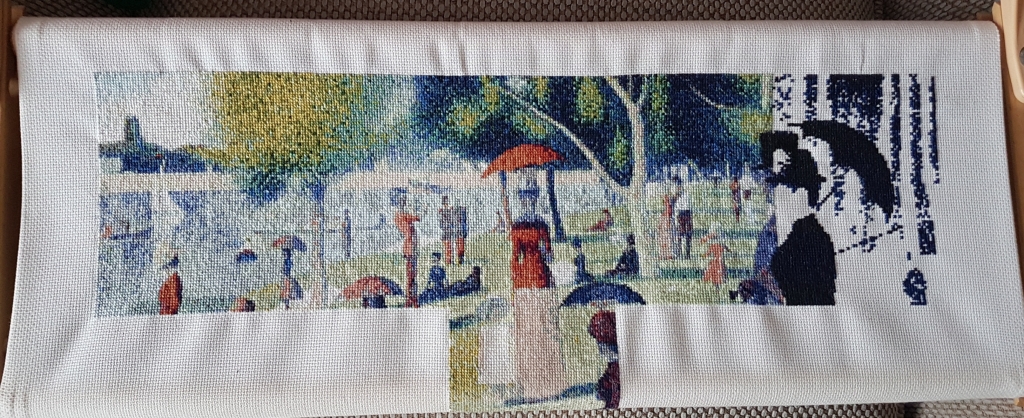
I’ll leave you with this week’s cross stitch update! I have always loved this painting – I had a book about it as a child called ‘Take a Good Look with Johnny Morris’ that delved into the people on the Island, and I’ve had a print of it on my bedroom wall for the last 29 years – I bought it at a poster sale in the Student Union in Freshers’ Week and it’s been with me ever since!

Lots of dark blues in this panel!

I’ll see you on the other side of week fifteen – have a great week!

Kirsty x

What I’ve been reading:

V I Warshawski novels – Sara Paretsky

The Iron Hand of Mars – Lindsey Davis (Audible)

Week two: reality bites

Here we are at the end of week two, and cabin fever hasn’t quite set in yet – though I think the novelty of being at home has definitely worn off for the Horde. They are missing their friends, especially as we can see and hear some of them over the garden between us, and they are used to being in and out of each other’s houses. Limiting screen and chat time is frustrating for 13-year-old Thing 1, too, as she is used to working with her friends at school.

I – like so many other parents at the moment – have a renewed respect for teachers (and I used to be one!). In my case, it’s down to the really hard sums and various parts of speech that Thing 2, in Year 6, is expected to know. I got 1% on a fractions test in Year 7 and my relationship with them hasn’t improved over the years, so to be confronted with ratios and lowest common denominators and so on was a bit of a shock to the system. We muddled through, I think.

I have kept to my 7 – 2 working pattern, apart from the odd afternoon meeting (Thing 2: “They aren’t the people you usually talk to! Do you even know them?” – at least the internet safety chat has sunk in) which gave us the chance to try some new recipes. Thing 1 made gnocchi for lunch one day, Thing 2 made chicken, mozzarella and pesto filo parcels, and Thing 3 made cornflake cakes. 1 and 2 managed to make bread together one afternoon without all-out combat, and we tried making flatbread to go with meatballs too. I convinced them to eat cauliflower (#winning). All three of them have been painting, helping their dad in the garden (I think he is hiding from the chaos) and enjoying the sunshine.
Thing 2 and her latest creation – a gift for her nephew

When not negotiating tricky fractions or the perfect tense, I have been exploring the value of makerspaces for children as a way to increase their creative confidence – one book, The Nerdy Teacher Presents: Your Starter Guide to Makerspaces by Nicholas Provenzano, had me thinking about the potential for this way of learning as part of the planned school residency. It also has AWESOME geeky pop culture references.

As someone who was always encouraged to try things, to potter about as my dad built stuff in the garage, I think opportunities to make – to make things, to make mistakes, to go back and explore what you did wrong – are vital to children’s development and the growth mindset that’s so important to making it as a human being in the 21st century. It’s not something that can be tested in a SAT at Y6, for example, although project outcomes can be, so allowing children to fail has been off the agenda – children have been spoonfed knowledge and test content, which is great for school league tables but hasn’t done a lot for the children themselves. Project based learning is definitely on my mental agenda at this point, and how that can be condensed into a museum context, when our time with the students is limited.

Easter holidays start now

As the head of this here school, I declared an Inset Day on Friday so we started our break a day early.

Tuesday was a difficult day

Part of the reason for this was for the sake of all our mental health. Thing 3 has been quite unsettled, sleeping badly and having nightmares, which – as a very pragmatic little soul from the day he arrived – is very out of character. I also had a very bad day on Tuesday: one of the worst I have had for a while, with high anxiety levels and very low mood.

I am missing my daily commute: for me, this was a decompression between work and home, a chance to stop being ‘work me’ and be ready to be ‘mum me’. That hour of audio books or music and crochet makes a huge difference to my mental state. I’m usually pretty good at multi-tasking, but trying to be both my ‘selves’ at once is proving challenging at times. Still, no more SPAG and maths for a couple of weeks!

And hey, who am I kidding – I miss being in work as much as the kids being in school. I love my team, and the office dynamic – having people to throw ideas around with, chats over boiling kettles and seeing all our lovely visitors. I get great joy from my work – interacting with teachers and children, seeing the wonder on the faces of our smallest visitors. Although the Teams app and Zoom are good for seeing faces, the spontaneity isn’t there. It’s been lovely to have the odd chat with colleagues which didn’t come with an agenda, and I definitely feel the lack of the lunchtime walks to Victoria Park to see the dogs and ducks.

It’s hard not being able to see friends, too – the other people in the village, and also my nurse friends who are on the frontline at the moment. One lost a colleague to Covid-19 this week, and we can’t reach out and cocoon her. She is quite naturally angry that people are ignoring the rules – the scenes in Epping Forest and other parks this weekend have proved that people are not taking this crisis seriously. My parents, in France, are in full lockdown and I wonder how long it will be before that has to happen here too – 90% co-operation and 10% enforcement doesn’t seem to be working.

I am still running (or I was until my Achilles tendon did something odd yesterday at mile 3) but going out at 6am, when the only people I am likely to encounter are distant dog walkers. I see a lot of rabbits, too, and was lucky enough on Monday to spot a herd of about 30 deer grazing on the common.

A very fuzzy picture of deer….

How’s that to-do list coming on then?

It’s actually been quite a productive week!

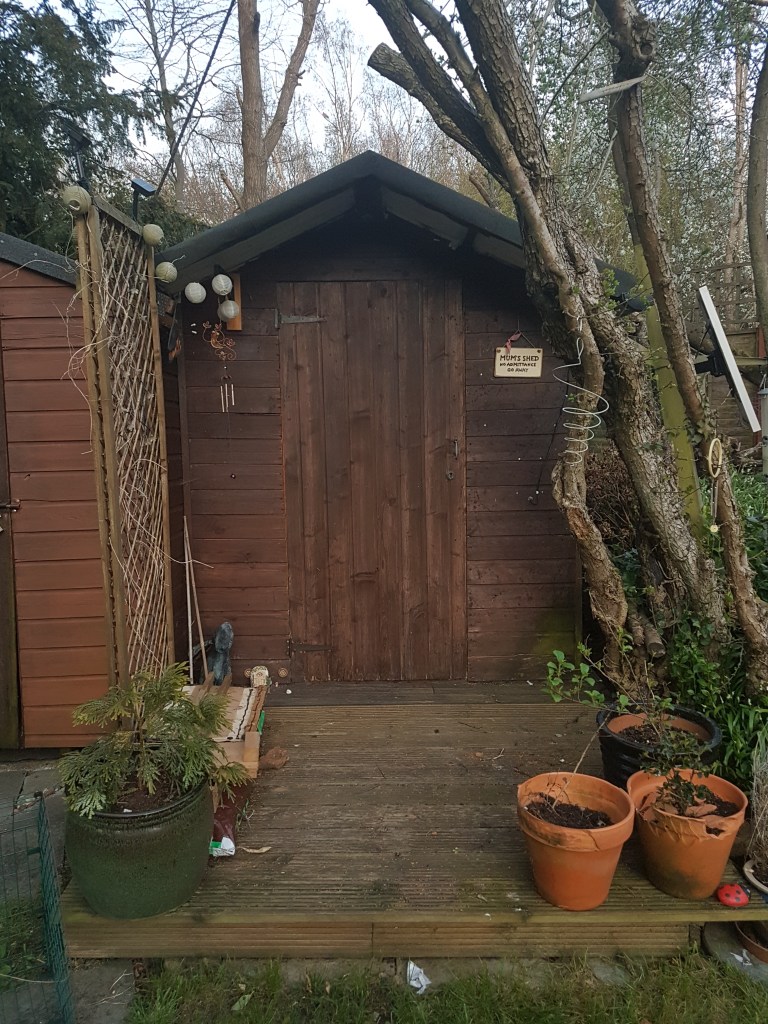
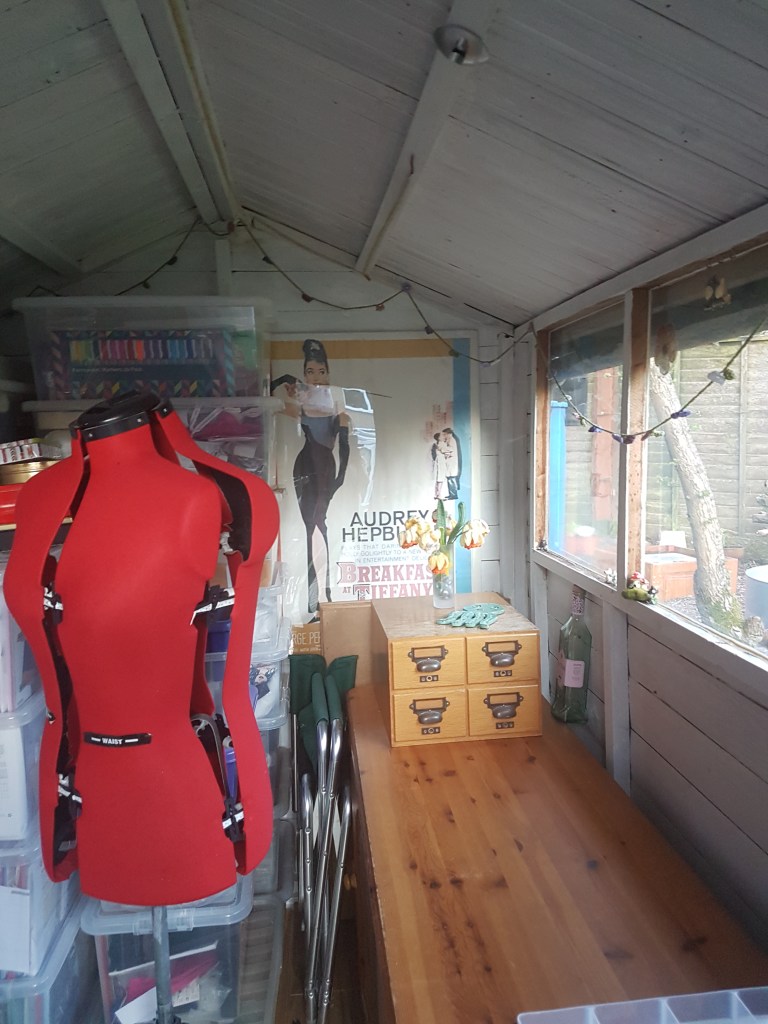
Today I spent a few hours in my shed, sorting through fabric remnants – a lot of cotton left over from various projects was donated to a woman in the village who is making fabric masks. She is not charging for them, other than to cover materials. I know they have been in demand, so the fabric has gone to a good home (along with some sewing patterns I know I won’t use!). Some yarn also made its way down the road to a friend’s daughter who has caught the crochet bug.

I’ve managed to tick two things off last week’s list! One, the purple jacket, only took about an hour’s work so I have had no excuse not to finish it before. I am not sure I followed the pattern instructions but it looks OK, so I am happy.

The purple jacket – Patterns by Gertie for Butterick.
Purple gabardine lined with taffeta – it’s sooooo soft.

The second finish was the Attic Windows quilt. I wanted to back it with a red fabric as a contrast to the navy, but couldn’t get enough as there has been a run on polycotton fabrics for hospital scrubs (I have signed up to make some for one of the local trusts, who are desperately short of them – one of my nursey friends tagged me in a Facebook post, and today I washed and dried lots of fabric so I can get started in the afternoons this week). Where was I? Oh yes.

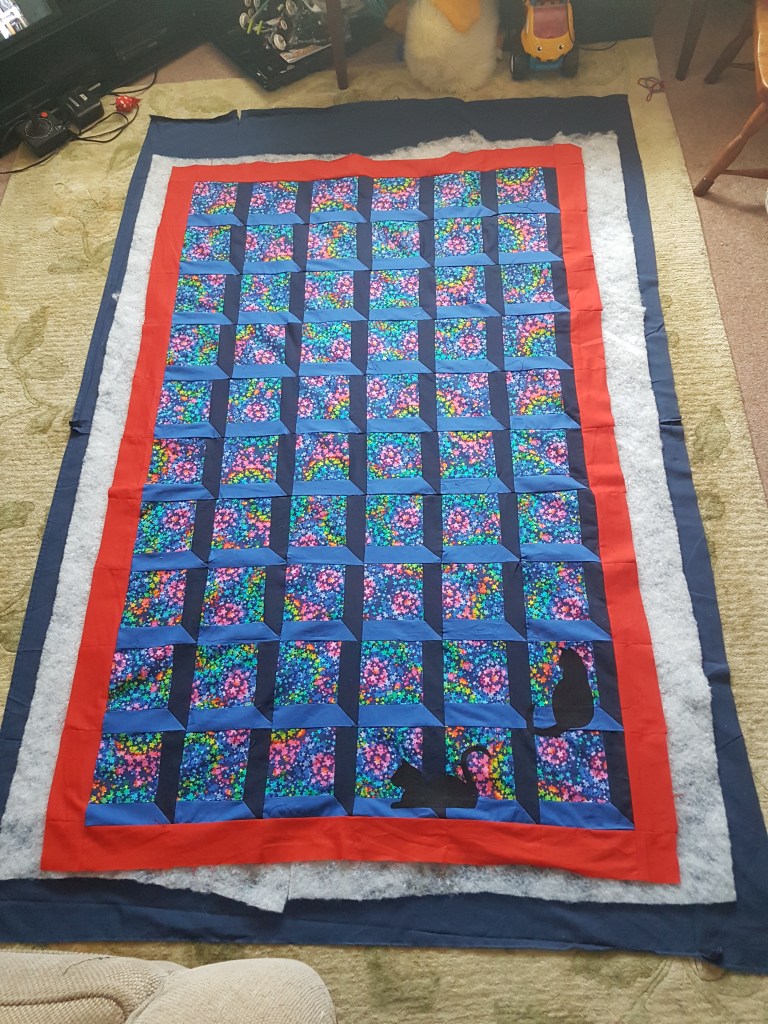
I decided to add a border of red rectangles to get the contrast, and then repurposed one of the kids’ old duvet covers to make the back. I cut it in half and then turned one piece through 90 degrees and stitched them together to get enough width. I also added applique cats – they look quite small at the bottom of the quilt, but the perspective of the night sky is probably what the world looks like to cats anyway, or so I like to think!

Ready for quilting and binding

Another project that shouldn’t have taken as long as it did! The first 25 blocks were hand sewn on the Central Line, which started a lot of conversations, and then a woman in a quilting fabric shop told me I was doing it all wrong, so I felt all disillusioned and put it away. For 12 years. The other 35 blocks were machine sewn last week, as they were all cut out, and I can’t tell which ones are which for the life of me from the front. So, nuts to you, lady in the quilting cotton shop.

The finished quilt has been submitted for inclusion in a book about making at home during the lockdown (more here: https://wideopensea.co.uk/athome/). It’s not perfect and I now see why you start quilting from the middle, but I am happy with it – I am also happy that the process of this caused Thing 2 to want to learn to sew.

Because it’s totally impossible not to start new projects, as well as signing up to make scrubs I also put together another quilt top – only to use up the squares, honest!

Using up charm packs.

I’ll also be making a few of the Frontline Hero bears for some friends, I think.

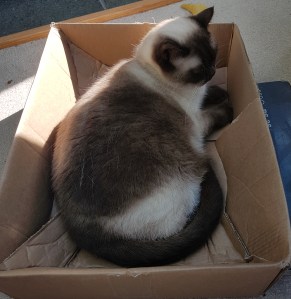
And that’s it from me for the week – here’s Bailey, doing what cats do best. Same time next week!

Kirsty x

“If it fits….”