Back in prehistory, before there were children, when I was young and mostly irresponsible and drank far too much Mad Dog 20/20 on nights out and other such unwise things, underwear was mostly impractical, lacy and – in the case of the Wonderbra – designed to make the most of my very limited assets through the cunning application of scaffolding and cantilevering and other miraculous feats of engineering.
How times change, eh? These days what I mostly look for are underwires that aren’t going to stab me halfway through a meeting and multipacks of pants in the right size and shape in Tesco. No one should feel too much sympathy for my beloved at this point: I am sure he’d far rather I wasn’t being tortured by my bra than anything else. My frustration often lies in the fact that the sizes left in the supermarket are either for skinny twigs or the larger trees – or if there are any in my size they are enormous ‘granny’ pants in some hideous shade of beige or soon-to-be-grey white. Supermarket pants also tend to be made of very thin cotton lycra fabric and trim which has a lot of stretch but frays easily.
Solving this problem became much easier when I bought an overlocker and began to make my own. You can make your own underwear with a normal sewing machine as long as you have a reliable stretch stitch and the ability to vary the length of your stitches, but at the time my basic Brother machine didn’t have that capability. The overlocker means you can whip up multipacks of your very own in short order.
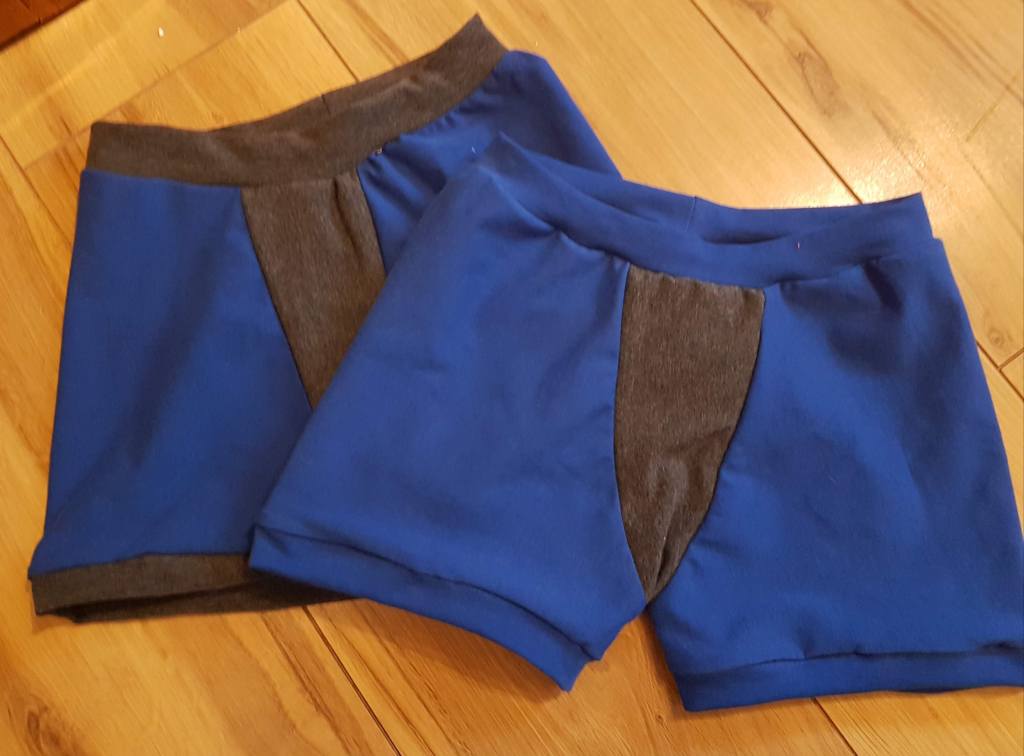
The first ones I made were the amazing Wonder Undies by Waves and Wild, closely followed by the Speedy Pants for the children – Thing 2 absolutely loves them and I have made multiple pairs for her since. I love the fact that you can choose the waist rise and the leg style and that once you have the hang of it you can make them really quickly. I also love that you can use sensible colours or take advantage of all the mad prints out there – Thing 2’s favourites had unicorns all over them and I love my rainbow ones. This week I discovered Rad Patterns (another NY resolution gone….) and their Lucky Booty pattern. I really like the fact that Rad offer accessible patterns – wheelchair friendly skirts and tops with medical port access, for example.
25K bralette and Lucky Booty shorts by Rad PatternsSuperstar Bra by Waves and Wild and Lucky Booty cheeky cut by Rad Patterns
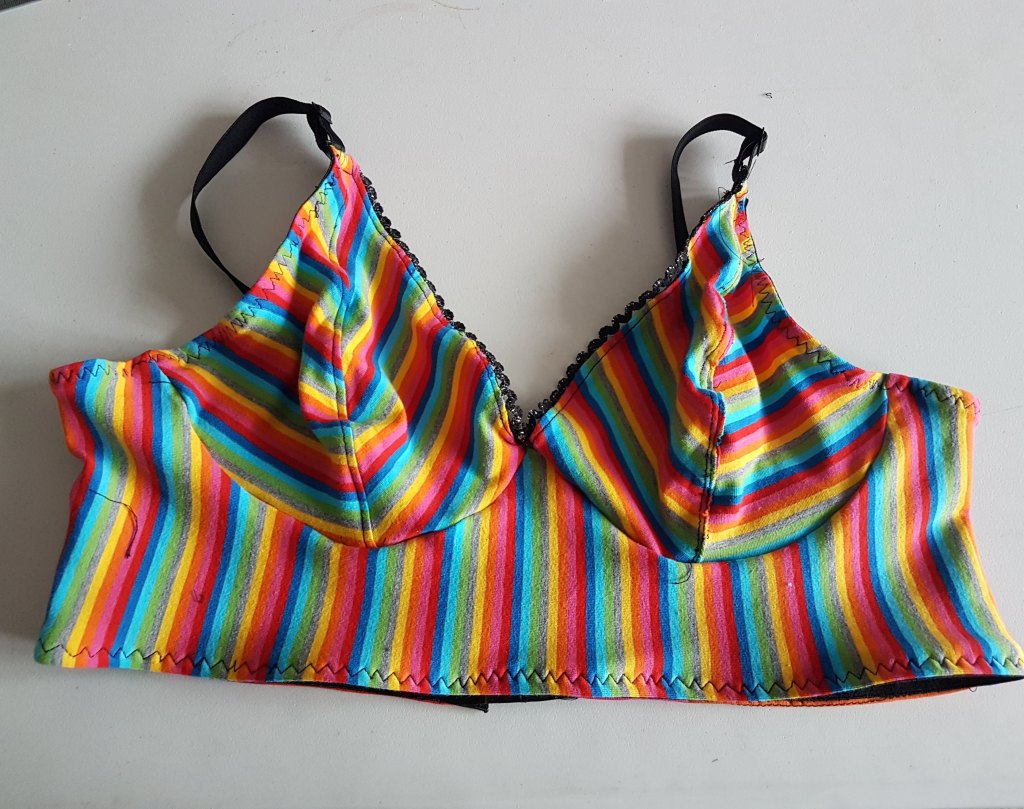
You also get to make matching bras/crop tops – Waves and Wild came up with their Superstar Bra last year and Rad patterns had a few styles already. The rainbow one below is the Watson bra by Cloth Habit. The Watson also comes with a bikini pant pattern – I haven’t tried that yet but I’m sure I will. This afternoon I’ll be making up the Lucky Lingerie bra and some Wonder Undies for Thing 2.
Speedy boxersSpeedy pantsWatson bra
The only trouble I have found is that home-made pants look absolutely ENORMOUS next to shop-bought – but they feel amazing (‘like a hug for your butt’ as one sewer put it) and last forever. If you haven’t had a go at making your own yet, you’re missing out.
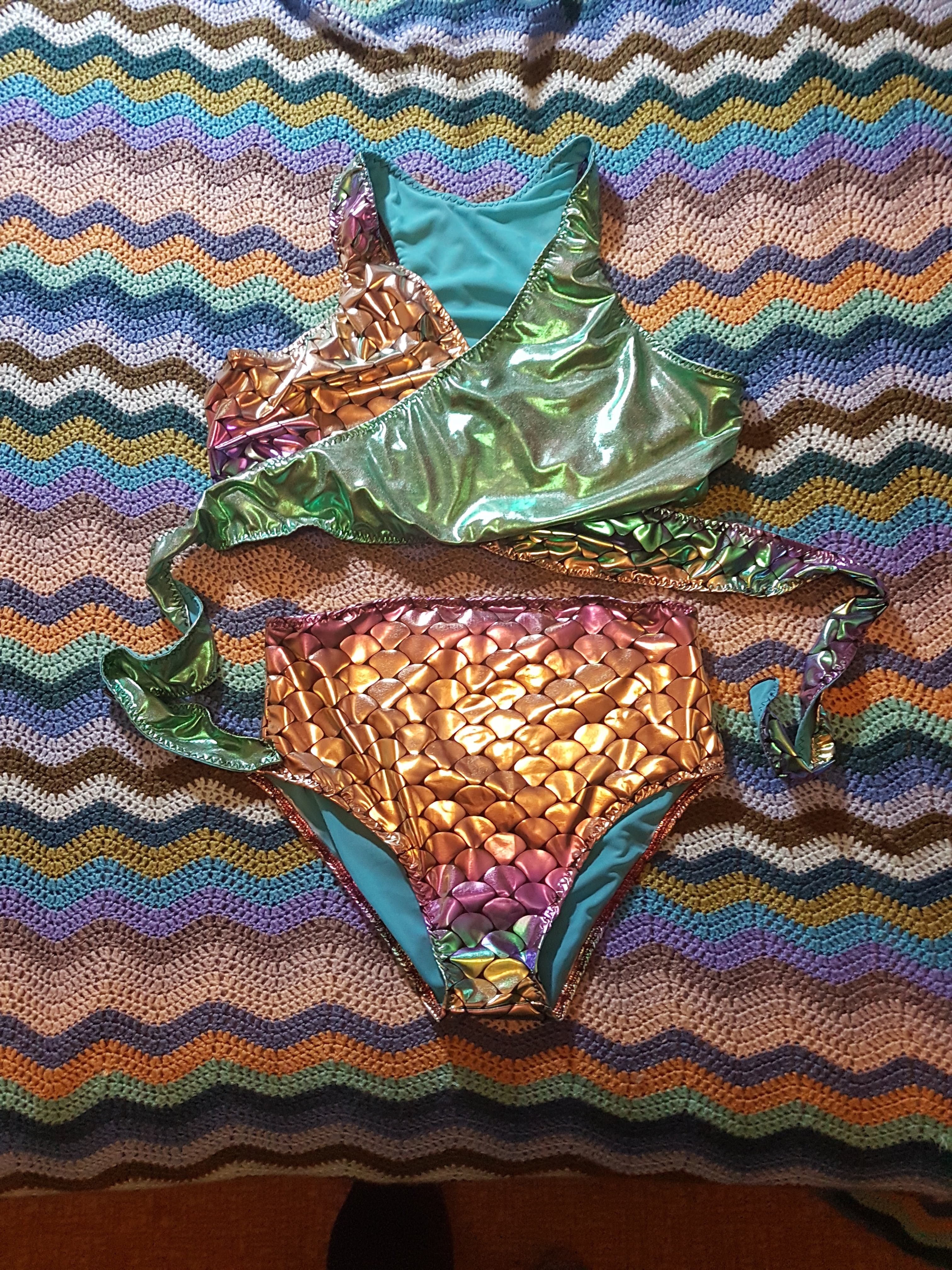
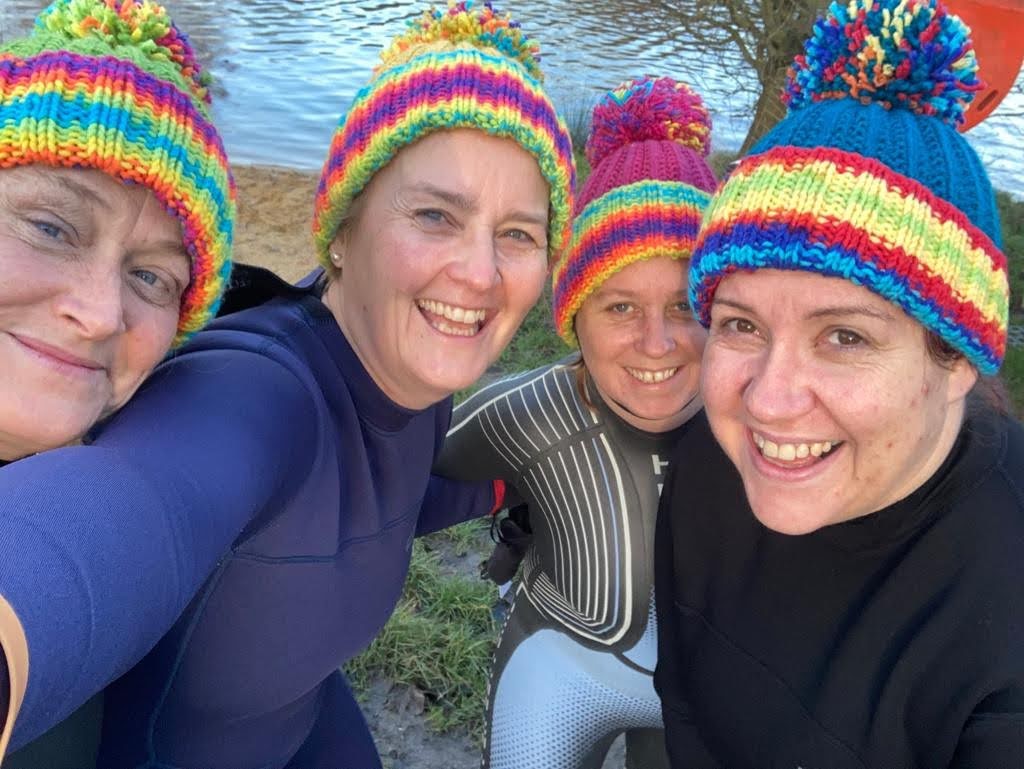
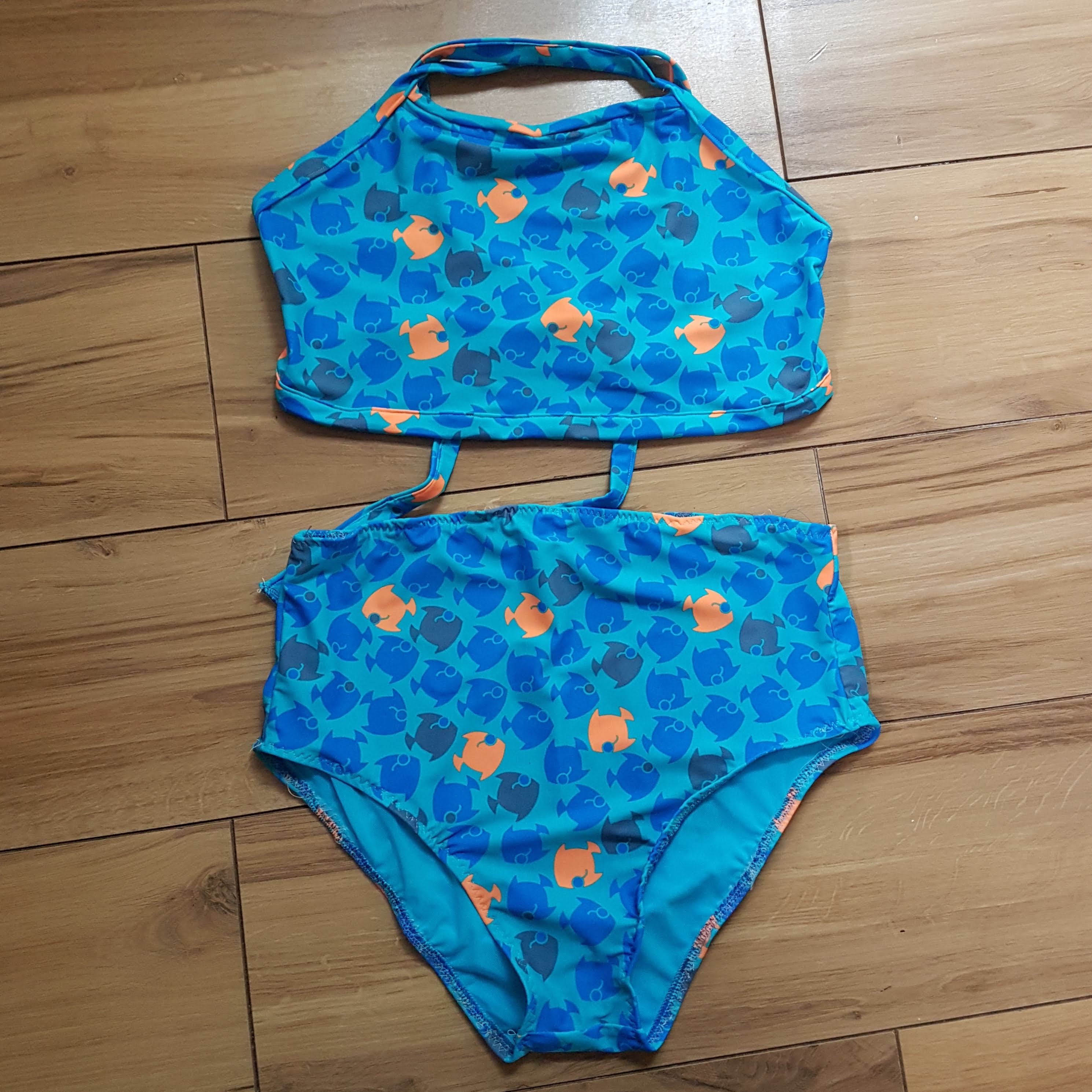
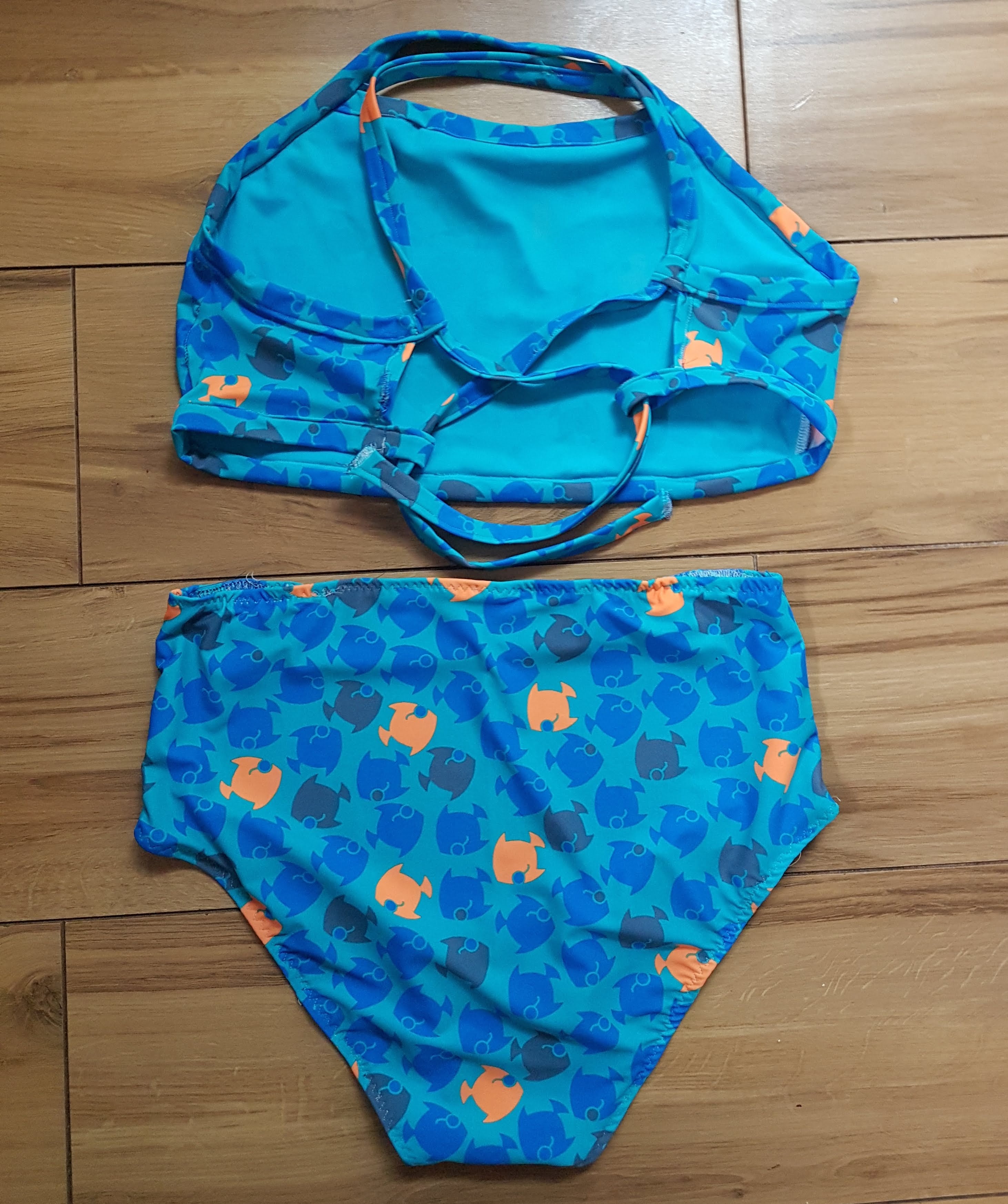
It is, of course, only a small step from pants to swimming costumes – I embraced my inner mermaid this week and made a completely mad two piece using another Rad pattern (the Renee swimsuit) for the top and the Oasis pattern by Ellie and Mac for the bottoms. I wore it this morning for our winter swim (5°c in the water, 1°c out – brrrr!). The fabrics are foil prints from Pound Fabrics in emerald and a fabulous fish scale print which changes colour when it moves.
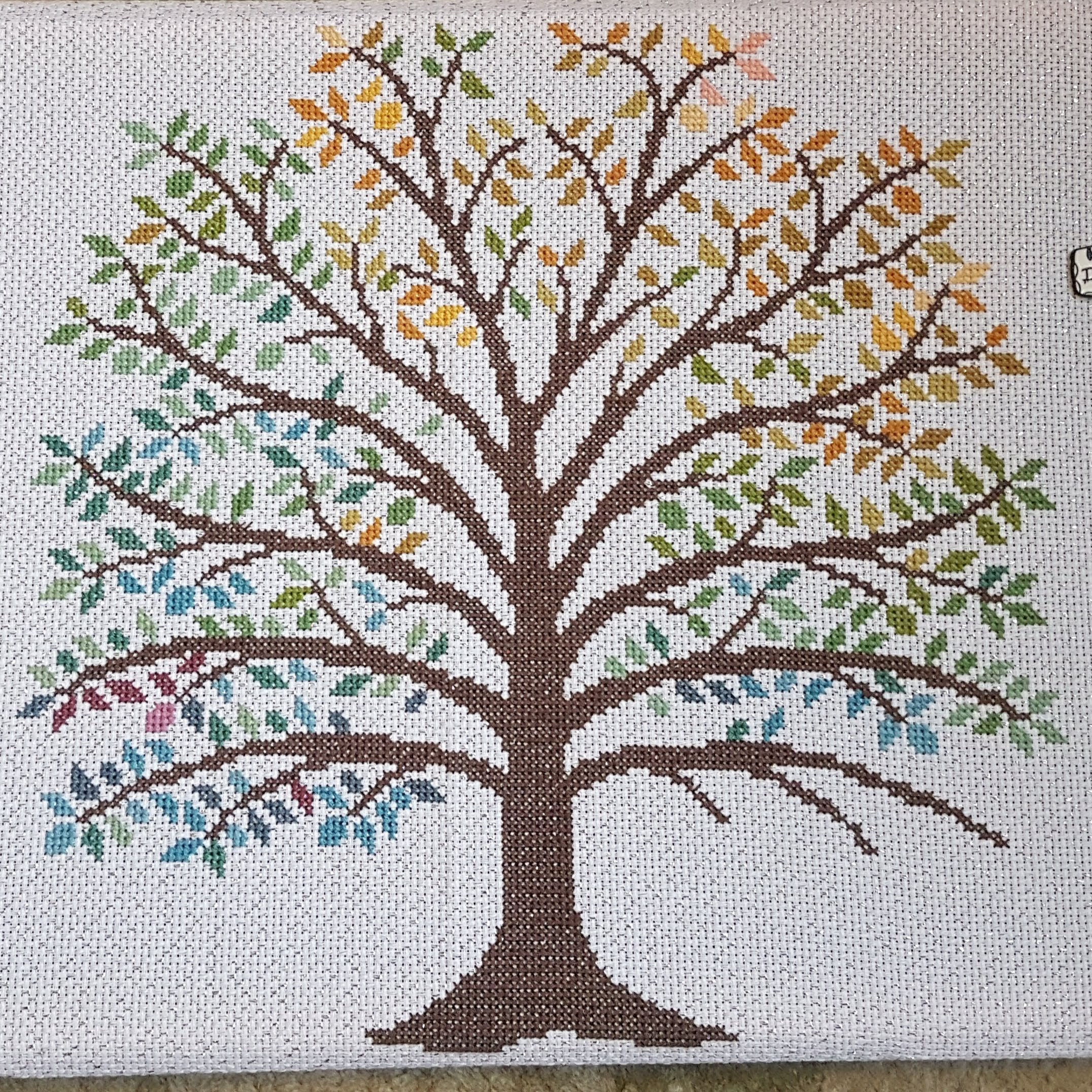
This week saw the last leaves added to the 2021 Temperature Tree – it’s been quite a ‘flat’ year for temperatures, so let’s see what 2022 brings. I’m doing the Climbing Goat Designs Rainbow Temperature Galaxy this year. I should probably have used the same colour palette but I have gone with the same one as the designer used.
Anyway – I need to go and defrost a bit more, so I’ll be back next week!
Kirsty x
What I’ve been reading:
Bridgerton (1-6) – Julia Quinn
The Unhappy Medium – T J Brown (badly in need of a good editor)
Ah, 2022 is here – let’s ignore the fact that a meteor exploded over the US yesterday and it was the warmest New Year’s Day on record, and assume (recklessly) that we’ll all be here for the next 12 months. Therefore, in the spirit of January and new beginnings, I give you my list of resolutions. Ignore the crossed out one two, I broke that one before breakfast on January 1st. But it’s always good to cross things off lists, I think – it’s motivational or something.
Don’t take up any new hobbies before you’ve finished the last one.
Finish the projects before you start any more.
No, not even that one. Stop it. Get off Pinterest, Ravelry and Craftsy.
Tidy the shed and evict the spiders
Sort through your boxes.
Get another shed
Stop leaving the ironing for months
Read the books on the shelf of shame
Ditto the digital shelf of shame
Don’t add any more books to the shelves of shame
No, not even that one. Unless it’s on pre-order in which case it doesn’t count as you bought it last year.
Go and see the bits of the V&A you haven’t bothered with so far since you have to be there
Don’t buy any more yarn
Or patterns
No more fabric.
Eat less, move more. Insist on more vegetables.
Drink the gin
See friends
Walk more dogs
The lake is cold. Get in it anyway.
That’s it, really. Tune in next week to see how I’m getting on.
Thing 2 in dress I made that she didn’t wear on NYA NYD swim – 9.4 in the water. Madness.NYE with Thing 1.
What I’ve been reading:
The Essex Witch Museum series (all of them) – Syd Moore
This week my walking buddy Jill (cover photo artist!) and I have made the most of being off for Christmas and headed out ‘early doors’ (she’s from Yorkshire) for a couple of welly walks. We love our walks: we put the world to rights, appreciate the scenery, stomp on icy puddles and squish our way through the muddy ones. Some weeks she is grouchy, other weeks it’s me. We test out ideas for work or catastrophise in the knowledge that we can go into the office the next day with our heads back on straight. It’s like therapy. There’s something about walking next to someone, not facing them, that allows stress and those wake-you-up-at-3am thoughts to spill out.
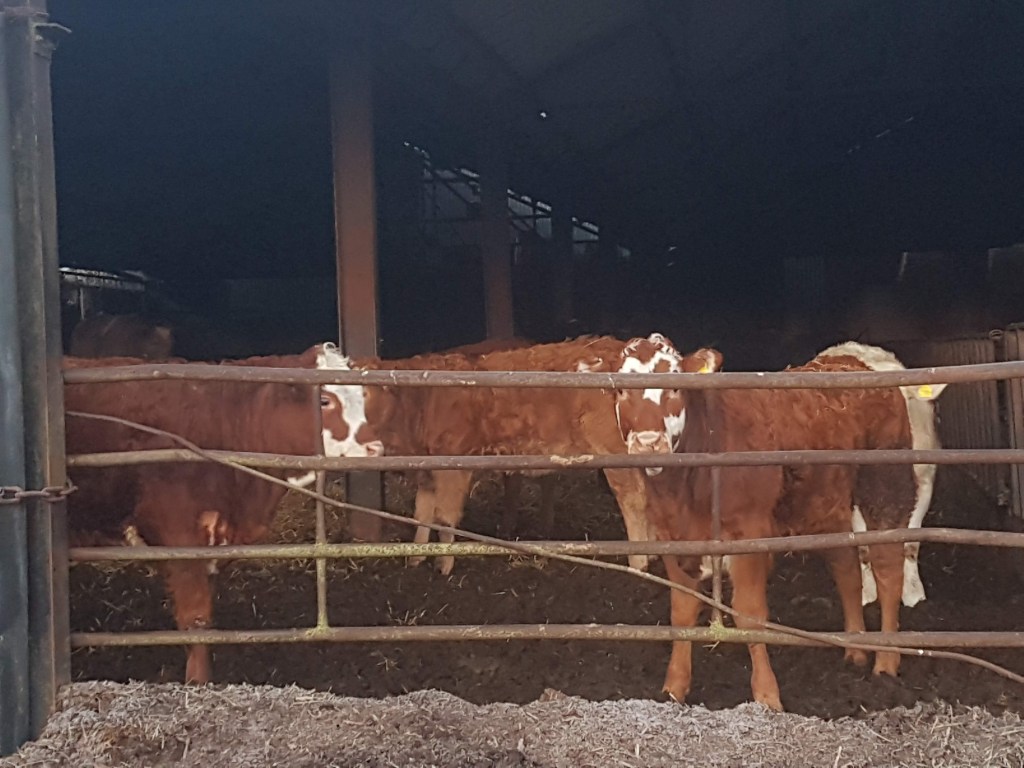
Some days we go further than others: round the roads to Tawney Common, or across to Toot Hill, or round past Dial House and the farm to see the cows, or the old golf course and flood meadows. Sometimes it’s the short 5k through the woods and back, or to the end of the village. Whatever, I always come back feeling better and ready to face the week.
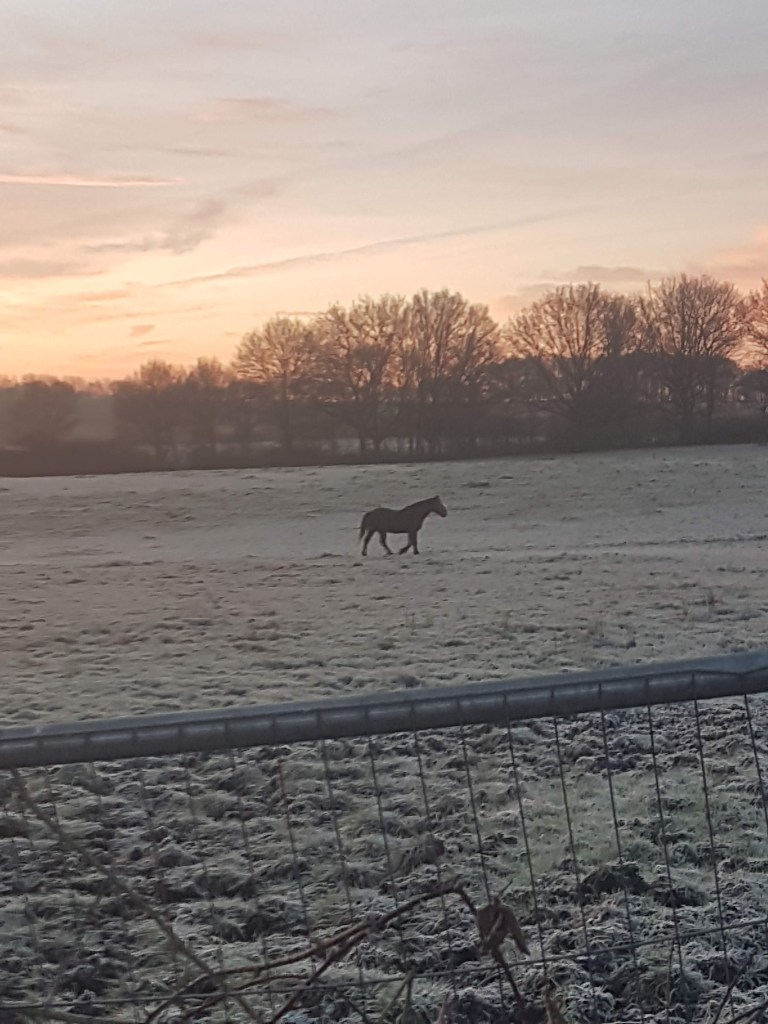
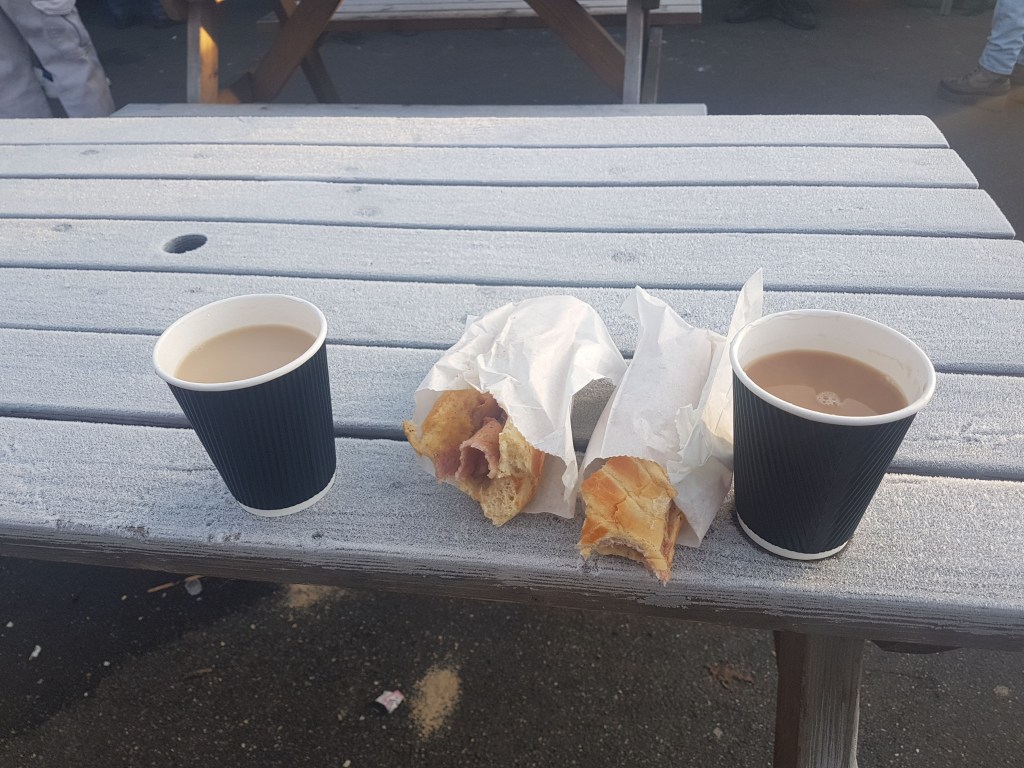
It was a week of extremes: one day it was -4°c and the world was white. The sun was coming up in spectacular fashion, the puddles were frozen and we crackled our way down to the farm and home via the station. The plan was to check what time the light fantastic train was running that day so we could drag the kids up to Marconi Bridge to watch it go through, but they were only doing the Santa Special till after Christmas. We allowed ourselves to be seduced by the smell of frying bacon from the station cafe and indulged in a bacon roll and tea, listening to the brass quartet playing Christmas carols and watching overexcited kids waiting for Santa’s train to arrive.
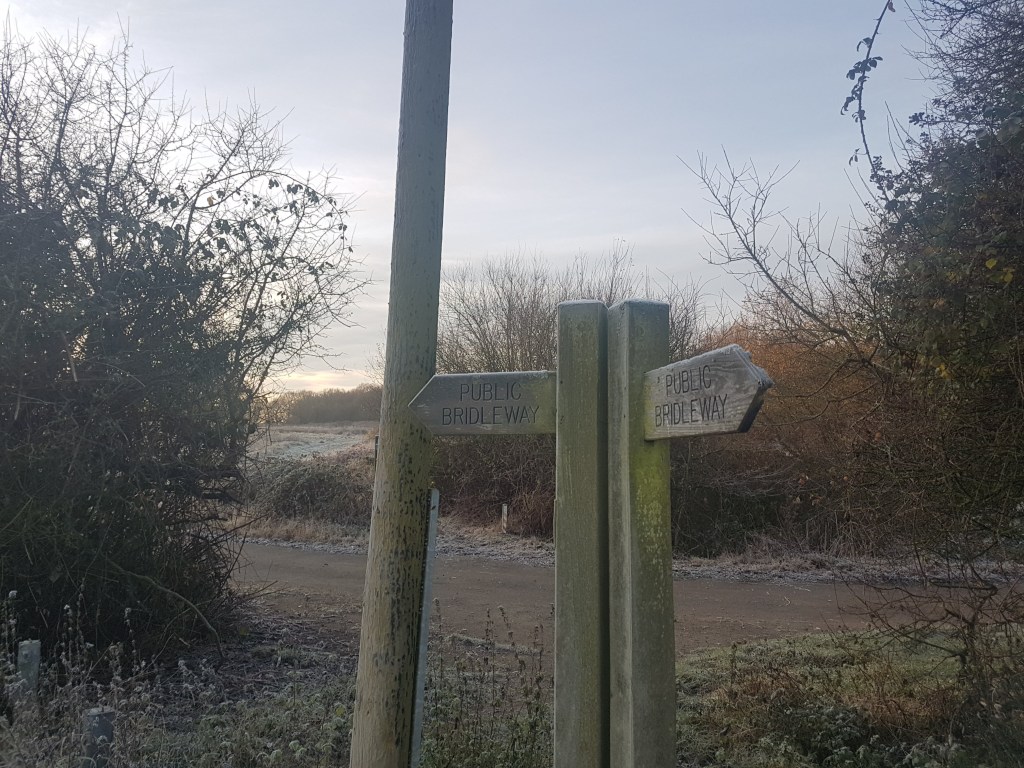
SunriseA horse posing nicelyMorning, baby cowsCrackling puddlesFrosty grassSignpostHardy blackberry blossomWell earned breakfastSignal boxSanta’s on his way
The following day was much warmer so the puddles were squelchy once more (as you can see from the cover photo). That day’s route took us through the fields to the radio station (hence Marconi Bridge) and past North Weald Redoubt, finishing up at Jill’s house for tea and a rummage through boxes of craft stuff from a friend’s house clearing. I was very good and only came home with a few balls of yarn and some toy eyes. My plan this week was to try and destash some craft things from the shed, not bring home more – I did send some yarn up to Jill’s mum, and got rid of a whole lot of jewellery making stuff, which was a start.
I hope you’ve all enjoyed at least a few days off and will be grabbing the opportunity for a Boxing Day welly walk – we have A, H and the grandchild over today, but I’m looking forward to a few more walks this week.
All can now be revealed…
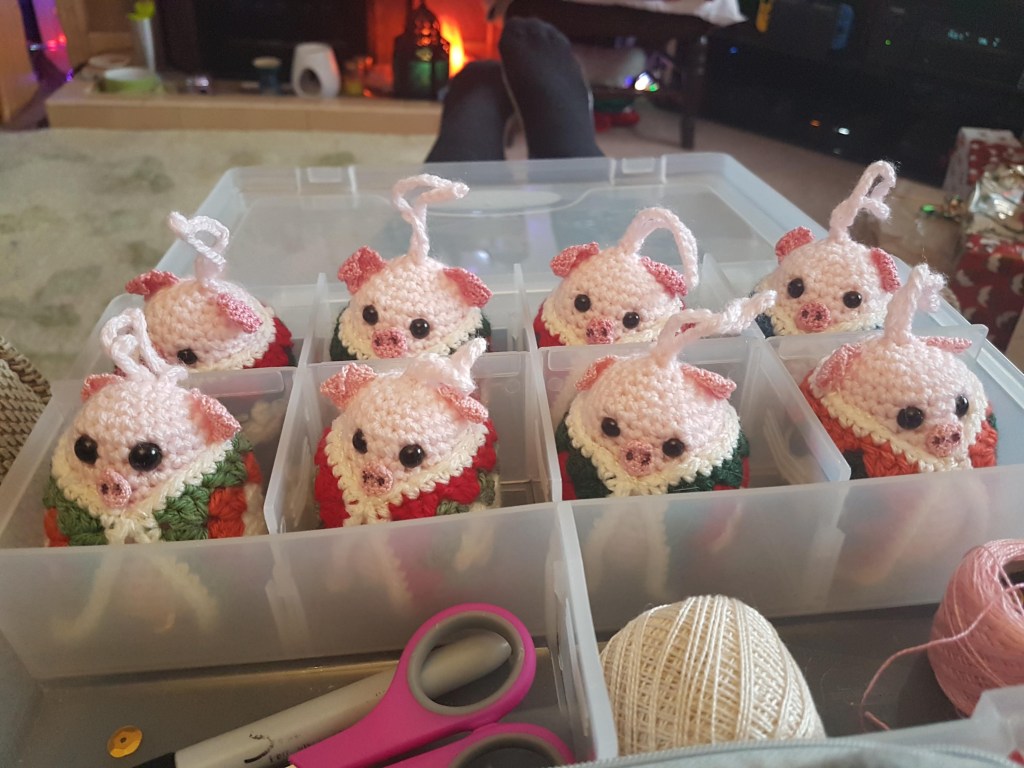
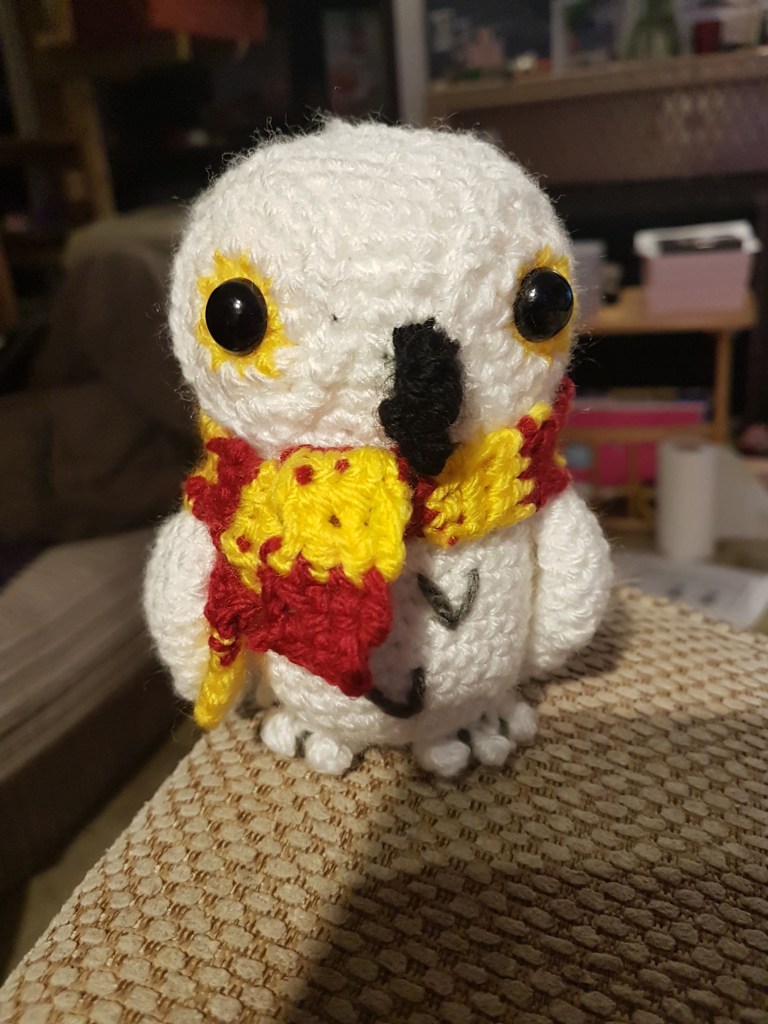
The last batch of the pigs in blankets….Yes, I made them open it before ChristmasOne of two tiny owls with Hogwarts letters
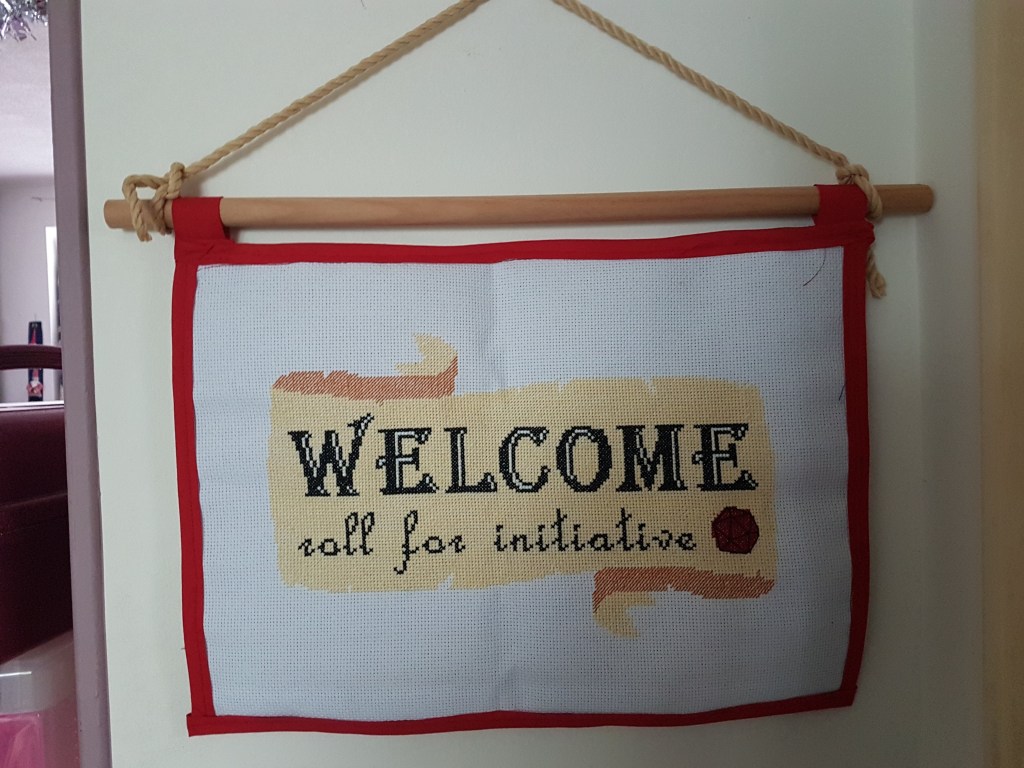
As it’s after Christmas I can share the gifts I made – the wall hanging was for our Dungeonmaster and his wife and I made them open it while I was there playing board games on Monday. The ‘Eira Owls’ were for their daughters. The little pigs in granny square blankets have been ridiculously popular and I ended up making more than 20 of them as Christmas ‘cards’* for colleagues and my swimming buddies, and then as requests for people who’d seen them on Facebook. They’ve gone off to Wales, Derbyshire, Lincolnshire, Yorkshire and London. I still have several to do after Christmas but I have to get two presents out in January and a couple for February first!**
(* I don’t send cards to anyone but immediate family, but donate to a charity every year instead – this year it was the Trussell Trust. I make little decorations that can be brought out year after year – I love seeing people’s photos of their trees with my work on!)
(** Yes, I am taking orders. They are £6 each plus postage!)
I hope you’ve all had a great Christmas with family and friends, that you’re all safe and warm and looking forward to 2022. By the time next week’s post appears we’ll be in a whole new year!
Kirsty x
What I’ve been reading:
The Untold Story – Genevieve Cogman
A Christmas Carol – Charles Dickens (Audible)
A Spool of Blue Thread – Anne Tyler
The Toast of Time – Jodi Taylor
The Long and the Short of it – Jodi Taylor (Audible)
Yes, dear readers, I am still grumpy and out of sorts – added to the distinctly unpleasant labyrinthitis I managed to test positive for Covid on Thursday. I’d had suspicions all week, but as the LFTs were coming up negative and my PCR was unreadable, I assumed it was the supercold that’s been rampaging through the museum team since Takeover Day. Finally an LFT came back positive on Thursday, just as I was planning to make a sortie over the road for the weekly D&D game.
I have the sore throat, changes to taste and smell, a cough and early in the week lots of aching joints and headaches. Add to those the lingering fuzzy ears and dizziness from the labyrinthitis and I’ve had a thoroughly miserable week. Thing 3’s isolation finishes today so he can go back to school tomorrow, and with any luck my beloved and Thing 1 will escape.
Being signed off sick for the week at least meant that I was able to indulge myself in a lot of making stuff, since I’m vertical again, and in binging TV: I’ve caught up with Doctor Who: Flux in readiness for tonight’s finale, and have been watching King of the Hill again. I wonder how many more classic Who villains they can fit in? I was happy to see the Weeping Angels again, and I am sneakily fond of Sontarans as they make me laugh – the whole ‘because I wanted to ride a horse’ thing in the Crimea cheered me up no end.
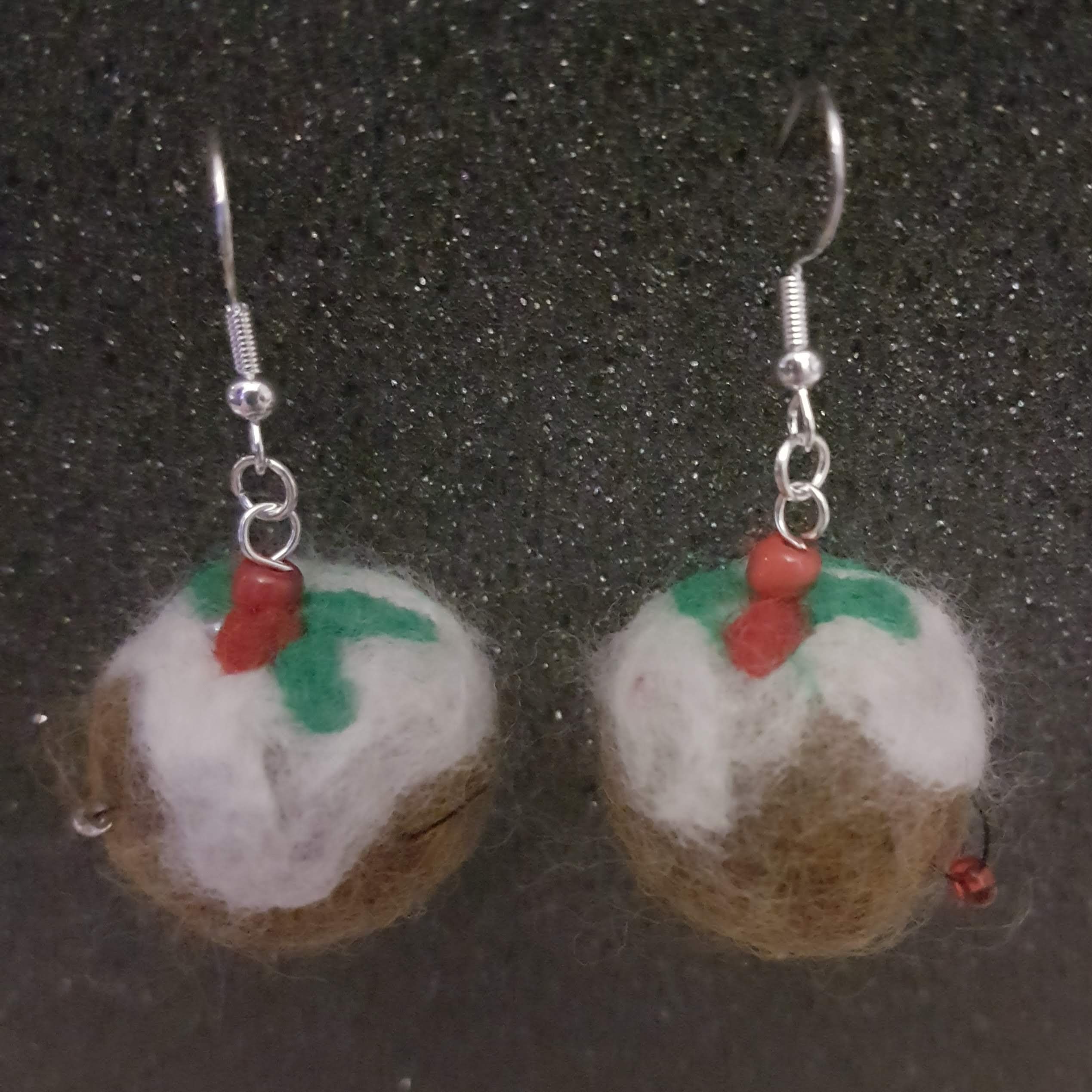
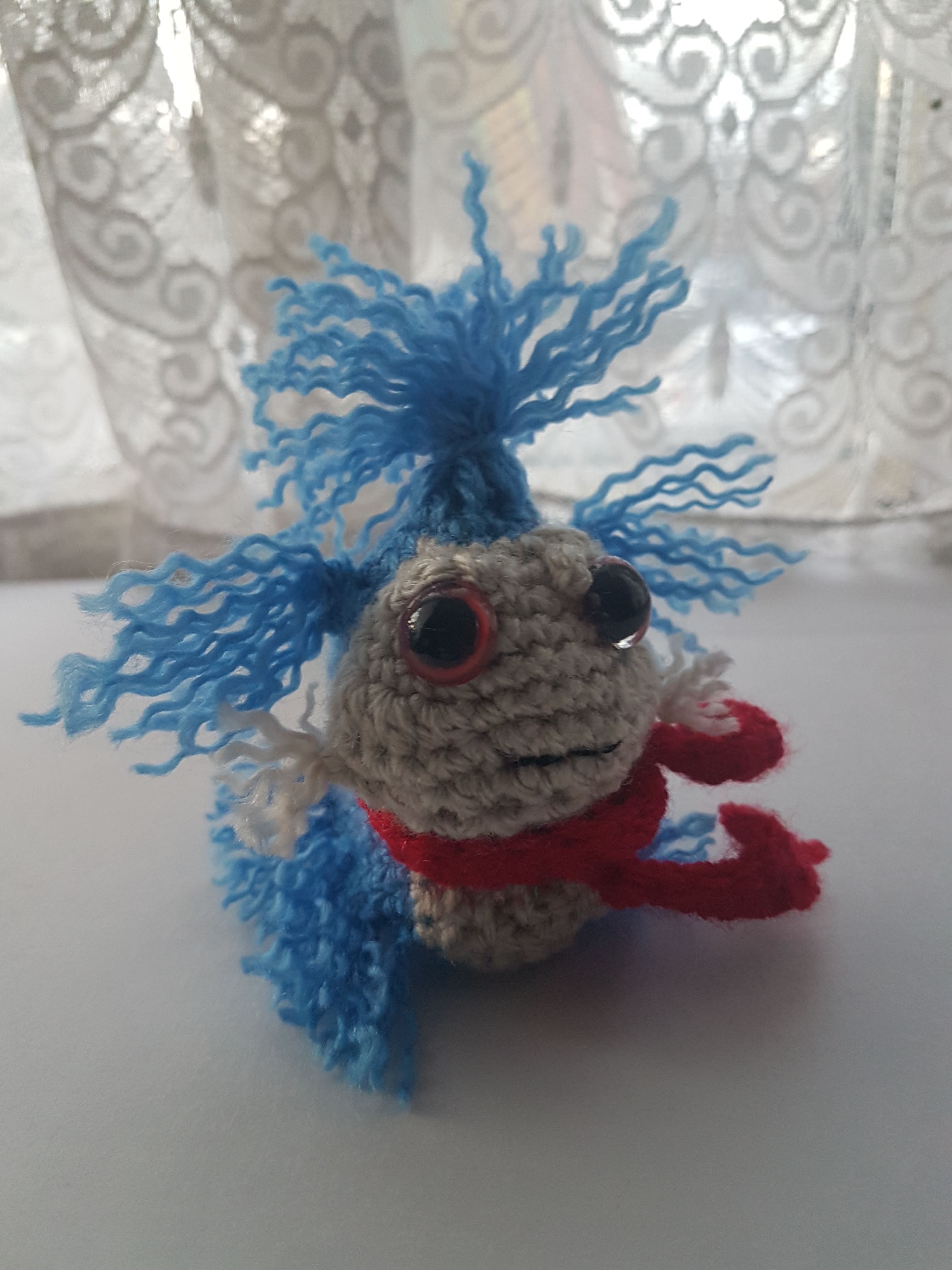
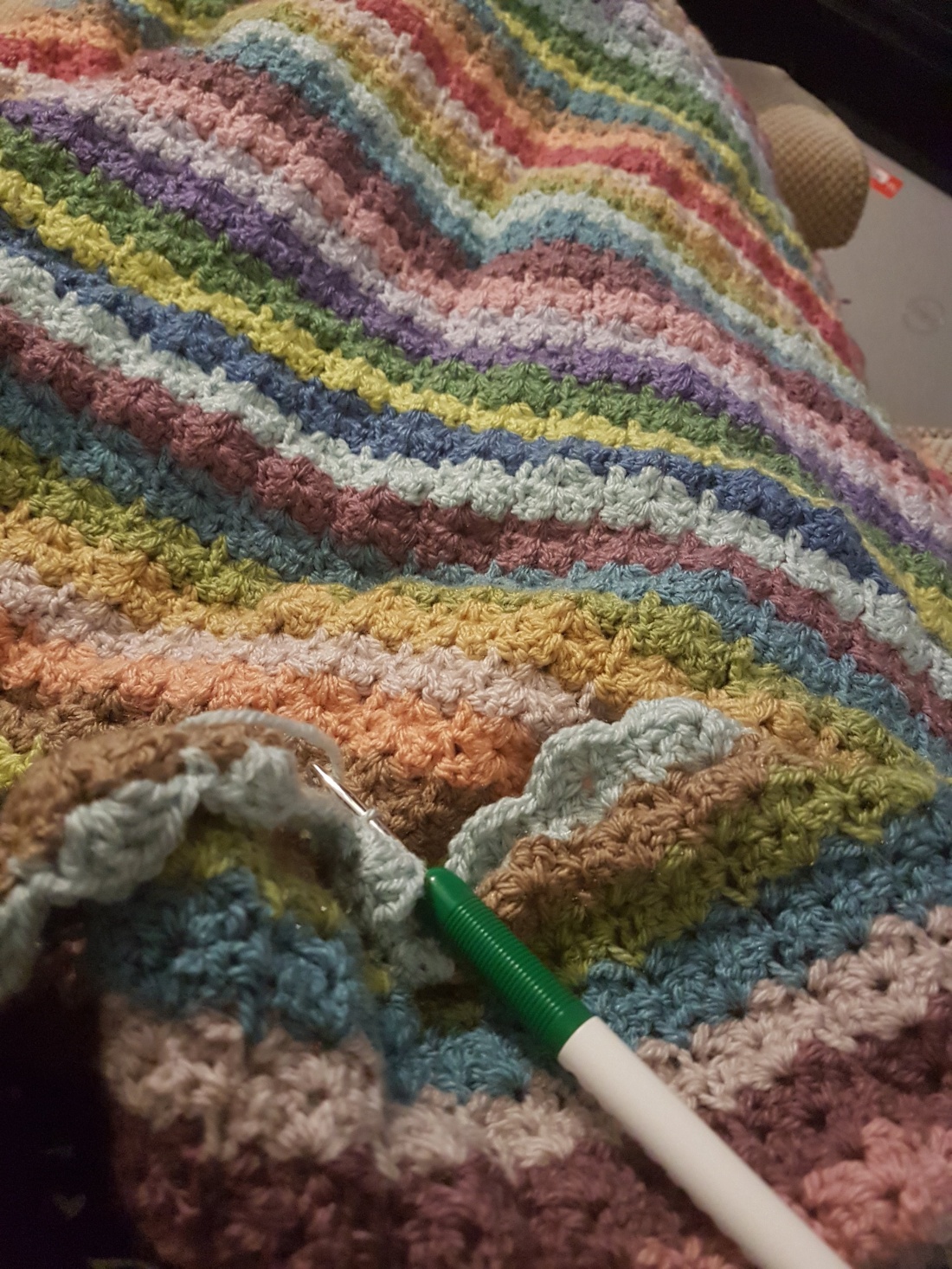
WoodlouseNovember on the temperature treeFelted puddings‘Ello! A week of craftiness
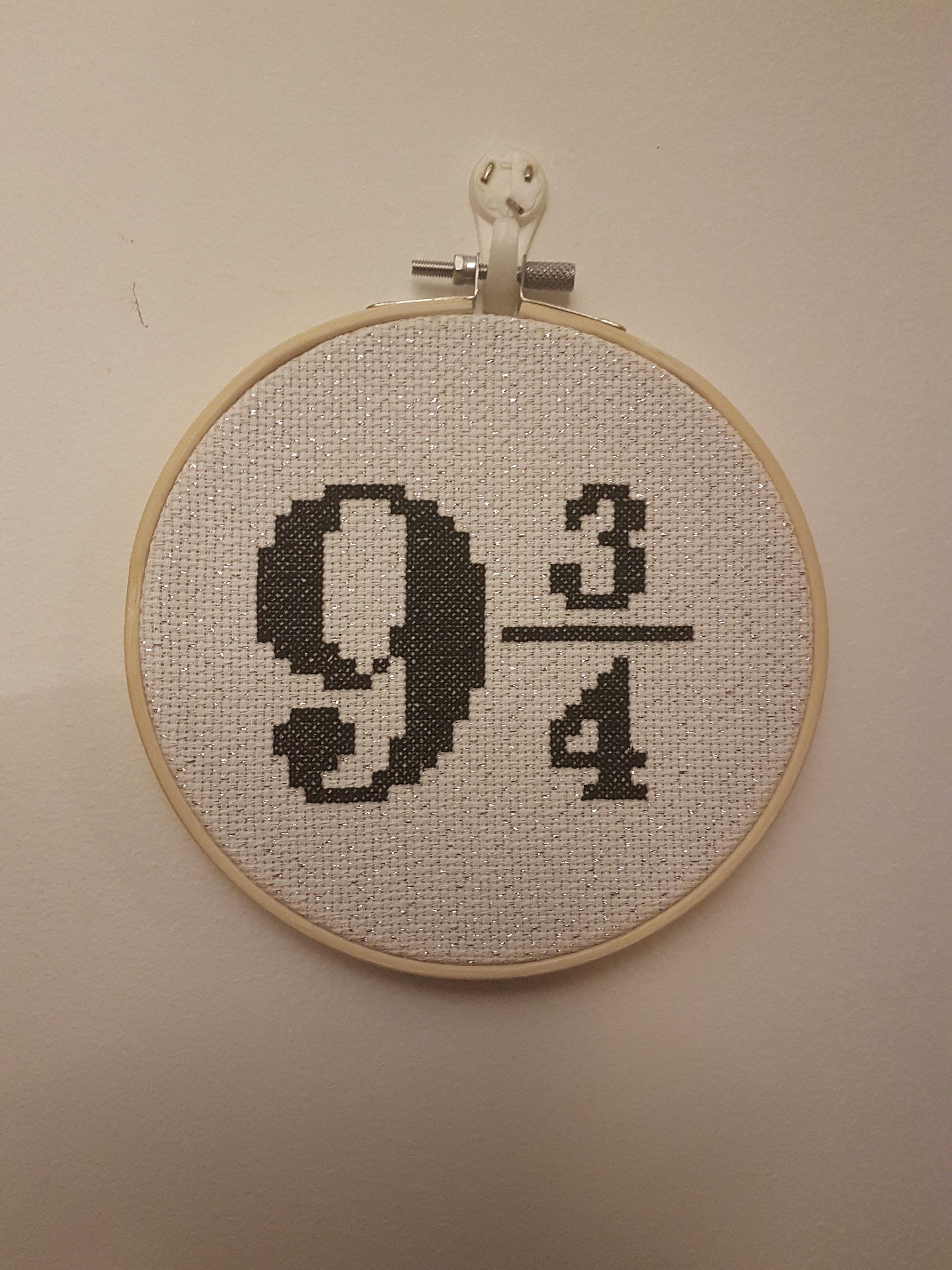
There was another cross stitch as well but I can’t share it yet as it’ll be a gift.
December…
The 1st of December is, according to Thing 2, the earliest time you’re allowed to listen to Christmas music and watch Christmas films. We’ve watched The Christmas Chronicles so far, and kicked off with The Muppet Christmas Carol. Apparently Thing 1, who’s been studying the Dickens novel for GCSE, had great difficulty writing Bob Cratchit instead of Kermit in her mock exam last week, so at least I’m having an influence. I snuck in Serendipity before the deadline, but don’t tell her. Thing 3 has just informed me that we’re watching all three of the Nativity films today, so that’s that sorted.
My advent calendar this year is from Vicki Brown Designs, paid for in instalments which means a whole lot of sock yarn loveliness is appearing every day to be squished and stroked. My mum sent me a Baileys one to cheer me up as well, and hopefully by the time Christmas arrives I’ll be able to enjoy the mini bottle!
And that’s it from me – it’s been a very quiet week, unsurprisingly!
Kirsty x
What I’ve been reading:
Blue Murder / Plaster Sinners / Whatever’s Been Going on at Mumblesby? – Colin Watson
Well, that was a week of unparalleled misery, quite frankly – topped off by Thing 3 testing positive for Covid on Thursday. Thing 2 was off with the dreaded corona the week before last, I was knocked for six by labyrinthitis (which is not, sadly, a surfeit of David Bowie’s startling trousers) and now Thing 3. Enough already!
Labyrinthitis is a definite -1,000,000/10, do not recommend. It was so horrible I didn’t pick up a crochet hook for a week, or even a book for several days. That bad. NHS 111 recommended taking something called Buccastem, which is supposed to relieve nausea and vomiting related to migraine, and other people recommended Stugeron which made things infinitely worse. A tweet from a lovely museum person crediting my blog from a few weeks ago with making her feel reassured about her upcoming colposcopy made me cry, but so did the lovely Norwegian postal system’s Christmas advert celebrating 50 years since Norway decriminalised same-sex relationships.
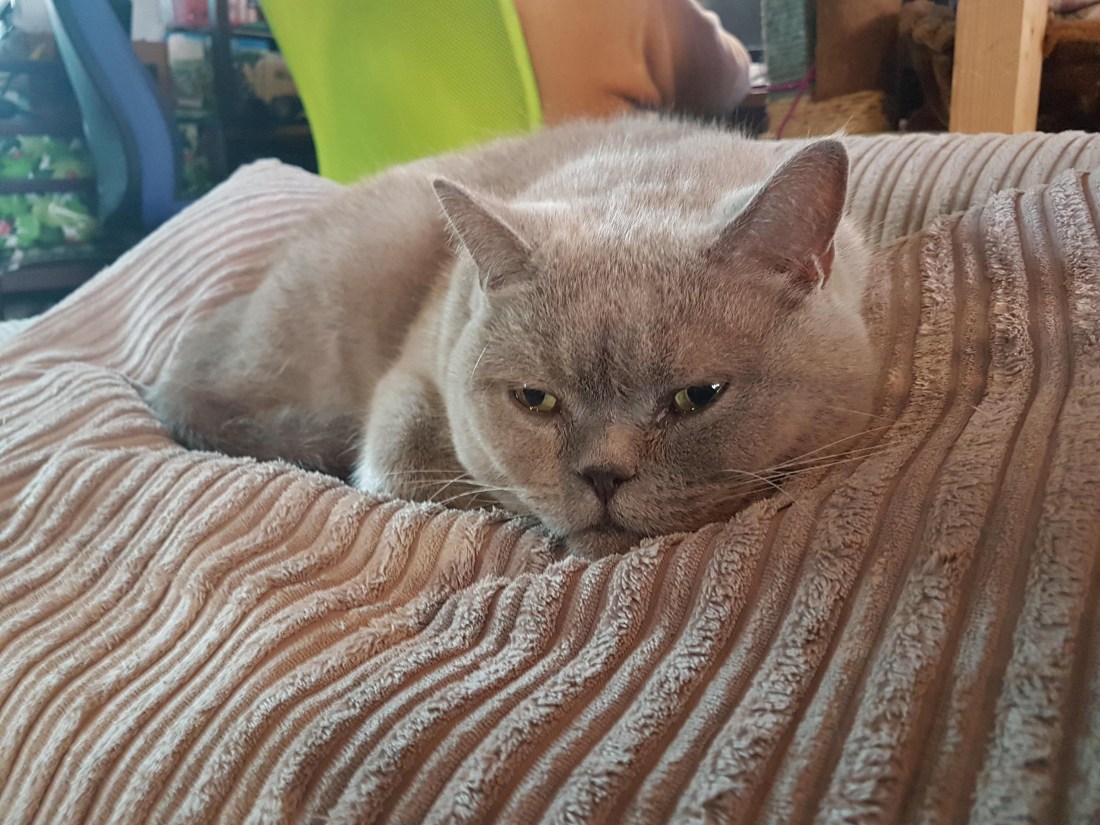
Furry nurses are the best
It was Wednesday before I started feeling semi-human again, and Friday before I felt safe to go out of the house. My Beloved did a most excellent job with laundry and keeping the Horde alive, and the furry fiends did an excellent job of keeping me warm. Friends were amazing at relaying Thing 3 home from school, which at least we don’t need to worry about this week as he’ll be off with me isolating.
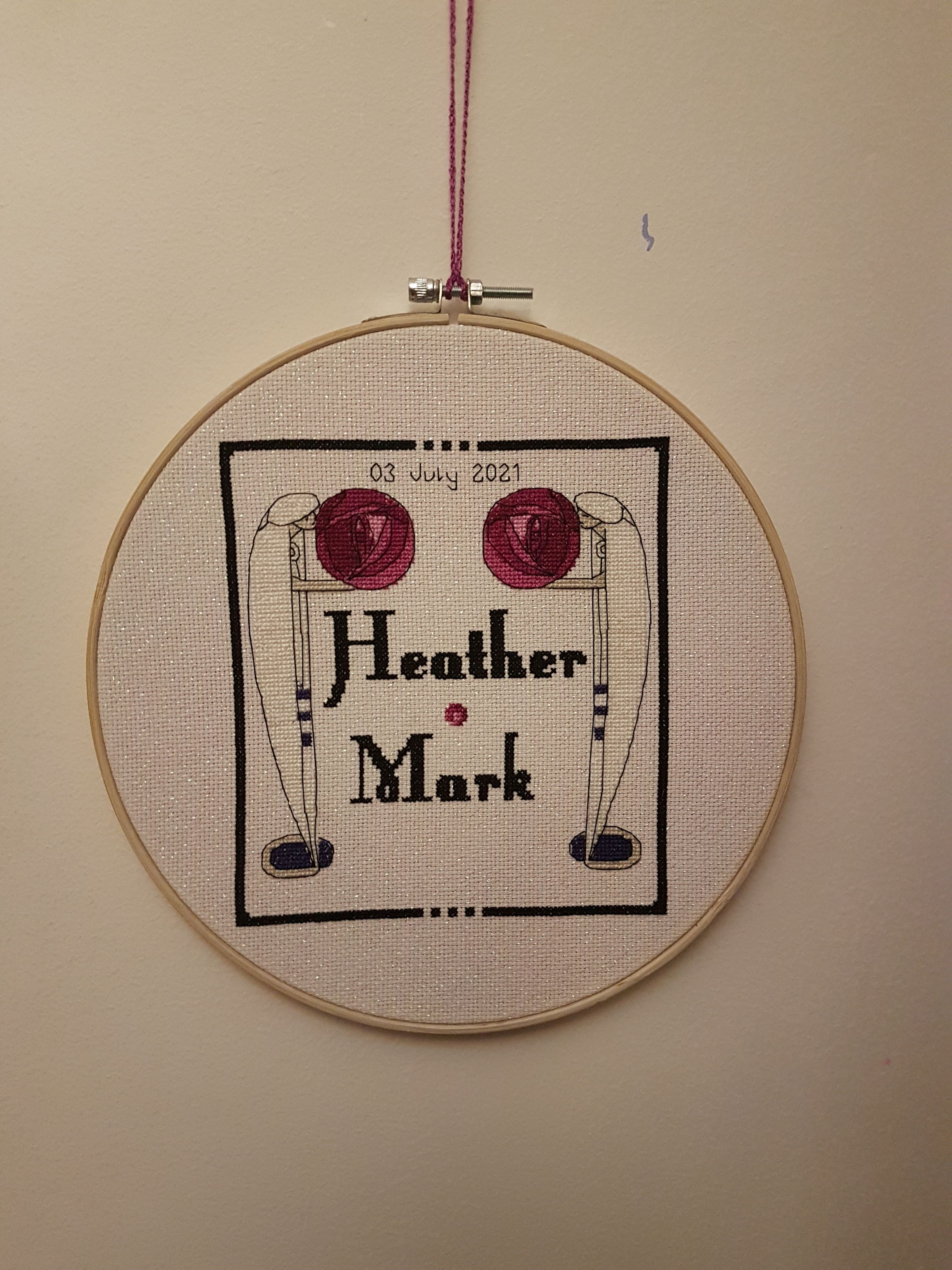
Lack of new output does, however, mean I can share a piece I finished a while ago but which only got handed over this week – despite the fact that I have seen Heather several times. We were supposed to have a ‘Grumpy People’s Supporters Club’ night out on Friday (well, they did, I stayed on the sofa watching Cowboy Bebop): the last time we saw each other all together was on the hen night back in June! The pattern can be found here and the seller was kind enough to offer to chart the names for me to personalise it as well. I’m told the bride liked it – she loves Art Deco and had a 1920s car to take her to the service, so it should be a good reminder of the day.
Finally managed to hand this over!
When I did manage to pick up a book again, it was with the intention of working through some of the digital shelf of shame on the Kindle – in the mood for something easy, I chose Colin Watson’s Flaxborough novels which were published between 1958 and 1982. Police procedurals which would probably be tagged with the awful ‘cosy mystery’ label these days, these are witty and terribly British, featuring the Viking-like Inspector Purbright and the eastern town of Flaxborough. I had three on my Kindle already and luckily the rest were cheap as I quickly got addicted.
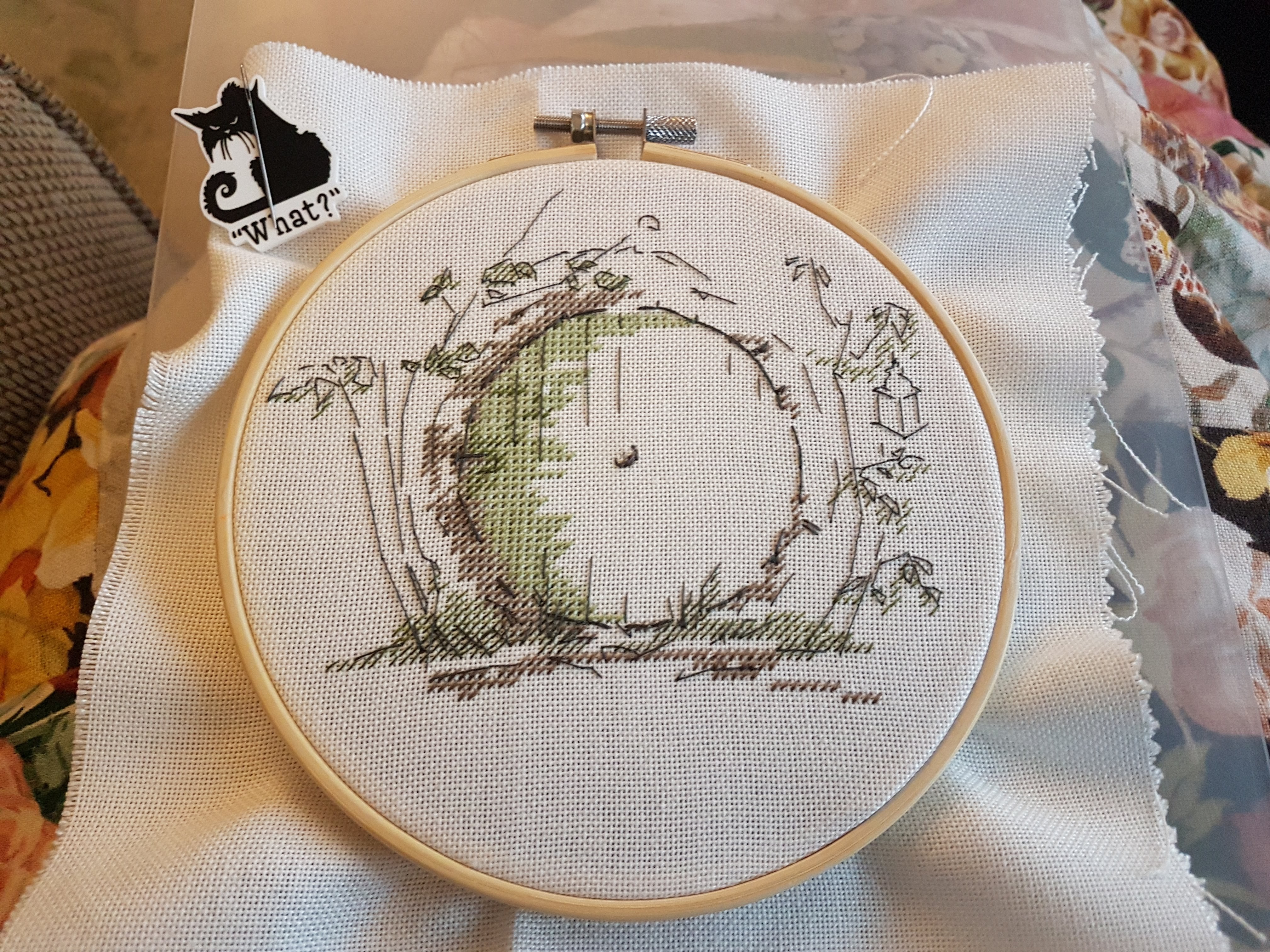
Lying in bed unable to do anything meant I had a lot of time to do mental crafting, which is at least cheaper than the normal kind. I have a head full of ideas and no way to get to them, as my crafting space (OK, the dining room) is still full of stuff we haven’t put back after the heating was put in. My beloved has taken the opportunity to do small jobs upstairs while the place is already in chaos. I’m not saying I’m getting itchy fingers here but I have things that need making! Things 2 and 3 want new pants and there’s Christmas making to be done. This Hobbit Hole piece needs finishing, too: the pattern is by Vetlanka on Etsy. It’s been a while since I’ve worked on such a high count fabric, but the effect is so delicate.
I’ve taken the opportunity to set up a Facebook page for this blog as well, where I can sell the various bits and bobs I make that aren’t destined for gifts, at least from me. You’ll be able to find it here and I really need to take some photos to get things online! Watch this space.
Anyway, I must head off – there’s PCR tests to do and a book to get back to.
Kirsty x
What I’ve been reading:
Speaking in Bones – Kathy Reich
Coffin, Scarcely Used / Bump in the Night / Hopjoy Was Here / Lonelyheart 4122 / Charity Ends at Home / The Flaxborough Crab / Broomsticks over Flaxborough / The Naked Nuns / One Man’s Meat– Colin Watson (Flaxborough series)
An early start day as I was heading back to one of my regular schools, this time to deliver the Think Small sessions – a 9.30 session start, preceded by an 8.30am meeting at another school about the Kids in Museums Takeover Day happening on Friday. Takeover Day is, in terms of organisation and the level of buy-in from the rest of the team, the biggest day in the formal learning year. Also, to add to the fun, this year we are doing Museum Takeover Day with half the usual staff and – to make it really fun – no museum, If I’d had any sense at all I probably shouldn’t have booked in two days of teaching and the central heating fitting.
My house is in chaos. Only one person at a time can watch TV and all my craft kit is hidden behind a pile of god knows what. The company told us they’d be sending a moving team down on Monday to – you know – move things, but by the time the poor lads had arrived from darkest Yorkshire my beloved had moved everything possible and they were at a bit of a loose end. He had a lovely time over the weekend being all ‘but they won’t know how to empty a fish tank!’ and ‘they won’t know how to dismantle the railway/small nuclear reactor/quantum leap thingy’. Gentle suggestions of ‘well, perhaps you could do those bits and they could do the furniture’ were unwelcome, apparently, and he had a great time hurling things into boxes and piling them up.
Today’s sessions were great fun, though: we had started the school year here with the giant blue blocks, so it was lovely to see the kids again. The appearance of the museum team means fun, apparently, which isn’t a bad thing to be known for! It’s such a warm and friendly school to visit, and the children are kind to each other. The Y6 teacher and his teacher trainee clearly have something going which they probably need to keep a bit more to themselves in front of kids and visitors (it was reaching the ‘would you like to be alone?’ stage while I was setting up my session) but there we are.
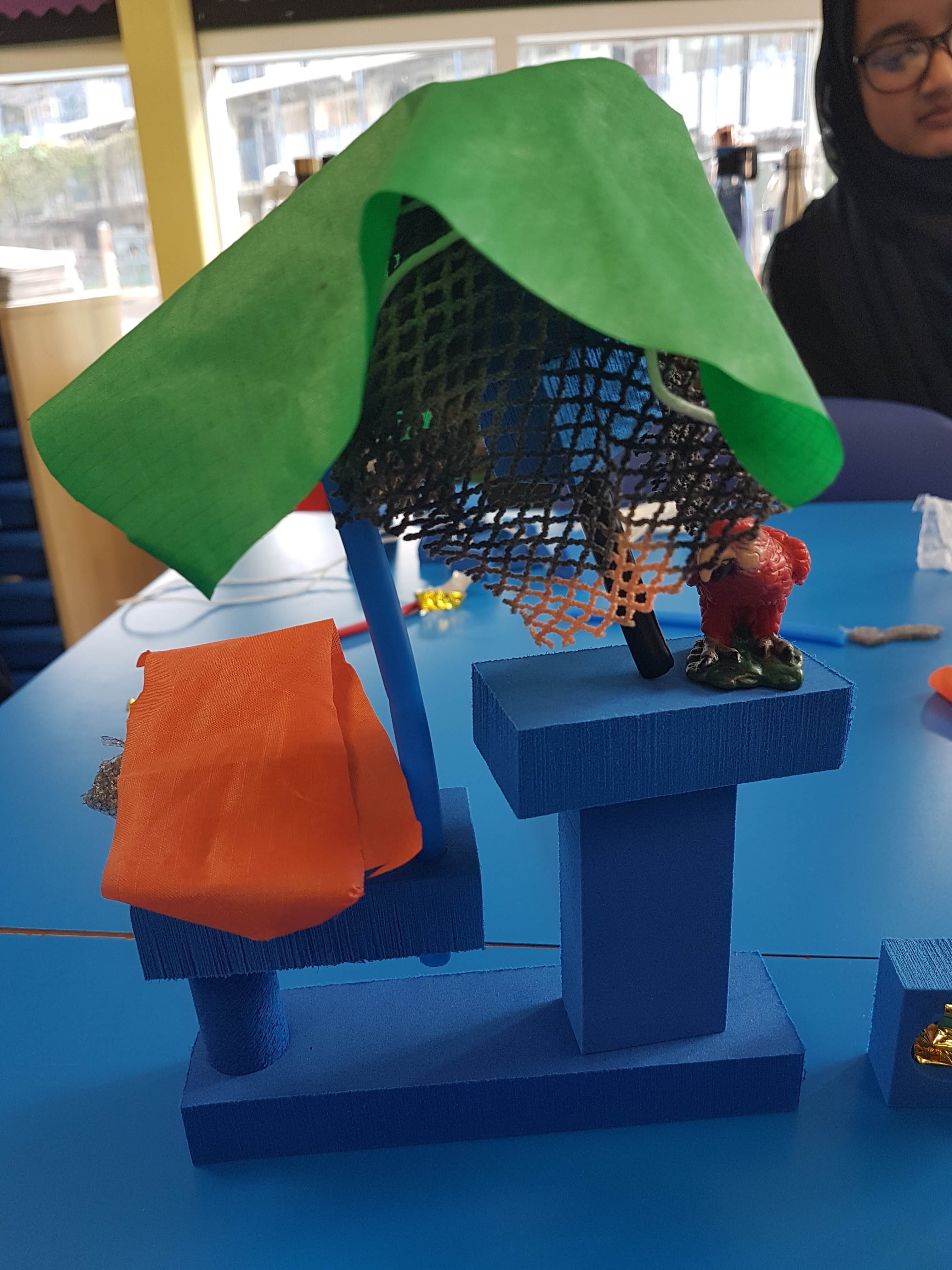
Parrot perched in a ‘tree’
Tuesday
Central heating day! No 8 is being dragged (kicking and screaming, naturally) into at least the mid-20th century! With two key Teams meetings scheduled for the morning which would almost certainly not be improved by background drilling! I decamped to Miriam and Roy’s house, round the corner, and where I can more usually be found on Thursday nights playing D&D. Dobby, one of their mad but adorable rescue dogs, took possession of my lap as soon as I sat down and stared intently at the screen till she was properly introduced. She kept my knees warm and her mistress passed me coffees to keep my spirits up. Two meetings and a visitation from their other lovely hound Kreacher later, I headed home to inspect the chaos. One radiator had been fitted and a lot more furniture had been moved as it is apparently not the done thing to put radiators under windows – also, they didn’t have any skinny radiators. The singing Yorkshiremen spent the day hammering and drilling under the watchful eye of my beloved, who was feeling a bit surplus to requirements as there was nothing much he could do. He did go and get them samosas for lunch from the bakery, which I think they enjoyed. The samosas are excellent but the owner is a bit creepy with the females of the species.
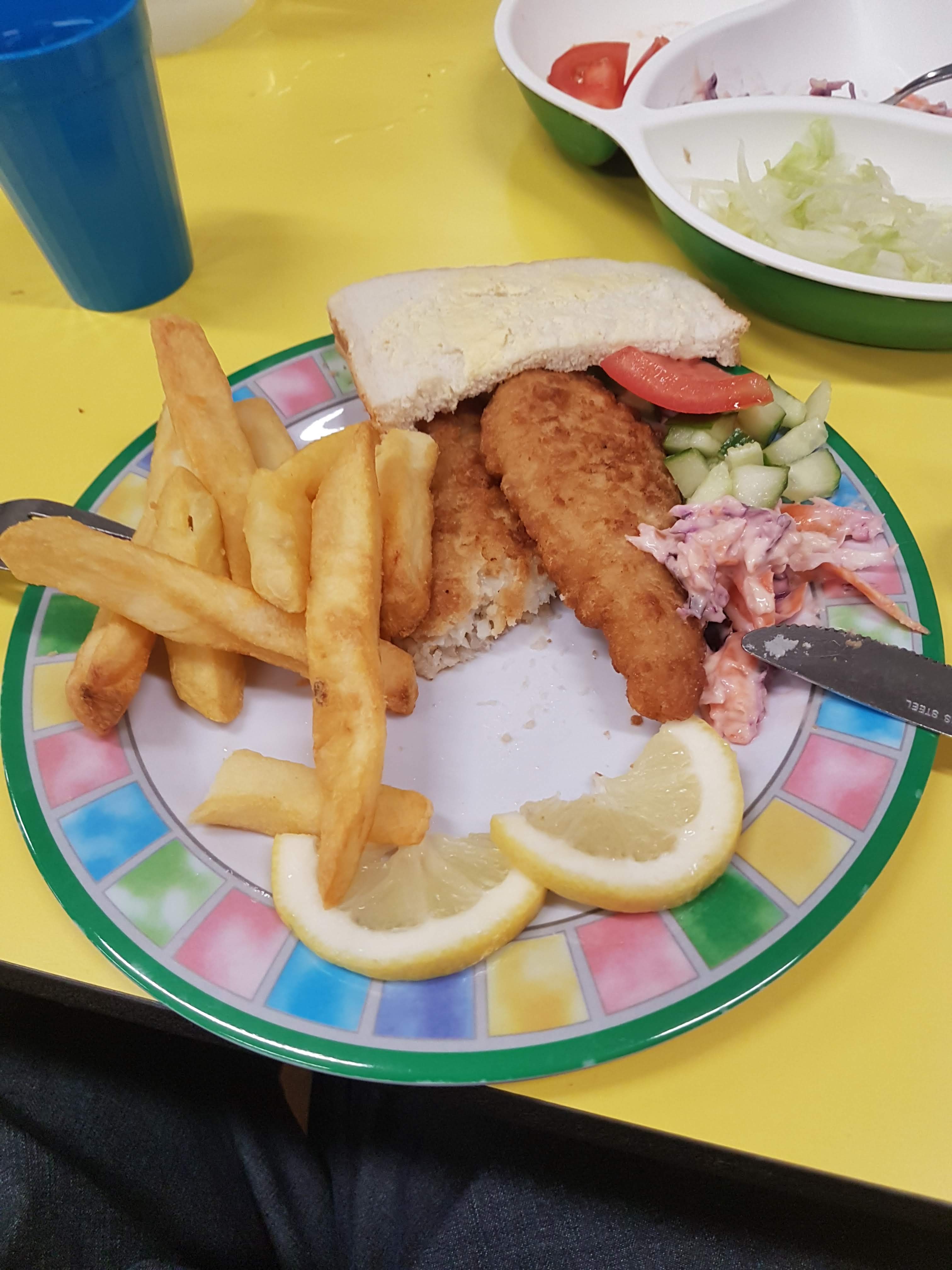
Technically, I had a block of time set up in the afternoon for prepping the Takeover Day session. I did manage some admin but failed utterly to do any of the resource prep: we do at least have an activity pack to distribute to the teachers and a timetable. Still, I now know what everyone wants for lunch and just how excited a museum team can get at the thought of fish fingers and chips (samosas again for the vegetarians) followed by school sponge and custard.
Two cats were shut in the kitchen and one in the extension so the fitters could work without interruption from furry fiends intent on homicide. Lulu was distinctly unimpressed, slashing my thumb when I attempted to move her from her perch and I remained unforgiven for the rest of the day. I eventually managed to feed everyone about 8pm, and then sent them to bed.
Things to do when the museum team is elsewhere!
Wednesday
Up with the lark, or at least my beloved who was on an early shift. Yes, I had a bath and the kids and I revelled in the heating in much the same manner as the Aardman Animations tortoise in the electricity adverts. Yes, that was electric and we are now on gas central heating but it is, as they say, easily turn off and on-able. The bath was so good I almost forgot that I had three kids to get to school.
As it happened, there was an epic bus fail so I had to spend some time having words with the bus company about buses that either don’t turn up, turn up 15 minutes late and then don’t stop, or which just disappear off the tracker. I was late for my own meeting, the kids were an hour late for school but I did at least get the resource prep done.
True to form, just when you need the printer to behave itself it decides to throw a wobbler. Paper jams, communication breakdowns, random cancelling of jobs, refusal to print from powerpoint/word- or printed one and then not the rest. Much threatening of said printer with percussive maintenance, replacement with a pen and paper failed to do the trick Eventually I fooled it by printing to PDF, emailing them to myself and printing from the PC which was apparently acceptable.
And then the stapler gave up. Paper clips to the rescue!
My beloved was replacing plug sockets in the afternoon so no gadgets for the kids. Instead I bribed them with cold hard cash to help me cut up the t-shirts for the takeover day session into strips for rag rugging. My mistake was to give them the cash before the job was finished. I eventually finished about 8pm, with my shoulder frozen. My work table was still inaccessible so most of the work was done on the floor which probably didn’t help!
Thursday
Started with a late bus, followed by a long gap between tubes so I was running late from the moment I left the house. The school emailed and asked for my DBS number at 9.15am, so of course I didn’t have it with me and had to be escorted everywhere. I missed the 12 o’clock meeting as I was still teaching (must remember to build in contingency time to my diary!). Thank heavens for my line manager who lives round the corner from the school and who fed me coffee and lunch afterwards and restored my sanity. You can’t beat a cheese bagel and salad with a friendly cat.
The electrician phoned on my way home: could he come and fit the spur for the boiler, which was currently plugged into an extension cable, in the next half hour. Nothing like a bit of notice, is there – we compromised on 45 minutes and when he arrived we couldn’t find where he was supposed to be connecting the thing to. I missed another meeting and was late for the next…but we made it to the end of the day.
Thursday is D&D night and as lots of us had an early start we kicked off early – it turned into a board games evening which was just what I needed. A couple of games of Bang! (during which I was forced to shoot both the kids several times – I refuse to sit between them again if we’re playing that!) and a couple of riotous rounds of Scrawl later I was a lot more relaxed. Dobby and Kreacher are very democratic and take turns climbing on everyone’s laps: I think they just like having their ears rubbed.
Friday
Awake at 4am once again, which has been a bit of a pattern this week – argh! Takeover Day and I haven’t done this, I haven’t got enough staff and I haven’t got a bloody museum to do it in! There will be an ‘official’ blog over on the V&A site at some point so I won’t go into it too much here.
I abandoned Thing 3 with wonderful Miriam to take to Breakfast Club so I’d be able to get to Bethnal Green on time – bless my lovely friends (like Toby, who also retrieves Thing 3 when I can’t get back in time!) – and headed off on the 7.13 bus which was mercifully on time. I treated myself to an almond milk hot chocolate (try it, it;s delicious) from Starbucks on the way past and headed to Globe where most of the team were there before me.
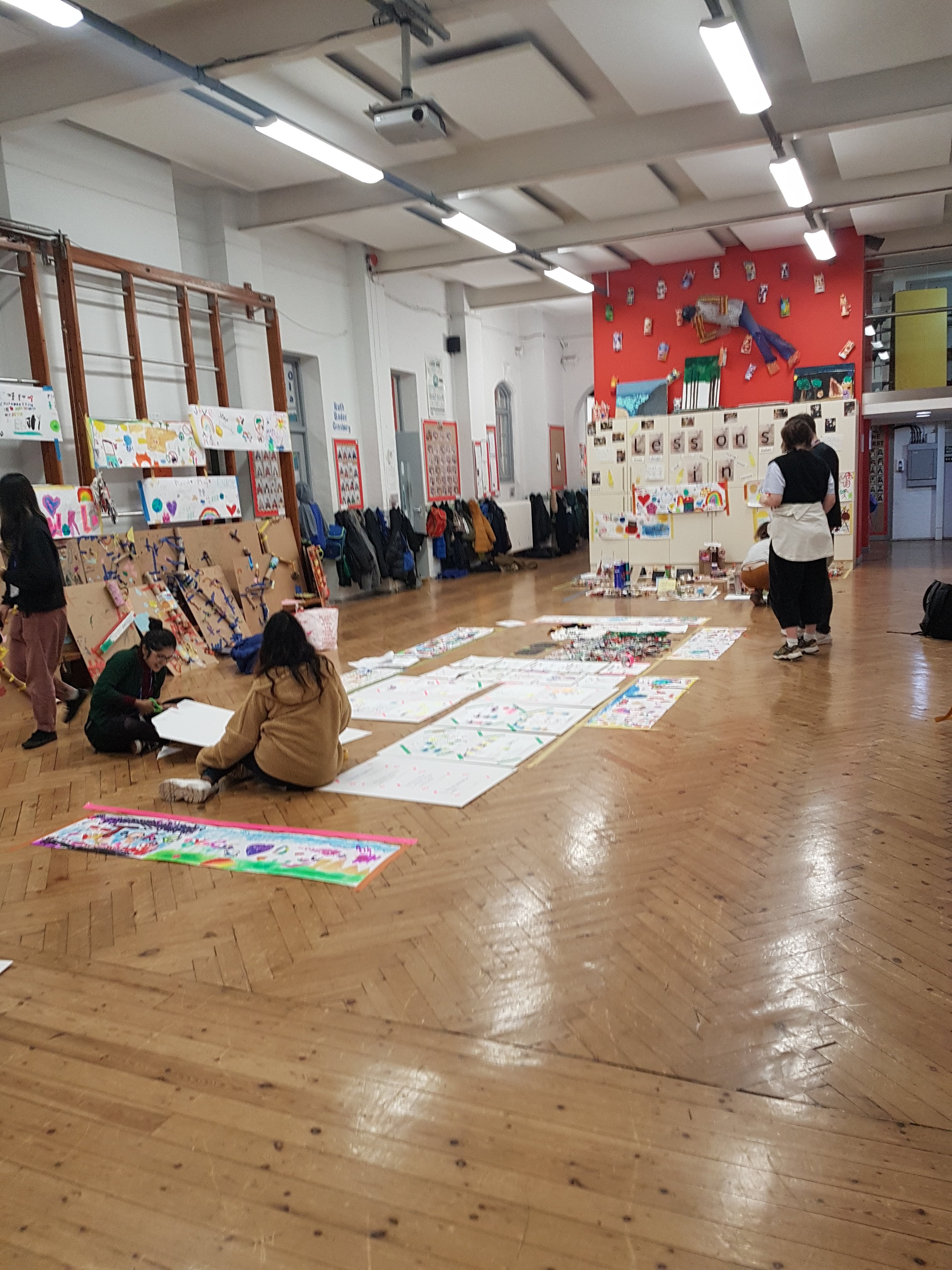
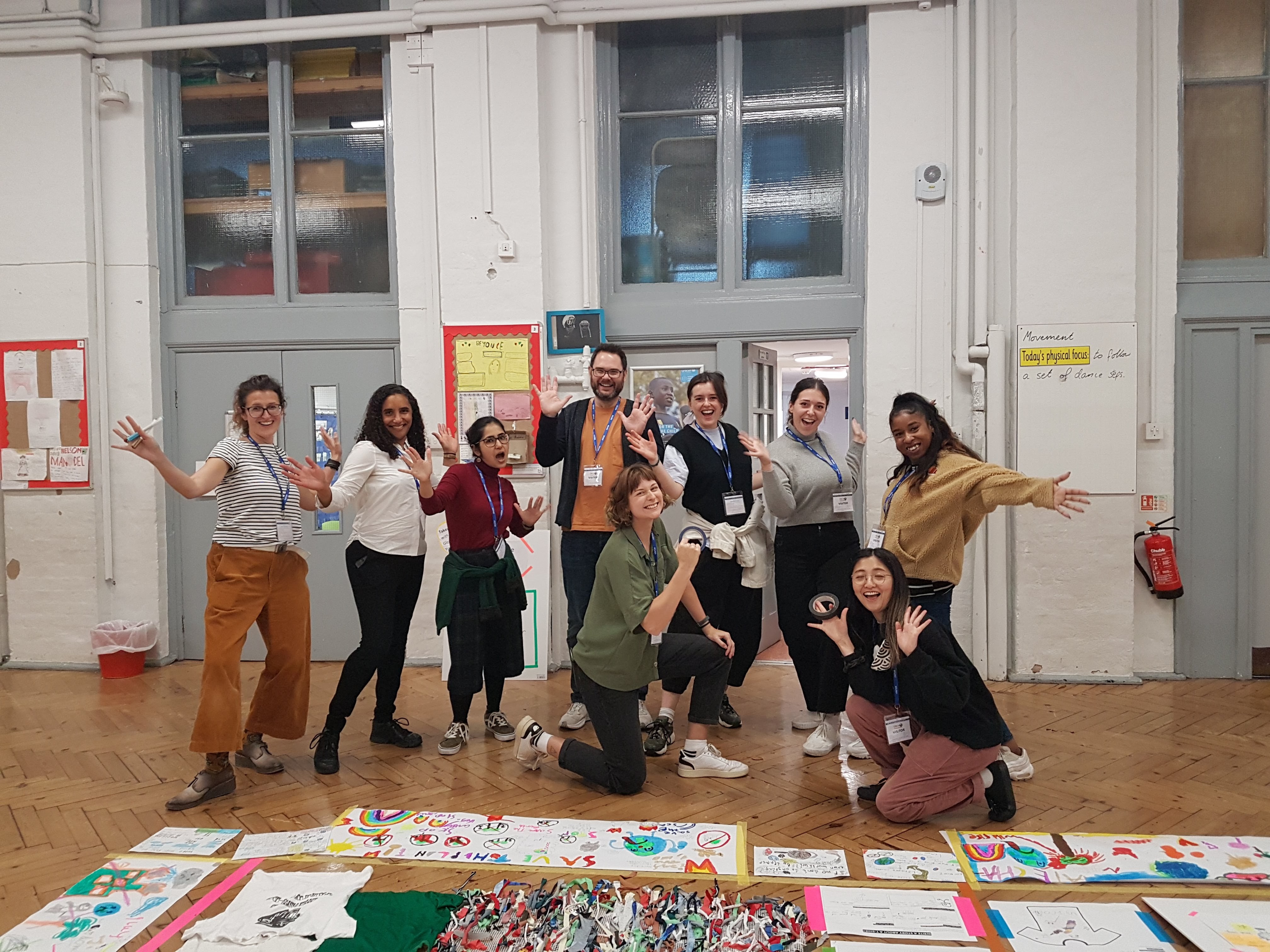
True to form, as the blue blocks were involved and I was due to be outside it rained, so we hijacked the hall for the morning. Helen the director and I worked with the nursery and reception classes all day and we had great fun building and adding in things from the mountain of recycling that parents had donated. I was given a new dress made from gold and bubble wrap, went on a road trip to Australia in a car, slept in a mermaid’s cave, watched a small child disguise herself as a sausage roll and was also treated to the sight of my director being a cloud. The other team’s sessions were equally successful and many, many parents were dragged upstairs to our ‘museum’ by their excited children at the end of the day. We ate school lunch with the kids, who were outraged that we got extra fish fingers and lots of chips.
I don’t usually instagram my lunch….
Museum building underway!
Jazz hands joy at the end of the day
Highlights of Takeover Day
The traditional debrief followed at The Florist Arms, where they do excellent pizzas and where some of the teachers were a bit bemused to see the museum team reviving themselves with a tequila slammer before 5pm. We were also saying goodbye to our creative practitioner, Fran, who was my first recruit after I joined and who is leaving us to be a freelancer. She’s brilliant and we will miss her very much – she’s kept me sane for the last few years, is wonderful with kids and adults alike, creative, and extremely accident prone. I was home by 9pm and blissfully unconscious on the sofa shortly afterwards.
Fran’s crafty leaving gift
Saturday
Started with a positive Covid test handed to me by Thing 2, leading to LFTs all round and ordering PCRs for the family. If anyone wants me for the rest of the weekend I am in the bath (and thanks to Miriam for the bath bombs!) and I’m not getting out till Monday.
See you next week!
Kirsty x
Windswept and Interesting- Billy Connolly (Audible)
Dreams Underfoot – Charles de Lint
London Bridge is Falling Down (Bryant and May) – Christopher Fowler
The Thursday Murder Club – Richard Osman
The Long and the Short of It – Jodi Taylor (Audible)
Saving Time – Jodi Taylor
The Quantum Curators and the Missing Codex – Eva St. John
Every three years a letter drops through the door.
It’s from the NHS and it reminds me that it’s time for a smear test – this year I had to wait a month for an available appointment, as the nurse is pretty busy. I have lost count of the number of tests I’ve had over the years but I never miss them. These days they won’t give you a smear till you’re 25, but back then you were advised to get one a year after becoming sexually active. Seems silly to me as HPV and cancer don’t wait but there we are.
In my early twenties, a routine test showed abnormal cells so I had to go back in six months for another. By then there were a lot of those abnormal little cells and they were aggressive little beasts, it turned out. What followed was colposcopy, a loop biopsy and laser cauterisation (what’s that smell of burning? Why, it’s me!). Six monthly tests for the next few years, followed by annual tests for several more, and then when I was given the all clear it was back to three yearly. Had I not had that smear test, those abnormal cells would have escalated into cervical cancer – that’s the one that killed Jade Goody at 27, leaving two small boys growing up without a mum.
About half a million extra smear tests were done between mid-2008 when Goody was diagnosed and mid-2009 when she died, many for women from lower socioeconomic backgrounds (source). Called ‘The Jade Goody Effect’, it didn’t last and in 2018 smear testing hit a 20-year low – the introduction of the HPV vaccine in 2008 for 12-13 year old girls (and boys) is making women complacent. The vaccine, given in two doses while girls are at school, helps protect against invasive cervical cancer as well as pre-cancerous cell changes. Covid-19 has increased ‘vaccine hesitancy’ and disrupted vaccination programmes but hopefully they’ll be getting back up to speed soon: Thing 2 should have her first jab this year and Thing 1 her second. Thing 3 will also be offered it as a boy in England and I’ll be making sure he gets it, as it prevents all sorts of other cancers in men as well as women. I had HPV: it caused the cell changes and like other viruses it lurks in the body and can come back. It’s often symptomless, so I had no idea until I was part of a study later on. As I started to write this blog the radio news broadcast told me that cervical cancer rates are 87% lower in women who have had the HPV vaccine. There’s lots of helpful, sensible information on cervical cancer, smear tests, the vaccine and more here.
Smear tests are not fun. They can be uncomfortable. They’re undignified. Some strange person rummaging around ‘down there’ is never going to be the most fun five minutes of your life – but it is only five minutes, and then hopefully you’re done with it for another few years. If they catch a few cells misbehaving, then they can deal with them quickly – but if you don’t go, they won’t find them. They’ll offer you a chaperone if you want one, and a sheet to cover yourself with. My top tip is to wear something with a skirt, but believe me: those nurses have seen pretty much everything over the years and whatever you’ve got going on its all in a day’s work to them. You can also be glad of plastic speculums, because the metal ones were horrible even if you had a nice nurse who warmed it up under the hot tap.
I make jokes to relax, and chat to the nurse – this year the fact that I had to wear a mask during the test made me laugh, it seemed so ridiculous. If you’re worried, take your mum. Take your sister. Take a friend – hell, take two or three, make consecutive appointments and go for cocktails afterwards to reward yourselves for being both sensible and brave. You can go to your GP surgery or your local sexual health clinic, they’re free here in the UK and those five minutes might quite literally save your life. You don’t get a lollipop or a sticker afterwards (maybe we should start a campaign?) but you do get a letter in the post a few weeks later with your results.
However and wherever you do it – just do it, and keep doing it whenever they remind you. It’s worth it, I promise.
Birthday presents!
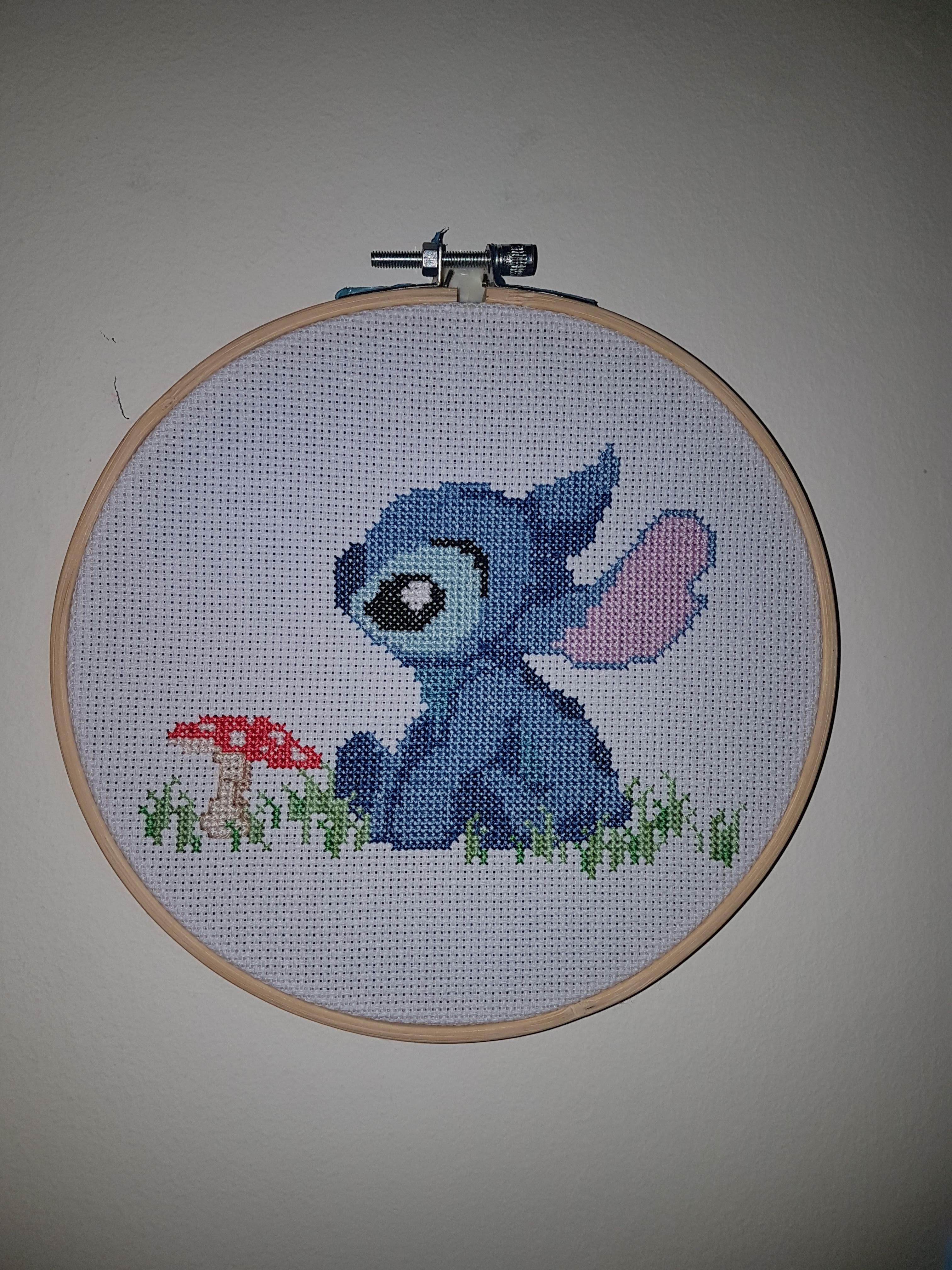
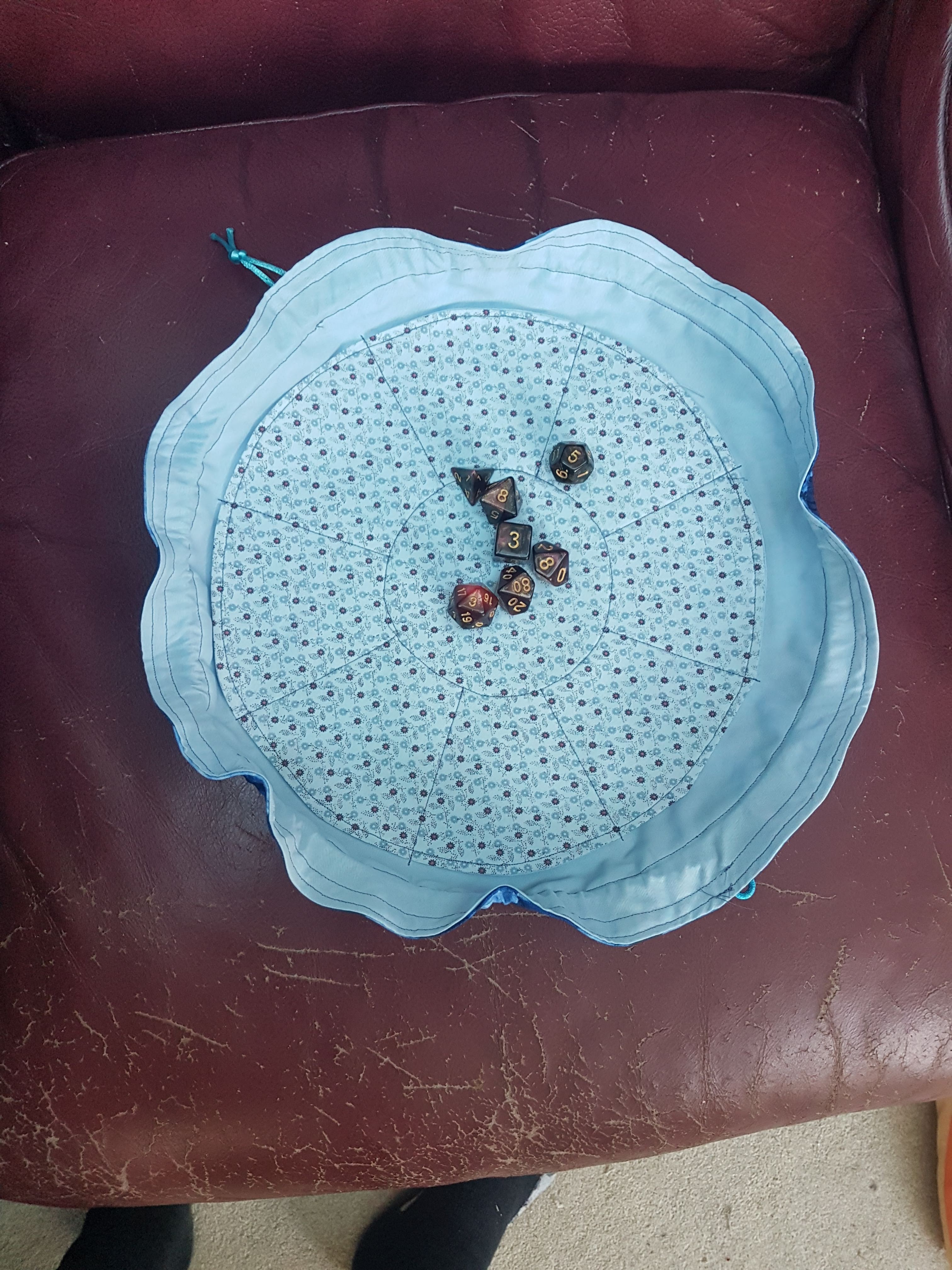
September, October and November are busy months for birthdays – especially when you’re still working remotely! I’ve been late with a few and some have been late collecting their presents but I’m all caught up now and there’s no more birthdays till next year! Secret Santa and a leaving gift are next up, followed by Christmas.
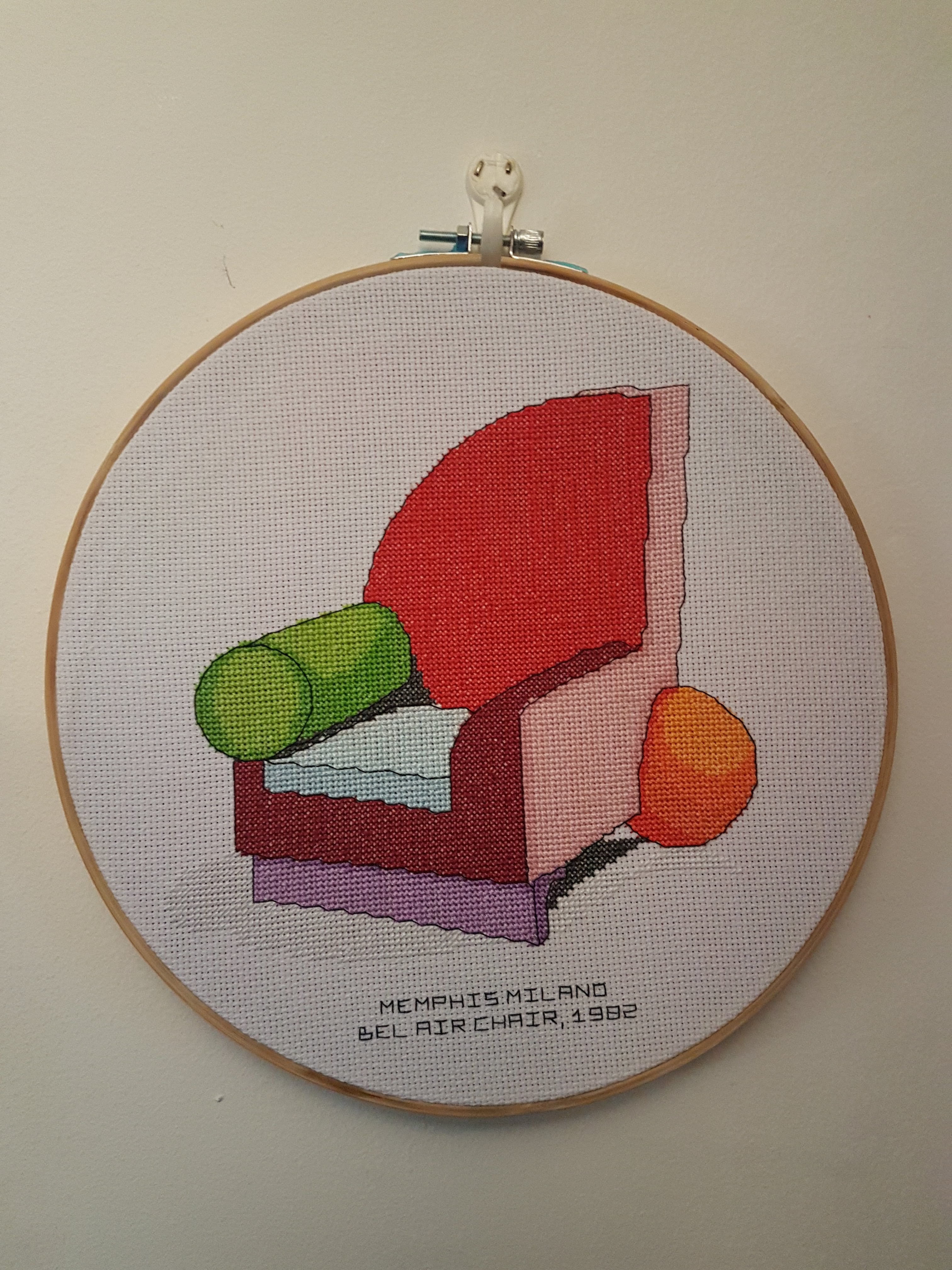
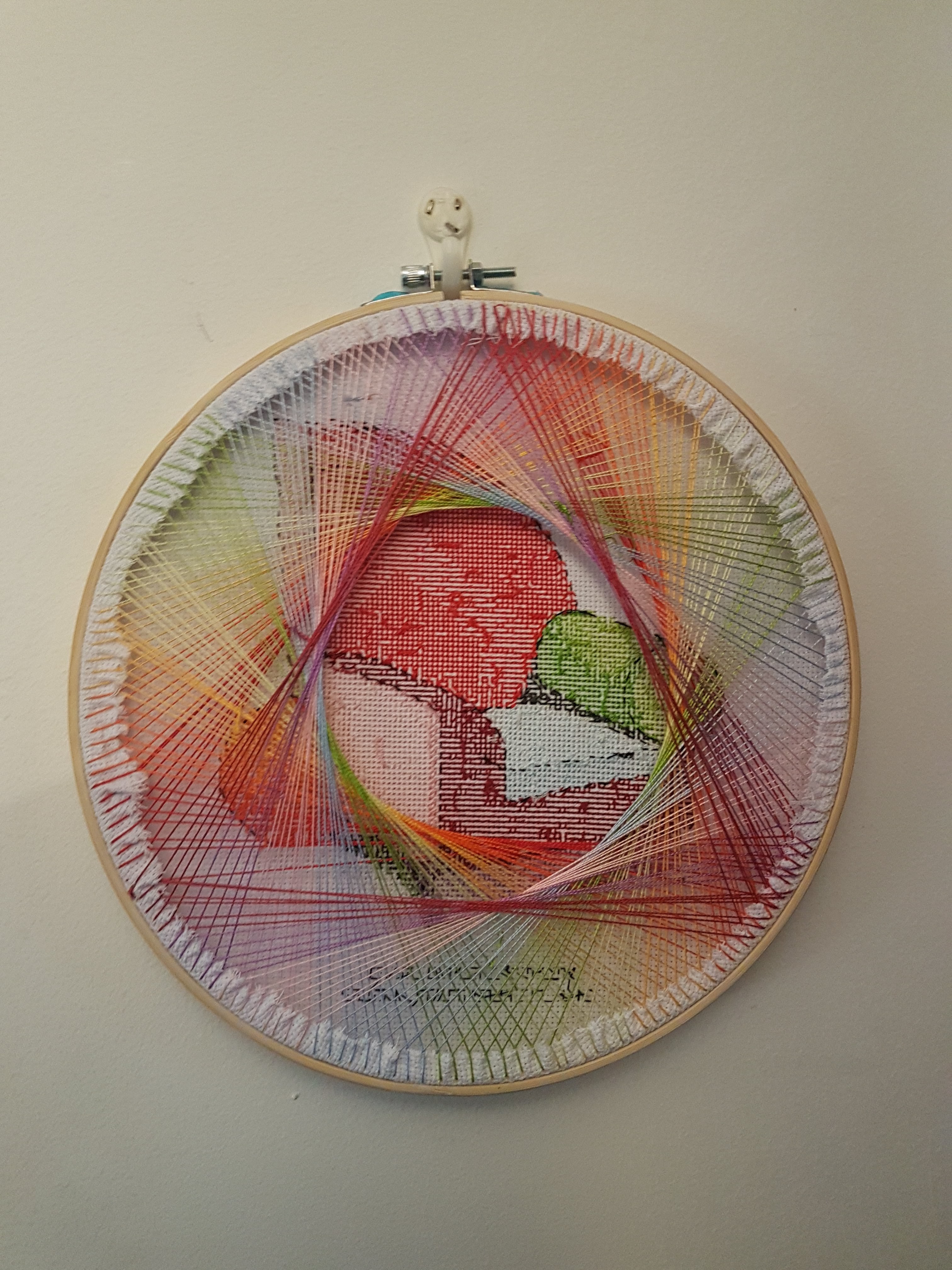
Milano chair
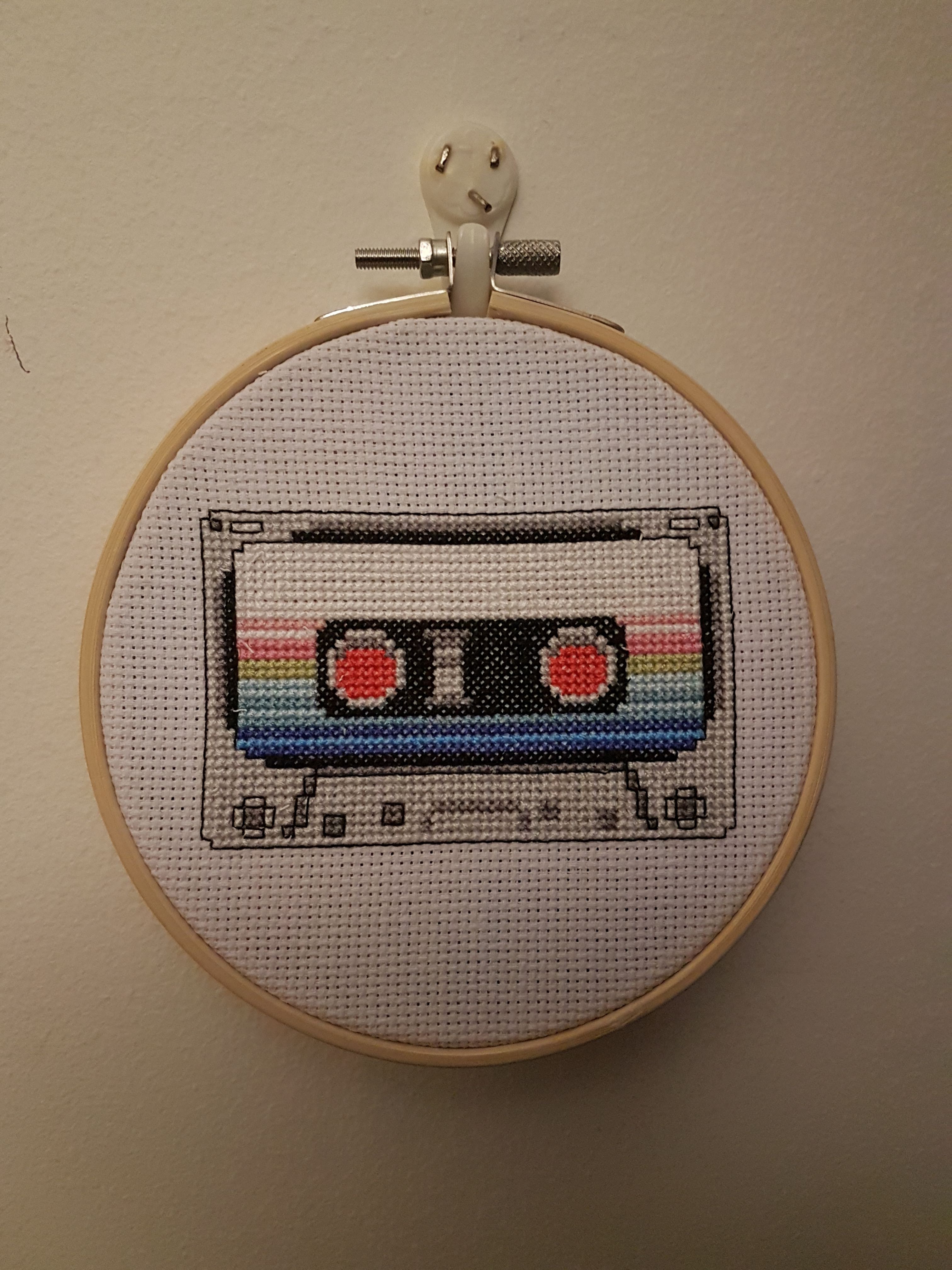
Retro for an ex-DJ
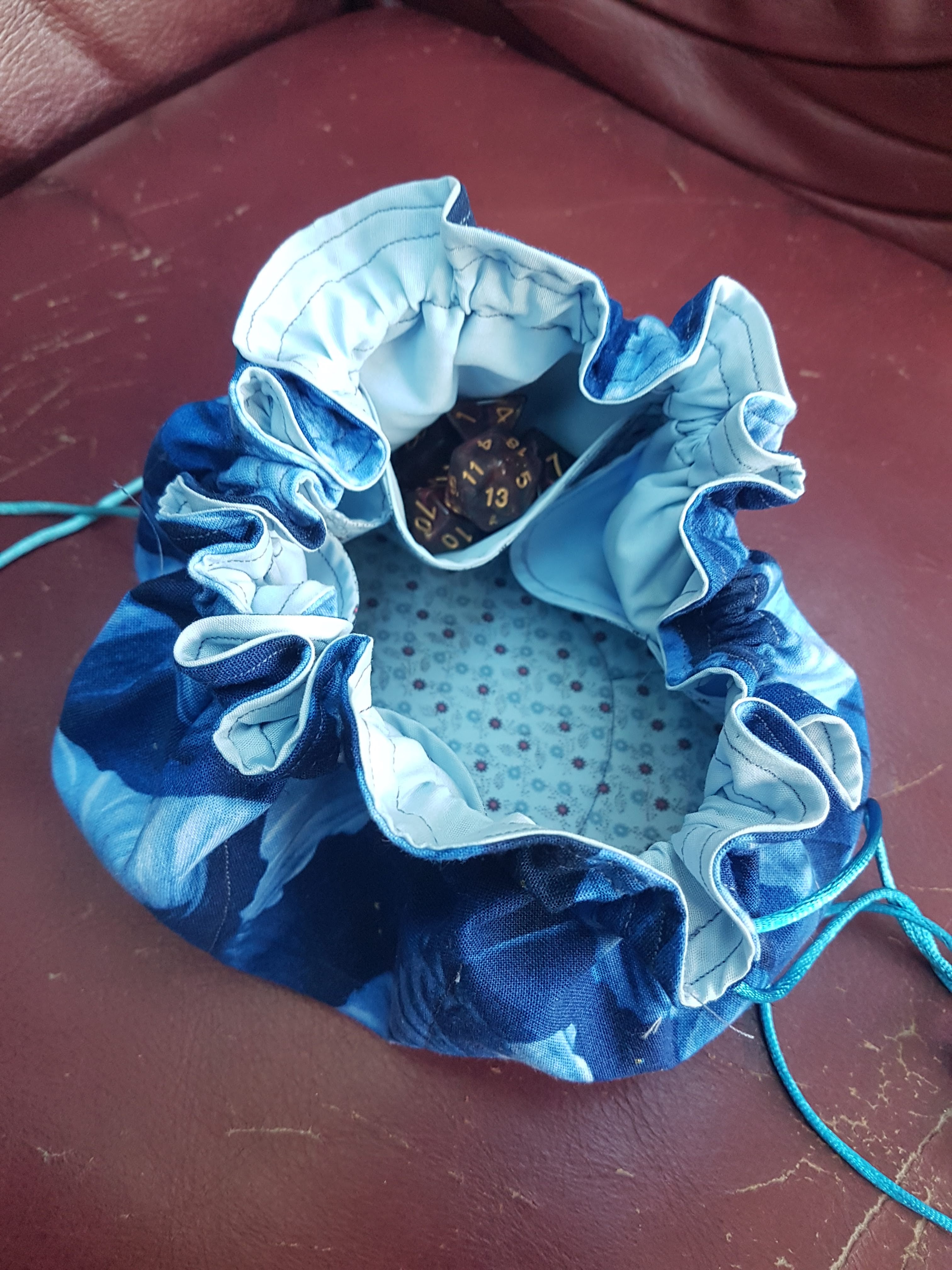
Dice bag
The back of this made me happy!
Stitch!
Vintage cotton on the inside
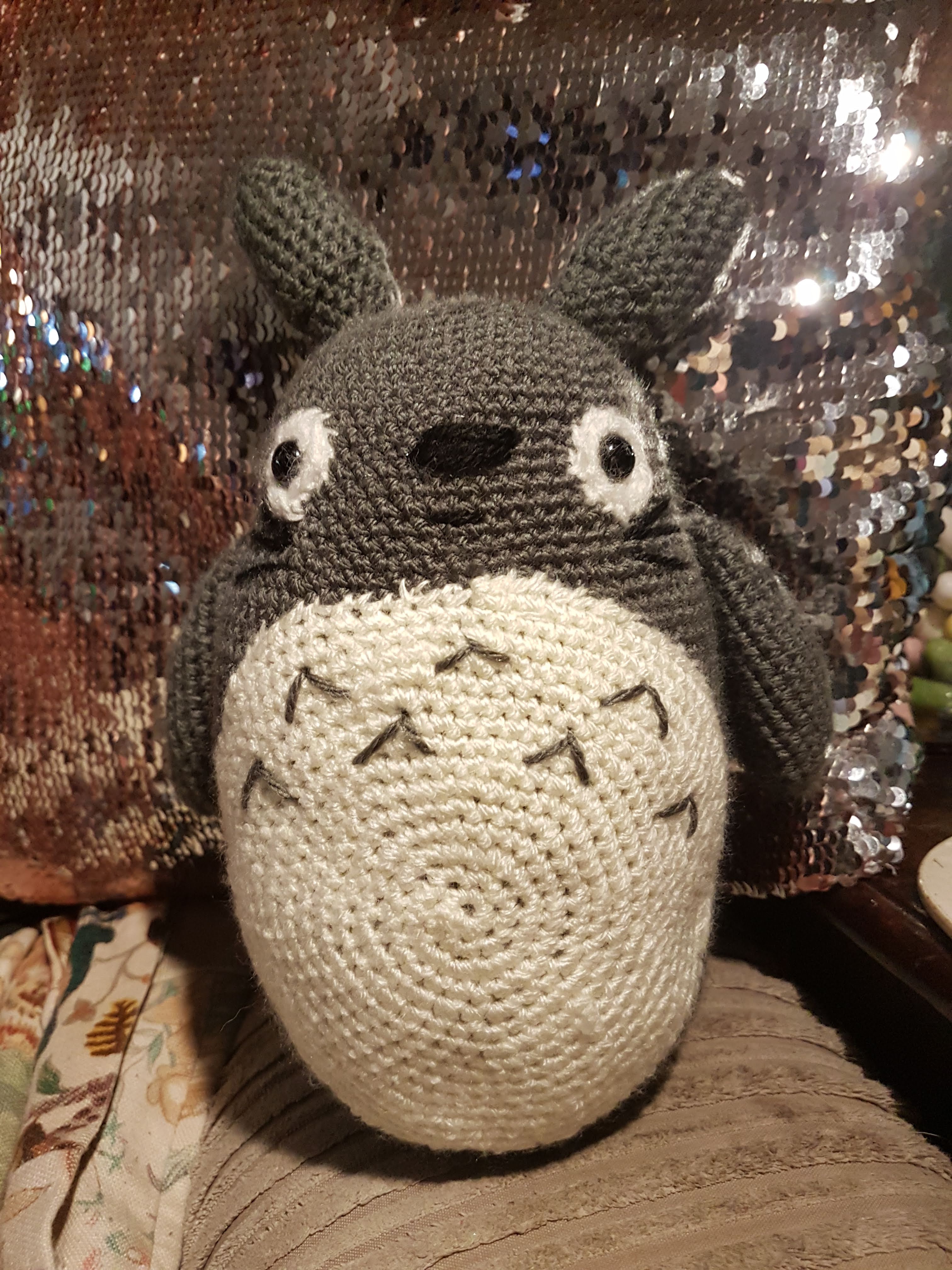
I also made a Totoro amigurumi, which has led to another one – as long as it doesn’t turn into the tinycorn plague all over again (27 of them…) it’ll be fine.
And this week I am gearing up for Museum Takeover Day – in the absence of a museum, we’re doing it inside out and taking over our local primary school. I keep telling myself it’s going to be all right on the night…otherwise I’m going to go full Macauley Culkin in Home Alone…
See you on the flipside! Mine will be a large G&T.
Kirsty x
What I’ve been reading
Dreams Underfoot/Tapping the Dream Tree/Muse and Reverie – Charles de Lint
Windswept and Interesting – Billy Connolly (Audible)
Back in week 51 (It’s not all men, but it is all women) I wrote one of my more serious posts about the kidnap and murder of Sarah Everard by serving police officer Wayne Couzens, who used his warrant card and handcuffs to make a false arrest under Covid lockdown rules. He was given a whole life tariff as the abuse of his position made this an exceptional case – the first time this sentence has been handed down for a single murder not committed in the course of a terror attack. He was already being investigated for two allegations of indecent exposure in February and some of his colleagues even referred to him as ‘the rapist’.
Sarah’s murder sparked vigils at which women were arrested, waves of light across the country, gatherings and a movement called ‘Reclaim these Streets‘ was founded. Their aim is to use ‘legislation, education and community action to ensure no woman has to be asked to ‘text me when you get home’ ever again’. ‘Educate your sons!’ became a meme and the subject of MumsNet debates, op-ed pieces in the newspapers and so on. In safeguarding training aimed at people working with teenagers incels are being included alongside both Islamic and far-right white radicalisation as things to watch out for.
In just the seven months since Sarah Everard’s murder, Reclaim these Streets have also held vigils for sisters Bibaa Henry and Nicole Smallman who were murdered in Fryent Country Park after celebrating a birthday in June 2020. For Sabina Nessa who left her home in Kidbrooke in September 2021 to go on an evening out and who was found dead in Cator Park the following day. Men have been arrested, charged and imprisoned for these murders. PCSO Julia James was murdered in Kent as she walked her dog, minutes from her home. And these are just the headlines: how many of these women don’t garner the kind of national attention that these four did?
All four were murdered by strangers to them, despite the police telling us that being murdered by a stranger is statistically unlikely. It’s far from unlikely, it turns out: in the year to March 2020, it was strangers that murdered about 43% of women killed, according to this article. Keep reading that article for the sexual harassment figures. One woman is killed every three days in the UK (source).
This week it was half term, and the first thing I had to do was to ban Things 1 and 2 from going over to the park or the Common either alone or with their friends, and told them to stay out of the fields: a man has been hiding in bushes and frightening women, including a serving police woman who didn’t have her warrant card on her. She was not confident about being able to overpower him to make an arrest so she got her mobile out and pretended loudly to be making a call to someone coming to meet her. Another woman spotted the same man while she was out and joined forces with a third to make sure they both got home safely. He was a stranger to all the women. He could have been local, but equally with the inland border facility now on the airfield he could have been from anywhere in the UK or Europe – lorries are arriving 24 hours a day. Thing 1 spotted another man hiding in bushes in the next village along while she was in the park with a friend. That’s an even smaller village than ours.
I think nothing (usually) of walking through the fields on my own in the early mornings. I train for walking marathons along the public footpaths of Essex and often don’t see another soul, but I make sure I’m aware of any people that do appear and where they are in relation to me, ‘just in case’. I have made the decision this week not to walk alone, which makes me angry. Why should I – or any woman – have to adjust her behaviour and life because someone else has a problem? After Sabina Nessa was killed, a community group handed out ‘advice’ from the Met website (since removed) which again puts the onus on women to avoid getting attacked rather than on the attackers.
How dare someone take away my freedom and that of other women in the village, and prevent our kids from exercising what little freedom they have to play? What right does that – or any – man have to stalk and lurk and strike fear into women wanting only to walk through their local countryside? Educating our sons – and our daughters – will affect the present and the future but what do we do about the people out there already? And how many times do we have to have this conversation?
Feel free to share, to add to the conversation, to get angry. If enough of us rage then something might actually be done. The daughter of my D&D friends was wearing a t-shirt on Thursday night that reminded me how we ought to be, a Ruth Bader Ginsburg quote that describes perfectly how I want my girls (and all girls) to be, and how they should be treated.
Back in the olden days (also known as the halcyon days when a good lie-in meant up in time for brunch, rather than 7am) I would wake up in the mornings, drift to the kitchen, make a cup of coffee and drink it while reading a book in blissful silence. I might have followed that coffee with more coffee and more book, perhaps even while enjoying a bath.
Mornings these days no longer look like this, not even on a Sunday. The only way I can guarantee a cup of coffee in silence is either to get up at 4.30am or, possibly, not to go bed at all. Recently Thing 1 has been waking up early and binging Chicago Med before school, and while I appreciate a hot doctor as much as the next person, I do love my early morning peace. Thing 3 has developed a penchant for asking difficult questions: Am I adopted?* What happens when cheese falls out of an aeroplane? What can I have to eat?
Today, as it was a swimming day and a Sunday, I managed to grab an hour of peace. The coffee ritual has changed so much in recent years. Now I accompany myself with difficult questions: have I taken my drugs today? What did I do with the mug I just got out? Why can I never find a teaspoon in the mornings? (and its corollary, what happened that pack of teaspoons I bought the other day?) Why does my ankle/back/neck/little toe hurt? What was I supposed to remember? Why is that song in my head? And the post-Covid classic, where am I supposed to be today?
I like to think that at least some of these questions will be answered over the course of the day, but I’m not holding my breath. Especially about the teaspoons.
(*no, sweetie, you’re stuck with us)
Sewing b*&!
It’s technical fabrics week here in the atelierstudio dining room, with my first attempt at swimwear – a two piece in some funky fish fabric from Pound Fabrics. I chose the Oasis Mix and Match swimsuit by Ellie and Mac, which was one of their ‘wacky‘ patterns a few months ago. Each week they have a selection of patterns reduced to $1, which is about 77p – they also have their bestsellers reduced to $2 and a range of freebies, so well worth keeping an eye on. I have their duchess coat waiting on my to-do list, which is dramatic and swingy and I’m looking forward to swishing about in it when I get round to making it!
I used the print at home PDF pattern option, which has to be stuck together but they have trimless pages and you can also choose to just print the sizes you need which makes it easy to cut out. One reason for making this myself is that I’m different sizes on the top and the bottom, so could mix the sizes up for the best fit for both.
As with all their patterns, the pictorial instructions are step-by-step and really clear, and there’s a good range of options to make. I chose to make version one of the two-piece, with the high waist bottoms and the tie back. The thinking was that a two piece will be easier to get out of after a cold-water swim – I tested it this morning and while it was easy to get off I think next time I’ll make the extended strap version which ties at the front. I used a turquoise power mesh lining and was making it on my basic Brother LS14, which has a very limited range of stitches. It’s a great little machine but is best with wovens. I ended up doing most of the construction on the overlocker because of this, but the elastic had to be done on the Brother which meant a lot of creative cursing.
It’s not perfect but it didn’t fall apart in the lake or the washing machine so I’m counting it as a win!
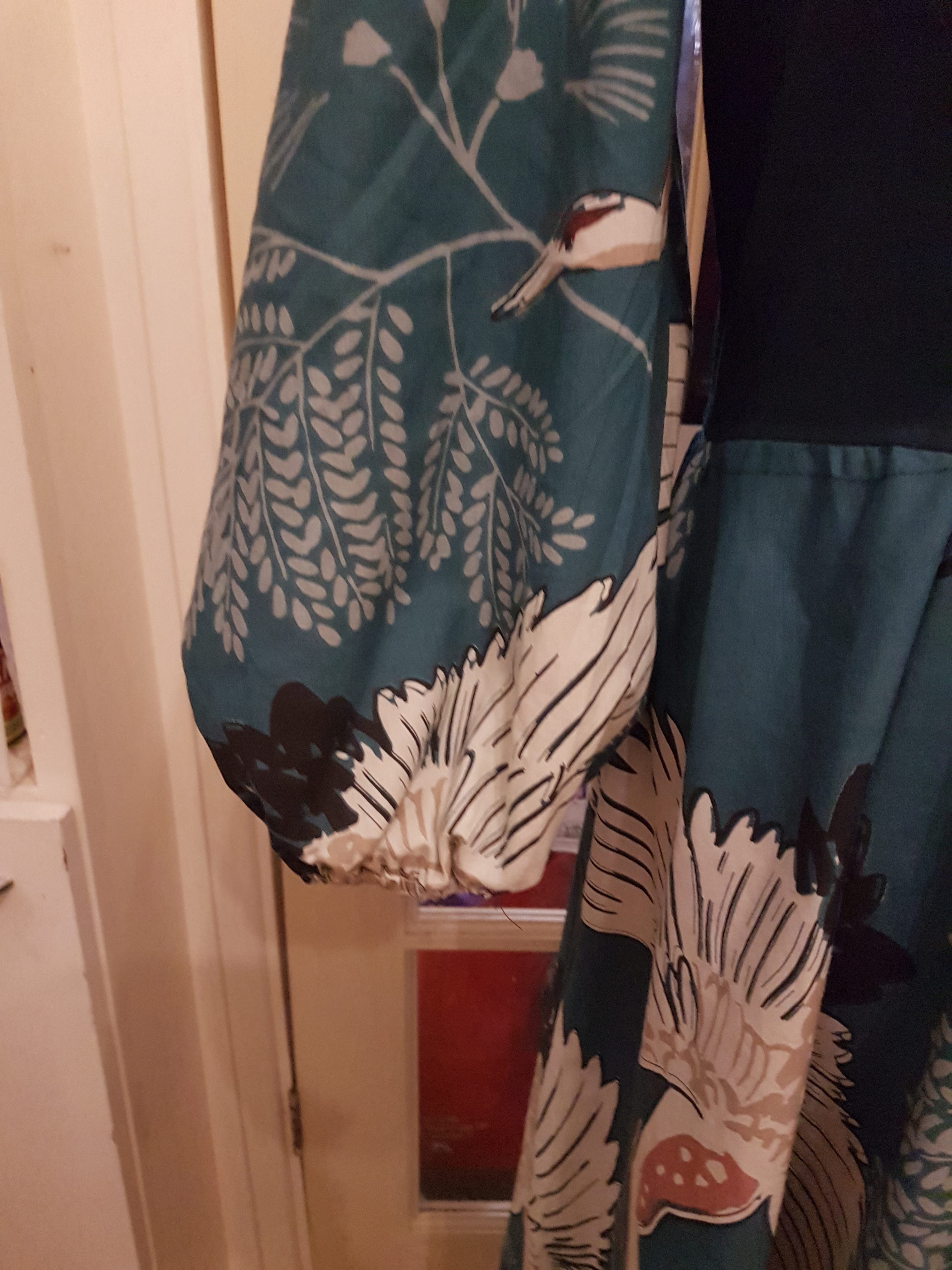
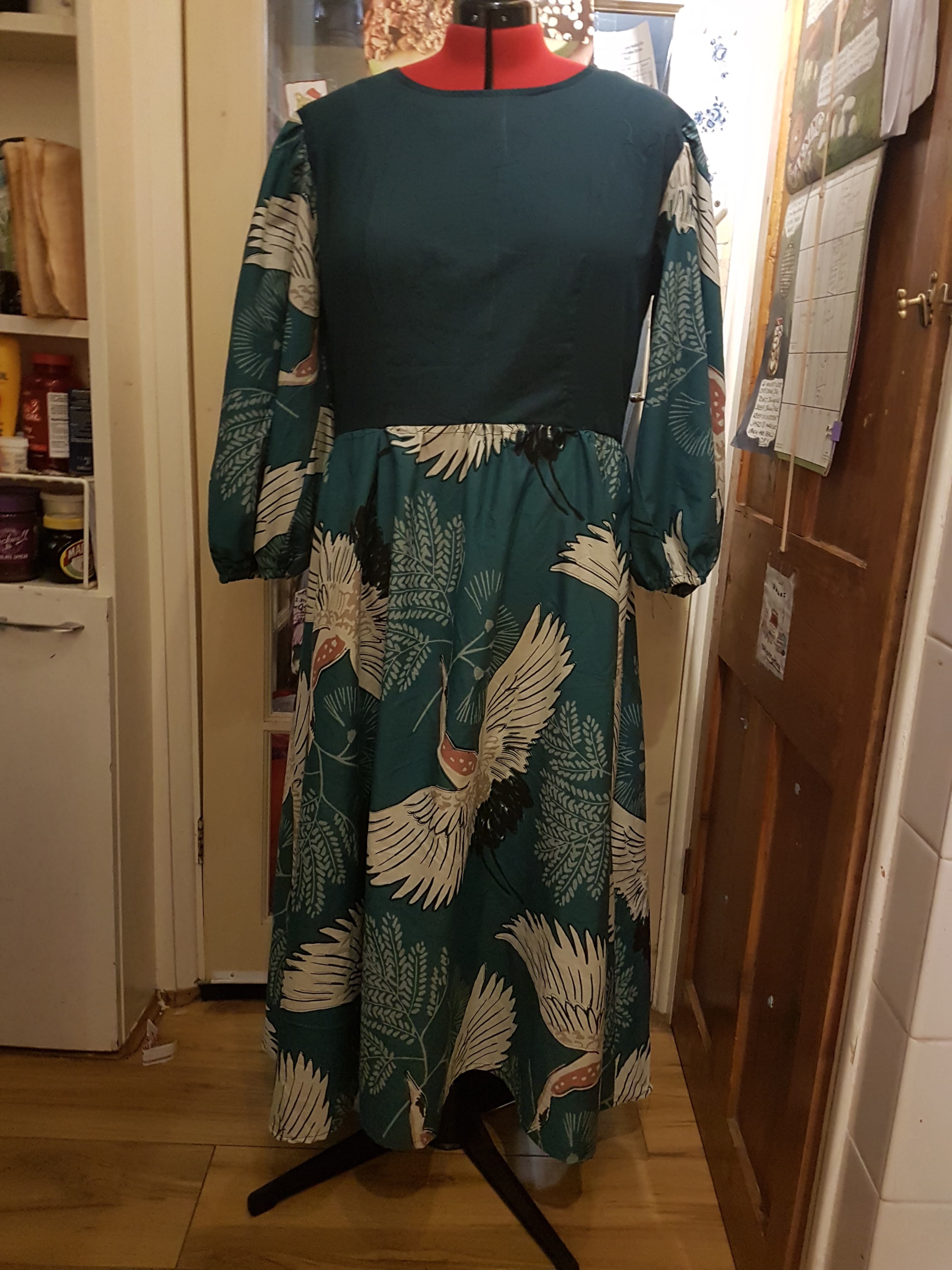
I also made the Kaleidoscope dress from issue 98 of Love Sewing – dramatic sleeves and a swishy skirt. I used a 100% cotton double duvet cover I’d bought in a sale, with large Japanese-style cranes on one side and a plain dark green on the reverse. I love duvet covers for the sheer amount of fabric you get – eight square metres, so great for circle skirts. There wasn’t quite enough of the crane print for the whole dress so I used the plain side for the bodice, and print for the skirt and sleeves. I added pockets (why would anyone design a dress without them?) and pleated the sleeve head rather than gathering. The PDF pattern left a lot to the imagination – mislabelling pieces (shirt instead of skirt, for example) and very few markings so I wouldn’t advise it for a beginner. This is an issue with a lot of the craft magazines – they don’t appear to have proofreaders (or if they do they need new ones).
The dress went together quickly – I hate setting in sleeves so added them as ‘grown on’ ones, which combines a few steps. The channel for the elastic was a nightmare, and the sleeves really need to be finished better as a result. I wore it to work on Wednesday, however, and it was a showstopper: it needed a belt so I added a burgundy obi-style one, and so many people commented (the sleeves! the fact that it was made of a duvet! the dress!). The cotton fabric gives it some structure, rather than the drapey viscose the pattern recommended, and I’m glad I chose it! I can see this one coming into heavy rotation. I do love a dramatic frock!
Looks better on my body than the model….
And that’s been my week, mostly! Thing 2 had her 13th birthday on Friday, so this week I will be heading into Westfield with her and two of her buddies for a shopping trip, as well as visiting a children’s centre and an arts centre. My beloved is off for half term with them, so I get to go to work. Lucky me….
Kirsty x
What I’ve been reading:
The Onion Girl/Dreams Underfoot/Spirits in the Wires – Charles de Lint (Newford series)